
This beef liver stew recipe delivers everything a great stew should, melt-in-your-mouth tender liver, a deeply rich and savory broth, and a spiced tomato base that comes together in under an hour.
Liver has a reputation problem it doesn’t entirely deserve. Ask most people, and they’ll say they don’t like it. But ask them when they last had it cooked properly, low and slow, in a deeply savory broth, with onions gone soft and sweet and tomatoes broken down into sauce, and most of them will pause because a well-made liver stew is one of the most satisfying, comforting things you can put on the table on a cold evening. The kind of dish that fills the kitchen with a smell that draws people in from other rooms asking what’s cooking.
This recipe has been refined through many iterations. The goal was simple: genuinely tender beef liver stew with no rubbery or grainy texture, a rich complex broth that isn’t heavy, and a method anyone can follow without stress. Every tip in here exists because something went wrong at some point without it. Whether you’re a liver convert already or trying it for the first time, this is the recipe that will change your mind.
Quick answer: Sear 500 g of cubed beef liver in olive oil, cook onion and garlic, then add paprika, curry powder, turmeric and crushed tomatoes to build a spiced base. Add 1 cup of water and simmer briefly until the sauce thickens, about 30 minutes in total. Liver toughens when overcooked, so keep the simmer short. It serves 4 at about 299 calories and 27 g of protein each (estimate).
Why Liver Stew Is Having a Comeback
There’s been a quiet yet real shift in how people think about food over the past few years. Utilizing every portion of the animal in cooking is known as nose to tail preparation, and this practice has moved from restaurant menus into home kitchens. And the liver is at the center of that shift.
The reason is partly nutritional. Beef liver is one of the most nutritious foods that exists, rich in iron, B12, folate, and vitamin A in quantities that are genuinely difficult to match through plant sources alone. For anyone dealing with iron deficiency or fatigue, it is worth knowing that a single serving of liver can deliver more bioavailable iron than a week of spinach.
But mostly the comeback is happening because people are rediscovering that liver stew recipe, done right, is just really, really good. Slow cooked organ meat develops a depth and richness that’s hard to match. The texture softens completely. The strong, metallic edge that puts people off when liver is quickly pan-fried disappears entirely when it’s braised low and slow.
What Makes This Liver Stew Different
Most liver recipes go wrong in one of three ways. Either the liver gets overcooked, turning grainy and rubbery. Or it never loses its sharp metallic edge because it wasn’t soaked properly. Or the stew base is thin and one-dimensional, tomatoes and stock, but not much else. This recipe addresses all three:
The soaking step is non negotiable. Soaking the liver in milk for at least 30 minutes before cooking draws out the compounds responsible for that harsh, metallic taste. The result is a noticeably milder, richer flavor, the liver itself rather than its edge.
The liver goes in late. This is the single biggest technique adjustment most home cooks need to make. The vegetables, stock, and aromatics form the base of the stew first. The liver only joins in the final 20–25 minutes. This is enough time to cook through completely while staying tender.
The flavor base is built properly. Onions cooked until genuinely soft and golden, not just translucent, actually golden, develop a sweetness that rounds out the whole stew. Garlic, tomato paste, fresh tomatoes, and a good stock all go in at the right times to build layers.
Why You Will Love This Best Liver Stew
This best liver stew recipe is not only delicious but also incredibly nutritious. It’s loaded with iron, vitamins, and protein, making it an excellent choice for a hearty, satisfying meal. Plus, it comes together quickly, making it a great option for busy weeknights. To make this masterpiece, you’ll need the following:
Ingredients For Liver Stew Recipe

- 500 g liver, cubed and rinsed
- 3 tbsp olive oil
- 4 cloves garlic, minced
- 1 medium onion, sliced
- 3 ripe tomatoes, crushed
- 1 tsp paprika
- 1 tsp curry powder
- 1/2 tsp turmeric powder
- 1/4 tsp chilli powder (optional, for a bit of heat)
- Salt and pepper, to taste
- 1 cup water
- Chopped cilantro to garnish
How to Cook Beef Liver Stew Step by Step Method
Follow these steps for a beef liver stew that’s tender, deeply rich, and never bitter or rubbery.
Step 1 Prep the Liver
Rinse the liver cubes under cold water and pat dry with paper towels. This removes excess blood and reduces any metallic taste. Don’t skip this step.
Step 2 Sear the Liver
Heat olive oil in a large saucepan over medium-high heat. Add the cubed liver and sear for about 5 minutes, turning until browned on all sides. Searing locks in the juices and builds the deep, rich base flavour this stew is known for.
Step 3 Add Aromatics
Add minced garlic and sliced onion to the pan. Sauté for 2–3 minutes until the onions are soft and fragrant. This is where the stew starts to smell incredible.
Step 4 Build the Flavour
Sprinkle in the paprika, curry powder, turmeric, and chilli powder. Stir well to evenly coat the liver and onions. Add the crushed tomatoes and cook for 5–7 minutes, until the tomatoes break down and the sauce thickens into a deep, spiced base.
Step 5 Simmer the Stew
Season with salt and pepper. Pour in the water, stir, and reduce heat to low. Cover and simmer for 5–10 minutes until the sauce reaches your preferred consistency. This slow finish is what makes the liver melt-in-your-mouth tender.
Step 6 Garnish and Serve
Remove from heat and scatter fresh cilantro over the top. Serve hot with steamed rice, mashed potatoes, or a warm crusty baguette.
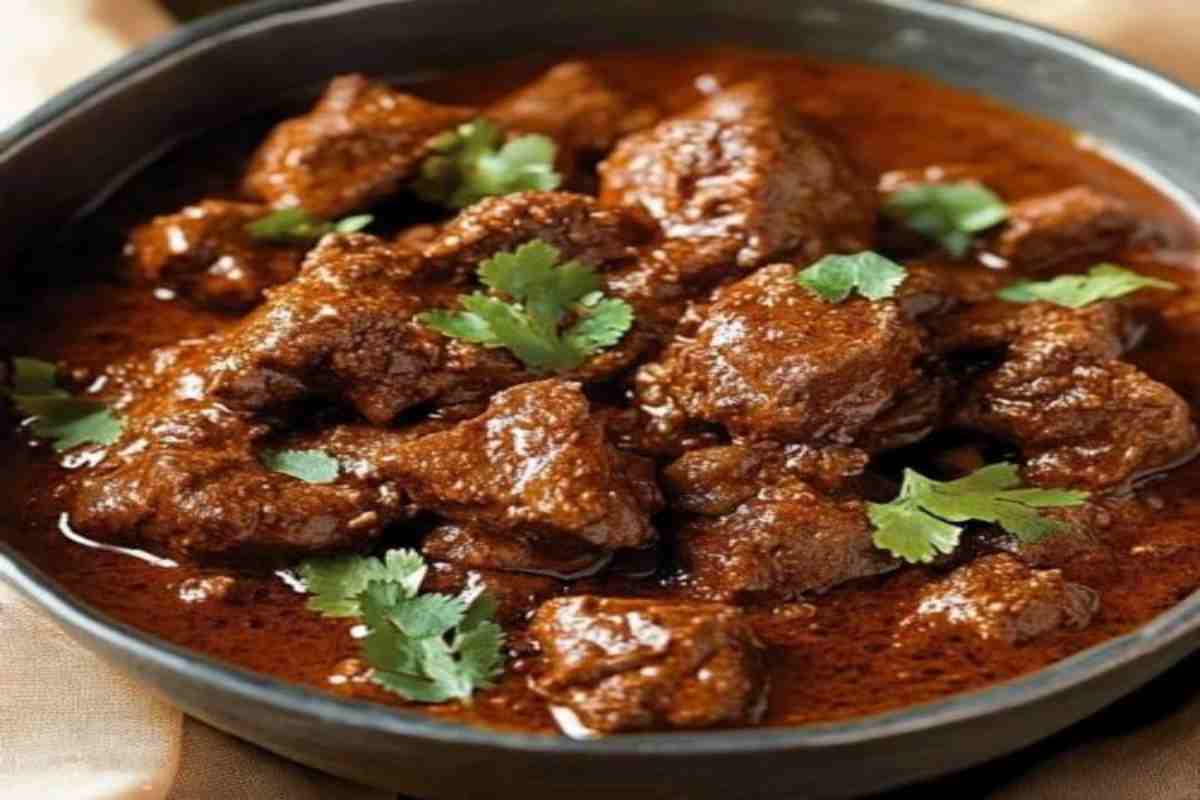
How to Make the Best Liver Stew Recipe
Ingredients
- 500 g liver cubed and rinsed
- 3 tbsp olive oil
- 4 cloves garlic minced
- 1 medium onion sliced
- 3 medium tomatoes crushed
- 1 tsp paprika
- salt and pepper
- 1 cup water
- Cilantro chopped
- 1 tsp curry powder
- 1/2 tsp turmeric powder
Instructions
- Rinse the liver cubes under cold water and pat them dry with paper towels. This helps remove any excess blood and reduces the metallic taste.
- Heat the olive oil in a large saucepan over medium-high heat. Add the cubed liver and sauté for about 5 minutes, or until the liver is browned on all sides.
- Add the minced garlic and sliced onion to the pan. Sauté for another 2-3 minutes, or until the onions become soft and fragrant.
- Sprinkle the paprika, turmeric, curry powder and chilli powder (if using) into the pan and stir to coat the liver and onions. Then, add the crushed tomatoes and cook for about 5-7 minutes, or until the tomatoes have broken down and released their juices.
- Season with salt and pepper to taste. Pour in the water, stir well, and reduce the heat to low. Cover the pan and let the stew simmer for about 5-10 minutes, or until the sauce thickens to your preferred consistency.
- Remove from heat, sprinkle with chopped cilantro, and serve hot. This stew pairs wonderfully with steamed rice, mashed potatoes, or a warm crusty baguette.
Video
Notes
Please note that the nutritional information is a rough estimate and can vary significantly based on the products used in the recipe.
Nutrition
Beef Liver Stew Nutrition Calories, Iron and Health Benefits
Beef liver stew isn’t just comfort food; it’s one of the most nutrient-dense meals you can make. A single serving covers your daily vitamin A requirement several times over, delivers a serious iron hit, and packs enough protein to keep you full for hours. Here’s exactly what one Serving contains:
Nutrition Per Serving
| Nutrient | Per Serving |
|---|---|
| Calories | 299 kcal |
| Protein | 27g |
| Iron | 7mg (39% DV) |
| Vitamin A | 22,147 IU (442% DV) |
| Carbohydrates | 14g |
| Fat | 14g |
| Sodium | 480mg |
Based on 1 serving. Values are approximate and will vary depending on portion size and specific ingredients used.
Why beef liver stew is exceptionally good for you
Iron With 7mg of highly bioavailable heme iron per Serving, this stew is one of the most effective dietary sources of iron, far more absorbable than plant-based sources. Particularly valuable for anyone managing low iron levels or anaemia.
Vitamin A The 22,147 IU of vitamin A per Serving comes from retinol, the preformed, most bioavailable form found only in animal products. This supports eye health, immune function, and skin repair. One Serving delivers more than four times the recommended daily intake.
Protein At 27g of complete protein per Serving, beef liver stew supports muscle maintenance, satiety, and sustained energy, making it a genuinely filling meal rather than just a comforting one.
B Vitamins Beef liver is one of the richest natural sources of B12, folate, and B6 — nutrients critical for energy metabolism, red blood cell production, and nervous system function. These aren’t reflected in the table above but are worth knowing.
A note on vitamin A intake
Beef liver is extraordinarily high in vitamin A, which is fat-soluble and accumulates in the body over time. For most healthy adults, eating liver stew once or twice a week is not a concern. However, pregnant women are advised to limit liver consumption due to the risk of vitamin A toxicity at very high intakes. If you’re pregnant or managing a specific health condition, check with your doctor or dietitian before making liver a regular part of your diet.
Pro Tips for Perfect Liver Stew Every Time
Buy Fresh, Not Frozen
Fresh liver offers a noticeably cleaner taste and softer texture compared to frozen and thawed liver. If fresh isn’t available, thaw frozen liver slowly in the refrigerator overnight to preserve as much quality as possible.
Chicken Liver vs Beef Liver
Both options work well in this recipe. Chicken liver is milder, cooks faster, and is ideal for beginners. Beef liver has a stronger, richer flavor that creates a more intense dish. Whichever you choose, soaking the liver beforehand is essential for the best taste and texture.
Do not Overcrowd the Pot
Give the liver enough space to cook properly. If pieces are stacked or crowded, they’ll steam unevenly instead of simmering in the broth, leading to a less desirable texture. Use a wide pot so everything sits in a single layer.
Add a Splash of Worcestershire Sauce
For extra depth, stir in about a teaspoon of Worcestershire sauce along with the stock. It’s optional, but it enhances the flavor and gives the stew a slow-cooked richness.
Let It Rest
After cooking, allow the dish to rest for about 5 minutes. This helps the liver relax and allows the flavors to settle, resulting in a more cohesive and tender final dish.
Variations Worth Trying
Not every kitchen is the same, and neither is every craving. These variations stay true to the core recipe while giving you room to adapt based on what you have, how much time you’ve got, and the flavour profile you’re after.
Liver Stew with Potatoes
If you want to turn this into a full one-pot meal, adding potatoes is the easiest way to do it. Dice 2–3 medium potatoes into roughly 2cm cubes and add them at the same time as the crushed tomatoes in Step 4. They’ll absorb the spiced tomato broth as they cook, turning soft and deeply flavoured by the time the stew is ready.
Waxy potatoes like Yukon Gold or red potatoes hold their shape best and won’t turn mushy. Floury varieties like Russets will break down more and naturally thicken the sauce, both work, it just depends on the texture you prefer. Add an extra splash of water if the stew looks too thick once the potatoes go in, and extend the simmer time by 5–8 minutes to make sure they’re cooked through.
Liver Stew with Tomatoes and Onions
This is the most stripped-back version of the recipe and, honestly, one of the most delicious. If you want the liver to be the undisputed star, pull back the spice blend to just paprika and black pepper and let the tomatoes and onions do the heavy lifting.
Use two large onions instead of one, and cook them low and slow before the liver goes in, a good 8–10 minutes until they’re completely soft, slightly golden, and sweet. Add extra crushed tomatoes for a saucier, more acidic broth that cuts through the richness of the liver beautifully. This version is closer to a classic West African-style liver stew and works particularly well served over white rice, where the sauce can soak into every grain.
Slow Cooker Beef Liver Stew
The slow cooker version is ideal for days when you want dinner ready with almost no active cooking time. Sear the liver in a pan first, don’t skip this step even with a slow cooker, as the browning builds a depth of flavour that slow cooking alone won’t replicate.
Transfer everything into the slow cooker, add the aromatics, spices, and crushed tomatoes, and cook on low for 4–5 hours or high for 2–3 hours. The extended cooking time makes the liver exceptionally tender and the broth incredibly rich. One important note: liver can turn grainy if overcooked even in a slow cooker, so check it at the lower end of the time range and pull it as soon as it’s tender.
West African Style Liver Stew
Across West Africa, particularly in Nigeria and Ghana, liver stew is a staple that shows up at family tables, roadside kitchens, and Sunday dinners alike. The base is similar to this recipe but the spice profile leans harder into heat and earthiness.
Add a Scotch bonnet pepper or two alongside the onions, use a tablespoon of tomato paste in addition to the crushed tomatoes for a deeper, more concentrated base, and finish with a small handful of crayfish powder if you can find it, it adds an umami depth that’s hard to replicate with anything else. Serve with boiled yam, eba, or jollof rice for a fully authentic experience. This version also works well with chicken liver if beef liver is unavailable.
Storing and Reheating
Liver stew stores well, arguably better than freshly made in some ways, since the flavors deepen overnight. Allow the stew to cool completely before transferring it to a sealed container. It can be stored in the refrigerator for as long as 3 days. When you’re set to savor it once more, gently heat it on the stove.
Whenever you’re ready to savor it again, heat it on the stove over low heat. If it has thickened too much while in the fridge, just add a little stock or water to loosen it up. Avoid boiling it on reheat, gentle warming preserves the liver’s texture.
For freezing
The stew can be frozen for up to 2 months, but the liver will be slightly softer after thawing. It’s still good, just not quite as firm as freshly cooked. Let it thaw in the fridge overnight before warming it up.
What to Serve With Liver Stew
If you enjoyed making this liver stew, your next weeknight dinner is already sorted. Devine Dishes has several recipes that follow the same philosophy, real ingredients, proper technique, and dishes that taste like effort even when they don’t take much.
- For a classic East African pairing, liver stew is traditionally scooped up with soft, flaky Kenyan Chapati, which soaks up the rich sauce perfectly and turns the meal into something genuinely satisfying.
- A side of fragrant turmeric rice works just as well, adding warm color and subtle spice that complements the stew’s deep, savory flavor without competing with it.
- If you want something a little different, warm shawarma wrap bread makes a great scoop-and-dip option too, giving the stew a Middle Eastern-leaning twist.
The Perfect Hearty and Nutritious Best Liver Stew for Any Occasion
This liver stew recipe strikes the perfect balance between rich, meaty flavors and aromatic spices, creating a dish that’s both comforting and deeply satisfying. Serve it with a side of rice, mashed potatoes, or warm, crusty bread to soak up the flavorful sauce.
This best liver stew recipe is a complete, experience-based guide designed to help you achieve perfect results every time. With proper preparation, balanced spices, and controlled cooking, liver transforms into a comforting, flavorful, and nourishing meal.You can also try our beef stew recipe on Devine Dishes. Serve it hot, enjoy its richness, and make it part of your regular home cooked meals.
If you enjoyed this hearty stew, explore our other protein rich favorites:
Whole Tilapia Recipe
Shrimp Curry Recipe
Basa Fillet Recipe
Frequently Asked Questions (FAQs)
How do you get the bitter taste out of liver stew without using milk?
Soak cubed liver in cold, heavily salted water for 30–45 minutes, then rinse well. Diluted lemon juice or vinegar 1 tbsp per cup works too, since the acid draws out the same bitter compounds as milk.
Can you overcook liver in a stew?
Yes, liver has little connective tissue, so it toughens with extra cooking instead of tenderizing. Add it in the final 20–25 minutes only, and simmer gently rather than boil.
How do you thicken liver stew sauce?
Cook uncovered for the final 10 minutes to allow for reduction naturally, or stir in a cornstarch slurry 1 tsp cornstarch + 2 tbsp cold water and cook 3–4 minutes. Tomato paste added early also adds body and color.
What is the white stuff in liver, and should you remove it?
It’s connective tissue and bile ducts, which stay bitter and chewy even after cooking. Trim it away with a sharp knife before cubing the liver.
Is it safe to eat liver stew when pregnant?
Liver is high in vitamin A, so most health authorities recommend limiting it to once a week during pregnancy in moderate portions. Its iron and B12 are beneficial, just not in daily large amounts, check with your doctor if unsure.
Why does my liver stew smell strong even after soaking?
This usually means the liver was not soaked long enough or is past its prime. Fresh liver should smell mild, not sharp, if the odor persists after a proper soak, discard it.








3 Comments. Leave new
Yummy
Thank you
The milk soak really does make a difference, no metallic taste at all this time. Adding the liver at the end kept it perfectly tender!