
There are nights when cooking feels like a commitment you didn’t quite sign up for. This is the recipe for those nights. A baked basa fillet seasoned with paprika, garlic, and lemon, baked at 375°F for fifteen minutes, and served with a simple fresh tomato sauce that comes together on the stovetop while the oven does the actual work. That’s it. Thirty minutes from a cold pan to a hot plate, and the result looks like you put in considerably more effort than you did.
I’ve been making this easy basa fillet recipe for a while now, and it genuinely holds up as one of the best weeknight fish dinners in rotation. Not because it’s complicated, it isn’t, but because the combination of a well-seasoned fillet and a bright tomato sauce creates something that feels complete like a real dinner, not a compromise. If you’ve never cooked basa before, this is a good place to start. And if you have and it came out dry or bland, I’ll explain exactly why that happens and how to avoid it every time from here forward.
What Is Basa Fish? Everything You Need to Know Before You Cook It
Basa (Pangasius bocourti) is a freshwater catfish farmed primarily in the Mekong River Delta of Vietnam. It’s been widely exported for decades and is now one of the most common white fish in supermarkets across the US, UK, Australia, and beyond, sold fresh, frozen, or as vacuum-packed fillets. In different markets, it also goes by the names river cobbler, Vietnamese cobbler, pangasius, or swai: same fish, different labels depending on where you’re shopping.
What makes basa worth knowing about isn’t just the price, though it is one of the more affordable white fish you can buy. It’s the texture and flavour profile. Basa is mild and slightly sweet, with almost no fishiness, which is why it works so well in a recipe like this one, where the seasoning does much of the character work. The flesh is soft and flakes into large pieces when properly cooked, similar to cod or haddock but slightly more delicate.
It’s sold almost universally as skinless boneless fillets, which removes the two biggest barriers that put beginner cooks off cooking fish. No pin bones to worry about, no skin curling in the pan. You season it, bake it, and it’s done. When buying, look for firm, pale-white fillets that smell clean. Any strong ammonia or sour odour means poor quality or improper storage. Most supermarket basa comes frozen, thaw overnight in the refrigerator rather than at room temperature for the best texture and food safety outcomes.
Is Basa Fish Healthy? The Honest Answer
This is one of the most searched questions about basa, and it deserves a proper answer rather than a vague “yes.”
Protein
There are approximately 13 grams of protein in 100g of basa fish, and it contains all nine essential amino acids that the body cannot produce independently. For a lean, budget-friendly protein source, that’s a genuinely good number.
Calories
A 100g serving of raw basa sits at around 90–100 calories, making it one of the lower-calorie protein sources you can build a meal around. For context, the same weight of chicken breast is around 165 calories.
Omega 3 fatty acids
Basa fish comes moderately packed with omega-3 fatty acids, approximately 2.6 to 6.7 per cent of the fat content of a serving consists of omega-3s (DHA and EPA). The American Heart Association recommends at least 2 3.5-oz servings of fish, such as basa, each week. It won’t compete with salmon or mackerel for omega-3 content, but it’s not negligible either.
Other nutrients
Basa is a good source of B vitamins, including B12, which supports nerve function and red blood cell production, as well as selenium (an antioxidant) and phosphorus, which is important for bone health.
The honest caveat
Basa has less omega-3 than oily fish like salmon, sardines, or mackerel. If omega-3 intake is a health priority, rotating basa with higher-fat fish gives you the best of both: basa’s affordability and quick cooking on other nights, with the fatty acid profile of higher-fat fish.
How to Season Basa Fillets: Getting the Flavour Right
Mild fish rewards bold seasoning. Because basa fillet has almost no flavour of its own, everything you taste in the finished dish comes from what you put on it. This recipe’s seasoning combination, paprika, garlic powder, onion powder, black pepper, lemon, and olive oil, works because each element is doing something specific.
- Paprika provides a warm colour and a slightly smoky depth, giving the pale white fillet visual appeal and a background flavour. Use sweet paprika for warmth without heat; smoked paprika for a more barbecue-adjacent character.
- Garlic and onion powder are the savoury backbone. Fresh garlic can work, but powdered garlic distributes more evenly across the fillet surface and doesn’t risk burning during baking the way minced garlic can.
- Black pepper gives brightness and mild heat. Don’t skip it even if you’re not a pepper person, at this quantity, it registers as seasoning rather than spice.
- Lemon juice cuts through the richness of the olive oil and lifts the mildness of the fish. The acid does the same thing in fish cookery that it does in a vinaigrette, it makes everything taste more defined.
- Olive oil is the binding agent. It carries the dry spices onto the surface of the fish, prevents sticking during baking, and adds a subtle fruitiness. Use a good quality extra virgin olive oil here because you taste it at this quantity.
- Optional bell pepper flakes add very mild heat and colour. If you’re cooking for people who are sensitive to spice, skip it. If you want a little more seasoning, keep them.
The key technique before any seasoning goes on is to pat the fillets completely dry with kitchen paper. Moisture on the surface creates steam during baking, which softens the exterior, prevents the seasoning from adhering, and can make the bottom of the fillet watery. Thirty seconds with kitchen paper before the oil and spices go on makes a real difference to the finished dish.
Ingredients for Baked Basa Fillet Recipe

For the fish
-
4–5 basa fillets
- 1 tbsp onion powder
-
2 tbsp olive oil
-
1 tbsp garlic powder
- ½ tsp black pepper (or to taste)
-
1 tbsp paprika
-
½ tsp bell pepper flakes (optional)
-
Juice of ½ lemon
-
Salt to taste
Optional tomato sauce
-
1 tbsp olive oil
- Salt to taste
-
1 cup ripe cherries OR 2 ripe tomatoes, chopped
- 1 small onion, chopped
-
Fresh cilantro for garnish
How to Make Baked Basa Fillet

- Preheat oven or an air fryer to 375°F (190°C).
- In a small bowl, combine olive oil, onion powder, garlic powder, paprika, black pepper, bell pepper flakes, lemon juice, and salt.
- Spread the seasoning mixture evenly on both sides of the basa fillets.
- Arrange fillets on a lined baking tray.
- Bake for 15 minutes, or until the fish flakes easily with a fork.
- Avoid overbaking to keep the fish moist.
- Heat olive oil in a small skillet over medium heat.
- Sauté onions until translucent.
- Add chopped tomatoes and a splash of water to help soften.
- Season with salt and simmer on low heat until soft and slightly saucy.
- Finish with fresh cilantro.
- Carefully transfer the baked basa fillets to serving plates.
- Spoon the warm tomato sauce evenly over the fish, allowing it to lightly coat the top without overpowering the delicate flavor.
- Garnish with freshly chopped cilantro and an extra squeeze of lemon juice if desired. Serve immediately while hot for the best texture and flavor.

Easy Baked Basa Fillet with Simple Tomato Sauce
Ingredients
- 4 large fish fillet basa
- 2 tbsp olive oil
- 1 tbsp onion powder
- 1 tbsp garlic powder
- 1 tbsp paprika
- 1/2 tsp black pepper or to taste
- 1/2 tsp bell pepper flakes optional
- 1/2 medium lemon juice
- salt to taste
Tomato Sauce (optional)
- 1 tbsp olive oil
- 1 small onion chopped
- 1 cup cherry tomatoes or 2 ripe tomatoes, chopped
- salt to taste
- fresh cilantro chopped, to garnish
Instructions
- Preheat oven to 375°F (190°C).
- In a small bowl, combine olive oil, onion powder, garlic powder, paprika, black pepper, bell pepper flakes, lemon juice, and salt.
- Spread the seasoning mixture evenly on both sides of the basa fillets.
- Arrange fillets on a lined baking tray and bake for 15 minutes, or until the fish flakes easily with a fork.
- Heat olive oil in a small skillet over medium heat.
- Sauté onions until translucent.
- Add chopped tomatoes and a splash of water to help soften.
- Season with salt and simmer on low heat until soft and slightly saucy.
- Finish with fresh cilantro.
- Spoon the warm tomato sauce over the baked fish and enjoy immediately.
Video
Notes
Nutrition
How to Cook Basa Fillets in the Oven: The Method That Always Works
The oven is the most reliable way to cook delicious basa fillet because the ambient, even heat does the work without requiring attention. Here is what makes this method consistently successful:
Always line your tray. Parchment paper is the best option, it prevents the fillet from sticking. It eliminates the problem of the underside cooking against hot metal, which can dry out the bottom of the fish before the top is done. Foil works if you lightly oil the surface that contacts the fish.
Single layer, not overlapping. Fillets placed too close together create steam pockets between them, which can cause uneven cooking and make the flesh slightly watery rather than cleanly baked. Give each fillet a little space.
Don’t open the oven early. Every time you open the door during baking, the temperature drops and the cooking time extends. Set the timer and leave it alone for the first 12 minutes.
The fork test is more reliable than timing. Press gently on the thickest part of the fillet with a fork. If the flesh flakes easily and offers no resistance, the fish is done. If it still feels slightly firm and looks translucent, give it 2 more minutes. If it’s already pulling apart on its own before you test it, it’s been in the oven a minute or two too long, still edible, but noted for next time.
Basa cooking time
| Fillet Thickness | Oven Temp | Approx. Time | Done When |
| Thin (1–1.5 cm) | 375°F / 190°C | 12–13 min | Flakes at fork test |
| Standard (1.5–2 cm) | 375°F / 190°C | 15 min | Flakes at fork test |
| Thick (2 cm+) | 375°F / 190°C | 17–19 min | Flakes at fork test |
| From frozen (standard) | 375°F / 190°C | 22–25 min | Opaque throughout |
The internal temperature you’re looking for is 145°F (63°C) at the thickest point. If you have an instant-read thermometer, this is the most reliable method. Most home cooks use the fork test, which works just as well once you know what you’re looking for.
How to Cook Basa Fillets from Frozen
This is one of the most frequently asked questions about cooking basa fillet, and the answer is: yes, you can cook basa from frozen, but there are two things to know.
Baking from frozen works
Place the frozen fillet directly on a lined tray at 375°F (190°C) and add approximately 10 minutes to the standard cooking time, so 22–25 minutes for a standard-thickness fillet rather than 15. The fish needs that extra time to thaw and cook through.
The texture is noticeably better when thawed first
Frozen fish contains water in the flesh. When it goes into the oven frozen, that water converts to steam as the fillet warms, which can make the finished result slightly watery or unevenly cooked. Thawing overnight in the refrigerator allows you to pat the fillet dry before seasoning, which is the single most effective step for achieving a clean bake with good texture.
Quick thaw method
If you forgot to defrost and need to cook soon, submerge the sealed frozen fillet in cold (not warm) water for 30–45 minutes, changing the water once halfway through. Pat completely dry before seasoning, and proceed with the standard recipe.
Pan Fried Basa Fillets When You Want a Golden Crust
While the baked basa fillet recipe in this post is the primary method, pan-frying is worth knowing because it produces a different result: a lightly golden exterior with a slightly more textured surface in under 10 minutes. It’s the faster method when you don’t want to wait for the oven to preheat.
Use the same seasoning mixture from this recipe. Heat a non-stick skillet over medium-high heat, then add a tablespoon of olive oil and heat until it shimmers. Lay the seasoned, patted-dry fillets in the pan, leaving space between each one. Cook for 3–4 minutes on the first side without moving them, this is how you build a light crust. Flip once, gently, using a wide spatula, and cook the second side for another 2–3 minutes until the fish is opaque throughout.
A few things make the difference between a pan-fried basa that’s golden and delicious versus one that falls apart in the pan:
The pan must be properly hot before the fish goes in. If the oil isn’t shimmering, the fish will steam rather than fry. Don’t move or prod the fish on the first side, let it develop a small amount of crust before you attempt to flip it. And keep the heat at medium-high, not high; basa is thin and cooks fast, and too much heat will char the outside before the inside is done.
The tomato sauce from this recipe works just as well spooned over pan-fried basa as it does over the baked version.
Air Fryer Basa Fillet The Quick Method
The air fryer has become one of the most popular ways to cook white fish at home. For good reason, the circulating hot air gives you a result that’s close to oven-baked in texture but roughly 5 minutes faster, with no preheating wait time.
Season the basa fillet exactly as the main recipe instructs. Place in the air fryer basket in a single layer, lightly spray or brush the surface with olive oil, and cook at 375°F (190°C) for 10–12 minutes, no flipping required for standard-thickness fillets. Check at 10 minutes with the fork test. While the fish cooks in the air fryer, make the tomato sauce on the stovetop, both will be ready at roughly the same time.
The Tomato Sauce Building Flavour in Less Time Than the Fish Takes to Bake
The tomato sauce in this baked basa fillet recipe is genuinely optional. Still, it’s what makes the dish feel finished rather than just cooked. A few technique notes that make it noticeably better:
Cook the onion properly. Translucent means the piece has softened and turned clear all the way through, not just at the edges, but fully. This takes about 4 minutes over medium heat, stirring constantly. An under-cooked onion stays slightly sharp in a short-cook sauce; a properly cooked onion sweetens and disappears into the background.
Fresh vs. canned tomatoes: Fresh tomatoes produce a brighter, lighter sauce. Good-quality canned whole peeled tomatoes (drained and roughly chopped) give a richer, deeper result. Both are correct, the choice changes the character of the finished dish slightly, not the technique.
The splash of water prevents the tomatoes from scorching against the hot pan before they’ve had time to release their own liquid and soften. It’s not much, a tablespoon or two, but it matters in a sauce this fast.
Cilantro goes in after the heat is off. Always. Fresh herbs added to a simmering sauce lose their brightness almost immediately. The residual heat in the finished sauce is enough to gently wilt the cilantro without cooking it through or turning it dull.
Nutrition Facts
Basa is one of the cheapest fish available and is low in calories and moderate in protein. However, basa fish contains fewer omega-3 fatty acids than salmon. It is healthy to consume as part of a balanced diet, but it should be rotated with other seafood recipes for maximum nutritional benefit.
Nutrition Summary Per Serving
| Nutrient | Amount |
|---|---|
| Calories | 132 kcal |
| Carbohydrates | 8 g |
| Dietary Fibre | 2 g |
| Sugar | 2 g |
| Protein | 2 g |
| Total Fat | 11 g |
| Saturated Fat | 2 g |
| Polyunsaturated Fat | 1 g |
| Monounsaturated Fat | 8 g |
| Cholesterol | 1 mg |
| Sodium | 10 mg |
| Potassium | 219 mg |
| Vitamin A | 1,072 IU |
| Vitamin C | 18 mg |
| Calcium | 26 mg |
| Iron | 1 mg |
What to Serve with Baked Basa Fillet
The mild, lightly seasoned character of this easy basa fillet recipe means it pairs with almost any side without competing. Some combinations that work particularly well:
For a simple weeknight plate, our Easy Fluffy Turmeric Rice is the most natural pairing. The warm colour of turmeric rice next to the paprika-dusted fish looks genuinely beautiful on the plate, and the mildly spiced rice absorbs the tomato sauce perfectly. Our Cilantro Lime Brown Rice is the better option when you want something with a brighter, more citrus-forward flavour to pair with the fish.
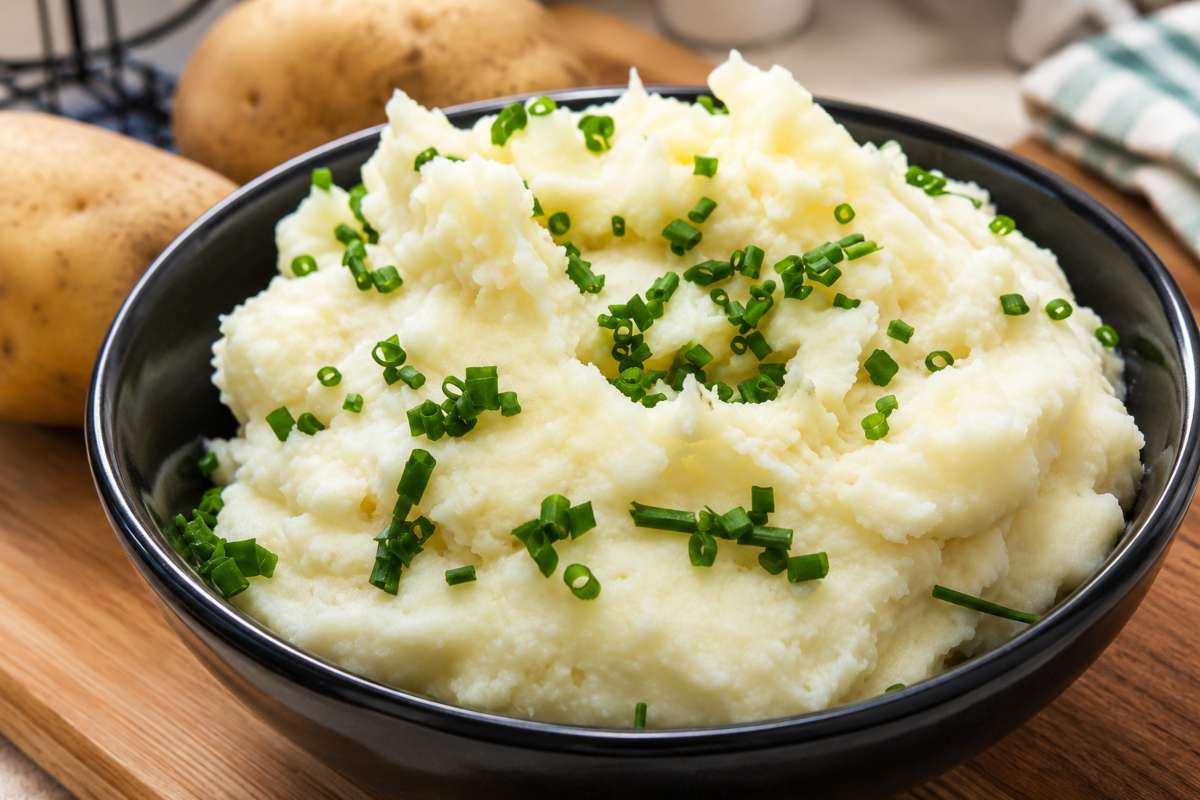
For a lower-carb dinner, our Air Roasted Vegetables, roasted in the same seasoning style as the fish, give you a complete meal on two trays. The Creamy Mashed Potatoes are the comfort option when you want something more substantial, and the Easy Cucumber Tomato Salad is the light, refreshing contrast when it is too warm for anything heavy.
Crusty bread alongside the tomato sauce is also worth mentioning, it is one of the better uses of sauce that would otherwise be left on the plate.
How to Store and Reheat Leftovers
Baked basa fillet is genuinely best eaten immediately. The texture at peak, flaky, tender, just pulled from the oven, doesn’t fully survive refrigeration. That said, here’s how to handle it when you have leftovers:
Refrigerate cooked fillets and sauce in separate airtight containers. The fish keeps for up to 2 days; the tomato sauce keeps for up to 4. The sauce actually improves overnight as the flavours develop, which makes it worth making a larger batch intentionally.
To reheat the fish without making it rubbery, use a covered pan over very low heat, adding a tablespoon of water. The gentle steam reheats the fish without drawing out more moisture. Two to three minutes with the lid on, and it comes back close to its original texture. The microwave works in a pinch but tends to produce a softer, slightly tougher result. If you use it, do so at 60% power in short 45-second intervals.
The tomato sauce freezes well for up to 3 months. Baked fish does not freeze the sauce in portions, then bake fresh fish when ready to serve.
Prep ahead tip
The seasoning mixture can be made the night before and refrigerated. The tomato sauce can also be made a day ahead and reheated. When ready to eat, the only live cooking is 15 minutes in the oven, which means this is actually a faster weeknight recipe than it first appears.
Variations Worth Trying
Once you’re comfortable with the base baked basa fillet recipe, these variations keep it interesting across repeated cooking:
Mediterranean style
Add a tablespoon of capers and a handful of pitted olives to the tomato sauce with the tomatoes. Finish with fresh basil instead of cilantro. The result is punchy, savoury, and more complex than the standard version.
Spicy
Add half a teaspoon of cayenne or a finely chopped fresh chilli to the tomato sauce when the tomatoes go in. Heat and sweet tomato pair well, and both complement the mildness of basa.
Creamy tomato
Stir two tablespoons of double cream or coconut cream into the finished sauce just before spooning it over the fish. The cream rounds out the acidity of the tomatoes, making it richer and more restaurant-style.
Sheet pan version
Rather than making the sauce separately, arrange sliced onion, cherry tomatoes, and garlic around the seasoned fillets on the baking tray. Drizzle everything with olive oil, season, and roast together at 400°F (200°C) for 18–20 minutes. The tomatoes collapse into a rough, naturally sweet roasted sauce that’s genuinely excellent.
Lemon herb
Add 1 teaspoon of dried oregano and 1 teaspoon of dried thyme to the seasoning mixture, then lay thin lemon slices directly on top of the fillets before baking. The lemon juice runs as it bakes, basting the fish and producing a brighter, more herb-forward result.
How This Fits Into a Weekly Meal Plan
The combination of quick cook time, low cost, high protein, and minimal cleanup makes basa fillet one of the better weeknight anchors in a varied meal plan. A single batch of four fillets with the tomato sauce covers dinner for a family. It provides leftovers for a quick lunch the next day. Total active cooking time is under 10 minutes. Total elapsed time is 30 minutes.
For other dinners this week that follow the same quick, high-protein logic, our Chicken Stir Fry uses the same principle, prep the components, high heat, fast result, while our Whole Tilapia in Air Fryer is the seafood alternative for days when you want something slightly different but just as fast. And our Grilled Fish with Shrimp is worth bookmarking for weekends when you have slightly more time and want to use the grill.
You can also find our other delicious recipes on Devine Dishes:
Frequently Asked Questions (FAQs)
How long should I cook a basa fillet in the oven?
At 375°F (190°C), a standard basa fillet (1.5–2cm thick) takes approximately 15 minutes. Thinner fillets need 12–13 minutes, thicker fillets up to 18 minutes. The reliable test is the fork: press gently on the thickest part. If the flesh separates into clean opaque flakes without resistance, it’s done. The internal temperature should read 145°F (63°C) at the thickest point.
Does basa fillet need to be flipped when baking?
No. Basa is a delicate fish, and flipping it mid bake risks the fillet breaking apart. The oven’s ambient heat cooks it evenly from all sides without flipping. The only exception is an unusually thick fillet over 1 inch, in that case, a careful flip at the halfway point can help ensure even cooking.
Why is my baked basa watery?
Two likely causes: the fillet wasn’t patted dry before seasoning, so surface moisture created steam during baking; or the fillets were placed too close together on the tray, trapping steam between them. Pat completely dry before adding the seasoning mixture, and leave space between each fillet on the tray. Both steps together almost always eliminate the watery result.
Can I cook basa fillet from frozen?
Yes. Bake at 375°F (190°C) for 22–25 minutes for a standard-thickness frozen fillet. The texture is noticeably better when the fish is thawed first and patted dry. If time allows, overnight refrigerated thawing produces the cleanest result. For a quick thaw, submerge the sealed pack in cold water for 30–45 minutes.
What temperature should basa be cooked to?
The safe internal temperature for cooked fish, including basa, is 145°F (63°C). At this temperature, the flesh is fully opaque, flakes easily at the fork test, and any harmful bacteria have been eliminated. If you don’t have a thermometer, use the fork and opacity method described throughout this post, it’s a reliable visual indicator.
Is basa a healthy fish to eat?
Yes. Basa is a lean protein source that is low in calories, contains all nine essential amino acids, and provides meaningful amounts of B vitamins, selenium, and phosphorus. It contains omega-3 fatty acids (DHA and EPA) at moderate levels, less than salmon or mackerel but more than zero. The American Heart Association recommends at least two fish servings per week, and basa qualifies. Baked rather than fried and served with a vegetable-based sauce, this recipe is one of the healthier ways to prepare it.
Can I substitute another fish in this recipe?
Yes. Cod, haddock, tilapia, pollock, and catfish all work with the same seasoning mixture and cooking method. Cod is slightly thicker and may need 2–3 extra minutes. Tilapia is thinner and may need a minute less. All are valid substitutes that retain the dish’s character.
Why does my basa fillet taste earthy or muddy?
Basa is a catfish, and like all catfish, it can occasionally carry a mild, earthy note depending on its diet during farming. If you notice this, soak the fillets in cold salted water or a diluted lemon juice solution for 20–30 minutes before cooking, then rinse and pat dry. Bold seasonings like paprika, garlic, and lemon, which this recipe uses, also effectively counterbalance the earthiness without masking the fish entirely.
Can I make this recipe gluten free?
The recipe is gluten-free as written. The seasoning, fish, olive oil, and tomato sauce contain no gluten ingredients. If serving over pasta, substitute gluten-free pasta. Served over rice or with vegetables, no modifications are needed.
How do I stop the basa from sticking to the tray?
Line the tray with parchment paper, this is the most reliable solution. If using foil, oil the surface that contacts the fish before placing the fillets down. Placing unseasoned fish directly on an unlined metal tray almost always results in sticking and tearing when you try to transfer the cooked fillet.
Can I add vegetables to the baking tray?
Yes, and this is one of the most practical ways to turn this into a complete one-tray dinner. Cherry tomatoes, courgette, asparagus, and thinly sliced bell peppers all roast in roughly the same time as the basa. Arrange them around the fish, drizzle with olive oil, season, and bake as normal. The vegetables absorb the spiced oil from the fish as everything roasts together, producing a natural tray sauce.






1 Comment. Leave new
Light, tender, and packed with flavor. The simple tomato sauce complements the mild fish beautifully, making this a quick and satisfying weeknight dinner.🐟🍅