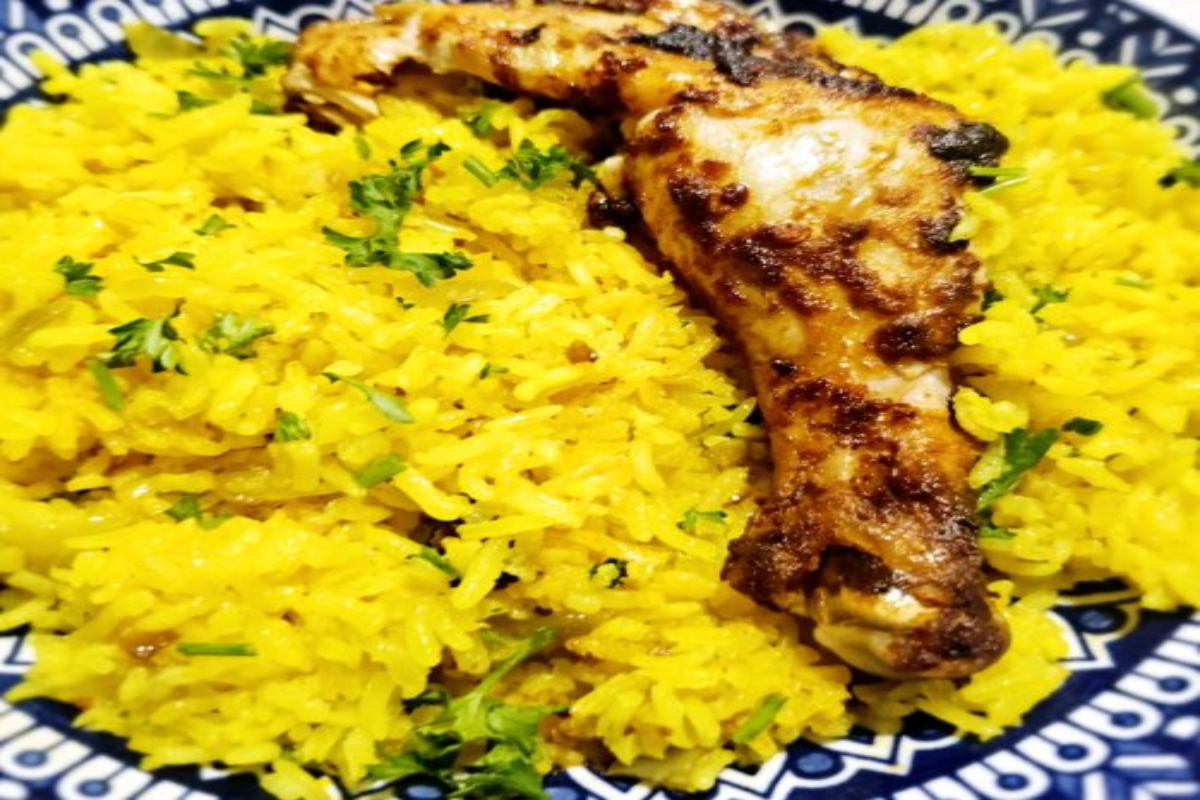
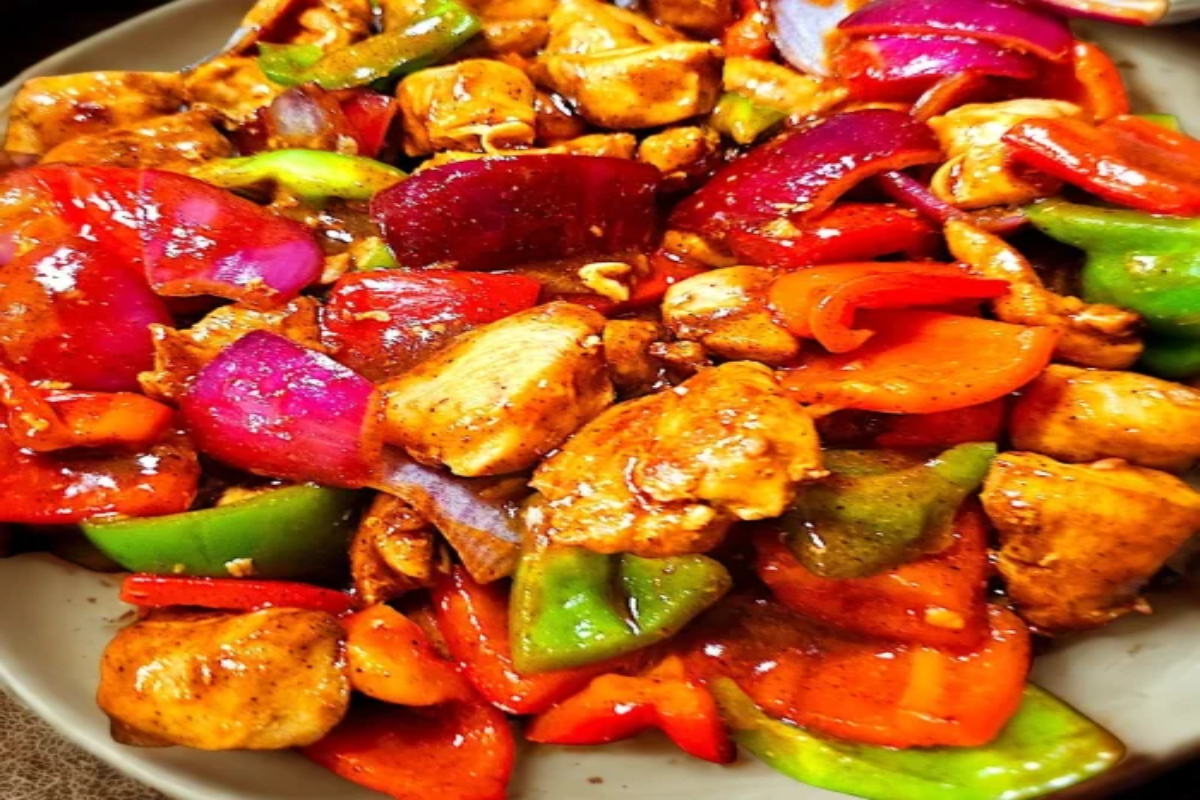
You know that moment when you open the lid of a pot and a cloud of fragrant steam hits you before you’ve even seen what’s inside? That’s exactly what happens with this turmeric rice. The cardamom and cloves bloom in the butter, the basmati toasts in that golden spiced oil, and by the time the water goes in, the whole kitchen smells incredible. This isn’t your average seasoned rice. It’s a turmeric rice recipe built around a technique that South Asian and Middle Eastern home cooks have been using for generations, blooming whole spices in fat before anything else goes into the pot. That single step is what separates genuinely fragrant turmeric rice from plain rice tinted with turmeric. Ready in 25 minutes. One pot. Eight ingredients. And it pairs with almost everything, curries, grilled meat, roasted vegetables, dal, fish, or just a fried egg on a weeknight when you want something that feels properly cooked rather than just functional. Whether you’re making this for the first time or looking to sharpen a version you’ve been making for years, this updated guide covers everything: the technique, the science, the variations, the storage, and every question we get asked about how to make yellow rice with turmeric that actually looks and tastes the part.
Turmeric Rice Recipe Overview
| Feature | Details |
|---|---|
| Recipe Name | Turmeric Rice |
| Course | Side Dish, Dinner, Lunch |
| Cuisine | Indian, Middle Eastern |
| Difficulty Level | Easy |
| Prep Time | 5 minutes |
| Cook Time | 20 minutes |
| Total Time | 25 minutes |
| Servings | 4 people |
| Calories per Serving | 419 kcal |
| Main Ingredients | Basmati Rice, Turmeric, Coconut Oil, Butter, Cardamom, Cloves |
| Diet Type | Vegetarian (Vegan if butter replaced with oil) |
| Storage | Refrigerate up to 4 days, reheat with a splash of water |
| Best Served With | Curries, Grilled Chicken, or Roasted Vegetables |
| Flavor Profile | Warm, aromatic, and slightly nutty with subtle spice notes |
What Makes This Turmeric Rice Recipe Different
Plenty of turmeric rice recipes online produce pale, mildly yellow rice with a faint earthy note, and that’s fine, but it’s not what this recipe does. The combination of coconut oil and butter as the fat base, whole cardamom pods crushed slightly to open up, and cloves toasted until they just begin to pop, that’s what gives this version its depth. You’re not just coloring rice with turmeric. You’re building a spiced oil that the rice then absorbs as it cooks.
Toasting the rinsed rice directly in that spiced fat for a full two minutes before adding the water is the second non-negotiable step. Each grain gets coated individually, which does two things: it seals the surface of the rice so the grains stay separate during cooking, and it drives off any residual moisture from rinsing, which means the water-to-rice ratio works exactly as intended. Skip this step, and you’ll still get good rice, but you won’t get great rice.
Rice and turmeric together have also become one of the most searched food pairings in the anti-inflammatory diet space, and for good reason. But more on that below.
How to Make the Best Turmeric Rice
Ingredients You’ll Need

- 2 cups basmati rice for the best fluffy texture
- 3 cups water
- 1 tbsp coconut oil adds subtle richness
- 1 tbsp butter for a creamy, savory finish
- 6 cloves
- 3 cardamom pods slightly crushed for maximum flavor
- ¾ tsp turmeric powder gives the rice its signature yellow color
- Salt, to taste
Ingredient Notes: What Each One Is Doing
- Basmati rice is the only rice that makes sense here. The long, slender grain structure means each piece stays separate rather than clumping, and basmati has a natural nutty fragrance that complements rather than clashes with spices. Aged basmati (usually labeled as such at Indian or South Asian grocery stores) is even better, it’s drier and absorbs liquid more cleanly.
- Coconut oil and butter together create a better fat base than either alone. Coconut oil has a higher smoke point, which means the spices can bloom without burning. Butter adds richness and a savory roundness that coconut oil alone doesn’t deliver. If you want to make this fully vegan, use two tablespoons of coconut oil and skip the butter, it still works well, just with a slightly different flavor profile.
- Whole cloves are stronger than they look. Six might seem like a lot, but they’re not all releasing flavor at the same intensity, the ones that crack open in the oil will contribute more. The mild ones left intact add a background warmth. Remove them before serving if you like (or leave them in and warn people to watch out for them, they’re easy to spot).
- Cardamom pods slightly crushed This is worth doing properly. Use the flat side of your knife to press down on each pod until it cracks but doesn’t split completely apart. That crack is what allows the seeds inside to release their aromatic oils into the fat. Whole, uncracked cardamom barely contributes anything. Fully split cardamom seeds fall out, and the flavor becomes harsh rather than floral.
- Turmeric powder at ¾ teaspoon for 2 cups of rice gives a rich golden color without the bitter edge that comes from using too much. If your turmeric has been in the cupboard for more than a year, it’s likely lost its potency and vibrancy, replace it. Fresh turmeric powder has a warm, slightly peppery smell when you open the jar.
Step by Step Instructions For This Turmeric Rice Recipe
Step 1: Rinse the Rice
Rinse the basmati rice under cold water several times until the water runs clear. This removes excess starch, keeping your turmeric rice light and fluffy rather than sticky.
Step 2: Toast the Spices
In a medium saucepan, melt the coconut oil and butter over medium heat. Add the cloves and slightly crushed cardamom pods. Cook for about a minute until fragrant. This step deepens the flavor base.
Step 3: Add Turmeric and Rice
Stir in the turmeric powder, then add the rinsed rice. Stir for 1–2 minutes, coating each grain with the golden, spiced oil mixture.
Step 4: Simmer
Pour in the 3 cups of water and season with salt. Get to a full boil, then reduce the heat to low. Cover tightly and let it simmer for 15 minutes.
Step 5: Rest and Fluff
Turn off the heat and let the pot rest (covered) for 5–10 minutes. Then fluff the rice gently with a fork to separate the grains. Your fluffy turmeric rice is ready to serve!
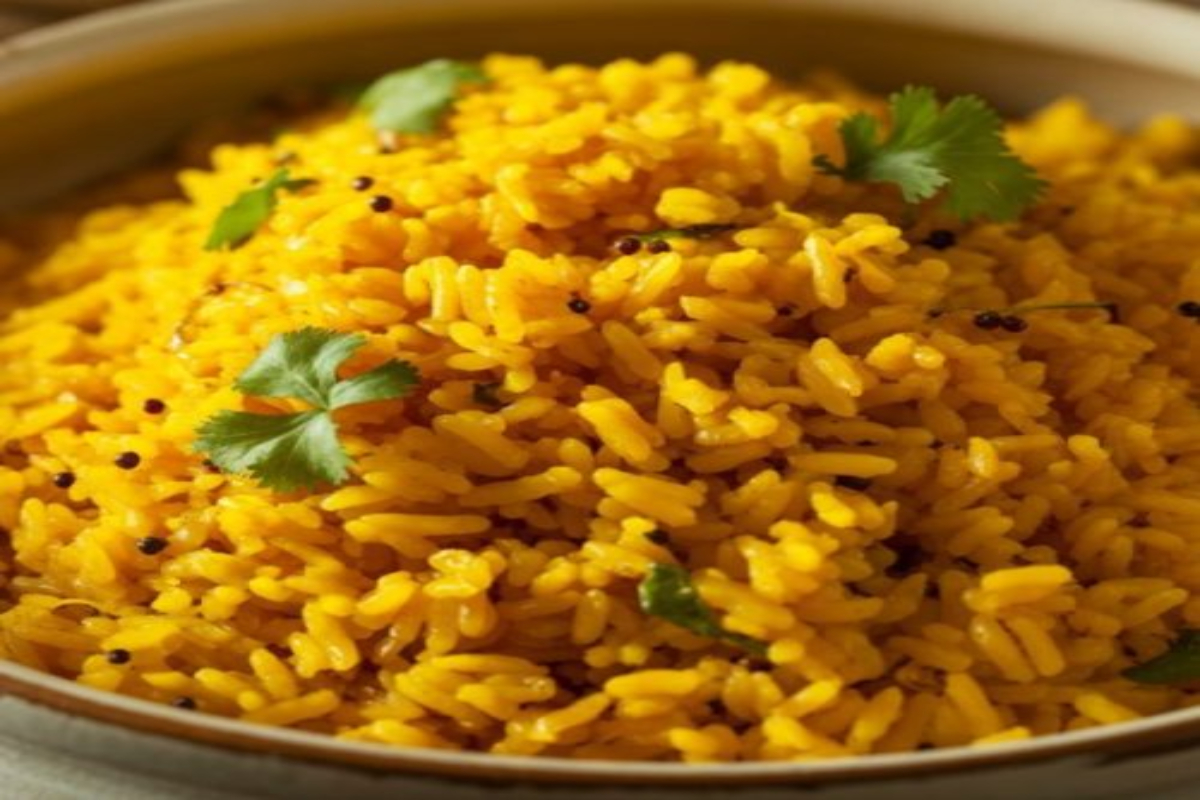
Best Turmeric Rice Recipe Fluffy, Fragrant and Easy Golden Rice
Ingredients
- 2 cups basmati rice
- 3 cups water
- 1 tbsp coconut oil
- 1 tbsp butter
- 6 cloves
- 3 cardamon slightly crushed for maximum flavor
- 3/4 tsp tumeric
- salt to taste
Instructions
- Rinse the basmati rice under cold water until the water runs clear. Drain well.
- In a medium saucepan, melt the coconut oil and butter over medium heat. Add the cloves and the slightly crushed cardamom pods. Cook for about 1 minute until the spices are wonderfully fragrant.
- Stir in the turmeric, then add the rinsed rice. Stir well for 1-2 minutes until every grain is coated in the golden oil mixture.
- Pour in the 3 cups of water and add salt to taste. Bring the mixture to a full, rolling boil over high heat.
- Immediately reduce the heat to the lowest setting, cover the pot tightly, and let it simmer for 15 minutes.
- Remove the pot from the heat and let it rest, still covered, for 5-10 minutes. Use a fork to gently fluff the rice before serving.
Nutrition
Broth vs. Water: Does It Make a Difference?
Short answer, yes, noticeably. If you want to push this from a great side dish to something that tastes genuinely restaurant-level, replace the 3 cups of water with chicken broth or vegetable broth. The broth adds a background savory depth that water simply can’t replicate, and it interacts with the spices differently, softening the sharpness of the cloves and making the cardamom flavor rounder.
If you use broth, cut back on the added salt significantly, since most broths already contain sodium. Start with a pinch and taste after cooking. Low-sodium broth gives you the most control.
Coconut milk is another option. Replace 1 cup of the water with full-fat coconut milk and keep the remaining 2 cups of water. The result is creamier, subtly sweet, and works particularly well with fish dishes and coconut-based curries. This is the version we love pairing with our Easy Creamy Coconut Chicken.
How to Make Yellow Rice With Turmeric in a Rice Cooker
The stovetop version is what we recommend for the best flavor, the blooming step and the ability to control heat more directly make a real difference. But if a rice cooker is your reliable tool, here’s how to adapt it without losing the technique that makes this recipe special:
Do the spice-blooming step on the stovetop first. Heat the coconut oil and butter together in a small pan, add the cloves and crushed cardamom pods, and cook for a minute until fragrant. Add the turmeric and stir once. Then transfer that spiced oil to your rice cooker along with the rinsed rice and water. The rice cooker handles the rest.
Skipping the blooming step and just adding all ingredients directly to the rice cooker still produces golden, spiced rice, but the cardamom and cloves don’t release their oils nearly as effectively in liquid as they do in hot fat. The extra five minutes on the stovetop first is worth it.
Expanded Turmeric Rice Variations Worth Trying in 2026
The base recipe above is genuinely excellent on its own. These variations build on it without complicating it:
Garlic Turmeric Rice Recipe
Add 3–4 minced garlic cloves directly after the spices bloom, before the turmeric goes in. Let the garlic sizzle in the spiced oil for about 30 seconds until it just turns golden at the edges, then proceed as normal. This version pairs especially well with grilled meats and kebabs. You can also find it paired beautifully with our Easy Juicy Chicken Shawarma.
Coconut Turmeric Rice Recipe
Replace 1 cup of the water with coconut milk (carton-style, not canned, canned is too thick and can make the rice dense). Finish with a few fresh cilantro leaves on top. The coconut adds sweetness and creaminess without making the dish feel heavy.
Middle Eastern Style Golden Rice
Add a small stick of cinnamon to the spice bloom alongside the cardamom and cloves. A pinch of ground allspice and a handful of toasted pine nuts scattered over the top before serving transforms this into something that could sit beside a Middle Eastern feast without looking out of place. The flavors here complement our Step-by-Step Chicken Biryani Recipe beautifully.
Vegetable Turmeric Rice Recipe
Sauté a diced onion with the spices before adding the rice. Toss in a small handful of frozen peas, diced carrots, or thinly sliced bell peppers during the last 5 minutes of cooking. The vegetables steam into the rice in the final minutes without getting mushy, and the turmeric coats them in a gorgeous gold.
Nutty, Fruity Pilaf Version
Toast a small handful of flaked almonds or pine nuts in the spiced butter until golden before adding the rice. Stir in a tablespoon of raisins or dried apricot pieces with the water. The contrast between the sweet fruit, crunchy nuts, and fragrant spiced rice is one of those combinations that’s hard to explain until you’ve tasted it. This is a version popular across Persian and North African rice dishes and it works brilliantly alongside grilled lamb or roasted vegetables.
Turmeric Rice and Health: What the Current Research Says
Rice and turmeric are a combination that’s earned genuine attention in the wellness space, not just as a food trend but based on research into curcumin, turmeric’s primary, Curcumin, an active component, has been examined for its abilities to combat oxidative stress and reduce inflammation, and while the concentration in a serving of turmeric rice is modest, it’s a consistent, low-effort way to regularly include it in the diet.
One key detail that makes a real difference nutritionally, curcumin’s bioavailability, meaning how well your body actually absorbs it, increases significantly when consumed alongside fat. This recipe already uses both coconut oil and butter, which is why the spice-in-fat blooming step matters from both a health and a culinary perspective. Adding a small pinch of black pepper to the pot alongside the turmeric further increases absorption, as piperine (the compound in black pepper) has been shown to enhance curcumin absorption by a meaningful margin. It won’t affect the flavor noticeably in a small quantity.
Basmati rice, the base of this turmeric rice recipe, also has a lower glycemic index than many other white rice varieties, meaning it raises blood sugar levels more gradually than standard long-grain or short-grain white rice. For anyone managing blood sugar or simply interested in the quality of their energy from carbohydrates, basmati is a genuinely better choice.
This dish is also naturally gluten-free and vegetarian. To make it fully vegan, swap the butter for additional coconut oil or a good plant-based butter alternative.
What to Serve With Turmeric Rice
This is where the recipe earns its reputation. The results of this simple turmeric rice recipe are best appreciated when paired with something saucy or richly spiced, the rice absorbs flavors from whatever it’s served alongside, and the golden color makes any plate look significantly more appealing.
With Chicken Turmeric Rice Recipe
Our Dairy-Free Butter Chicken Recipe spooned over this turmeric basmati is one of those combinations that tastes like it took far more effort than it did. The creamy tomato sauce soaks into the spiced rice grains beautifully. For something quicker, the Lemongrass Chicken Recipe works just as well, the citrusy, fragrant chicken and this golden rice are made for each other.
With Curry and Lentils Turmeric Rice Recipe
Serve this alongside our Simple Yellow Lentil Soup for a complete vegetarian meal that’s properly satisfying. The turmeric in both dishes creates a visual and flavor coherence on the plate that feels intentional rather than accidental.
With Vegetables Turmeric Rice Recipe
Roasted or air-fried vegetables over this rice make a fast weeknight dinner that doesn’t feel like a compromise. Our Air Roasted Vegetables are particularly good here, the caramelized edges on the vegetables contrast nicely with the soft rice underneath.
With Fish and Seafood Turmeric Rice Recipe
Turmeric and fish is a classic pairing across Indian, African, and Southeast Asian cuisines. Serve this rice alongside our Honey Baked Soy Sauce Tilapia or our Whole Tilapia. The earthy warmth of the rice plays off the sweet-savory fish perfectly.
With Rice Bowl Builds
Use this as the base of a grain bowl with whatever you have, sliced avocado, a soft-boiled egg, some cucumber, a spoon of yogurt or tahini. The turmeric rice does the heavy lifting flavor-wise and makes even a simple combination feel complete. You can also try it alongside our One-Pot Chicken and Rice when you want a heartier option.
Storage, Freezing, and Reheating Guide
Turmeric rice recipe is one of the best batch-cook staples because it holds up beautifully across several days and reheats without losing its quality.
Fridge storage:
Cool the rice completely before storing. Never put hot rice directly in the fridge, as the steam can trap and cause texture problems. Spread it on a baking tray or large plate if you need to cool it quickly. Once cool, store in an airtight container. Glass containers are recommended, as turmeric will permanently stain plastic. Keeps well for up to 4 days.
Freezing:
Portion cooled rice into zip-lock bags, press out the air, and freeze for up to 3 months. Labeled with the date, a flat bag of frozen turmeric rice is one of the most useful things you can have in the freezer for quick weeknight dinners.
Reheating on the stovetop:
Add the rice to a saucepan with 2 tablespoons of water per cup of rice. Cover and heat on low for 4–5 minutes, stirring once halfway. The steam revives the texture without drying it out.
Reheating in the microwave:
Transfer to a microwave-safe bowl, add a splash of water, cover with a damp paper towel, and microwave in 60-second bursts, stirring between each, until heated through. The damp paper towel is important, it creates steam and keeps the rice from drying to a hard crust.
From frozen:
Defrost overnight in the fridge before reheating as above, or reheat from frozen in the microwave by adding a bit more water and increasing the cooking time in 60-second intervals.
Expert Tips for Perfect Turmeric Rice Every Time
- Rinse, and rinse again. The water should run completely clear before you stop. This isn’t optional, it’s the difference between fluffy individual grains and a gummy, clumped pot. For basmati, 3–4 thorough rinses are usually enough.
- Don’t rush the spice bloom. One full minute of cooking the cloves and cardamom in the fat, with the heat properly at medium, not high. You’ll smell when they’re ready, a warm, woody, almost sweet fragrance. If the fat smokes before that smell comes, your heat is too high.
- The rest period is non-negotiable. After 15 minutes of simmering, the rice may look done on the surface, but the centers of each grain are still cooking. The 5–10 minute rest with the lid on (heat completely off) is when that final internal steam completes the cooking. Fluff it immediately after resting, not before.
- Don’t lift the lid during cooking. Every time you peek, you release steam and alter the pressure dynamics inside the pot. Set a timer and trust the process.
- Season the water, not just the surface. Add your salt to the water before it boils. Rice absorbs seasoning during cooking, salting after the fact only seasons the outside.
Common Problems With Your Turmeric Rice Recipe
The rice is mushy or wet:
Too much liquid or the heat was too high, and the water boiled off before the rice absorbed it properly. For 2 cups of basmati, use 3 cups of water. If your rice is consistently wet, try 2¾ cups next time.
The rice is undercooked or crunchy in the center:
The heat was too high during simmering (water evaporated before the rice could absorb it), or the pot lid wasn’t sealing well. Add 2–3 tablespoons of warm water, replace the lid, and cook on the lowest setting for another 5 minutes.
The color is dull yellow rather than vibrant gold:
Old turmeric is almost certainly the cause. Turmeric loses its color potency after about a year. Fresh powder should be intensely yellow-orange, not pale mustard. Also, make sure you’re stirring the turmeric into the spiced fat before adding the rice, it needs to coat the grains directly in that fat.
The spices burned:
The pan was too hot before the fat went in, or the fat wasn’t fully melted before the spices were added. Start with cold fat, let it melt completely, then add the spices. Medium heat throughout.
The grains are clumped together:
Rice wasn’t rinsed thoroughly, or the resting step was skipped. Always rinse until clear and always rest after cooking before fluffing.
Final Thoughts
This turmeric rice recipe has earned its place at the table because it genuinely delivers on every promise, the color, aroma, texture, and versatility. It’s a recipe that rewards a little attention to technique but doesn’t demand expertise or special equipment. The spice bloom takes one minute. The rice-coating step takes two. The rest of the work is patience. And the result is a pot of golden, fragrant rice and turmeric that makes any meal it accompanies feel considered and intentional. Make it once, and you’ll understand why it becomes the automatic choice every time you need a rice side dish that does more than just fill space on the plate.
Tried this? Drop a comment below, especially if you tried a variation or found a pairing that worked particularly well. We read everything and genuinely love hearing about it.
Also, try our other recipes:
Frequently Asked Questions (FAQs)
What does turmeric rice taste like?
Earthy and warm, with floral notes from the cardamom and a subtle background sharpness from the cloves. The turmeric itself contributes color and a mild peppery earthiness rather than a dominant flavor. The overall taste is fragrant and complex without being spicy or overpowering, which is why it works alongside such a wide range of main dishes.
Is turmeric rice the same as yellow rice?
Essentially, yes. Yellow rice gets its color from turmeric in most contemporary recipes. Traditionally, some versions use saffron (which gives a purer golden hue and a more delicate flavor). Still, turmeric is the far more accessible and affordable option and produces an excellent result in its own right.
How to make yellow rice with turmeric that isn’t bitter?
Use the right amount – ¾ teaspoon per 2 cups of rice is the sweet spot. Always briefly sauté the turmeric in fat before adding water; cooking it in oil or butter mellows its raw edge and develops its flavor. Stale turmeric can also contribute bitterness, so make sure yours is reasonably fresh.
Can I make this simple turmeric rice recipe without basmati?
You can. Jasmine rice yields a softer, slightly stickier result that pairs well with more coconut-based dishes. Long-grain white rice works too, though it’s less fragrant. If substituting, reduce the water by about ¼ cup per cup of rice for jasmine, since it absorbs differently than basmati.
Can I use fresh turmeric instead of powder?
Yes, but it needs a different approach. Grate about a tablespoon of fresh turmeric root and add it with the minced garlic (if using), before the spices. It produces a slightly more intense, complex flavor and a deeper orange-gold color. Be careful, fresh turmeric stains everything it touches, including your hands and cutting board.
How long does turmeric rice keep in the fridge?
Up to 4 days in an airtight glass container. Rice should always be completely cooled before refrigerating and should not be left at room temperature for more than 2 hours after cooking.
Do I need to remove the cloves and cardamom pods before serving?
It’s a good idea. The whole spices aren’t pleasant to bite into, cardamom pods especially have a very intense, almost piney flavor when chewed. When fluffing the rice after resting, run your fork through and fish out the spices as you go. They tend to float near the top since they’re lighter than the rice grains.
Can I make this in an Instant Pot?
Yes. Use a 1:1.25 rice-to-water ratio (so for 2 cups of rice, use 2.5 cups of water). Do the spice bloom on the sauté function first, then add the rice and water, seal the lid, and cook on high pressure for 6 minutes. Give it 10 minutes to naturally release pressure before opening.
Is turmeric rice good for meal prep?
It’s one of the best options for weekly batch cooking. It reheats well, tastes good at room temperature in rice bowls or salads, and freezes excellently. Make a double batch on the weekend, and you have a flavor-packed base for meals throughout the week.
What is the best rice for turmeric rice?
Aged basmati is the top choice. The dried, aged grains absorb liquid more cleanly and produce more distinct, separate grains than fresh basmati or other varieties. If you can find it at a South Asian grocery store, the quality difference is noticeable.