For mixed batches with vegetables of different densities, either cut the denser pieces smaller. Hence, they finish in the same window as softer ones, or add quicker-cooking vegetables to the basket partway through rather than at the start. Celsius & Fahrenheit Conversion Table
| Vegetable |
Temperature |
Time |
| Potatoes, carrots, beets |
400°F |
15–18 min |
| Broccoli, cauliflower |
375°F |
12–15 min |
| Bell peppers, onions |
400°F |
10–12 min |
| Zucchini, squash |
375°F |
10–12 min |
| Asparagus, green beans |
375°F |
8–10 min |
For readers working in Celsius, the two most common air fryer roasting temperatures convert as follows:
| Fahrenheit |
Celsius |
| 375°F |
190°C |
| 400°F |
200°C |
These are rounded to the nearest standard air fryer dial setting, since most models increment in 5°C or 25°F steps rather than exact conversions.
Best Vegetables to Roast in an Air Fryer
The best vegetables to roast in an air fryer are the ones that naturally caramelize well under high, dry heat. Dense root vegetables and moderately firm vegetables, such as peppers and zucchini, both perform reliably. However, each category needs slightly different handling to get the timing right.
Root Vegetables (carrots, potatoes, beets, parsnips)
Root vegetables are the best-suited category for air-fryer roasting, since their low moisture content and high starch or sugar content allow them to develop a deeply caramelized exterior without turning mushy. Carrots and parsnips roast especially well because their natural sugars concentrate and brown at the surface, producing a slightly sweet, almost candied edge.
Potatoes need a bit more attention: cut them into uniform 3/4-inch to 1-inch pieces and give the basket a shake every 5–6 minutes to prevent the flat sides from sticking or cooking unevenly. Beets take the longest in this group, often 18–20 minutes, because their density is higher than that of carrots or potatoes of the same size.
Quick-Cooking Vegetables (zucchini, peppers, asparagus)
Quick-cooking vegetables roast in roughly half the time of root vegetables, usually 8–12 minutes, since their higher water content and thinner structure heat through fast. The risk with this category isn’t undercooking, it’s overcooking, since a minute or two too long turns zucchini and asparagus limp rather than tender-crisp.
Bell peppers are the most forgiving of the three, holding their shape and texture even with slightly longer cook times, which makes them a good addition to a mixed batch. Asparagus benefits from a slightly lower temperature, around 375°F, to avoid the tips burning before the stalks finish cooking.
Mixed Vegetable Medleys
Mixed medleys work well in an air fryer as long as the vegetables are grouped by cook time rather than tossed in all at once. Pairing a root vegetable with a quick-cooking one, carrots and bell peppers, for example, usually requires staggering the cook, adding the faster vegetable to the basket 5–6 minutes after the denser one has already started.
Cutting all pieces to a similar size, even across different vegetables, also narrows the gap in cooking time and reduces the amount of staggering needed. Pre-cut frozen vegetable medleys sidestep this issue entirely, since they’re typically cut to a uniform size before packaging, which is part of why they’re a popular shortcut for a fast, no-prep side dish.
Roasting Frozen Vegetables in the Air Fryer
Frozen vegetables can go straight from the freezer into the air fryer without thawing, making this one of the fastest ways to get a roasted side dish on the table. The air fryer’s high, direct heat cooks off surface ice quickly enough that frozen vegetables still crisp up, though with a slightly longer cook time than fresh ones.
Do You Need to Thaw Frozen Vegetables First?
No, thawing frozen vegetables before air frying is unnecessary and can actually make the results worse. Thawed vegetables release extra moisture as they sit, and that excess water tends to steam the vegetables in the basket rather than let them roast, leading to a softer, less caramelized result.
Cooking vegetables directly from frozen lets the air fryer’s fan evaporate surface moisture as it heats, which is part of why frozen vegetables can still develop a crisp edge despite starting icy. The one exception is vegetables in a heavy sauce or glaze, which sometimes benefit from a quick thaw so the sauce doesn’t pool and prevent browning.
Adjusted Time & Temperature for Frozen
Frozen vegetables generally need 3–5 minutes longer than the equivalent fresh vegetables at the same temperature, since the air fryer first has to bring them up to room temperature before roasting can really begin. At 400°F, most frozen vegetable blends are done in 15–20 minutes, compared to 10–15 minutes for a similar fresh mix.
Shaking the basket halfway through matters even more with frozen vegetables than with fresh, since ice crystals can cause pieces to clump together and cook unevenly if left undisturbed. Checking for doneness a few minutes before the estimated time is also worth doing, since freezer brands vary in how they cut and pre-treat vegetables, which affects how quickly they roast.
Flavor Variations
The base air fryer roasted vegetables recipe adapts easily to different flavor profiles, since the cooking method stays the same and only the seasoning or glaze changes. These three variations are among the most requested, each suited to a different type of vegetable and occasion.
Balsamic Roasted Vegetables
Balsamic vinegar adds a tangy sweetness that pairs especially well with root vegetables and Brussels sprouts, as its acidity balances their natural earthiness. Toss the vegetables in olive oil and seasoning as usual, then drizzle 1–2 tablespoons of balsamic vinegar over them either before cooking or during the final 2–3 minutes in the basket.
Adding it too early can cause the vinegar’s sugars to burn at 400°F, so many cooks prefer to toss it in partway through rather than at the start, letting it reduce slightly without scorching. A drizzle of balsamic glaze after cooking, rather than raw vinegar, is a common workaround that avoids the burning issue entirely while still delivering the same flavor.
Honey Roasted Vegetables
Honey works best with vegetables that already lean sweet, like carrots, parsnips, and butternut squash, amplifying their natural caramelization rather than fighting against it. Because honey burns easily at high heat, it’s best added in the last 3–5 minutes of cooking rather than mixed in with the initial oil and seasoning; a light brush or drizzle at that point gives the vegetables a glossy, caramelized finish without the honey scorching to a bitter char. A small pinch of chili flakes or a squeeze of lemon at the end cuts through the sweetness and keeps the dish from tasting one-note.
Mediterranean-Style Roasted Vegetables
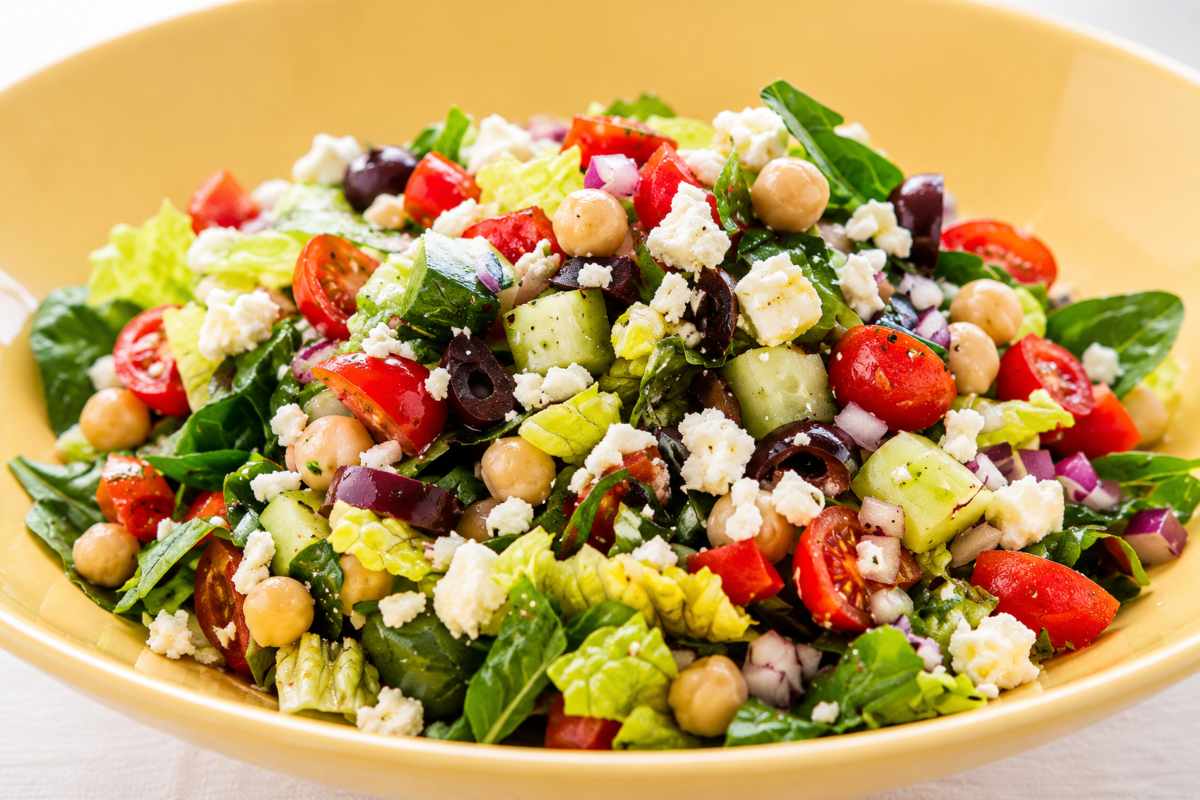
Mediterranean-style roasted vegetables lean on herbs and acidity rather than sweetness, typically combining zucchini, bell peppers, red onion, and cherry tomatoes with olive oil, oregano, and a finish of lemon juice or crumbled feta. This combination works well in an air fryer because the vegetables share a similar cook time, roughly 10–12 minutes at 375°F, so that they can go into the basket together without staggering. Adding feta or olives after cooking, rather than before, keeps them from breaking down or over-browning under the direct heat, preserving their texture as a finishing touch rather than a cooked-in ingredient.
Tips for Perfectly Crispy, Evenly Roasted Vegetables
The difference between crispy air-fried roasted vegetables and soggy ones almost always comes down to three factors: moisture, oil amount, and basket space. Getting those right matters more than any specific seasoning or temperature tweak.
Avoiding Sogginess
Sogginess in air-fryer-roasted vegetables is caused almost entirely by trapped moisture, either from wet vegetables going into the basket or from overcrowding that blocks air circulation. Patting vegetables dry with a paper towel before tossing them in oil removes surface water that would otherwise turn to steam in the basket, preventing the exterior from crisping.
Vegetables naturally high in water content, like zucchini and mushrooms, are especially prone to this, so salting them lightly and letting them sit for 5–10 minutes before cooking helps draw out excess moisture, which can be blotted away. Skipping the preheat step is another common cause, since vegetables added to a cold basket release moisture gradually as the air fryer heats up rather than searing quickly on contact.
Oil-Free Roasting Tips
Vegetables can be roasted in an air fryer with little to no oil, though a small amount usually still improves browning and prevents sticking. For a lower-oil approach, a light mist of oil from a spray bottle, roughly a quarter of the amount used in tossing, is often enough to coat the surface without adding excess fat, since the goal is a thin film rather than full submersion.
Vegetables with naturally higher fat or sugar content, like eggplant or sweet potatoes, tend to brown reasonably well even without oil, since their own sugars caramelize in the air fryer’s heat. For a completely oil-free result, a light dusting of the seasoning directly on damp vegetables helps it adhere without needing oil as a binder, though the final texture will be slightly less crisp than an oil-tossed batch.
Batch Size & Air Fryer Basket Space
Overcrowding the basket is the single most common reason air-fried or air-fryer-roasted vegetables turn out unevenly cooked or soft rather than crisp. Vegetables need space between pieces for hot air to circulate on all sides; a basket packed more than two layers deep traps steam underneath, essentially boiling the bottom layer while the top layer roasts normally.
As a general guideline, a standard 4- to 6-quart air fryer basket comfortably holds about 4 cups of cut vegetables in a single, mostly unobstructed layer; anything beyond that is better split into two batches. Shaking or flipping the vegetables halfway through helps redistribute pieces even within a properly sized batch, but it can’t fully compensate for an overloaded basket from the start.
How to Store & Reheat Roasted Vegetables
Leftover air fryer roasted vegetables keep well for 3–4 days refrigerated and reheat best in the air fryer itself, which restores the crisp texture that a microwave typically can’t. Proper storage and the right reheating method make the difference between vegetables that taste freshly roasted and ones that turn limp or rubbery.
Reheating in the Air Fryer (Best Method)
The air fryer is the best way to reheat roasted vegetables, since the same hot, circulating air that crisped them originally can re-crisp the exterior rather than just warm them through, which is what a microwave tends to do. Reheat at 350–375°F for 3–5 minutes, shaking the basket once halfway through to ensure even exposure to the heat on all sides.
There’s no need to add extra oil for reheating, since the vegetables retain enough residual coating from the original cook; adding more can make them greasy rather than crisp. Vegetables reheated this way typically come out closer to their original texture than with any other method, since the air fryer re-triggers the same moisture-evaporation process that made them crispy the first time.
Storage Times & Food Safety
Cooked vegetables should be refrigerated within 2 hours of cooking and are safe to eat for 3–4 days when stored in an airtight container, per standard food safety guidance for cooked produce. Storing them in a shallow, wide container rather than a deep one helps them cool faster and more evenly, which reduces the window of time they spend in the temperature range where bacteria grow fastest.
Vegetables can also be frozen for longer storage, typically for 2–3 months. However, texture suffers more from freezing after cooking than from freezing raw, so refrigeration is preferable for anything likely to be eaten within the week. Reheated vegetables shouldn’t be re-refrigerated and reheated a second time, since repeated temperature cycling increases food safety risk and further degrades texture.
Also try our other delicious recipes:
Cabbage Sausage Recipe
Sauteed Mushrooms Recipe
Sausage and Egg Breakfast
Creamed Spinach Recipe
Frequently Asked Questions (FAQ’s)
What temperature do you roast vegetables in an air fryer?
Most vegetables roast best at 375–400°F in an air fryer, with denser vegetables like potatoes and carrots handling the higher end of that range, while more delicate vegetables like zucchini or mushrooms do better closer to 375°F. This range consistently produces a crisp, browned exterior without drying out the vegetables before the inside finishes cooking.
How long does it take to roast vegetables in an air fryer?
Air fryer roasted vegetables typically take 10–18 minutes, depending on density and cut size; quick-cooking vegetables like asparagus or cherry tomatoes finish in under 10 minutes, while root vegetables like potatoes and beets can take closer to 18 minutes. Shaking the basket halfway through helps ensure even cooking throughout the cooking time.
Can you roast frozen vegetables in an air fryer?
Yes, frozen vegetables can be roasted directly in an air fryer without thawing first, which usually adds 3–5 minutes to the cooking time compared to fresh vegetables at the same temperature. Thawing beforehand isn’t necessary and can actually make the vegetables soggier, since thawed vegetables release extra moisture that interferes with crisping.
Does a Ninja or Instant Pot air fryer roast vegetables differently?
Not significantly, Ninja, Instant Pot, and most other major air fryer brands use the same core convection principle, so the same temperatures and times generally apply across brands. Minor differences in basket size, fan strength, or heating element placement can shift cook times by a minute or two, which is why checking vegetables a few minutes before the estimated time is a reasonable habit regardless of brand.
Is air frying healthier than oven roasting?
Air frying vegetables typically uses less oil than oven roasting, often 1–2 teaspoons compared to 2–3 tablespoons for a sheet pan, which can modestly reduce overall fat and calorie content. That said, vegetables are low in fat regardless of method, so the health difference between air frying and oven roasting vegetables specifically is smaller than for foods that absorb more oil, like breaded items.













1 Comment. Leave new
Turned out perfectly crispy and took way less time than roasting in the oven. Will definitely make this again!