
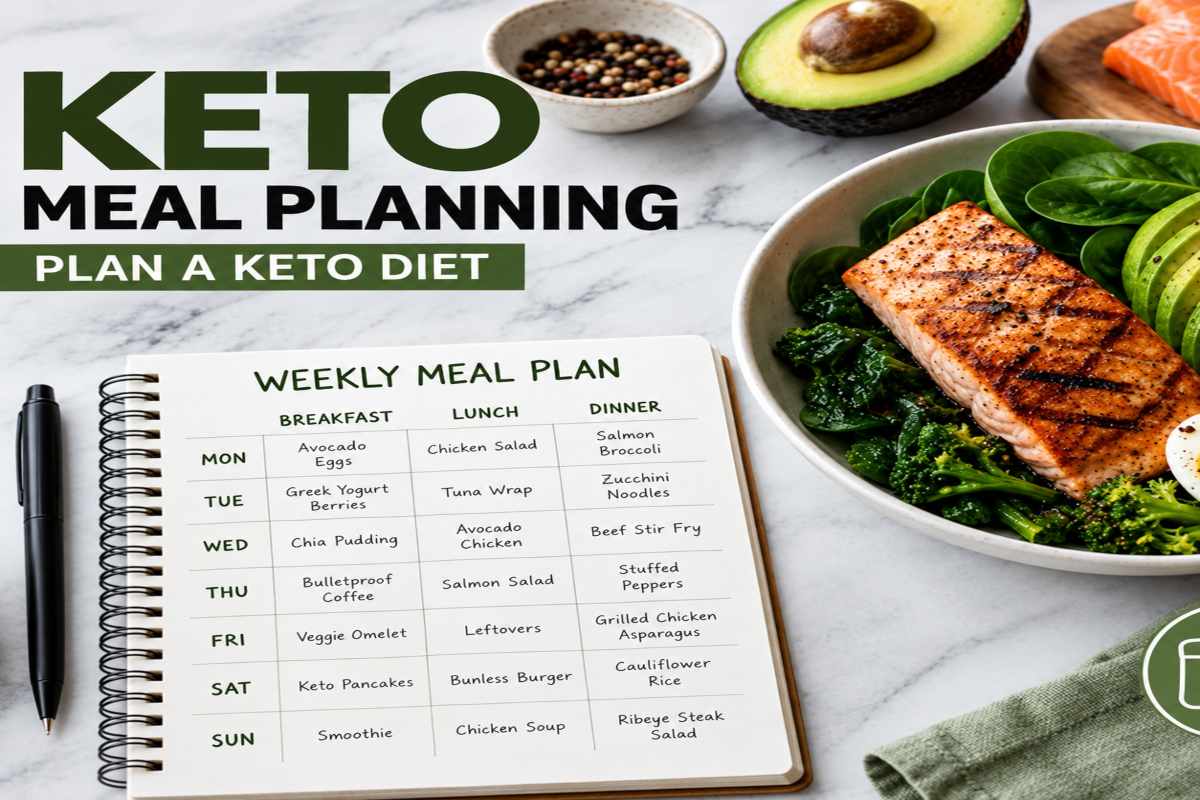
You have probably heard someone at work, at the gym, or even at a dinner table talk about how they dropped 15 pounds in a month by “going keto.” And now you are sitting here wondering whether it is actually as straightforward as people make it sound, or whether there is a catch nobody is telling you about. Keto meal planning is not complicated, but it does require intention. It is not a magic trick. It is a metabolic shift, and like any shift, it works best when you show up prepared. The good news is that once you understand what your body actually needs on a keto diet, the planning part becomes second nature, almost automatic.
This guide is built differently from what you will find elsewhere. It does not just hand you a list of foods and wish you luck. Instead, it walks you through the real mechanics behind a keto diet plan, breaks down what changed nowadays that you need to know, and gives you a practical, week-long roadmap you can follow starting today. Whether you have tried this before or this is your first time exploring the ketogenic lifestyle, what you are about to read will give you more clarity than anything you have come across yet.
What Is a Keto Diet and Why Does It Work?
The keto diet is a high-fat, moderate-protein, and very low-carbohydrate eating pattern. The goal is to shift your body away from relying on glucose (sugar from carbohydrates) for energy and toward burning fat, both dietary fat and stored body fat, as its primary fuel. This metabolic state is called ketosis. To get into ketosis and stay there, most people need to keep their daily net carbohydrate intake between 20 and 50 grams. That is roughly the carb equivalent of one cup of cooked rice, which puts things in perspective quickly.
Here is what makes the keto diet particularly effective, when your body enters ketosis, your liver begins producing molecules called ketone bodies from fat. These ketones fuel the brain, muscles, and organs with impressive efficiency. Many people report that once they adapt to burning fat for fuel, usually within 2 to 4 weeks, they experience more stable energy, reduced hunger throughout the day, and fewer sugar crashes.
Why is this more effective than simply eating less?
Because the keto diet fundamentally changes your hormonal environment. Insulin levels drop dramatically when carbohydrate intake falls. Lower insulin levels mean your body is no longer being told to constantly store fat. Instead, it gets the green light to start burning what it has already stored. That is the core mechanism, and it explains why many people lose weight on keto without obsessively counting every calorie.
Stats You Should Know Before Starting
The science around ketogenic eating has matured considerably. Here is what the current research landscape actually shows:
- The global ketogenic diet market was valued at approximately $13.16 billion in 2025 and is projected to reach $20.75 billion by 2033, reflecting a sustained compound annual growth rate of 5.9%. This is not a fading trend, it is an expanding one, driven by growing awareness around metabolic health, obesity, and type 2 diabetes prevention.
- According to a 2025 systematic database analysis of 290 trials published across 47 countries, the most active research areas for the ketogenic diet include obesity management, exercise performance, and neurological health, including epilepsy. The volume of peer-reviewed research has increased dramatically since 2019, indicating the growing confidence of the scientific community in studying this approach seriously.
- A 2024 Stanford Medicine pilot study found meaningful improvements in metabolic health markers among participants with severe psychiatric conditions who followed a medically supervised ketogenic diet, opening an entirely new conversation about the role of food in brain chemistry and mental health.
- And from a dietary trend standpoint, a key shift happening nowadays is the rise of what practitioners are calling flexible keto. This moderate approach borrows the high-fat, low-carb principles of traditional keto. Still, it allows slightly more room for non-starchy vegetables, plant proteins, and sustainable eating practices. This makes the lifestyle more accessible to people who find strict keto too rigid to maintain long-term.
The Core Macros of a Keto Diet Plan
Before you start keto meal planning, you need to understand how macronutrients are distributed on a ketogenic eating pattern. Getting this wrong is the number one reason people either fail to reach ketosis or fall out of it quickly. Here is the standard macro breakdown for a traditional keto diet plan:
- Fat: 70–75% of total daily calories
- Protein: 20–25% of total daily calories
- Net Carbohydrates: 5–10% of total daily calories (typically under 50g net carbs per day)
Net carbs are calculated by subtracting fiber from total carbohydrates, since fiber does not raise blood sugar or impact ketosis.
A practical example for a 2,000 calorie daily goal
- Fat: approximately 155–165 grams
- Protein: approximately 100–125 grams
- Net Carbs: under 50 grams
Your specific numbers will differ based on your body weight, height, activity level, and health goals. Online macro calculators can help you get a personalized starting point, but for most beginners, keeping net carbs under 30 grams per day for the first two weeks significantly accelerates the transition into ketosis.
What to Eat on a Keto Diet
One of the most common misconceptions about the keto diet is that it is just bacon and butter. That view is both incomplete and unhelpful. A well-structured keto diet meal plan is actually quite diverse and deeply satisfying once you know what you are working with.
Foods to build your meals around
Proteins: Fatty fish is one of the best protein sources on keto, rich in omega-3 fatty acids and naturally low in carbs. If you are looking for a starting point, the Whole Tilapia recipe from Divine Dishes is an excellent, budget-friendly option. Similarly, the Basa Fillet recipe offers a lean, mild-flavored fish that pairs beautifully with keto-friendly sauces and sides.
For poultry The Crispy Baked Turkey Wings recipe is a crowd-pleaser that is naturally high in protein and fat, exactly what a keto dinner should look like.
Vegetables Non-starchy vegetables are the backbone of a balanced keto diet. Think spinach, kale, zucchini, cauliflower, broccoli, and cabbage. The Garlic Butter Sautéed Cabbage recipe turns a humble vegetable into something genuinely craveable, and it fits perfectly into your weekly rotation. For a colorful, nutrient-dense side dish, the Air Roasted Vegetables recipe is a simple go-to that works with almost any protein.
Fats Avocados, olive oil, coconut oil, butter, ghee, cheese, heavy cream, and full-fat dairy products are all excellent keto fat sources. Do not be shy about fat, it is your fuel.
Foods to eliminate or minimize Bread, pasta, rice, potatoes, sugar, most fruit (berries in small quantities are the exception), beans, legumes, and starchy vegetables like corn and carrots.
Easy Keto Meal Planning A 7 Day Beginner Roadmap
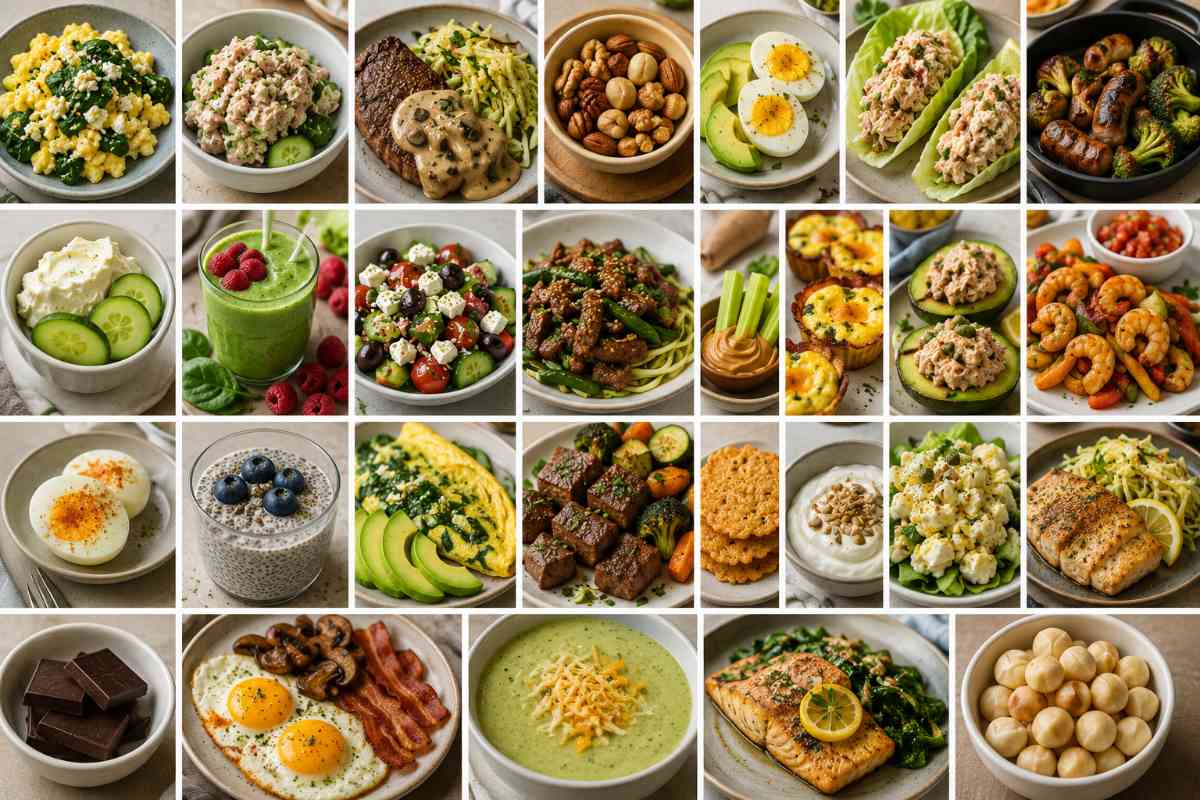
This is where easy keto meal planning becomes your best friend. The idea is simple: plan, batch cook where possible, and keep variety high enough that you do not get bored by day three.
Day 1
- Breakfast: Scrambled eggs cooked in butter with sautéed spinach and crumbled feta
- Lunch: Tuna salad with full-fat mayo, diced celery, and cucumber slices
- Dinner: Beef Steak with Mushroom Sauce with a side of Garlic Butter Sautéed Cabbage
- Snack: A small handful of mixed nuts
Day 2
- Breakfast: Two hard-boiled eggs with avocado slices and a pinch of sea salt
- Lunch: Leftover basa fillet wrapped in romaine lettuce leaves with a drizzle of lemon
- Dinner: Cabbage Sausage with roasted broccoli in olive oil
- Snack: Cream cheese with sliced cucumber
Day 3
- Breakfast: Keto smoothie, full-fat coconut milk, a tablespoon of almond butter, spinach, and a few frozen raspberries
- Lunch: Greek salad with olives, cucumber, tomatoes, and a generous pour of olive oil
- Dinner: Green Bean Beef Stir-Fry with zucchini noodles instead of rice
- Snack: Celery with peanut butter (sugar-free)
Day 4
- Breakfast: Bacon and egg cups baked in a muffin tin
- Lunch: Avocado stuffed with canned salmon, lemon juice, and capers
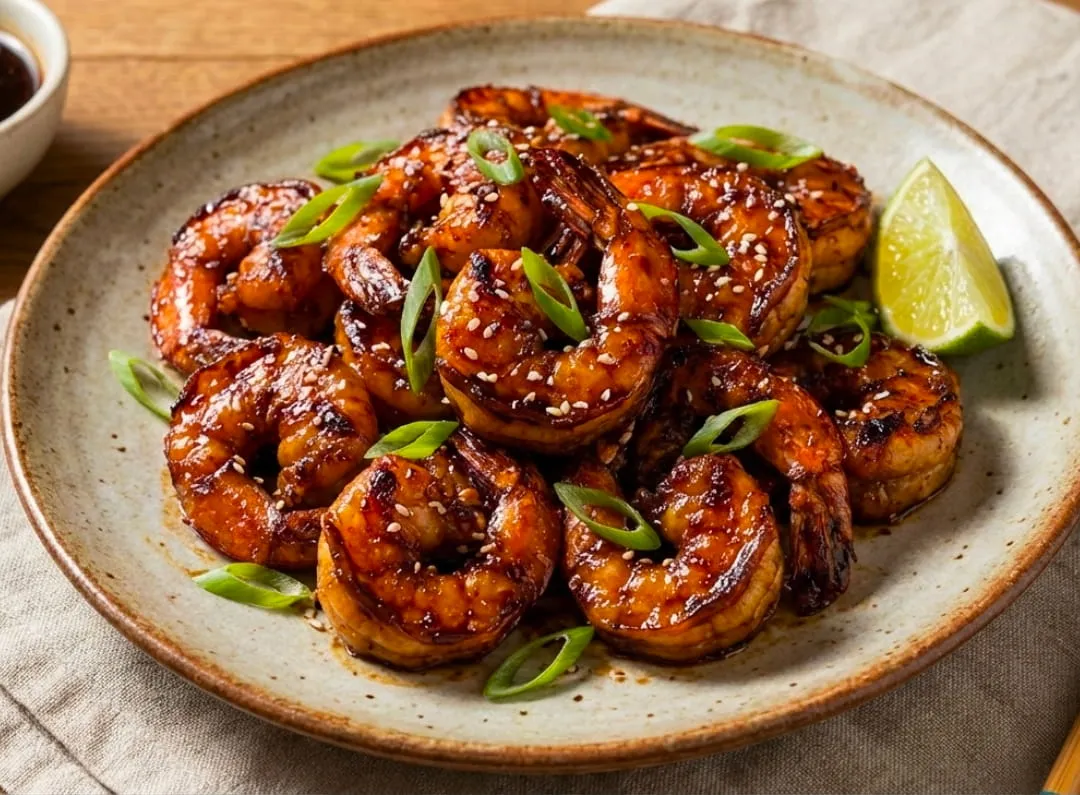
- Dinner: Shrimp Fajitas with Cucumber Tomato Salad on the side
- Snack: A boiled egg with a sprinkle of paprika
Day 5
- Breakfast: Chia pudding made with full-fat coconut milk, topped with a few blueberries
- Lunch: Spinach and goat cheese omelet with sliced avocado
- Dinner: Garlic Butter Steak Bites with herbs and lemon, served alongside Air Roasted Vegetables
- Snack: Parmesan crisps
Day 6
- Breakfast: Full-fat Greek yogurt (unsweetened) with a tablespoon of sunflower seeds and cinnamon
- Lunch: Spinach Egg Salad over mixed greens with an olive oil vinaigrette
- Dinner: Air-Fried Cod Fillet with a side of Garlic Butter Sautéed Cabbage
- Snack: Dark chocolate (85% or higher), one or two squares
Day 7
- Breakfast: Two eggs fried in ghee with sautéed mushrooms and a side of turkey bacon
- Lunch: Zucchini soup blended with cream and topped with shredded cheddar
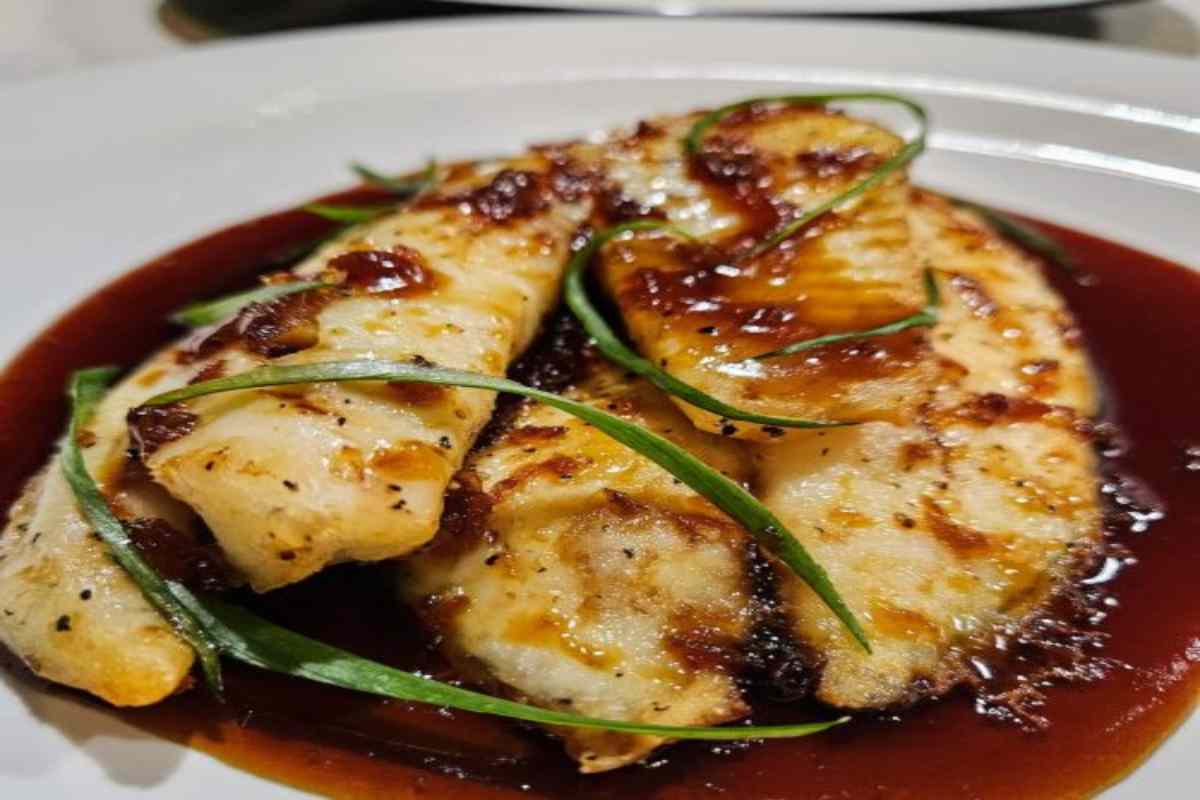
- Dinner: Honey Baked Soy Sauce Tilapia with lemon butter sauce, paired with wilted garlic spinach
- Snack: Macadamia nuts
Keto Diet Meal Plan The Weekly Prep Strategy That Makes It Stick
The biggest reason people abandon a keto diet meal plan within the first two weeks is not a lack of willpower. It is logistics. When hunger strikes and there is nothing ready to eat, willpower disappears remarkably fast. Here is a simple Sunday prep routine that removes friction from the entire week:
- Cook your proteins in bulk. Roast a full tray of chicken thighs, bake a batch of salmon fillets, or prepare a dozen hard-boiled eggs. These form the base for at least 4 or 5 meals throughout the week, with no additional cooking required.
- Prep your vegetables ahead. Wash, chop, and store your low-carb vegetables, spinach, zucchini, and cauliflower in portioned containers so they are ready to sauté, roast, or add to a salad in minutes.
- Make a fat sauce or dressing. A simple avocado-lime dressing, a tahini-lemon sauce, or a homemade garlic butter keeps meals tasting fresh even when the base ingredients are the same.
- Keep emergency snacks visible. A bowl of hard-boiled eggs on the counter, a jar of nuts on the desk, string cheese in the fridge. Visible, accessible, keto-approved options prevent the vending machine decisions.
- Plan for restaurants. Most restaurants can accommodate keto with a few swaps. Ask for the bun to be replaced with lettuce, rice to be replaced with extra vegetables, and sauces to be served on the side. You do not have to eat at home every day to maintain a keto diet.
Trend You Cannot Ignore Sustainable and Flexible Keto
Something interesting has shifted in the conversation around easy keto meal planning. The rigid, all-or-nothing version of keto that dominated a few years ago is giving way to something more livable, and frankly, more effective for the long haul.
Nutritionists and researchers are increasingly pointing to a concept called flexible keto, also known as eco keto, which incorporates sustainable food choices alongside the traditional low-carb framework. Think seasonal produce, locally sourced proteins, plant-based fat sources like avocado and nuts, and a reduced emphasis on processed keto products.
This matters for keto meal planning because it changes the kinds of foods you prioritize. Instead of reaching for a packaged keto bar as a snack, flexible keto encourages a handful of walnuts or a homemade fat bomb made from real ingredients. Instead of processed deli meat, the focus shifts toward whole-food proteins like fish, eggs, and minimally processed chicken.
The practical impact? Meals that are more nutritious, more satisfying, and easier to sustain for more than a few weeks. If your previous attempts at keto felt exhausting or expensive, this approach may change your experience entirely.
The Biggest Mistakes People Make With Keto Meal Planning
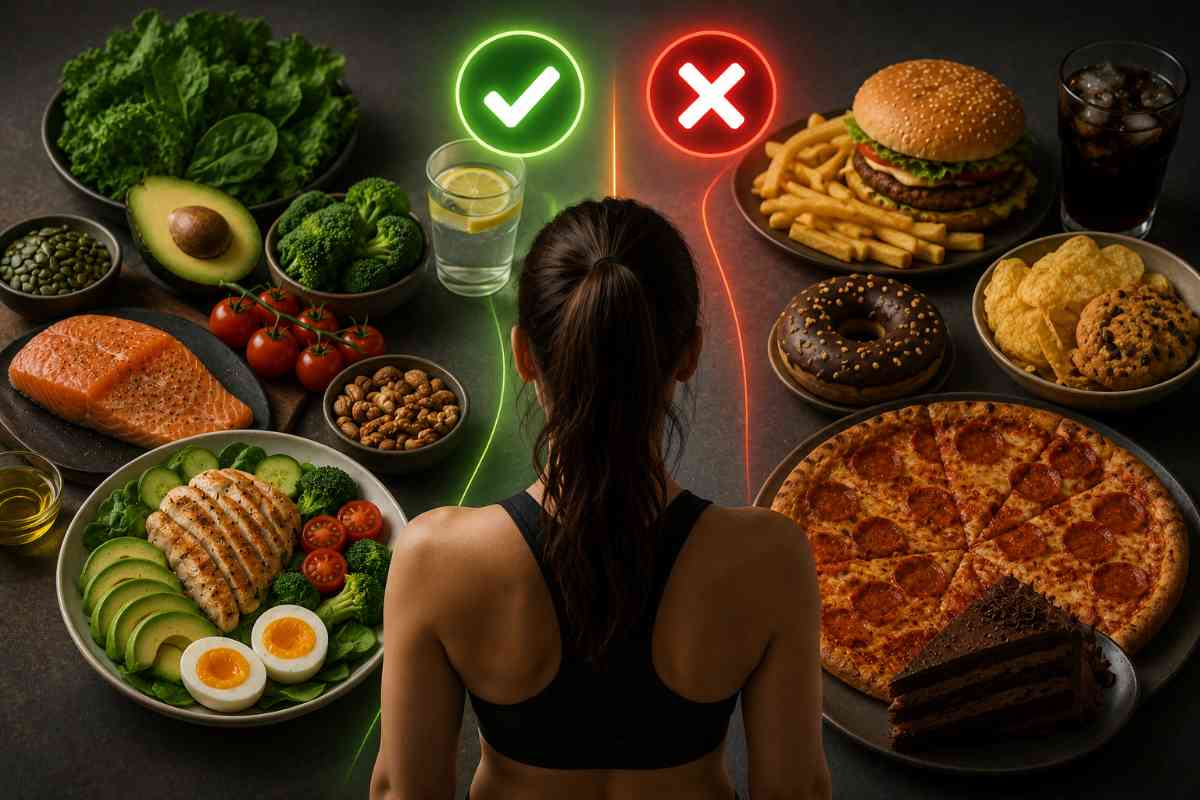
Even motivated people stumble in predictable places. Knowing these in advance saves you the frustration of a restart.
Mistake 1
Eating too much protein. This is probably the most common error. Protein, in excess, can be converted to glucose through a process called gluconeogenesis, which can prevent or interrupt ketosis. Keep protein in the moderate range (around 20–25% of calories) and prioritize fat instead.
Mistake 2
Not tracking hidden carbs. Sauces, dressings, marinades, processed meats, and dairy products can contain carbohydrates that add up quietly. A tablespoon of ketchup has roughly 5 grams of carbs. A flavored yogurt can have 20 or more. Reading labels is non-negotiable on keto, especially in the first month.
Mistake 3
Forgetting electrolytes. Sodium, magnesium, and potassium are essential and are flushed out more rapidly on a keto diet. This is not optional biology, neglecting electrolytes is the primary driver of keto flu symptoms. Add salt to your food, eat leafy greens daily, and consider a sugar-free electrolyte supplement if needed.
Mistake 4
Giving up during the adaptation phase. The first week on keto is often the hardest. Energy dips, cravings spike, and the initial water weight loss can feel encouraging but confusing. Stick with it through the first two to three weeks before judging whether keto is working for you. The adaptation period is a process, not a problem.
Mistake 5
Relying too heavily on processed keto products. Keto chips, keto bars, keto cookies, the market is full of packaged products that technically fit the macros but are far from the whole, nourishing foods that produce real results. Build your easy keto meal planning routine around real ingredients first, and let processed products play a supporting role at most.
Nutrition Per Serving
The following table reflects the approximate nutritional profile of a typical day’s meals on a well-planned keto diet meal plan, based on the recipes and meal examples featured throughout this guide:
| Nutrient | Per Serving (Average Daily Meal) |
| Calories | 480–560 kcal |
| Total Fat | 36–42g |
| Saturated Fat | 10–14g |
| Protein | 28–35g |
| Total Carbohydrates | 10–14g |
| Dietary Fiber | 3–5g |
| Net Carbohydrates | 6–10g |
| Sodium | 420–580mg |
| Potassium | 380–520mg |
| Magnesium | 45–70mg |
Values are estimates based on standard keto meal compositions featuring proteins such as fish and chicken, healthy fats from olive oil and avocado, and non-starchy vegetables. Actual values vary based on portion sizes and specific ingredients used.
Benefits of Following a Keto Diet Plan

The appeal of a structured keto diet plan goes well beyond the number on the scale, though that’s where most people start. Here is a broader look at what consistent ketogenic eating supports:
Weight and fat loss
The reduction in insulin, combined with increased fat oxidation, makes the keto diet particularly effective for reducing body fat, especially visceral fat, the type stored around the organs that is most associated with metabolic disease.
Stable, sustained energy
Many people on a well-formulated keto diet report that the afternoon energy crashes they experienced on a higher-carb diet simply disappear. Ketones provide a more consistent fuel source than glucose spikes and dips.
Improved mental clarity
Ketones are a highly efficient fuel for the brain. A significant number of people report sharper focus and better concentration once they have fully adapted to burning fat for fuel.
Appetite regulation
Both fat and protein are highly satiating macronutrients. On a proper keto diet meal plan, most people naturally eat fewer calories without feeling deprived, because the hormonal environment of ketosis reduces ghrelin (the hunger hormone) more effectively than a standard high-carb diet.
Blood sugar management
By removing the primary driver of blood glucose spikes, dietary carbohydrates, a keto diet plan can significantly improve glycemic control. This is particularly relevant for people with type 2 diabetes or prediabetes, though any dietary changes in these cases should be made in collaboration with a healthcare provider.
Better relationship with food
When you stop chasing quick-burning carbohydrates every few hours, the constant preoccupation with food often softens. Many people find that a keto diet creates a more grounded, less reactive relationship with hunger and eating overall.
How to Customize Your Keto Diet Meal Plan for Your Goals
Not every person starting a keto diet has the same goal, and a smart keto meal planning approach accounts for that.
For weight loss
Keep calories slightly below your maintenance level, prioritize protein to preserve muscle mass, and use a food tracking app to stay accountable during the first few weeks. Incorporating proteins like Air-Fryer Salmon Bites from Divine Dishes keeps meals satisfying and macro-appropriate without heavy meal prep.
For muscle building or athletes
Increase protein slightly toward the higher end of the keto range (closer to 30% of calories). You may also explore targeted keto, where a small amount of fast-digesting carbohydrates is consumed immediately before or after intense training sessions.
For women with hormonal considerations
Some women find that very low carbohydrate intake over long periods can affect menstrual cycles, thyroid function, or cortisol levels. A slightly higher net carb ceiling (50–75 grams) combined with whole-food carbohydrate sources on certain days may provide better hormonal balance while preserving many keto benefits.
For families
Easy keto meal planning for a household that includes non-keto members is entirely doable. The base of most keto meals, a quality protein and a vegetable side, works for everyone. Simply add a carbohydrate portion (bread, pasta, rice) to the plates of those who are not following keto, and everyone eats the same core meal.
Final Thoughts
Starting a keto diet means you have access to better information, more recipe options, and a clearer understanding of what the science actually says than anyone who started this journey five years ago. The framework is simple: reduce carbohydrates dramatically, fuel your body with healthy fats and quality proteins, and give the process enough time to work.
Keto meal planning does not have to be overwhelming. It does not have to mean expensive supplements, tasteless food, or hours in the kitchen. With the 7-day roadmap above, a Sunday prep routine, and a collection of satisfying recipes built around real ingredients, including the ones linked from Divine Dishes throughout this guide, you have everything you need to start strong and stay consistent. The hardest part of any dietary change is not the knowledge. It is the first week. Show up for that week. The results will take care of the rest.
Frequently Asked Questions (FAQs)
How long does it take to get into ketosis?
Most people reach a measurable state of ketosis within 2 to 4 days of reducing net carbs to below 30 grams. However, full-fat adaptation, where your body becomes genuinely efficient at using ketones for fuel, takes most people between three and six weeks.
Can I do keto without eating meat?
Yes, though it requires more planning. Eggs, full-fat dairy, avocados, nuts, seeds, coconut products, and non-starchy vegetables form the foundation of a vegetarian keto diet. Vegans face a steeper challenge but can manage with careful macro tracking and supplementation.
What is the keto flu, and how do I avoid it?
The keto flu refers to the temporary fatigue, headaches, irritability, and brain fog that some people experience during the first week as their bodies transition away from carbohydrates. The primary cause is electrolyte depletion, sodium, potassium, and magnesium are excreted more rapidly when insulin levels fall. Drinking salted broth, increasing water intake, eating magnesium-rich foods like spinach, and adding avocado to daily meals significantly reduce these symptoms for most people.
How many carbs can I have on keto?
For most people, the ceiling is 50 grams of net carbs per day. For quicker ketosis and more reliable results, staying below 20–30 grams is more effective, especially in the first month.
Can I have fruit on a keto diet?
Most fruit is too high in sugar to consume regularly on keto. Berries, raspberries, blackberries, and strawberries are the exception. A small portion (about half a cup) fits within daily carb limits and provides valuable antioxidants and fiber.
Is keto safe long-term?
Current research shows that keto is safe for most healthy adults for moderate to long periods, but it is not universally recommended. People with kidney disease, a history of pancreatitis, or certain metabolic conditions should consult a doctor before starting. Harvard Health notes that long-term heart health effects and overall dietary sustainability warrant ongoing monitoring.
Will keto work if I exercise a lot?
Yes, but athletes often benefit from a slightly higher carbohydrate ceiling, sometimes called targeted keto (eating a small portion of carbs around training sessions) or cyclical keto (following strict keto most days with one or two higher-carb days). Strength athletes may find that moderate carb cycling helps maintain performance without fully exiting ketosis.
What is the fastest way to start a keto diet?
Clear your kitchen of high-carb foods first. Stock up on eggs, fatty fish, chicken thighs, leafy greens, avocados, olive oil, full-fat dairy, and nuts. Follow a structured keto diet meal plan for the first two weeks and track your net carbs using a simple app. The fastest path to success is removing the decisions that slow you down.














1 Comment. Leave new
Great tips for making keto meal planning easier and more organized! 👏 Very helpful.