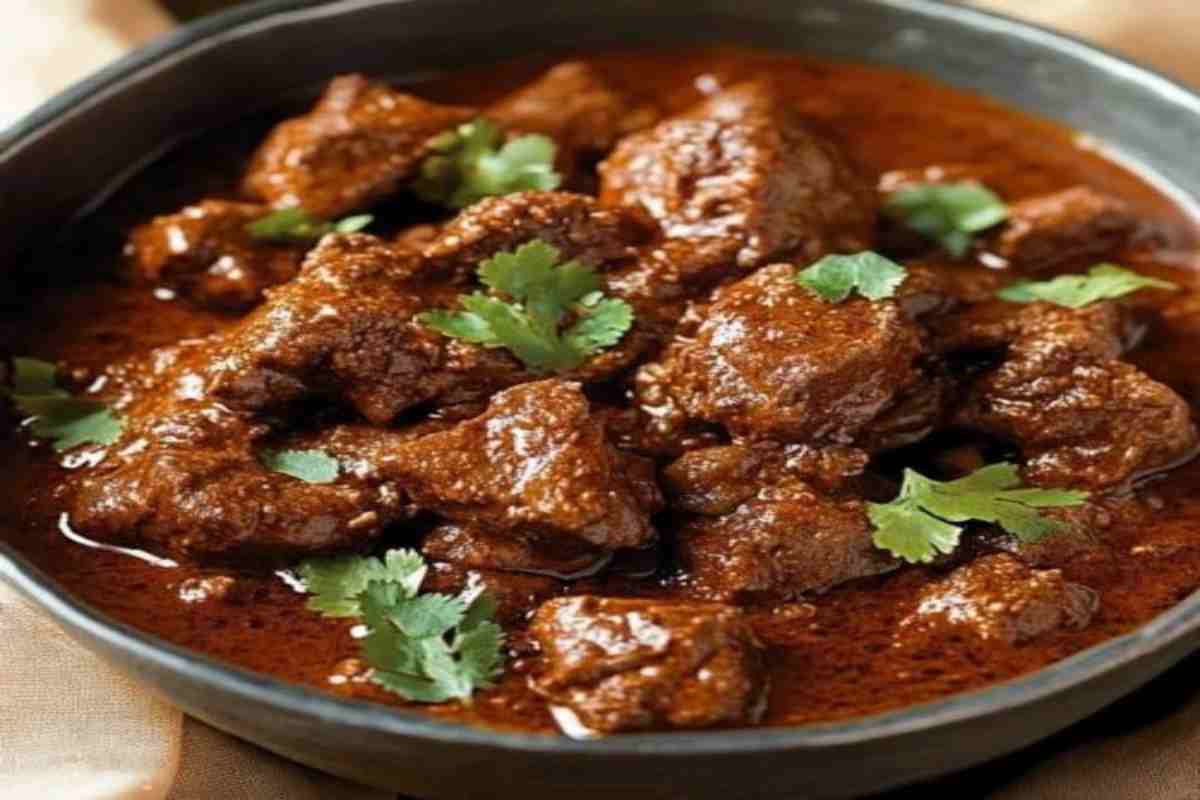
This beef liver stew recipe delivers everything a great stew should, melt-in-your-mouth tender liver, a deeply rich and savory broth, and a spiced tomato base that comes together in under an hour. Liver has a reputation problem it doesn’t entirely deserve. Ask most people, and they’ll say they don’t like it.
But ask them when they last had it cooked properly, low and slow, in a deeply savory broth, with onions gone soft and sweet and tomatoes broken down into sauce, and most of them will pause because a well-made liver stew is one of the most satisfying, comforting things you can put on the table on a cold evening. The kind of dish that fills the kitchen with a smell that draws people in from other rooms asking what’s cooking.
This recipe has been refined through many iterations. The goal was simple: genuinely tender beef liver stew with no rubbery or grainy texture, a rich complex broth that isn’t heavy, and a method anyone can follow without stress. Every tip in here exists because something went wrong at some point without it. Whether you’re a liver convert already or trying it for the first time, this is the recipe that will change your mind.
How do you make beef liver stew tender? Beef liver stew is cubed beef liver simmered in a spiced tomato, onion and garlic sauce with paprika, curry powder and turmeric, ready in about 30 minutes. Soaking the liver in milk for 30 minutes beforehand is optional, but it helps mellow the flavor. Serve with rice, chapati or mashed potatoes.
Why This Liver Stew Works
Liver stew works when the liver cooks briefly and the sauce does the heavy lifting.Most liver recipes go wrong in one of three ways: the liver is overcooked and turns grainy, it keeps a sharp metallic edge, or the sauce is thin and one-dimensional.
This recipe avoids all three. The liver is seared first for about 5 minutes to build a browned, flavorful base, then simmered gently in a spiced tomato, onion and garlic sauce, and the whole stew is done in about 20 minutes. Keeping the simmer gentle is what keeps the liver tender. Warm spices build flavor, and the fresh tomatoes and onions give the sauce body and a natural sweetness that balances liver’s rich, mineral taste.
For a milder flavor, you can soak liver in the milk for about 30 minutes before start cooking. It is optional, but many cooks find it softens the metallic edge.
Liver is also one of the most nutrient-dense meats, with iron, vitamin B12, folate and vitamin A in a small serving. Its iron is heme iron, which the body absorbs more readily than the iron in plants, about 15 to 35 percent against 2 to 20 percent according to the NIH Office of Dietary Supplements. Because it is so rich in vitamin A, it is best as an occasional meal.
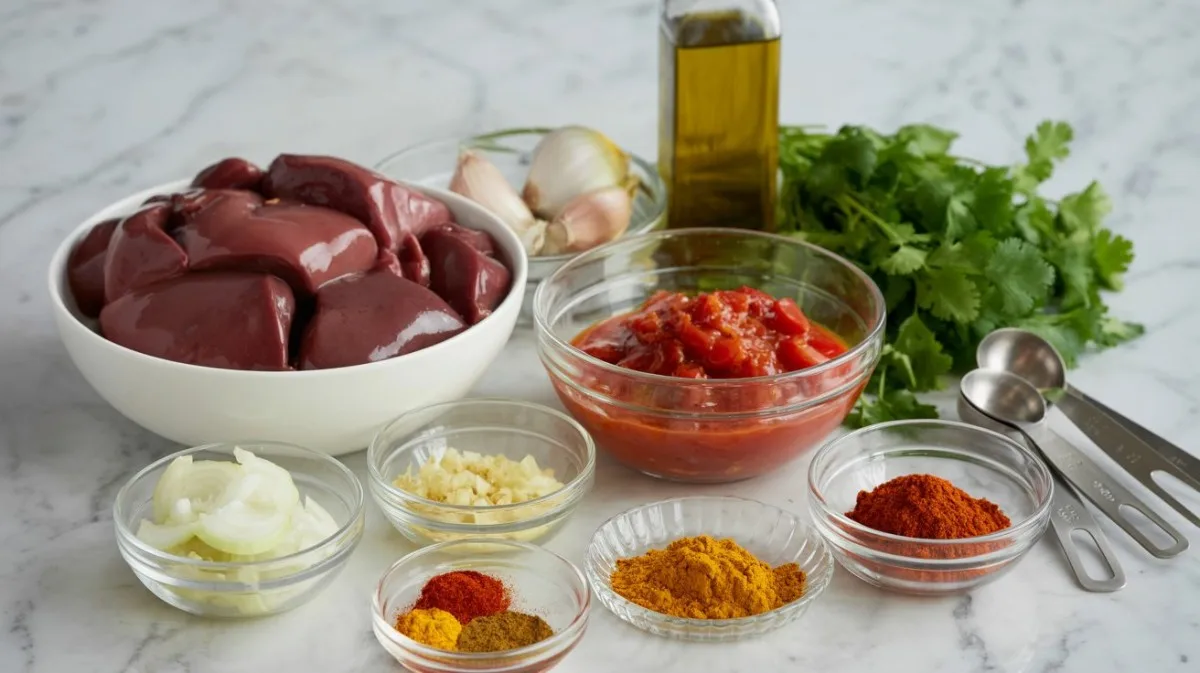
Ingredients for Beef Liver Stew
500 g liver, cubed and rinsed
3 tbsp olive oil
4 cloves garlic, minced
1 medium onion, sliced
3 ripe tomatoes, crushed
1 tsp paprika
1 tsp curry powder
1/2 tsp turmeric powder
1/4 tsp chilli powder (optional, for a bit of heat)
Salt and pepper, to taste
1 cup water
Chopped cilantro to garnish
How to Cook Beef Liver Stew
Follow these steps for a beef liver stew that’s tender, deeply rich, and never bitter or rubbery.
Step 1 Prep the Liver Rinse the liver cubes under cold water and pat dry with paper towels. This removes excess blood and reduces any metallic taste. Don’t skip this step.
Step 2 Sear the Liver Heat olive oil in a large saucepan over medium-high heat. Add the cubed liver and sear for about 5 minutes, turning until browned on all sides. Searing locks in the juices and builds the deep, rich base flavour this stew is known for.
Step 3 Add Aromatics Add minced garlic and sliced onion to the pan. Sauté for 2–3 minutes until the onions are soft and fragrant. This is where the stew starts to smell incredible.
Step 4 Build the Flavour Sprinkle in the paprika, curry powder, turmeric, and chilli powder. Stir well to evenly coat the liver and onions. Add the crushed tomatoes and cook for 5–7 minutes, until the tomatoes break down and the sauce thickens into a deep, spiced base.
Step 5 Simmer the Stew Season with salt and pepper. Pour in the water, stir, and reduce heat to low. Cover and simmer for 5–10 minutes until the sauce reaches your preferred consistency. This slow finish is what makes the liver melt-in-your-mouth tender.
Step 6 Garnish and Serve Remove from heat and scatter fresh cilantro over the top. Serve hot with steamed rice, mashed potatoes, or a warm crusty baguette.
Best Liver Stew Recipe
This liver stew is a comforting, flavorful dish that’s perfect for those looking for a hearty, nutrient-rich meal. Whether you’re serving it as a main course or a side dish, it’s sure to be a hit with family and friends. Give it a try, and don’t forget to share your experience in the comments!
Rinse the liver cubes under cold water and pat them dry with paper towels. This helps remove any excess blood and reduces the metallic taste.
Heat the olive oil in a large saucepan over medium-high heat. Add the cubed liver and sauté for about 5 minutes, or until the liver is browned on all sides.
Add the minced garlic and sliced onion to the pan. Sauté for another 2-3 minutes, or until the onions become soft and fragrant.
Sprinkle the paprika, turmeric, curry powder and chilli powder (if using) into the pan and stir to coat the liver and onions. Then, add the crushed tomatoes and cook for about 5-7 minutes, or until the tomatoes have broken down and released their juices.
Season with salt and pepper to taste. Pour in the water, stir well, and reduce the heat to low. Cover the pan and let the stew simmer for about 5-10 minutes, or until the sauce thickens to your preferred consistency.
Remove from heat, sprinkle with chopped cilantro, and serve hot. This stew pairs wonderfully with steamed rice, mashed potatoes, or a warm crusty baguette.
Video
Notes
Please note that the nutritional information is a rough estimate and can vary significantly based on the products used in the recipe.
Beef liver stew takes about 30 minutes in total, 10 minutes of prep and 20 minutes on the stove, which includes a 5 minute sear at the start. After that, keep the pot at a gentle simmer instead of a hard boil, because liver turns grainy and rubbery when it is overcooked. The USDA lists 160°F (71°C) as the safe minimum for liver, so check with a thermometer if you are unsure.
Liver Stew Nutrition Notes
Each serving has about 298 calories and 27 g of protein, according to the recipe card, and the figures will vary with the oil and ingredients you use. Vitamin A is the number to watch. One serving has about 22,143 IU, roughly 6,650 mcg RAE, which is more than double the 3,000 mcg adult daily upper limit set by the NIH, so liver stew works best about once a week. For the full picture, see our beef liver nutrition facts and is beef liver healthy pages.
How to Keep Liver Tender and Remove the Bitter Taste
Liver stays tender when it is seared in a single layer and simmered gently, so use a wide pot and don’t crowd it. Buy it fresh when you can, and thaw frozen liver slowly in the fridge. A 30-minute soak in milk mellows the flavor, and salted water or diluted lemon juice or vinegar also works. Beef liver is richer, and chicken liver is milder and cooks faster, and both benefit from a soak. Let the stew rest for about 5 minutes before serving.
Variations Worth Trying
Not every kitchen is the same, and neither is every craving. These variations stay true to the core recipe while giving you room to adapt based on what you have, how much time you’ve got, and the flavour profile you’re after.
Liver Stew with Potatoes
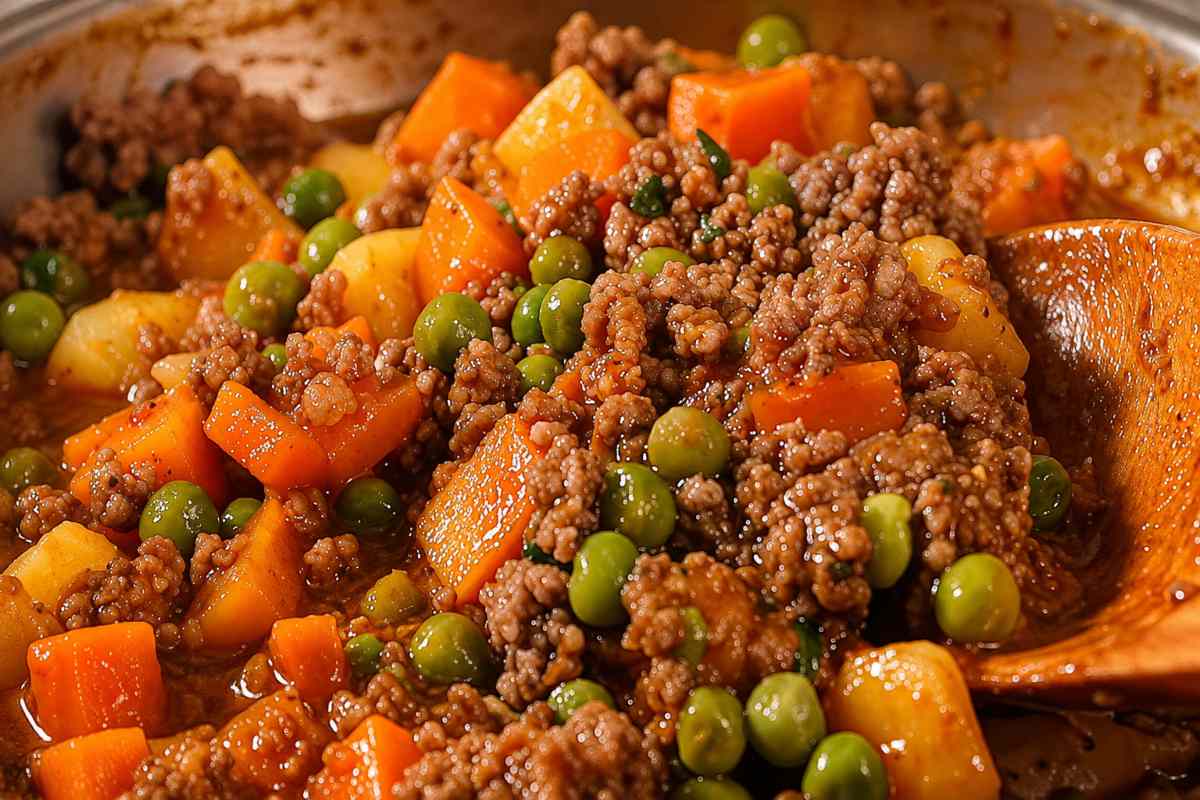
If you want to turn this into a full one-pot meal, adding potatoes is the easiest way to do it. Dice 2–3 medium potatoes into roughly 2cm cubes and add them at the same time as the crushed tomatoes in Step 4. They’ll absorb the spiced tomato broth as they cook, turning soft and deeply flavoured by the time the stew is ready.
Waxy potatoes like Yukon Gold or red potatoes hold their shape best and won’t turn mushy. Floury varieties like Russets will break down more and naturally thicken the sauce, both work, it just depends on the texture you prefer. Add an extra splash of water if the stew looks too thick once the potatoes go in, and extend the simmer time by 5–8 minutes to make sure they’re cooked through.
West African Style Liver Stew
West African style liver stew uses Scotch bonnet pepper, tomato paste and crayfish powder for a hotter, deeper sauce. For a dry, pan-fried version, try our peppered beef liver.
Storing, Freezing and Reheating Liver Stew
Liver stew stores well, arguably better than freshly made in some ways, since the flavors deepen overnight. Allow the stew to cool completely before transferring it to a sealed container. It can be stored in the refrigerator for as long as 3 days. When you’re set to savor it once more, gently heat it on the stove.
Whenever you’re ready to savor it again, heat it on the stove over low heat. If it has thickened too much while in the fridge, just add a little stock or water to loosen it up. Avoid boiling it on reheat, gentle warming preserves the liver’s texture.
The stew can be frozen for up to 2 months, but the liver will be slightly softer after thawing. It’s still good, just not quite as firm as freshly cooked. Let it thaw in the fridge overnight before warming it up.
What to Serve With Liver Stew
If you enjoyed making this liver stew, your next weeknight dinner is already sorted. Devine Dishes has several recipes that follow the same philosophy, real ingredients, proper technique, and dishes that taste like effort even when they don’t take much.
For a classic East African pairing, liver stew is traditionally scooped up with soft, flaky Kenyan Chapati, which soaks up the rich sauce perfectly and turns the meal into something genuinely satisfying.
A side of fragrant turmeric rice works just as well, adding warm color and subtle spice that complements the stew’s deep, savory flavor without competing with it.
If you want something a little different, warm shawarma wrap bread makes a great scoop-and-dip option too, giving the stew a Middle Eastern-leaning twist.
Final Thoughts
This beef liver stew is a quick, tender weeknight dish you can have on the table in 30 minutes. Because liver is so rich in vitamin A, keep it to about one serving a week, and see how often to eat beef liver for the full guidance. Pair it with a side from the serving section above and enjoy.
If you enjoyed this hearty stew, explore our other protein rich favorites:
How do you get the bitter taste out of liver stew without using milk?
Soak cubed liver in cold, heavily salted water for 30–45 minutes, then rinse well. Diluted lemon juice or vinegar 1 tbsp per cup works too, since the acid draws out the same bitter compounds as milk.
Can you overcook liver in a stew?
Yes, liver has little connective tissue, so it toughens with extra cooking instead of tenderizing. Add it in the final 20–25 minutes only, and simmer gently rather than boil.
How do you thicken liver stew sauce?
Cook uncovered for the final 10 minutes to allow for reduction naturally, or stir in a cornstarch slurry 1 tsp cornstarch + 2 tbsp cold water and cook 3–4 minutes. Tomato paste added early also adds body and color.
What is the white stuff in liver, and should you remove it?
It’s connective tissue and bile ducts, which stay bitter and chewy even after cooking. Trim it away with a sharp knife before cubing the liver.
Is it safe to eat liver stew when pregnant?
Generally no. Liver is very high in preformed vitamin A, which is linked to birth defects in pregnancy, so ask your doctor or midwife before eating it.
Why does my liver stew smell strong even after soaking?
This usually means the liver was not soaked long enough or is past its prime. Fresh liver should smell mild, not sharp, if the odor persists after a proper soak, discard it.
How long do you cook liver in stew?
About 20 minutes of cooking in total, starting with a 5 minute sear. Keep the simmer gentle so the liver stays tender.
Why is my liver stew tough or rubbery?
Usually from overcooking or a crowded pot. Cook the liver briefly in a single layer and stop as soon as it is done.
About Devine Dishes
A lifelong love of cooking, one delicious recipe at a time.
Welcome to Devine Dishes! I'm so glad you're here.
I'm the cook, recipe creator, and food lover behind this little corner of the internet. Born and raised in Kenya, my love for cooking started when I was very young. Even as a child, I would happily volunteer to cook for the family, leaving the dishes and laundry for my siblings. Looking back, I think I had already discovered my passion and a clever way to avoid some chores! 😜
Where My Love for Cooking Began
In high school, I chose Home Science and quickly discovered that baking was something I truly enjoyed. I went on to win awards in provincial school baking competitions for three consecutive years. Those were incredibly proud moments for me, and I loved the feeling of creating something delicious with my own hands.
But not everyone saw cooking the way I did.
I still remember the day my chemistry teacher laughed out loud in class after I received one of my baking medals. He told me I was wasting my time with cooking and that I should focus on the sciences, which would give me a better future than cookies and cakes.
It was an embarrassing moment, especially as a student who was proud of something she had worked hard to achieve. But I didn't stop cooking.
That experience stayed with me, not because it changed my passion, but because it reminded me that sometimes you have to believe in yourself even when others don't understand your dreams.
From Cooking for Family to Building a Food Business
Over the years, my love for cooking has taken me on quite a journey.
I've explored different food business ideas, from cooking and selling chapatis and mandazis to catering, meal preparation, and delivery. Each experience taught me something new about food, business, and the joy of sharing a good meal with others.
Today, I'm excited to bring that passion to food blogging.
Devine Dishes is a place where I share the recipes I love, the ones I'm learning, and the ones I can't wait for you to try. You'll find African and Kenyan favorites, comforting family meals, delicious baking recipes, and practical dishes that make cooking at home enjoyable.
My goal is simple: to help you discover recipes that are delicious, approachable, and worth making again.
More Than Just Recipes
For me, food has always been about more than feeding people. It's about family, memories, creativity, and bringing people together.
When I'm not working, you'll often find me trying out new recipes, creating and editing content, or spending time with family. Sometimes we're swimming, watching TV, or simply chatting over a good meal. Those ordinary moments are some of my favorite moments.
I also love traveling and discovering new places, cultures, and foods. I'm hoping to do much more of it in the near future, and I'm excited about the inspiration those experiences will bring to my cooking and future recipes.
Thank You for Being Here
Whether you're visiting Devine Dishes for a Kenyan recipe, looking for something delicious to bake, or simply exploring new meals to try, thank you for being part of this journey.
Every recipe shared here is a little piece of my love for cooking, my experiences, and the belief that it's never too late to pursue something you're passionate about.
I hope you find something delicious, make wonderful memories around your table, and come back often.
Happy cooking!
With love,
Milli
The heart behind Devine Dishes










3 Comments. Leave new
Yummy
Thank you
The milk soak really does make a difference, no metallic taste at all this time. Adding the liver at the end kept it perfectly tender!