
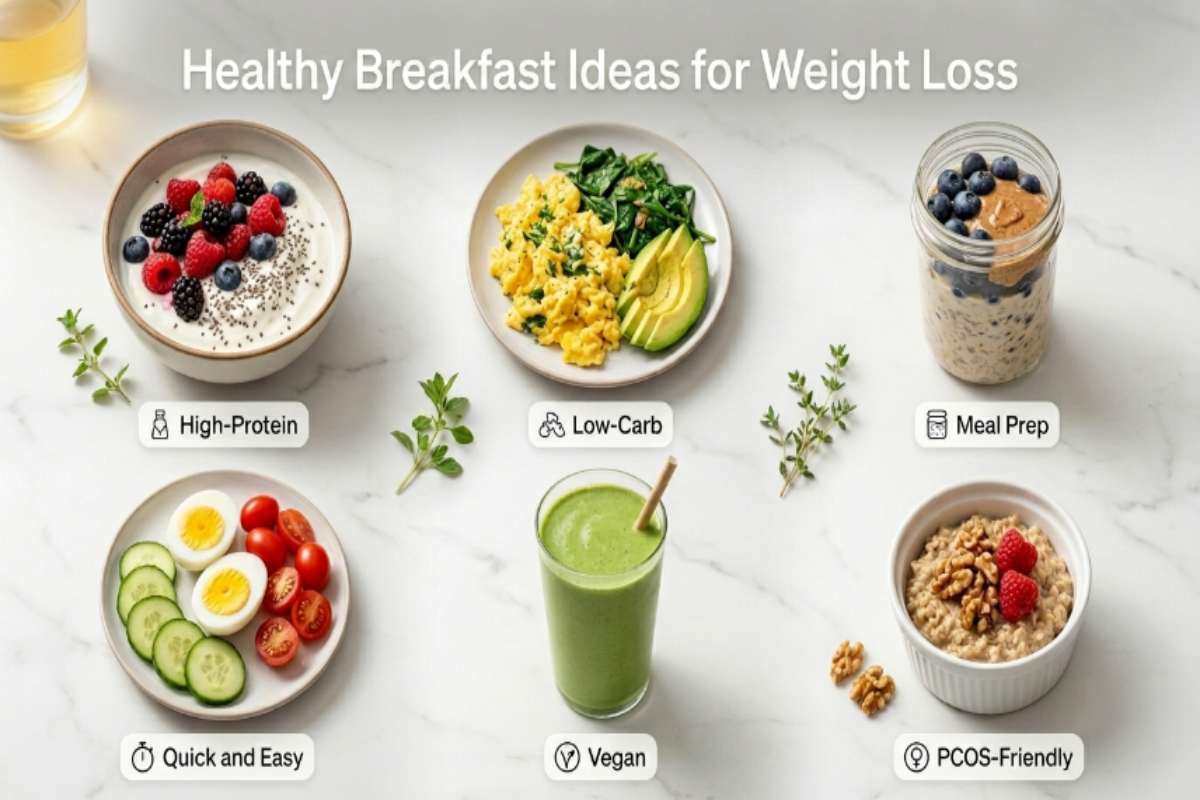
The best healthy breakfast ideas for weight loss are high in protein and fiber, low in added sugar, and satisfying enough to keep you from reaching for a mid-morning snack. Whether you have five minutes or an hour to prep, the right morning meal sets the metabolic tone for everything that follows.
Research backs this up: a high-protein breakfast has been shown to reduce overall daily calorie intake by up to 400 calories compared to a low-protein one, largely by suppressing ghrelin, the hunger hormone that drives cravings. That single shift, eating more protein at breakfast, may be the most underrated tool in any weight loss strategy.
But protein is only part of the picture. The most effective weight loss breakfasts also factor in your schedule, your dietary preferences, and your goals. A meal prep Sunday looks different from a rushed Tuesday morning. A keto approach looks different from a plant-based one. A woman managing PCOS needs different macros than someone on a GLP-1 medication. One-size breakfast advice rarely fits real life.
That’s why this guide healthy breakfast ideas for weight loss, organized by the way people actually eat. You’ll find easy quick breakfast ideas for busy mornings, high-protein and low-carb options for macro-focused goals, meal prep strategies for the week ahead, egg-based classics, vegan and plant-based picks, Indian-inspired options, and even condition-specific guidance for PCOS and GLP-1 users.
Every idea here is practical, built around whole ingredients, and designed to work inside a real routine, not just a perfect one. The sections are organized so you can jump directly to what fits your lifestyle. If you eat eggs daily, go straight to the egg-based section. If Sunday meal prep is your system, start there. If mornings are chaotic, the quick, on-the-go ideas are built for exactly that.
For anyone who loves a slow weekend morning, the pancake breakfast section later in this guide shows how even a comfort classic can be made weight-loss friendly with the right protein swaps and toppings, without tasting like a compromise. Whatever your starting point, the goal here is simple: give you enough variety that healthy breakfasts stop feeling like a chore and start feeling like a choice.
Most breakfast roundups hand you 10 recipes and call it a guide. This one is built around the real barriers people face, time, preference, dietary restrictions, health conditions, and the honest reality that motivation isn’t always there on a Wednesday morning. The ideas that follow are chosen because they work across those conditions, not just in ideal ones. Let’s get into it.
Why Breakfast Matters for Weight Loss
Breakfast doesn’t guarantee weight loss on its own, but the quality of what you eat first thing in the morning has a measurable influence on how much you eat for the rest of the day. A well-constructed morning meal stabilizes blood sugar, reduces appetite-driving hormones, and sets up the kind of steady energy that makes better food choices easier, not just at lunch, but all the way through dinner.

The research is consistent on this point: people who eat a nutritionally adequate breakfast tend to consume fewer total calories throughout the day than those who skip breakfast or eat a high-refined-carb, high-sugar breakfast. The mechanism isn’t willpower. It’s biochemistry.
How a High-Protein Breakfast Controls Hunger Hormones
Protein is the most satiating macronutrient, and its effect at breakfast is particularly significant. When you eat a high-protein morning meal, your body responds by lowering ghrelin, the hormone responsible for triggering hunger, and increasing levels of peptide YY and GLP-1, two hormones that signal fullness to the brain.
A study published in the American Journal of Clinical Nutrition found that increasing breakfast protein from 15% to 35% of total calories led participants to consume about 400 fewer calories throughout the day, without consciously restricting. That’s a substantial reduction driven entirely by hormonal response, not discipline.
In practical terms, this means a breakfast built around eggs, Greek yogurt, cottage cheese, or a protein-rich smoothie does more than fuel your morning, it actively reduces the drive to overeat later. For weight loss specifically, this hormonal lever is one of the most powerful and underused tools available.
The Function of Fiber and Healthy Fats in Satiety
Protein gets most of the attention, but fiber and healthy fats play an equally important supporting role in keeping hunger in check through the morning hours.
Soluble fiber, found in oats, chia seeds, berries, and flaxseed, absorbs water in the digestive tract and slows gastric emptying. This means food moves through your system more gradually, keeping blood sugar stable and extending the window before hunger returns. A fiber-rich breakfast doesn’t just fill you up, it keeps you full longer than a low-fiber meal of the same calorie count.
Nutrient-rich fats can be found in foods such as avocados, nuts, and eggs, which contribute to satiety through a different pathway. They slow digestion, support fat-soluble vitamin absorption, and, critically, they don’t spike insulin the way refined carbohydrates do. The insulin spike-and-crash cycle that follows a sugary breakfast is one of the primary drivers of mid-morning cravings and energy dips.
A morning meal that combines protein, fiber, and healthy fat creates a synergistic satiety effect that none of these macronutrients achieves alone. Think eggs with avocado on whole-grain toast, or Creamy Greek yogurt topped with chia seeds and seasonal fresh berries, both hit all three levers in one bowl or plate. If you prefer something drinkable, an easy mango watermelon smoothie made with added protein and chia seeds follows the same principle: fiber, natural sugars balanced by fat or protein, and real food ingredients that digest slowly.
What Makes a Breakfast Weight Loss Friendly
A weight loss friendly breakfast isn’t defined by being small, tasteless, or aggressively low in calories. It’s defined by how effectively it manages hunger, stabilizes energy, and prevents overeating in the hours that follow.
Four markers separate a breakfast that supports weight loss from one that undermines it:
- It’s high in protein. At least 20–30 grams is the practical target for most adults. This is the single most impactful variable in controlling appetite through the morning.
- It’s low in added sugar. Sweetened cereals, flavored yogurts, pastries, and most commercial granola bars spike blood sugar rapidly and trigger a rebound hunger response within an hour or two. Whole food sweetness, from fruit, not syrup, behaves very differently in the body.
- It includes fiber. Whether from vegetables, whole grains, seeds, or fruit, fiber slows digestion and extends satiety in a way that refined carbohydrates simply cannot replicate.
- It’s satisfying enough to prevent early snacking. A breakfast that leaves you hungry by 9:30 a.m. has functionally failed, regardless of its calorie count. Volume, texture, and the right macronutrient ratio all contribute to feeling genuinely full.
What it doesn’t need to be is complicated. Some of the most effective weight loss breakfasts take under ten minutes to prepare. Others, like a weekend batch of East African mandazi made with whole wheat flour and served alongside eggs, show that cultural comfort foods can absolutely fit a weight loss framework when ingredients are chosen thoughtfully.
The goal isn’t to eat less. It’s to eat in a way that makes eating less the natural outcome.
Best High-Protein Breakfast Ideas for Weight Loss
Top High-Protein Breakfast Options for Weight Loss deliver at least 20–30 grams of protein in the first meal of the day, enough to suppress hunger hormones, stabilize blood sugar, and meaningfully reduce how much you eat for the rest of the day. Protein at breakfast isn’t a trend; it’s the single most evidence-backed nutritional lever for controlling appetite without counting every calorie.

For women specifically, adequate morning protein also supports muscle preservation during a calorie deficit, a critical factor that determines whether weight loss comes from fat or from lean tissue. The goal isn’t just to eat less. It’s to eat in a way that protects metabolism while the scale moves.
High-Protein Egg Breakfasts
Eggs remain one of the most reliable high-protein breakfast foundations for weight loss, and the reasons go beyond convenience. Two large eggs deliver around 12 grams of complete protein along with choline, vitamin D, and healthy fats, all in roughly 140 calories. Scale to three eggs and you’re already approaching 20 grams before any additions.
The most effective egg-based weight loss breakfasts pair eggs with volume and fiber rather than refined carbs. A three-egg veggie scramble with spinach, bell peppers, and mushrooms hits high protein with substantial volume for relatively few calories. A frittata made on Sunday and portioned through the week gives you a grab-and-reheat option that competes with any drive-through on speed. Hard-boiled eggs paired with avocado and a slice of whole-grain toast is a balanced plate that covers protein, healthy fat, and fiber in under five minutes of active prep.
For something with more texture and crunch without abandoning the protein goal, a crispy tortilla topped with scrambled eggs, black beans, and salsa delivers close to 25 grams of protein with fiber from the beans, a satisfying breakfast that eats like a real meal, not a diet plate. Egg whites are worth mentioning for anyone targeting high-protein, low-calorie combinations specifically. Three egg whites contain about 10 grams of protein and only 50 calories, making them a useful tool when paired with one whole egg for flavor and fat balance.
Greek Yogurt and Cottage Cheese Options
Greek yogurt and cottage cheese are amongthe most protein-dense, lowest-effort breakfast options available, and both are chronically underused by people working toward weight loss.
Plain full-fat Greek yogurt delivers 15–20 grams of protein per cup, depending on the brand, along with probiotics that help gut health and calcium that plays a role in fat metabolism. Flavored Greek yogurts often contain as much added sugar as a dessert, which cancels much of the metabolic benefit. The practical solution is to sweeten it yourself: fresh berries, a drizzle of honey, crushed walnuts, or a tablespoon of chia seeds all add nutrition without the sugar load of commercial flavored versions.
Cottage cheese has had a quiet resurgence, and for good reason. A one-cup serving of low-fat cottage cheese provides approximately 25 grams of protein at around 180 calories, a protein-to-calorie ratio that’s genuinely difficult to beat at breakfast. It works savory (topped with cherry tomatoes, cracked ground black pepper, along with a splash of olive oil) or sweet (blended smooth with banana and a pinch of cinnamon, eaten like a mousse). Blended cottage cheese also works as a high-protein pancake base, a useful swap for anyone who wants the comfort of a weekend breakfast without the blood sugar spike of a traditional stack.
Both options work well as the protein anchor for a layered parfait. Alternate Greek yogurt or cottage cheese with high-fiber granola and fruit for a breakfast that hits protein, fiber, and healthy carbs in one assembled bowl.
High-Protein Meal Prep Breakfasts
Meal prepping breakfast removes the single biggest barrier to eating well in the morning: the decision. When a high-protein option is already made and waiting, it competes directly with every convenient but nutritionally poor alternative.
The most practical high-protein meal prep strategies focus on batch-cookable proteins that reheat well and stay good for four to five days. Egg muffins, essentially mini frittatas baked in a muffin tin with whatever vegetables and cheese you have on hand, are the gold standard. A batch of twelve takes about 25 minutes on a Sunday and provides six days of two-muffin breakfasts, each delivering 12–15 grams of protein.
Overnight oats made with Greek yogurt instead of just milk dramatically increase the protein content. A jar made with half a cup of oats, half a cup of Greek yogurt, one cup of milk, and a scoop of protein supplement can reach 30 grams of protein, all assembled in five minutes the night before and eaten cold directly from the jar.
Turkey or chicken sausage patties made in bulk, portioned into pairs, and frozen individually offer a genuinely fast, high-protein option on mornings when even reheating feels like effort. Pair with a hard-boiled egg (also prepped in advance), and you have a 25-gram protein breakfast that takes two minutes to plate.
For anyone targeting 30 grams of protein at breakfast specifically, a threshold associated with maximum appetite suppression in clinical research, meal prep is the most reliable way to hit that number consistently across a busy week.
High-Protein Vegetarian Breakfasts
Getting 25–30 grams of protein at breakfast without meat is completely achievable, but it requires combining sources more deliberately than an egg-and-bacon approach does.
Eggs remain available to most vegetarians and are the easiest foundation. Beyond that, the most protein-dense vegetarian breakfast ingredients are Greek yogurt, cottage cheese, tofu, tempeh, legumes, edamame, and protein-fortified foods like certain whole-grain breads and high-protein cereals.
A tofu scramble made with firm tofu, turmeric, nutritional yeast, and spinach closely mimics the texture and satisfaction of scrambled eggs while delivering around 20 grams of protein per serving. Add a side of edamame or a slice of high-protein bread, and the 30-gram target is within reach.
Lentils are underused at breakfast in Western diets, but are common in Indian cuisine for good reason. A small portion of spiced dal alongside eggs or yogurt adds substantial protein and fiber and keeps the meal interesting across a week of repetition.
For vegetarians who prefer something sweet in the morning, a Greek yogurt bowl with hemp seeds, almond butter, and berries can reach 20–25 grams of protein without feeling like a clinical nutrition exercise. Hemp seeds alone add 10 grams of complete protein per three tablespoons, one of the few plant sources that delivers all nine essential amino acids.
High-Protein, Low-Calorie Combinations
The most effective weight loss breakfasts are the ones that maximize protein relative to total calorie count, delivering satiety at a calorie level that supports a deficit without leaving you hungry.
Some of the best high-protein, low-calorie combinations follow a simple pattern: a lean protein base, a vegetable for volume, and a controlled amount of fat for satisfaction.
Three egg whites plus one whole egg scrambled with a cup of spinach and cherry tomatoes: approximately 22 grams of protein at around 200 calories. Plain Greek yogurt with berries and a tablespoon of ground flaxseed: roughly 18 grams of protein at 180 calories. A cottage cheese bowl with cucumber, everything bagel seasoning, and a handful of cherry tomatoes: around 25 grams of protein under 200 calories.
The pattern that doesn’t work for low-calorie goals is loading a high-protein base with calorie-dense additions, large amounts of cheese, full-fat cream, or sugary toppings, which push total calories well past the weight-loss threshold. The protein is doing its job; the additions are undoing it.
For mornings when appetite is low but the protein target still matters, a small high-protein meal with something palatable alongside it works better than forcing a full plate. Even something like a thin slice of banana-based baked good alongside a protein-rich yogurt can close the gap. A piece of chocolate chip banana cake made with protein powder and almond flour, for instance, pairs well with a Greek yogurt on mornings when something sweet is the only thing that sounds appealing. The key is that the protein anchor, the yogurt, the eggs, and the cottage cheese stay in the meal. The accompaniment adds palatability, not just calories.
High-protein, low-calorie breakfasts work best when they’re genuinely enjoyable. Sustainability matters more than perfection, and a breakfast you actually want to eat every morning will always outperform the optimal one you abandon by Wednesday.
Low-Carb and Keto Breakfast Ideas for Weight Loss
Low-carb and keto breakfast ideas for weight loss work by eliminating the blood sugar spike-and-crash cycle that drives mid-morning hunger, replacing fast-digesting carbohydrates with protein and fat that keep energy stable and appetite in check for hours. For many people, simply shifting breakfast away from toast, cereal, and sweetened yogurt, and toward eggs, healthy fats, and protein, produces noticeable changes in hunger and energy within the first week.

A low-carb breakfast typically keeps net carbs under 20–30 grams for the meal. A keto breakfast is stricter, usually targeting under 10 grams of net carbs to maintain or enter ketosis. Both approaches share the same practical foundation: whole food proteins, healthy fats, non-starchy vegetables, and an absence of added sugar and refined grains.
The evidence supporting this approach for weight loss is substantial. A meta-analysis published in The BMJ found that low-carbohydrate diets promote greater short-term weight loss than low-fat diets, with particularly strong results in the first three to six months. The breakfast meal, as the first carbohydrate decision of the day, sets the insulin tone for everything that follows.
Simple Low-Carb Breakfasts Under 10 Minutes
The biggest practical advantage of low-carb breakfast eating is that the best options are also among the fastest. Eggs, avocado, cheese, smoked salmon, and leftover cooked vegetables require almost no preparation time and zero complicated technique.
A two-minute option that consistently delivers: two fried or scrambled eggs with half an avocado, salt, pepper, and red pepper flakes. Under 5 grams of net carbs, around 25 grams of protein and healthy fat combined, and genuinely satisfying through a full morning. It requires one pan, one knife, and about four minutes total.
A veggie-loaded egg scramble with whatever non-starchy vegetables are in the fridge, spinach, zucchini, mushrooms, peppers, takes under eight minutes and transforms a simple protein base into a high-volume, fiber-rich meal that eats much larger than its calorie count. Add crumbled feta or shredded cheddar, and the fat content rises to extend satiety further.
For something with a little more structure and substance, simple breakfast quesadillas made with low-carb tortillas, eggs, cheese, and salsa hit the low-carb target while delivering the kind of satisfying, handheld breakfast that makes clean eating feel less like deprivation. Swap a standard flour tortilla for a low-carb or almond flour version, and the net carb count drops dramatically without changing the eating experience in any meaningful way.
Cucumber slices with cream cheese and smoked salmon are another under-five-minute option that feels elegant but requires zero cooking. It’s high in omega-3 fatty acids, protein-dense, and completely carb-free, a combination that works equally well as a weekday breakfast or a weekend spread.
Keto Breakfast Meal Prep Ideas
Keto meal prep at breakfast solves the same problem it solves for any dietary approach: it removes the daily decision and replaces it with a ready answer. The difference with keto is that the margin for error is smaller, one unplanned high-carb morning can disrupt ketosis, which makes having prepared options especially valuable.
Egg muffins are the cornerstone of keto breakfast meal prep for good reason. Made in a standard muffin tin with whisked eggs, cheese, diced vegetables, and optional meat like bacon or sausage, a batch of twelve takes about 25 minutes on a Sunday and provides five to six days of breakfasts. Each muffin contains roughly 1–2 grams of net carbs, 7–8 grams of protein, and reheats in 60 seconds. They’re portable, portion-controlled, and endlessly variable.
A sausage egg hash prepped in a large skillet and stored in portions is another excellent keto meal prep anchor. Made with cauliflower or turnip instead of potato, it delivers the satisfying texture and flavor of a classic breakfast hash with a fraction of the carbohydrates. Reheat a portion in a pan while the coffee brews, and breakfast is done in under three minutes.
Chia seed pudding produced with full-fat coconut milk and unsweetened almond milk is a cold keto meal prep option that requires no cooking at all. A jar assembled the night before, two tablespoons of chia seeds per half cup of coconut milk, a few drops of vanilla, a pinch of stevia, sets overnight into a thick, creamy pudding that delivers healthy fats and around 5 grams of net carbs. Top with a small handful of macadamia nuts or pecans for additional fat and crunch.
Fat bombs, small, high-fat bites typically made from cream cheese, almond butter, or coconut oil with flavoring, function well as a keto breakfast supplement for people who aren’t hungry in the morning but still want to break the fast with something that supports ketosis without triggering a large appetite they don’t have.
Low-Carb, High-Protein Combinations
Low-carb and high-protein aren’t the same thing, and the distinction matters for weight loss. A breakfast of bacon and brie is low-carb but not particularly high in protein relative to its calorie count. The most effective low-carb breakfasts for weight loss are the ones that achieve both, keeping carbohydrates low while maximizing the protein content that drives appetite suppression.
The practical formula: a lean or moderate-fat protein base plus healthy fat plus non-starchy vegetables. This structure hits both targets without requiring macro tracking on every bite.
Eggs with turkey or chicken sausage and sautéed spinach achieve roughly 30 grams of protein at under 10 grams of net carbs. Cottage cheese, often overlooked in keto contexts because of its small carbohydrate content, is technically low enough in carbs to fit a relaxed low-carb approach and delivers exceptional protein per calorie. A cup of full-fat cottage cheese with cucumber, cherry tomatoes, and everything bagel seasoning is around 25 grams of protein at 5–6 grams of net carbs.
Greek yogurt fits a low-carb breakfast when the portion is controlled, and the variety is plain and full-fat. A half-cup serving with hemp seeds and a few raspberries stays under 10 grams of net carbs while adding protein, omega-3s, and fiber. It doesn’t fit strict keto but works well within a broader low-carb approach.
For anyone who wants to explore the full range of what a satisfying, low-carb morning can look like across different meal styles and ingredients, the breakfast recipes offers a wide range of practical ideas built around real food rather than specialty diet products.
Low-Carb Breakfasts for On-the-Go
The assumption that low-carb eating requires time and kitchen access is one of the main reasons people abandon it by Thursday of the first week. In reality, some of the most portable and convenient breakfast options are naturally low in carbohydrates; they just don’t get marketed as grab-and-go the way granola bars and muffins do.
Hard-boiled eggs are the most underrated portable low-carb breakfast food. Prep a batch of six to eight at the start of the week, refrigerate them unpeeled, and grab two on the way out the door. Combined with a small handful of almonds or a stick of string cheese, the total carb count stays under 3 grams while delivering 18–20 grams of protein in a breakfast that fits in one hand.
Pre-portioned Greek yogurt cups, plain, full-fat, are widely available in single-serve sizes and travel without refrigeration for a few hours in a bag. Pair with a small bag of walnuts assembled at home and you have a complete low-carb breakfast that requires zero morning preparation.
Cheese and deli meat roll-ups assembled the night before, a slice of turkey or chicken wrapped around a stick of cheddar or a smear of cream cheese, are essentially zero carbs, high in protein and fat, and take about three minutes to make. They’re not glamorous, but they work reliably on mornings when glamour isn’t the priority.
For a warm on-the-go option, an egg and sausage wrap made in a low-carb tortilla and wrapped in foil holds heat for 20–30 minutes and eats well during a commute. The same formula as a fast-food breakfast sandwich, built with better ingredients and without the refined carbohydrate load that drives the mid-morning energy crash most people have come to accept as normal.
Low-carb breakfasts for on-the-go require one Sunday of minimal prep, boiling eggs, portioning nuts, and assembling wraps, in exchange for five mornings of not having to think about it. That trade is almost always worth making.
Quick and Easy Breakfast Ideas for Weight Loss
The best quick and easy breakfast ideas for weight loss are the ones that take less time than a drive-through stop but deliver the protein and fiber that actually keep hunger at bay until lunch. Speed and nutrition are not mutually exclusive at breakfast, the gap between them is almost entirely a planning problem, not a cooking one.

This matters more than most people realize. A 2021 study in the International Journal of Obesity found that meal timing and preparation time were among the strongest predictors of dietary quality. People who spent more than ten minutes preparing breakfast consistently made more nutritionally dense choices than those who grabbed something on impulse. The solution isn’t to spend more time cooking every morning. It’s to front-load a small amount of planning so that the fast option and the healthy option are the same.
5-Minute Weight Loss Breakfasts
Five minutes is enough time to build a genuinely effective weight loss breakfast when the ingredients are already on hand, and the approach is simple by design. A Greek yogurt bowl assembled in two minutes, plain full-fat yogurt, a handful of berries, a tablespoon of chia seeds, a few walnuts, delivers 18–22 grams of protein, a meaningful dose of fiber, and healthy fat, all in a single bowl that requires no heat and one utensil. It’s not exciting, but it’s consistently effective, and consistency is what drives weight loss over time.
Scrambled eggs with spinach cooked in a single pan take four minutes from cracking to plating. Two eggs with a large handful of spinach wilted directly into the pan, a pinch of salt, and a crack of black pepper, that’s it. The result is a 200-calorie breakfast with 15 grams of protein and enough volume to hold hunger through a full morning.
A loaded breakfast omelette with whatever vegetables and cheese are already in the fridge takes only marginally longer and turns the same basic ingredients into something that feels more like a deliberate meal than a rushed one. The technique matters less than the habit: eggs plus vegetables plus a few minutes equals one of the most reliable weight loss breakfasts available at any price point.
For mornings when even a pan feels like too much, a whole food protein plate, two hard-boiled eggs prepped earlier in the week, half an avocado, a few cherry tomatoes, salt, and olive oil, takes 90 seconds to assemble and requires zero cooking in the moment. This is the style of breakfast that rewards a small Sunday investment with five frictionless mornings.
Healthy Grab-and-Go Breakfast Ideas
A grab-and-go breakfast succeeds at weight loss when it’s built around real food rather than the packaged bars and sweetened drinks that dominate the convenience aisle. Most commercial grab-and-go options are engineered for palatability, not satiety, high in sugar and refined carbs, low in the protein and fiber that actually control hunger.
The most effective grab-and-go weight loss breakfasts share one characteristic: they were assembled or prepped at least the night before, if not earlier in the week. The grab part is instant. The work happened earlier.
Hard-boiled eggs remain the most reliable portable protein source at breakfast. Two eggs and a small bag of almonds, assembled in 30 seconds the night before, deliver 18 grams of protein, healthy fat, and zero added sugar in a breakfast that travels without refrigeration for several hours. It requires no container, no utensils, and no morning thought.
For something more substantial that still travels well, fluffy keto bagels made ahead of time and stored in the fridge offer a low-carb alternative to the bread-based grab-and-go breakfast most people default to. Split one, add cream cheese and smoked salmon or a fried egg, wrap it in foil the night before, and morning becomes a matter of grabbing one item from the refrigerator. The satisfaction level of a real bagel breakfast without the carbohydrate load that ends in a 10 a.m. hunger crash.
String cheese, a piece of whole fruit, and a handful of pumpkin seeds is another legitimately fast option that requires zero prep. It may not be suitable for any food photography contests, but it covers protein, fiber, and healthy fat in a package that fits in a jacket pocket.
No-Cook Overnight Options
No-cook overnight breakfasts are the highest-leverage move in quick, healthy breakfast eating. They take five minutes the night before and zero minutes in the morning, which means the nutritional quality of your breakfast is completely decoupled from how rushed or tired you are at 7 a.m.
Overnight oats are the most versatile option in this category. The base formula, half a cup of rolled oats, one cup of milk or unsweetened almond milk, a tablespoon of chia seeds, sealed in a jar, takes four minutes to assemble and produces a thick, creamy breakfast by morning that’s ready to eat cold directly from the container. Protein content increases substantially when Greek yogurt replaces half the milk, pushing a standard jar to 20 grams of protein without any additional effort.
Chia seed pudding made with coconut milk is the lower-carb counterpart. Two tablespoons of chia seeds per half cup of full-fat coconut milk, a few drops of vanilla extract, and a bit of cinnamon, mix, seal, and refrigerate. By morning, it has set into a thick pudding with healthy fats, fiber, and a texture that requires no cooking and no skill to reproduce consistently.
Yogurt parfaits layered in a jar the night before, Greek yogurt, high-fiber granola, fresh or frozen berries, and a drizzle of almond butter are slightly more calorie-dense but deliver the kind of balanced macronutrient profile that works well for active mornings or longer gaps between breakfast and lunch.
The common thread across all of these is that the decision and the effort happen when you’re not hungry, not rushed, and not making impulsive choices. That small shift in when the work happens produces dramatically better breakfast outcomes across a full week.
Easy Breakfasts Without Eggs
Eggs dominate weight loss breakfast advice for good reason, but they’re not the only path to a high-protein, satisfying morning meal, and for people who dislike them, are allergic, or simply eat them so frequently that variety becomes a motivation problem, there are plenty of easy alternatives that perform equally well.
Greek yogurt and cottage cheese are the most direct substitutes for egg-based protein at breakfast. Both deliver 20–25 grams of protein per cup, require zero preparation beyond opening a container, and work as the base for a wide range of toppings and additions that keep the meal interesting across a week. Plain cottage cheese with cucumber, tomato, and everything bagel seasoning is a savory, no-cook breakfast that many people find more satisfying than they expect.
Nut butter on whole-grain toast with banana is a popular egg-free option that works for weight loss when portion is controlled, and the bread choice is genuinely whole grain rather than marketed as such. One tablespoon of almond or peanut butter adds 4 grams of protein and healthy fat; pair with a small banana for natural sweetness and potassium, and the meal is complete in under two minutes.
A hearty hash-style breakfast that skips eggs entirely is also achievable. A sweet potato egg hash can easily be adapted to a plant-based or egg-free version by swapping eggs for seasoned black beans or tofu crumble. The sweet potato and vegetable base provides fiber and complex carbohydrates that digest slowly, while the protein substitute maintains the satiety architecture the meal was designed around.
Protein smoothies are the fastest egg-free high-protein option of all. A blender, a scoop of protein powder, a cup of unsweetened almond milk, a handful of frozen spinach, half a banana, and a tablespoon of almond butter produce a 25-gram protein breakfast in three minutes that requires no plates, no cooking, and, if poured into a travel cup, no sitting down. For mornings when eating feels optional, drinking a well-constructed smoothie often lands as more accessible than forcing a full plate, while still delivering the nutritional architecture that makes the difference between a weight loss breakfast and a meal that works against you.
Egg-Based Breakfast Ideas for Weight Loss
Egg-based breakfast ideas for weight loss work because eggs are one of the rare foods that deliver complete protein, healthy fat, and micronutrients in a single ingredient that costs very little and cooks in minutes. A whole egg contains all nine essential amino acids, roughly 6 grams of protein, and a meaningful dose of choline, a nutrient that supports fat metabolism and is chronically under-consumed in the average diet.

The case for eggs at breakfast goes beyond their nutrient profile. A study published in the International Journal of Obesity found that overweight adults who ate eggs for breakfast instead of a bagel of equal calories lost 65% more weight over eight weeks and reported significantly greater satiety throughout the day. The calorie count was identical. The hormonal and appetite response was not.
Eggs are also the most flexible protein source at breakfast, boiled, scrambled, poached, baked, or folded into a frittata, they adapt to every schedule, skill level, and flavor preference without losing their fundamental nutritional value.
Boiled Egg Breakfast Ideas
Hard-boiled eggs are the most underestimated weight loss breakfast tool available. They require no morning effort, travel without refrigeration for several hours, keep in the refrigerator for up to a week unpeeled, and deliver a consistent 6 grams of protein and 70 calories per egg, a ratio that’s difficult to beat at any price point.
The simplest boiled egg breakfast for weight loss: two hard-boiled eggs with half an avocado, a bit of salt, and red pepper flakes. The eggs provide complete protein and fat-soluble vitamins; the avocado adds monounsaturated fat, potassium, and fiber. Together, they create a breakfast that keeps hunger suppressed for three to four hours without exceeding 300 calories. For a more composed version of this pairing, a well-made avocado toast topped with sliced hard-boiled eggs turns the same ingredients into a proper meal with the addition of whole-grain fiber from the bread, a combination that covers protein, healthy fat, and complex carbohydrates in one plate.
Soft-boiled eggs work equally well and offer a different textural experience, the jammy yolk pairs particularly well with whole-grain toast, sliced cucumber, and a light sprinkle of everything bagel seasoning. They take six to seven minutes from boiling water and reward the minimal extra attention with a more satisfying eating experience than their hard-boiled counterpart.
For a portable boiled egg breakfast that provides more staying power, pair two hard-boiled eggs with a small container of hummus, sliced vegetables, and a few whole-grain crackers. The addition of fiber and plant protein from the hummus extends satiety beyond what eggs alone provide and creates a breakfast that functions well as a desk meal or travel option.
Egg White Recipes for Fewer Calories
Egg whites are the tool of choice for anyone optimizing for high-protein, low-calorie breakfast construction. A single large egg white contains approximately 17 calories and 3.6 grams of protein with zero fat and essentially zero carbohydrates, a macronutrient profile specifically suited to calorie-deficit eating where protein targets still need to be met.
The practical approach most people find sustainable is combining egg whites with one or two whole eggs rather than using whites exclusively. Three egg whites plus one whole egg produces a scramble with around 22 grams of protein at approximately 160 calories. The whole egg contributes the fat-soluble vitamins, choline, and flavor that pure egg whites lack, while the whites extend the protein volume without adding significant calories.
An egg white omelette filled with sautéed mushrooms, baby spinach, roasted red pepper, and a tablespoon of crumbled feta achieves high volume, high protein, and genuine flavor at under 200 calories. The vegetables add fiber and micronutrients, and the feta adds enough fat and salt to make the meal satisfying rather than functional. This is the style of breakfast that doesn’t feel like a weight loss breakfast while functioning exactly as one.
Egg white scrambles also work well as a base for more substantial bowl-style breakfasts. A scrambled egg white base topped with black beans, salsa, sliced avocado, and a corn tortilla crumbled for texture creates something closer to a full meal, the kind of combination that appears in a chickpea egg veggie power bowl format, where plant protein and egg protein combine to push total protein well past 25 grams while the fiber from vegetables and legumes handles satiety for the hours that follow.
Veggie Egg Scrambles and Frittatas
Vegetable-loaded egg breakfasts represent the best version of egg-based weight loss eating, they multiply the volume of the meal without proportionally increasing calories, create a more nutritionally complete plate, and produce a breakfast that feels like a proper meal rather than a protein delivery system.
The scramble is the fastest version. A hot pan with a small amount of olive oil, whatever non-starchy vegetables are available, spinach, mushrooms, bell peppers, zucchini, cherry tomatoes, and onion, cooked down for two to three minutes, then two or three eggs added and scrambled through. Total time: six minutes. Total result: a high-protein, high-fiber, micronutrient-dense breakfast that costs almost nothing and requires no recipe.
The frittata is the meal-prep version of the same concept, and it’s one of the most practical weight loss breakfast tools for busy weeks. Whisk six to eight eggs, add sautéed vegetables and optional cheese or cooked turkey sausage, pour into an oven-safe skillet, and bake at 375°F for 20–25 minutes. The result is six to eight slices of a high-protein, vegetable-rich breakfast that reheats perfectly and holds in the refrigerator for five days. Each slice delivers roughly 15 grams of protein at around 180 calories, depending on the additions, a consistent, convenient weight loss breakfast that requires exactly one cooking session per week.
For a more indulgent egg-based breakfast that still works within a weight loss framework, a lighter take on easy French toast made with whole-grain bread, an egg-and-milk custard, and topped with fresh berries rather than syrup demonstrates that satisfying weekend breakfasts don’t require abandoning nutritional intent. The eggs in the custard add protein; the whole-grain bread adds fiber; the berries replace the sugar load of traditional maple syrup with natural sweetness and antioxidants. It’s the same comfort breakfast, reconstructed around ingredients that support rather than undermine the goal.
Baked egg cups, eggs cracked directly into a muffin tin lined with a slice of ham or turkey, baked until set, are a middle ground between the simplicity of scrambles and the prep efficiency of frittatas. Each cup is self-contained, portable, and delivers approximately 8 grams of protein at under 80 calories. Make a tin of twelve on Sunday, and the egg-based breakfast decision is already made for the entire week.
Egg Meal Prep for the Week
Egg meal prep for weight loss is one of the highest-return investments in a weekly routine. A single 30-minute session on Sunday produces a week’s worth of high-protein breakfasts that require zero morning decision-making and minimal reheating time, the two variables most likely to derail consistent healthy eating when mornings are rushed.
Hard-boiled eggs are the foundation. Eight to ten eggs boiled, cooled, and stored unpeeled in the refrigerator last the full week. They require no reheating and function as a standalone breakfast, a protein addition to any bowl, or the base of a more assembled plate, depending on how much time is available on a given morning.
Egg muffins are the most versatile prepared egg option. Whisk eight eggs with a quarter cup of milk, salt, and pepper. Divide between a greased 12-cup muffin tin. Add one to two tablespoons of fillings per cup, diced bell pepper, spinach, shredded cheese, cooked turkey sausage, mushrooms, and onion, choosing combinations that can be varied across the tin to prevent flavor fatigue by Wednesday. Set the oven temperature to 350°F and place it in the oven to bake for 18 to 20 minutes, or until done. Each muffin holds in the refrigerator for five days and reheats in 45 seconds. A standard batch of twelve provides six two-muffin breakfasts with approximately 14 grams of protein each.
A full frittata sliced and stored in individual portions works for those who prefer a more substantial single-item breakfast. Combined with a container of Greek yogurt and some pre-washed berries portioned into small containers, the week’s breakfasts become a complete system: pull a frittata slice and a yogurt from the refrigerator, and breakfast, 30-plus grams of protein, fiber, and healthy fat, is assembled in 60 seconds.
The logic behind egg meal prep is simple: the quality of your breakfast on Thursday morning is determined by what you did on Sunday afternoon, not by how motivated or organized you feel at 7 a.m. after a long week. That decoupling of effort from execution is what makes the difference between a weight loss approach that holds through a full month and one that works until the first difficult week.
Meal Prep Breakfast Ideas for Weight Loss
Meal prep breakfast ideas for weight loss succeed where willpower-based approaches fail because they remove the morning decision entirely. When a high-protein, nutritionally complete breakfast is already made and waiting, the path of least resistance and the healthy choice become the same thing. The single most reliable predictor of consistent healthy breakfast eating isn’t motivation or discipline. It’s whether the food is already there.

Research from the International Journal of Behavioral Nutrition and Physical Activity found that people who regularly engaged in meal planning had significantly higher diet quality scores and were less likely to be overweight than those who didn’t, independent of income, education, or cooking skill. Breakfast is where that planning pays off most immediately, because it’s the meal most vulnerable to impulsive, convenience-driven decisions.
The investment required is modest. Most effective breakfast meal prep systems take 30 to 45 minutes once a week and produce five to six days of complete breakfasts. That’s less than eight minutes of prep per morning, front-loaded into a single session when there’s no time pressure.
High-Protein Meal Prep Breakfasts
High-protein meal prep breakfasts are built around ingredients that hold well in the refrigerator for four to five days, reheat without losing texture or palatability, and deliver at least 20 grams of protein per serving consistently across the week.
Egg muffins are the anchor of most high-protein meal prep systems for good reason. A standard batch of twelve, whisked eggs, diced vegetables, shredded cheese, and optional meat, divided into a muffin tin and baked for 20 minutes, provides six two-muffin breakfasts at roughly 14 to 16 grams of protein each. Add a side of Greek yogurt and the total climbs past 25 grams without any additional morning effort.
A healthy spinach egg salad prepped in a large batch at the start of the week serves as both a standalone breakfast bowl and a versatile protein base that works on toast, in a wrap, or alongside whole-grain crackers. Hard-boiled eggs, chopped and mixed with wilted spinach and a light dressing, hold well for 4 days, deliver complete protein from the eggs and micronutrients from the spinach, and take about 15 minutes to make in quantity.
Overnight oats built with Greek yogurt rather than milk alone are a cold, high-protein meal prep option that requires no cooking at all. Five jars assembled on Sunday, half a cup of oats, half a cup of plain Greek yogurt, half a cup of almond milk, a tablespoon of chia seeds, and toppings sealed separately, sit in the refrigerator ready to grab each morning. Each jar delivers 20 to 24 grams of protein at around 350 calories, with fiber from the oats and chia extending satiety well into the morning.
For anyone who wants a warm, more substantial high-protein breakfast, a large frittata made with eight eggs, turkey sausage, roasted vegetables, and feta cheese, cut into six generous portions, each containing approximately 22 grams of protein. Stored in an airtight container, it reheats in 90 seconds and eats like a proper sit-down breakfast even on the most rushed mornings.
Low-Carb Meal Prep Ideas
Low-carb breakfast meal prep follows the same efficiency logic as high-protein prep. Still, it adds one additional constraint: every prepped option needs to keep net carbs under control without relying on refined grains and added sugars that make most convenient breakfasts nutritionally counterproductive.
The good news is that the most meal-prep-friendly breakfast ingredients, eggs, cheese, non-starchy vegetables, meat, Greek yogurt, and nuts, are naturally low in carbohydrates. Low-carb meal prep doesn’t require specialty products or complicated substitutions. It requires choosing the right whole foods and assembling them in advance.
Crustless quiche is one of the most practical low-carb meal prep breakfasts. Made in a standard pie dish with a base of whisked eggs, heavy cream, cheese, and whatever low-carb fillings appeal, spinach, mushroom, roasted red pepper, bacon, sun-dried tomatoes, it bakes in 35 minutes, slices into six portions, and keeps for five days. Each slice runs approximately 3 to 4 grams of net carbs and 18 grams of protein, making it one of the most macro-efficient prepped breakfasts available.
Breakfast burritos made with low-carb tortillas and prepped in bulk are another strong option. Easy breakfast burritos assembled with scrambled eggs, turkey sausage, sautéed peppers and onions, and shredded cheese, wrapped individually in foil and stored in the refrigerator or freezer, reheat in two minutes, and deliver a complete low-carb breakfast that requires zero morning assembly. The foil wrap means they can go directly from refrigerator to microwave to hand, which makes them genuinely competitive with any drive-through option on speed while being dramatically better on every nutritional metric.
Chia seed pudding made with full-fat coconut milk and portioned into five individual jars covers the cold, no-reheat, low-carb meal prep option. It requires about five minutes to assemble the full batch and produces a creamy, satisfying breakfast with healthy fats, fiber, and under 6 grams of net carbs per jar.
Keto Breakfast Meal Prep Options
Keto breakfast meal prep is especially important compared to other dietary approaches because the consequences of an unplanned morning are steeper, one impulsive high-carb breakfast can disrupt ketosis and take a day or two to reestablish. Having prepped keto breakfasts removes that risk entirely. It makes the dietary commitment structurally easier to maintain across a full week.
The most keto-compatible meal prep formats are those built entirely around fat and protein with negligible carbohydrate content. Egg muffins made without any starchy vegetables, focus on spinach, mushrooms, cheese, bacon, and peppers, stay at one to two grams of net carbs per muffin and deliver the most portable keto breakfast format available.
Keto fat bombs serve a different but complementary function in a prepped breakfast system. Small bites made from cream cheese, almond butter, coconut oil, or a combination with flavorings like vanilla, cinnamon, or cocoa, rolled into balls and refrigerated, provide a high-fat breakfast option for mornings when appetite is low but the goal of eating within the keto framework still matters. They’re not a complete meal, but paired with a hard-boiled egg or two, they cover the morning’s fat and protein requirements without forcing a full plate on someone who isn’t hungry.
Keto egg salad, hard-boiled eggs chopped with full-fat mayonnaise, dijon mustard, celery, and fresh dill, stores for four days and works in multiple formats across the week: eaten from a bowl, spooned onto cucumber rounds, wrapped in romaine leaves, or served alongside bacon strips for a more substantial plate. It’s one of those prepped keto breakfasts that doesn’t announce itself as diet food, which matters more than it might seem for long-term adherence.
For variety across the week, alternating between warm prepped options like egg muffins and cold options like keto egg salad or chia pudding prevents the flavor fatigue that leads most people to abandon meal prep systems, not because they stop working, but because eating the same thing five mornings in a row eventually becomes a willpower problem of its own.
Batch-Cook Breakfasts for the Whole Week
Batch cooking breakfast is the systems-level approach to weight loss eating. Instead of thinking about what to eat each morning, a single weekly session produces a complete breakfast infrastructure that covers every day without requiring any further decisions.
The most effective batch-cook breakfast systems combine two or three complementary options that together provide variety, cover different morning scenarios (rushed versus relaxed, hungry versus not), and store well across different formats.
A practical weekly batch-cook breakfast setup might look like this: a frittata or crustless quiche for hot breakfast days, a batch of overnight oat jars for cold grab-and-go mornings, and a container of hard-boiled eggs as the universal protein backup. Total prep time for all three: approximately 45 minutes. Total breakfasts covered: five full days with enough flexibility to accommodate mornings that go sideways.
The frittata or quiche functions as the anchor, sliceable, reheatable, and substantial enough to stand alone as a complete meal. The overnight oats function as the no-effort option, grab a jar, eat at a desk or in a car, minimal disruption to a rushed morning. The hard-boiled eggs serve as the safety net, when nothing else sounds appealing or time runs out, two eggs and whatever is in the refrigerator door is always a better breakfast than skipping it entirely.
Batch cooking also rewards consistency in a way that daily cooking doesn’t. After two to three weeks of the same Sunday prep session, the routine becomes automatic, the shopping list is known, the timing is familiar, and the results are predictable. That predictability is what converts a weight loss approach from a short-term effort into a durable habit, and durable habits are what produce results that don’t reverse the moment motivation dips.
The 45-minute Sunday investment is not really about food. It’s about making the right choice the default choice, every morning, without requiring a decision.
Plant-Based and Vegan Breakfast Ideas for Weight Loss
Plant-based and vegan breakfast ideas for weight loss are most effective when they’re deliberately built around protein and fiber, the two nutritional variables that determine whether a morning meal controls hunger or simply delays it. A breakfast of fruit and toast is technically plant-based. It is not, by itself, a weight loss breakfast. The distinction matters, and it’s the reason plant-based eating produces dramatically different outcomes depending on how it’s structured.

The evidence for well-constructed plant-based diets in weight management is strong. A meta-analysis published in the Journal of General Internal Medicine found that participants following plant-based diets lost significantly more weight than those on conventional diets over 18 weeks, but the results were concentrated in dietary patterns that emphasized whole foods, legumes, and protein-dense plant ingredients rather than simply excluding animal products. The quality of the plant foods chosen determines the outcome far more than the absence of meat alone.
At breakfast specifically, this means centering each meal on a protein anchor, tofu, legumes, tempeh, hemp seeds, plant-based protein powder, or high-protein dairy alternatives, before building flavor and volume around it with vegetables, whole grains, and healthy fats.
High-Protein Vegan Breakfast Ideas
Getting 20 to 30 grams of protein at a vegan breakfast requires combining sources more intentionally than an egg-based approach does, but it is consistently achievable with whole food ingredients and a basic understanding of which plant foods are genuinely protein-dense.
Tofu scramble is the most direct egg substitute for a high-protein vegan breakfast. Firm tofu crumbled into a hot pan with olive oil, turmeric, nutritional yeast, garlic powder, black salt, and whatever vegetables are on hand produces a scramble that closely mirrors the texture and satisfaction of eggs while delivering approximately 20 grams of protein per 200-gram serving. The black salt, kala namak, adds a sulfurous, eggy flavor that makes the substitution more convincing than most people expect. Add a side of whole-grain toast and the protein count climbs past 25 grams.
Tempeh is the higher-protein, more textural alternative to tofu and is underused at breakfast in most plant-based eating plans. A half-cup of tempeh crumbled and pan-fried with tamari, smoked paprika, and maple syrup delivers 15 grams of protein with a satisfying, meaty texture that works as a standalone protein or a bowl topping. Its fermented nature also supports gut health, a secondary benefit that influences everything from digestion to inflammation.
Hemp seeds are the most frictionless high-protein addition to any vegan breakfast. Three tablespoons stirred into a smoothie, sprinkled over a bowl, or mixed into oats add 10 grams of complete protein, all nine essential amino acids, with zero cooking, zero preparation, and a mild, nutty flavor that complements rather than dominates. For vegan breakfasts built around grains or fruit where protein is naturally low, hemp seeds are the simplest single upgrade available.
For a more complete plant-based breakfast that integrates protein-rich ingredients with fiber and healthy fat, a bowl built around easy chickpea salad components, chickpeas, fresh herbs, lemon, olive oil, and diced vegetables, works as a savory vegan breakfast with 15 grams of plant protein, substantial fiber, and the kind of satisfying density that most sweet breakfasts don’t provide. Chickpeas at breakfast are unusual only by cultural convention. Nutritionally, they’re among the most effective weight loss foods available at any meal.
Plant-Based Meal Prep Options
Plant-based meal prep for weight loss follows the same efficiency logic as any breakfast batch-cooking system, with one additional consideration: plant proteins generally require more deliberate combination to hit meaningful totals, which makes having prepped options available even more important than in omnivorous breakfast planning.
The most practical plant-based meal prep breakfasts are built around ingredients that hold well for four to five days without losing texture, reheat cleanly, and provide protein from whole food sources rather than processed substitutes.
Tofu scramble made in a large batch and portioned into four or five containers is the plant-based equivalent of a prepped egg scramble. Cooked once on Sunday with a variety of vegetables, bell peppers, spinach, mushrooms, and cherry tomatoes, it reheats in 90 seconds and delivers a consistent 20-gram protein breakfast across the week. Add nutritional yeast generously; it adds a savory, cheesy flavor and contributes additional B vitamins, including B12, which is the micronutrient most vulnerable to deficiency in vegan diets.
Lentil-based breakfast bowls are less common in Western meal prep culture, but are worth adopting. Red lentils cooked with cumin, coriander, turmeric, and vegetable broth produce a spiced dal that stores for five days, reheats beautifully, and delivers 18 grams of protein and 15 grams of fiber per cup. Served with a poached egg for vegetarians or alongside tofu for vegans, it creates one of the most nutritionally complete plant-based breakfasts available in a meal prep format.
Air-roasted vegetables prepped in large batches at the start of the week serve as the vegetable layer across multiple breakfast formats, stirred into tofu scrambles, layered into grain bowls, or eaten alongside plant-based proteins as a simple composed plate. Roasted vegetables hold better than raw or steamed across a week of storage and add fiber, micronutrients, and flavor depth that elevate a basic meal prep breakfast into something worth eating without a sense of compromise.
Oatmeal and Oat-Based Breakfasts
Oats are among the most evidence-supported weight loss breakfast foods available, and their reputation is deserved. A half cup of rolled oats contains 5 grams of protein, 4 grams of fiber, including beta-glucan, a soluble fiber clinically shown to reduce LDL cholesterol and slow gastric emptying, and a slow-digesting carbohydrate structure that produces a significantly more gradual blood sugar response than most breakfast grains.
The limitation of plain oatmeal as a weight loss breakfast is that its protein content is modest on its own. The most effective oat-based weight loss breakfasts solve this by pairing oats with a high-protein addition: plant-based protein powder stirred in while cooking, a large dollop of almond butter, hemp seeds added at serving, or, for non-strict vegans, Greek yogurt mixed in after cooking for a creamier texture and substantially higher protein content.
Overnight oats remove the morning cooking requirement entirely. A jar assembled the night before with half a cup of rolled oats, one cup of unsweetened plant-based milk, a tablespoon of chia seeds, and a scoop of vanilla plant protein powder sits in the refrigerator overnight and is ready cold the next morning. The chia seeds absorb liquid and thicken the mixture to a pudding-like consistency; the protein powder boosts total protein to 25 grams or more without significantly altering the flavor profile. Toppings added in the morning, fresh berries, a teaspoon of nut butter, and a sprinkle of hemp seeds provide texture contrast and additional micronutrients.
Savory oatmeal is an underexplored direction in oat-based weight loss breakfasts. It addresses the flavor fatigue that can set in for people who eat sweet oatmeal every morning for weeks. Oats cooked in vegetable broth instead of water, topped with sautéed spinach, a soft-boiled egg, or crumbled tofu, sliced avocado, and a drizzle of tamari and sesame oil, produce a genuinely satisfying savory bowl that bears no resemblance to a diet meal while delivering fiber, protein, and healthy fat in one dish.
Baked oatmeal made in a large pan on Sunday and sliced into portions throughout the week bridges the gap between meal prep efficiency and the warm breakfast experience that cold overnight oats can’t replicate. Made with mashed banana, plant milk, cinnamon, vanilla, and mix-ins like blueberries and walnuts, a slice reheats in 60 seconds and pairs well with a protein source to complete the nutritional profile.
Smoothies and Smoothie Bowls for Weight Loss
Smoothies work for weight loss when they’re built as complete meals, anchored by protein, balanced with fiber and healthy fat, and constructed from whole food ingredients rather than fruit juice, sweetened yogurt, and honey. A smoothie built around those latter ingredients is essentially a liquid dessert. A smoothie made with protein powder, frozen spinach, unsweetened plant milk, nut butter, and fruit is a nutritionally complete meal that takes three minutes to make and can be consumed on the go.
The protein anchor is non-negotiable for a weight loss smoothie. Without it, the natural sugars from fruit, even whole fruit, digest quickly and produce a blood sugar response that drives hunger within 90 minutes. One scoop of plant-based protein powder (pea, hemp, or rice-based) adds 20 to 25 grams of protein and changes the entire metabolic character of the drink, slowing digestion and extending satiety dramatically.
A reliable high-protein weight loss smoothie formula: one cup of unsweetened almond or oat milk, one scoop of plant protein powder, one cup of frozen spinach, half a frozen banana, one tablespoon of almond butter, and one tablespoon of chia seeds. Blend until smooth. The banana provides natural sweetness and masks the spinach entirely; the almond butter adds healthy fat and richness; the chia seeds add fiber and omega-3s. Total protein: approximately 25 grams. Total time: three minutes.
For a tropical variation that brings brightness and natural sweetness without added sugar, an easy refreshing tropical smoothie built with mango, pineapple, coconut water, and a protein base captures the flavors of a vacation drink while functioning as a weight loss breakfast. The key is ensuring the protein component is present, coconut water and tropical fruit alone is a pleasant drink, not a meal.
Smoothie bowls follow the same construction logic as drinkable smoothies but use less liquid to produce a thicker consistency that’s eaten with a spoon. The thicker texture slows consumption and, according to research on eating rate and satiety, produces greater feelings of fullness than drinking the same ingredients blended thin. Toppings, granola, sliced fruit, hemp seeds, shredded coconut, and cacao nibs add texture and visual appeal, making the meal more satisfying to eat, which matters for the long-term sustainability of any dietary approach.
The vegetable recipes category offers additional inspiration for anyone looking to incorporate more whole plant foods into their morning routine beyond smoothies and grains, from vegetable-forward bowls to inventive sides that reframe what breakfast ingredients can look like in a plant-based weight loss context.
One practical note on smoothie bowls for weight loss: toppings can quickly push the calorie count well above what a drinkable smoothie delivers. Granola in particular is calorie-dense, a quarter cup is an appropriate portion; a full cup is a different meal entirely. The smoothie bowl base is doing the nutritional work. The toppings are there for texture and enjoyment, not volume.
Breakfast Ideas for Specific Diets and Conditions
The most effective breakfast for weight loss is not universal, it depends significantly on the hormonal environment, medication context, and dietary framework a person is actually working within. A breakfast that accelerates fat loss for someone on a Mediterranean diet may actively work against someone managing PCOS-related insulin resistance, and neither of those is the right starting point for someone on a GLP-1 medication navigating a dramatically reduced appetite. Specificity matters, and generic breakfast advice frequently fails people whose weight loss is governed by factors that generic advice doesn’t account for.

This section addresses the dietary conditions and frameworks where breakfast composition has the most direct and documented impact on weight loss outcomes, not as medical guidance, but as a practical nutritional strategy grounded in what the research and clinical experience actually show.
Breakfast Ideas for PCOS and Hormonal Weight Loss
Polycystic ovary syndrome affects approximately one in ten women of reproductive age and is fundamentally a condition of insulin resistance and hormonal dysregulation, both of which are directly influenced by what is eaten first thing in the morning. For women managing PCOS, breakfast is not simply the first meal of the day. It is the first hormonal signal of the day, and getting it right has downstream effects on cortisol, testosterone, and appetite regulation that extend well past the morning.
The central principle of a PCOS-supportive breakfast is keeping insulin response low while delivering high protein and anti-inflammatory foods. A spike in blood sugar at breakfast triggers a corresponding insulin spike that, in women with PCOS, can provoke an outsized androgenic hormone response, contributing to the cycle of cravings, energy crashes, and weight retention that many PCOS sufferers experience as uniquely difficult to break.
In practical terms, this means the PCOS breakfast formula prioritizes protein first, at least 25 to 30 grams, combined with healthy fat and fiber, with refined carbohydrates minimized or eliminated from the morning meal entirely. Eggs with avocado and sautéed spinach. Greek yogurt with berries, walnuts, and hemp seeds. A tofu scramble with non-starchy vegetables and a side of smoked salmon. These are not restrictive choices, they are the hormonal reset that PCOS-specific weight loss research consistently supports.
A 2013 study published in Clinical Science found that women with PCOS who consumed the majority of their daily calories at breakfast, in a high-protein, high-calorie morning meal, showed a 50% reduction in testosterone levels and significantly improved insulin sensitivity over 12 weeks compared to women who ate the same total calories distributed with a larger dinner. The morning meal is doing metabolic work that no other meal of the day replicates for this population.
What to avoid at breakfast with PCOS is as important as what to include: sweetened yogurts, commercial granola, fruit juice, flavored oatmeal packets, and white bread or pastries all trigger the insulin response that exacerbates PCOS symptoms. Even naturally sweet foods like dried fruit and large portions of banana are worth moderating at breakfast when insulin sensitivity is already compromised.
For PCOS-friendly baking that satisfies a sweet tooth without the blood sugar consequences, whole food swaps make a meaningful difference. Sweet potato brownies made with almond flour, natural sweetener, and sweet potato as the base provide the satisfaction of a baked good with a glycemic response that’s substantially lower than conventional flour-and-sugar alternatives, a useful option for PCOS sufferers who find the complete elimination of sweet breakfast foods unsustainable over time.
Best Breakfasts on GLP-1 Medications (Mounjaro, Ozempic)
GLP-1 receptor agonists, including semaglutide (Ozempic, Wegovy) and tirzepatide (Mounjaro), dramatically alter the relationship with food in ways that require a fundamentally different breakfast strategy than standard weight loss advice provides. Appetite suppression on these medications can be severe enough that eating feels optional, gastric emptying is significantly slowed, and the volume of food that feels tolerable at any given meal may be a fraction of what it was before medication. The nutritional challenge is no longer how to eat less, it’s how to eat enough of the right things within a dramatically reduced appetite window.
The primary breakfast goal on GLP-1 medications is protein density in small volume. Because total food intake is reduced, every bite needs to carry maximum nutritional weight. A breakfast that delivers 25 to 30 grams of protein in 200 to 300 calories is the target, and it requires more intentional construction than a standard weight loss breakfast because volume and appetite can no longer be relied upon to ensure adequate nutrition.
Greek yogurt and cottage cheese are the most practical GLP-1 breakfast foundations because they deliver exceptional protein per unit of volume and are easy to eat even when appetite is substantially suppressed. A small bowl of plain Greek yogurt with a tablespoon of hemp seeds and a few berries sits at roughly 20 grams of protein in a volume that feels manageable on days when nausea or fullness makes eating uncomfortable.
Soft, easily digestible foods are generally better tolerated on GLP-1 medications than large, fibrous, or high-fat meals, which slow gastric emptying further and can exacerbate the nausea that is one of the most common side effects. Scrambled eggs, Greek yogurt, smooth nut butters, protein smoothies, and soft-cooked oats are typically better tolerated than large salads, high-fat meat dishes, or anything requiring significant digestive effort.
Protein smoothies are particularly well-suited to GLP-1 breakfast eating because they deliver 20 to 25 grams of protein in a drinkable, low-volume format that bypasses the visual and volumetric fullness cues that can make solid food feel impossible on difficult medication days. A small smoothie consumed slowly over 20 minutes is often more achievable than a plate of food, and nutritionally, it can cover the morning’s protein and micronutrient requirements completely.
What to avoid at breakfast on GLP-1 medications: high-fat, high-calorie foods that further slow gastric emptying (heavy cream sauces, large portions of fatty meat, fried foods), carbonated drinks, and large volumes of raw fiber that can cause bloating and discomfort when digestive transit is already sluggish. Small, protein-dense, nutrient-concentrated breakfasts outperform larger meals on both tolerability and weight loss outcome for this population.
Anti-Inflammatory Breakfast Ideas
Chronic low-grade inflammation is increasingly recognized as both a contributor to weight gain and a barrier to weight loss, particularly in individuals who struggle to lose weight despite caloric restriction. An anti-inflammatory breakfast doesn’t replace a calorie-conscious approach, but it addresses the underlying biochemical environment that determines how efficiently the body responds to that approach.
The foods most strongly associated with inflammatory reduction at breakfast are fatty fish (particularly salmon), berries, leafy greens, walnuts, olive oil, turmeric, ginger, and whole grains with intact fiber. The foods most strongly associated with promoting inflammation, and therefore most worth eliminating from breakfast, are refined sugar, refined grains, vegetable seed oils high in omega-6 fatty acids, and processed meats like conventional bacon and sausage.
A genuinely anti-inflammatory breakfast doesn’t require unusual ingredients or elaborate preparation. Scrambled eggs cooked in olive oil with spinach and cherry tomatoes, topped with a small handful of walnuts and a crack of black pepper, cover multiple anti-inflammatory bases simultaneously. The eggs provide choline and complete protein; the olive oil provides oleocanthal, an anti-inflammatory compound with mechanisms similar to ibuprofen; the spinach and tomatoes provide antioxidants; the walnuts deliver alpha-linolenic acid, the plant form of omega-3 fatty acids.
Smoked salmon with avocado on whole-grain or seed bread is one of the most anti-inflammatory breakfast combinations available in whole food form. Salmon is one of the richest dietary sources of EPA and DHA, the long-chain omega-3 fatty acids that directly suppress inflammatory pathways, and pairing it with avocado’s monounsaturated fat and fiber creates a breakfast with a genuinely therapeutic nutritional profile, not merely a healthy one.
Turmeric added to scrambled eggs, smoothies, or oatmeal, even a quarter teaspoon, contributes curcumin, the polyphenol responsible for turmeric’s anti-inflammatory properties. Its bioavailability increases substantially in the presence of black pepper, which contains piperine, so combining both is not culinary pedantry; it’s the combination that makes the compound functionally active.
Berries deserve specific mention in the anti-inflammatory breakfast context. Blueberries, raspberries, blackberries, and strawberries contain some of the highest concentrations of anthocyanins, flavonoid compounds with well-documented anti-inflammatory and antioxidant effects, of any commonly eaten food. Adding a cup of mixed berries to Greek yogurt, oatmeal, or a smoothie is one of the simplest and most evidence-supported anti-inflammatory breakfast upgrades available.
Mediterranean Diet Breakfasts for Weight Loss
The Mediterranean diet consistently ranks among the most evidence-supported dietary patterns for weight management, cardiovascular health, and longevity, and breakfast in the Mediterranean framework looks quite different from the standard Western morning meal. It is built around olive oil, whole grains, vegetables, legumes, eggs, fish, and fresh fruit rather than processed cereals, sweetened dairy, and refined bread.
A meta-analysis published in Nutrients found that adherence to a Mediterranean dietary pattern was associated with significantly lower body weight and reduced waist circumference, with effects that strengthened over longer adherence periods. The breakfast habits embedded in this dietary pattern, moderate portions, whole food ingredients, healthy fat as a primary energy source, contribute meaningfully to those outcomes.
A traditional Mediterranean-style breakfast might include whole-grain bread drizzled with olive oil and topped with sliced tomatoes, cucumber, and a soft-boiled egg alongside a handful of olives and a small portion of labneh or strained yogurt. This is not the typical Western conception of a healthy breakfast, there is no cereal, no sweetened yogurt, no fruit juice, but it delivers sustained energy, substantial protein, healthy fat, and fiber in a format that is genuinely satisfying without being calorically excessive.
For a Mediterranean breakfast that travels well and requires minimal morning preparation, a small container of hummus with cucumber and carrot sticks, a hard-boiled egg, a few Kalamata olives, and a piece of whole fruit covers all the Mediterranean breakfast fundamentals in a portable format. The combination delivers protein, fiber, healthy fat, and complex carbohydrates in proportions that reflect the actual nutritional architecture of the Mediterranean pattern rather than a Westernized approximation of it.
Greek yogurt, genuine strained yogurt, not the sweetened commercial varieties, is a Mediterranean breakfast staple that works within a weight loss framework particularly well. Drizzled with a small amount of honey and topped with walnuts and fresh figs or berries, it is the sweet Mediterranean breakfast option that delivers protein and healthy fat without the refined sugar and refined grain load of most Western sweet breakfast foods.
Paleo Breakfast Ideas
The paleo approach to breakfast eliminates grains, legumes, dairy, and refined sugar — which, in practice, removes most of the convenient breakfast staples the average person relies on and requires a shift toward a protein-and-vegetable-centered morning meal that more closely resembles lunch or dinner in its construction than a conventional breakfast.
This shift is not inherently difficult, but it does require abandoning the cultural association between breakfast and grain-based foods. Once that association is released, the paleo breakfast landscape is actually quite broad: eggs in any form, meat, fish, fruit, nuts, seeds, non-starchy vegetables, avocado, sweet potato, and coconut products all fit the framework and together provide more than enough variety to construct satisfying, nutritionally complete breakfasts across a full week.
The most practical paleo breakfast for weight loss is the same formula that works for most weight loss approaches: a protein anchor plus vegetables plus healthy fat. Two eggs scrambled with ground turkey, sautéed bell peppers, onion, and avocado is a complete paleo breakfast that delivers 30 grams of protein, substantial fiber, and healthy fat in a single pan and under ten minutes. It is more filling than most grain-based breakfasts at the same calorie level because of the protein and fat density.
Sweet potato is the paleo-approved complex carbohydrate that functions well at breakfast for those who need more sustained energy, particularly active individuals or those who find pure protein-and-fat breakfasts insufficient for their morning energy demands. Roasted sweet potato cubes alongside eggs and greens, or a sweet potato hash with ground meat and vegetables, provides slow-digesting carbohydrate without grains, making it one of the most satisfying paleo breakfast options for people transitioning from carbohydrate-heavy morning meals.
For paleo baking that satisfies the occasional desire for something sweet at breakfast without departing from the framework’s whole-food principles, almond flour and coconut flour-based recipes using eggs and natural sweeteners like maple syrup or dates can produce genuinely enjoyable baked goods. A dense, moist marble cake adapted with almond flour and natural sweetener, served in a thin slice alongside a protein-rich breakfast, demonstrates that the paleo framework accommodates indulgence more gracefully than its reputation suggests, the key is that the base ingredients remain whole and unrefined, and the portion sits alongside real food rather than replacing it.
The paleo breakfast principle that matters most for weight loss is the same one that governs every effective approach: protein at breakfast is non-negotiable, fat is a tool for satiety not a goal in itself, and the elimination of refined carbohydrates removes the blood sugar volatility that drives hunger and overeating across the rest of the day.
Gluten-Free Breakfast Ideas for Weight Loss
Gluten-free breakfast ideas for weight loss work best when they’re built around naturally gluten-free whole foods rather than processed gluten-free substitutes, a distinction that matters far more than most gluten-free food marketing acknowledges. A gluten-free muffin made with refined rice flour and added sugar is technically gluten-free. It is not, by any meaningful measure, a weight loss food. The most effective gluten-free breakfasts for weight loss don’t rely on substitute products at all.
The naturally gluten-free ingredients that form the strongest foundation for weight loss breakfasts, eggs, Greek yogurt, cottage cheese, certified gluten-free oats, sweet potato, fruit, nuts, seeds, legumes, and lean meats, are among the most nutritionally dense breakfast foods available, regardless of dietary framework. Avoiding gluten in this context requires no compromise on protein, fiber, or satiety. It simply requires centering the meal on whole foods that never contain gluten in the first place.
Certified gluten-free oats deserve specific attention here because they represent the most practical grain-based breakfast option for people with gluten sensitivity or celiac disease. Standard oats are frequently contaminated with gluten during processing, making the certified designation important for anyone with a clinical sensitivity. The nutritional profile is identical to conventional oats, with beta-glucan fiber, slow-digesting carbohydrate, modest protein, and they work equally well as overnight oats, stovetop porridge, or baked oatmeal in a weight loss meal prep system.
Eggs remain the most versatile and reliable anchor for gluten-free weight loss breakfasts. Every egg preparation, scrambled, poached, baked, boiled, or folded into a frittata, is naturally gluten-free, and the protein and fat they deliver produce the satiety and blood sugar stability that make the difference between a morning that stays on track and one that derails at the first available snack. A vegetable frittata made on Sunday and portioned through the week is one of the most practical gluten-free meal prep breakfasts available, no substitutions required, no specialty products needed.
For a gluten-free breakfast with a grain-free base that still delivers complex carbohydrates and fiber, sweet potato is the most nutritionally complete option. Roasted sweet potato cubes with eggs and sautéed greens, or a sweet potato hash with turkey sausage and peppers, provide slow-digesting energy without any gluten, containing grains or otherwise. The natural sweetness of sweet potato also satisfies the morning preference for something slightly sweet without the blood sugar consequences of refined carbohydrates.
Where gluten-free substitution products do have a legitimate place in a weight loss breakfast plan is in recipes where the format matters for adherence, a wrap, a piece of toast, a pancake, and where a whole food alternative doesn’t replicate the eating experience closely enough to be sustainable. In those cases, the guidance is to choose products made with almond flour, coconut flour, or certified gluten-free oat flour rather than refined white rice flour, and to check added sugar content on any packaged gluten-free product before assuming it supports weight loss goals simply by virtue of being gluten-free. The gluten-free label describes one ingredient that was removed. It says nothing about what was added in its place.
Weight Loss Breakfast Smoothies
A weight loss breakfast smoothie is not a juice, a fruit blend, or a sweetened protein shake, it is a complete meal in liquid form, deliberately constructed to deliver the protein, fiber, and healthy fat that control hunger for three to four hours the same way a solid breakfast does. The format is different. The nutritional architecture is identical. When that architecture is missing, a smoothie is a snack pretending to be a meal, and the hunger that follows 90 minutes later is the predictable result.

The fundamental difference between a smoothie that supports weight loss and one that undermines it comes down to protein content and sugar balance. A 2017 study in the European Journal of Nutrition found that high-protein breakfast beverages produced significantly greater appetite suppression and lower subsequent calorie intake than isocaloric low-protein breakfast drinks, confirming that the satiety benefit of breakfast protein applies equally to liquid meals, provided the protein content is adequate. Adequate, in practice, means at least 20 grams per serving.
Smoothies earn their place in a weight loss breakfast routine because they are fast, portable, endlessly variable, and, critically, they can carry a substantial nutritional payload in a format that works for people who don’t have an appetite in the morning or who need to eat in transit. The full drinks collection offers a wide range of blended options that can be adapted for weight loss goals by applying the same principles covered here.
High-Protein Smoothie Recipes
A high-protein smoothie for weight loss is built in layers: a protein anchor, a fat source for satiety, a fiber source for digestive slowing, a liquid base, and fruit for flavor and natural sweetness. Every element earns its place. The protein anchor is the non-negotiable one.
Plant-based or whey protein powder is the most straightforward way to hit 20 to 25 grams of protein in a smoothie without dramatically increasing volume or calorie count. One scoop of most quality protein powders delivers that range in roughly 100 to 130 calories, making it the highest protein-per-calorie addition available at breakfast. Vanilla and unflavored varieties are the most versatile; they integrate into any flavor combination without competing with the other ingredients.
Whole food protein sources work equally well when protein powder isn’t preferred. Greek yogurt adds 15 to 17 grams of protein per three-quarter cup along with probiotics and a creamy texture that improves the smoothie’s consistency. Cottage cheese blended smooth, an approach that sounds unusual and tastes unremarkable once incorporated, adds 20 grams of protein per half cup and produces a thick, milkshake-like texture that many people prefer to yogurt-based smoothies. Silken tofu performs a similar function for vegan smoothies, adding protein and creaminess without a dominant flavor.
A reliable high-protein weight loss smoothie formula, one cup of unsweetened almond milk, one scoop of vanilla protein powder, three-quarters of a cup of frozen berries, one tablespoon of almond butter, one tablespoon of chia seeds, and a large handful of frozen spinach. The spinach disappears entirely into the berry color and flavor. Total protein: approximately 28 grams. Total time: three minutes. This is the smoothie that rewards being made every morning for a month, simple enough not to require a recipe, nutritionally complete enough to hold hunger until lunch without fail.
For a smoothie that pairs fruit-forward flavor with a genuine protein foundation, an avocado blueberry smoothie built with avocado for creaminess and healthy fat, blueberries for antioxidants and natural sweetness, and a protein source like Greek yogurt or protein powder delivers a nutritionally layered meal with the kind of rich, dessert-adjacent flavor that makes sticking to a weight loss breakfast routine feel less like discipline and more like preference.
Low-Calorie Green Smoothies
Green smoothies occupy a specific niche in weight loss breakfast eating: they provide exceptional micronutrient density, vitamins, minerals, chlorophyll, antioxidants in a low-calorie, high-volume format that supports overall health while creating a significant caloric deficit. Their limitation, when consumed without a protein addition, is that they don’t control hunger effectively enough to function as a standalone meal. The solution is straightforward: add protein. The green base does the micronutrient work, and the protein addition does the satiety work.
The most effective low-calorie green smoothie base is built around leafy greens, spinach, kale, romaine, or cucumber, combined with an unsweetened liquid, a modest amount of fruit for palatability, and a protein source that keeps the calorie count low while pushing protein to an effective range. Spinach is the most beginner-friendly green because its flavor is almost entirely masked by even a small amount of fruit, making it the right starting point for anyone who finds the idea of blending vegetables with breakfast unappealing.
A practical low-calorie green smoothie template: one cup of unsweetened almond milk (30 calories), one large handful of frozen spinach (10 calories), half a frozen banana (50 calories), half a cup of frozen pineapple (40 calories), and three-quarters of a cup of plain non-fat Greek yogurt (90 calories). Total: approximately 220 calories with 18 grams of protein. That calorie-to-protein ratio is difficult to replicate in a solid breakfast of the same calorie count, which is part of what makes well-constructed green smoothies particularly valuable for people working within a strict calorie target.
Cucumber adds volume, hydration, and a mild cooling flavor to green smoothies without contributing meaningful calories. Half a cucumber is roughly 20 calories and adds substantial blending volume that makes the smoothie feel larger and more filling than its calorie count suggests. Celery performs a similar function and adds a savory complexity that works particularly well in green smoothies that lean toward vegetable-forward flavor rather than fruit-forward sweetness.
The practical risk with low-calorie green smoothies is under-eating protein in the pursuit of a low-calorie number. A 150-calorie green smoothie with 5 grams of protein will not control hunger for more than an hour, regardless of how many vegetables it contains. Both the calorie and protein targets need to be met simultaneously. In a well-constructed green smoothie, they are not in conflict, the ingredients that add protein (yogurt, protein powder, hemp seeds) add relatively few calories per gram of protein delivered.
Meal-Replacement Smoothie Ideas
A meal-replacement smoothie for weight loss is held to a higher nutritional standard than a standard breakfast smoothie, it needs to deliver not just protein and fiber but a complete enough macronutrient and micronutrient profile to genuinely substitute for a solid meal without creating nutritional gaps that accumulate over weeks of daily use.
The distinction between a breakfast smoothie and a meal replacement is largely one of completeness. A breakfast smoothie is a good morning meal. A meal-replacement smoothie could be the only thing consumed for that meal across multiple consecutive days, without degrading nutritional status or causing persistent hunger. Meeting that standard requires more deliberate construction than most smoothie recipes demand.
A nutritionally complete meal-replacement smoothie targets four simultaneous goals: 25 to 35 grams of protein, 8 to 12 grams of fiber, 15 to 20 grams of healthy fat, and a calorie range of 350 to 500 depending on the individual’s total daily target. Hitting all four in one blended drink requires combining multiple ingredient types rather than relying on a single source for everything.
A meal-replacement smoothie built to these specifications: one cup of full-fat coconut milk (for healthy fat and calories), one scoop of plant protein powder, two tablespoons of ground flaxseed (for fiber and omega-3s), one tablespoon of almond butter (for additional fat and protein), one cup of frozen spinach, half a frozen banana, and half a cup of frozen mango. This combination delivers approximately 380 calories, 28 grams of protein, 10 grams of fiber, and 18 grams of fat, a complete meal in every meaningful nutritional sense.
A strawberry banana smoothie elevated to meal-replacement status by adding a protein source, a fat source, and a fiber source demonstrates how a familiar, approachable flavor combination can serve as the base for a nutritionally serious breakfast. The strawberry and banana do the flavor work; the additions do the nutritional work. The result is a smoothie that tastes like something you’d order at a café and functions like something a nutritionist would design.
The most common failure mode in meal-replacement smoothie construction is prioritizing flavor and calorie minimization over nutritional completeness, producing a drink that tastes good and sits under 200 calories but leaves the person hungry by 9 a.m. and nutritionally depleted by the end of the week. Meal replacement means the smoothie does the full job of a meal. That job includes satiety, and satiety at breakfast requires protein and fat in quantities that cannot be achieved in 150 calories regardless of how many superfoods are in the blender.
For people who rely on smoothies as a consistent breakfast solution rather than an occasional convenience, rotating between two or three base recipes across the week prevents flavor fatigue while maintaining the nutritional framework that makes the approach work. Consistency in the nutritional architecture matters more than consistency in the exact ingredients, as long as every version hits protein, fiber, and healthy fat in roughly the right proportions, the specific fruits and greens can change freely across the week without compromising the weight loss outcome.
Healthy Breakfast Ideas by Ingredient
The most sustainable healthy breakfast ideas for weight loss are often built around one anchor ingredient that a person genuinely enjoys eating, because a breakfast that requires no motivation to make is the one that actually gets made on a Tuesday morning after a difficult week. Starting from a single familiar ingredient and building outward from it is a more practical approach to consistent healthy eating than following a rotating meal plan that assumes uniform enthusiasm for every option on the list.

This section covers the five ingredients that appear most frequently in evidence-backed weight loss breakfast research and real-world dietary practice: avocado, cottage cheese, Greek yogurt, oatmeal, and fruit. Each one is nutritionally distinct, works across multiple preparation styles, and functions as a credible meal anchor rather than a garnish or side note.
Avocado Breakfast Ideas for Weight Loss
Avocado earns its place at the weight loss breakfast table through a nutritional profile that is genuinely unusual among plant foods: high in monounsaturated fat, rich in fiber, and dense with potassium, folate, and fat-soluble vitamins, all in a format that digests slowly and produces a sustained satiety response that most breakfast ingredients can’t replicate at the same serving size.
A single half-avocado contains approximately 7 grams of fiber and 11 grams of monounsaturated fat at around 120 calories, a combination that slows gastric emptying, stabilizes blood sugar, and extends the window between breakfast and the first hunger signal. A study published in the Nutrition Journal found that adding half an avocado to lunch reduced the desire to eat by 40% over the following three hours compared to a lunch without it. The same mechanism operates at breakfast.
The most effective avocado breakfast for weight loss pairs avocado with a protein source, because avocado, despite its nutritional density, is not high in protein and requires a complement to address the satiety equation fully. Avocado with eggs is the classic combination for exactly this reason: the eggs provide complete protein and choline; the avocado provides fiber and healthy fat; together they cover every satiety lever in a single meal.
Mashed avocado on whole-grain toast with two poached or fried eggs is the most widely eaten version of this combination, and its popularity is deserved. The whole-grain bread adds fiber and slow-digesting carbohydrate; the egg adds 12 grams of protein; the avocado ties the plate together nutritionally while providing the creamy richness that makes the meal feel satisfying rather than functional. Topped with red pepper flakes, everything bagel seasoning, or a drizzle of hot sauce, it requires less than eight minutes to prepare and competes with any café breakfast on both flavor and nutrition.
For avocado in a less conventional breakfast format, a smoothie built with half an avocado as the fat and creaminess source, combined with spinach, frozen banana, protein powder, and almond milk, produces a green smoothie with a rich, mousse-like texture that holds up significantly better than versions made without fat. The avocado flavor is undetectable; its contribution is entirely textural and nutritional.
Avocado also works as a topping on egg muffins, as a filling in a low-carb breakfast wrap, sliced alongside smoked salmon and cucumber for a no-cook plate, or diced into a breakfast bowl with quinoa, a soft-boiled egg, and a lemon-tahini drizzle. Its versatility is part of its value, it improves almost any weight loss breakfast it’s added to without requiring a recipe change, just an addition.
Cottage Cheese Breakfast Recipes for Weight Loss
Cottage cheese is the most underutilized high-protein breakfast ingredient available, and its rehabilitation in mainstream breakfast culture, driven largely by high-protein diet interest and social media recipe development, is nutritionally warranted. A single cup of low-fat cottage cheese delivers approximately 25 grams of protein at around 180 calories, a protein-to-calorie ratio that is difficult to match with any other single whole food at breakfast.
Its texture and mild flavor make it more versatile than its reputation suggests. Eaten straight from the container with a crack of black pepper and some cherry tomatoes, it is a 60-second savory breakfast that outperforms most conventional options on protein. Blended smooth in a food processor or high-speed blender, it becomes a creamy, thick base that mimics Greek yogurt in texture and works identically in parfaits, smoothies, and pancake batters.
The sweet cottage cheese bowl, blended smooth, topped with fresh berries, a drizzle of honey, and crushed walnuts, is the most accessible entry point for people who are skeptical of cottage cheese as a breakfast food. The blending removes the curded texture that most people associate with the ingredient, and the toppings transform it into something that eats like a high-end yogurt bowl while delivering nearly double the protein of most Greek yogurt servings.
The savory cottage cheese bowl is worth equal attention. A cup of cottage cheese topped with diced cucumber, halved cherry tomatoes, thinly sliced red onion, a drizzle of olive oil, and everything bagel seasoning is a complete breakfast that requires zero cooking and two minutes of assembly. Add a handful of sunflower seeds or hemp seeds for additional protein and healthy fat, and the meal approaches 30 grams of protein at under 300 calories, a combination that holds hunger for a full morning with complete reliability.
Cottage cheese pancakes, made by blending cottage cheese with eggs, oats, and a small amount of baking powder, produce light, high-protein pancakes that contain nearly three times the protein of conventional pancake batter per serving. A stack of four small pancakes made with this base delivers approximately 22 grams of protein at around 300 calories, making them one of the rare breakfast options that satisfy both the desire for comfort food and the nutritional requirements of a weight loss meal. Understanding which foods support weight control beyond cottage cheese helps build a broader breakfast repertoire that performs consistently across different appetite levels and schedule demands.
Greek Yogurt Breakfasts for Weight Loss
Greek yogurt is one of the most evidence-supported single ingredients in weight loss breakfast eating, high in protein, rich in probiotics that support gut health and may influence appetite regulation, and available in a format that requires zero preparation while delivering 15 to 20 grams of protein per cup, depending on brand and fat content.
The critical distinction that determines whether Greek yogurt functions as a weight loss food or a dessert substitute is the sugar content of the variety chosen. Plain, unsweetened Greek yogurt, full-fat or low-fat, contains naturally occurring lactose at around 6 to 9 grams of sugar per cup with no added sweetener. Flavored commercial Greek yogurts can contain 15 to 25 grams of added sugar per cup, which changes the blood sugar and insulin response of the breakfast entirely. Reading the label for added sugars, not just total sugars, is the one practical step that separates an effective Greek yogurt breakfast from a nutritionally compromised one.
Full-fat versus low-fat Greek yogurt for weight loss is a question with a more nuanced answer than the “low-fat is better” default suggests. Full-fat Greek yogurt is more satiating per serving, partly because fat slows gastric emptying and prolongs the satiety signal, and partly because the higher calorie density means smaller portions feel more satisfying. A half-cup of full-fat Greek yogurt with substantial toppings often controls hunger as effectively as a full cup of low-fat yogurt at the same or similar calorie count. Individual response varies, but neither variety is categorically superior, the best choice is the one that produces better satiety within the individual’s calorie target.
The Greek yogurt parfait, alternating layers of yogurt, high-fiber granola, and fresh or frozen berries, is the most popular format for good reason. It covers protein from the yogurt, fiber and slow-digesting carbohydrate from the granola, and antioxidants and additional fiber from the berries in a visually appealing, texturally satisfying breakfast that takes under three minutes to assemble. The granola portion size is the variable most worth controlling: two to three tablespoons is a meaningful topping; half a cup is a separate calorie-dense food that can push the meal’s total well above a weight loss target.
Greek yogurt also works as a smoothie base, a pancake batter addition that increases protein substantially, a topping for warm oatmeal in place of cream, and a dip for fruit and granola in a snack-style breakfast format. Its versatility, combined with its protein density makes it the most reliably useful single refrigerator staple for weight loss breakfast eating.
Oatmeal Variations for Weight Loss
Oatmeal is nutritionally one of the strongest grain-based weight loss breakfast options available, and it remains underperforming in most people’s breakfast rotations, not because it’s ineffective but because it’s prepared in ways, with brown sugar, sweetened dried fruit, and flavored instant packets, that eliminate the metabolic advantages that make it worth eating in the first place.
The active compound that distinguishes oats from other grains in a weight loss context is beta-glucan, a soluble fiber that forms a viscous gel in the digestive tract, significantly slowing gastric emptying and producing a prolonged satiety response. A 2016 meta-analysis in the British Journal of Nutrition found that beta-glucan consumption at breakfast was associated with significantly greater feelings of fullness and reduced calorie intake at subsequent meals compared to control breakfasts, an effect that held across different preparation methods as long as the oats remained intact rather than highly processed.
This is why rolled or steel-cut oats outperform instant oats in weight loss contexts: the less processed the oat, the more intact the beta-glucan structure, and the stronger the satiety effect. Instant oats are not nutritionally worthless, but they digest faster and produce a less sustained blood sugar response than their less processed counterparts. The practical difference in preparation time between rolled and instant oats is about three minutes, a reasonable trade for a meaningfully better satiety outcome.
The protein limitation of plain oatmeal, approximately 5 grams per half cup of dry oats, is best addressed through additions rather than substitutions. Stirring a scoop of protein powder into cooked oatmeal pushes total protein past 25 grams and changes the metabolic character of the meal without altering texture significantly when a naturally flavored vanilla or unflavored variety is used. Greek yogurt stirred in after cooking adds protein and creaminess in equal measure. Two tablespoons of hemp seeds sprinkled on top add 10 grams of complete protein in a format that requires zero effort and adds a pleasant, nutty texture.
Savory oatmeal prepared with vegetable or chicken broth instead of water or milk, topped with a soft-boiled egg, sautéed greens, and a drizzle of olive oil and soy sauce, is the direction most worth exploring for anyone who has exhausted their enthusiasm for sweet oatmeal variations. It eats more like a grain bowl than a breakfast porridge. It delivers protein, fiber, and healthy fat in proportions that control hunger as effectively as any egg-based breakfast, while providing the sustained energy from complex carbohydrates that pure protein-and-fat breakfasts don’t always supply.
Fruit-Forward Breakfasts for Weight Loss
Fruit-forward breakfasts support weight loss when fruit serves as a component of a balanced meal rather than the main dish. Whole fruit is nutritionally excellent, rich in fiber, vitamins, antioxidants, and water content that contributes to satiety, but its protein content is negligible, and its natural sugar, while accompanied by fiber that moderates the blood sugar response, is insufficient on its own to anchor a meal that controls hunger for three to four hours.
The most effective fruit-forward weight loss breakfasts use fruit as the flavor, sweetness, and micronutrient layer of a meal whose protein and fat architecture comes from other ingredients. A bowl of mixed berries over plain Greek yogurt with hemp seeds, the fruit doing the flavor work, the yogurt and hemp seeds doing the protein work, is more effective as a weight loss breakfast than a bowl of fruit alone, at comparable or slightly higher calorie counts, because the protein changes how the meal behaves hormonally for the hours that follow.
Berries are the fruit most consistently recommended in weight loss contexts. The reasons are specific: they are among the lowest-sugar fruits by weight, among the highest in fiber, and among the richest sources of polyphenols and anthocyanins, compounds with anti-inflammatory and metabolic effects that appear to support fat oxidation and insulin sensitivity over time. Blueberries, raspberries, blackberries, and strawberries can be used interchangeably or in combination and work equally well fresh or frozen. Frozen berries, in particular, are nutritionally equivalent to fresh, significantly less expensive, available year-round, and ideal for smoothies and warm oatmeal toppings where texture is less critical than flavor.
Citrus fruit at breakfast, grapefruit, orange, and lemon in particular, contribute vitamin C that supports immune function and iron absorption, along with soluble fiber from the pith that slows sugar absorption. Grapefruit specifically has been studied in weight loss contexts; a 2006 study published in the Journal of Medicinal Food found that participants who ate half a grapefruit before each meal lost significantly more weight over 12 weeks than the control group, an effect attributed partly to grapefruit’s influence on insulin regulation.
Banana, often avoided in weight loss eating because of its sugar content, is a more nuanced case than its reputation suggests. A medium banana contains approximately 105 calories, 3 grams of fiber, and 27 grams of carbohydrate, a reasonable carbohydrate contribution to a balanced breakfast when the meal also includes adequate protein and fat. Slightly underripe bananas contain higher levels of resistant starch, a fiber-like compound that functions similarly to soluble fiber in slowing digestion and feeding beneficial gut bacteria. The banana’s caloric density is not a problem when it’s one component of a complete meal; it becomes one only when it’s treated as the whole breakfast.
Filling, Low-Calorie Breakfast Ideas for Weight Loss
The most effective filling, low-calorie breakfast ideas for weight loss are built around the science of satiety rather than the arithmetic of calorie restriction alone, because a 300-calorie breakfast that keeps you full until noon is categorically more useful than a 300-calorie breakfast that produces hunger by 9:30 a.m. The calorie count is the same. The weight loss outcome is not.

This distinction, between calories consumed and hunger produced, is the central principle that separates low-calorie breakfasts that work from low-calorie breakfasts that lead to compensatory overeating later in the day. A 2019 review in Cell Metabolism found that ultra-processed, low-fiber meals consistently drove higher ad libitum calorie intake at subsequent meals compared to whole food meals of identical calorie content, confirming that food quality and composition govern hunger independently of caloric value. Eating less only works consistently when the food chosen also signals satiety effectively. Volume, fiber, protein, and water content are the four variables that determine whether a low-calorie breakfast is genuinely filling or merely temporarily light.
High-Volume, Low-Calorie Breakfasts
High-volume, low-calorie breakfasts exploit a well-documented principle in appetite research: the physical volume of food in the stomach contributes to satiety signaling independently of its caloric content. Stretch receptors in the stomach wall respond to volume and send fullness signals to the brain regardless of whether the food filling that volume is calorie-dense or calorie-light. Building breakfast around ingredients with high water content, high fiber, and low caloric density, rather than simply low total calories, is the practical application of this principle.
Vegetables are the highest-volume, lowest-calorie breakfast additions available and are chronically underused at the morning meal in most Western eating patterns. A cup of sautéed spinach contains roughly 40 calories and adds substantial volume to any egg-based breakfast. Sliced cucumber, cherry tomatoes, and shredded zucchini add volume, fiber, and micronutrients to bowls and plates at virtually no caloric cost. A three-egg scramble with two cups of mixed vegetables, spinach, mushrooms, bell peppers, and onion, produces a large, visually substantial plate at approximately 280 calories with 22 grams of protein. That is a breakfast that looks and feels like a full meal because, volumetrically, it is one.
Egg whites are the lean protein tool that extends volume without proportionally extending calories. Three egg whites contain 50 calories and 10 grams of protein. Combined with one whole egg for flavor, fat, and fat-soluble vitamins, the resulting scramble delivers 17 grams of protein at around 140 calories before any vegetable additions. Adding two cups of sautéed vegetables to this base creates a breakfast of nearly 300 grams of food at under 200 calories, the kind of calorie-to-volume ratio that produces genuine fullness rather than the qualified satisfaction of a small, calorically controlled meal.
Broth-based savory oatmeal occupies an unusual but effective position in high-volume, low-calorie breakfast eating. Half a cup of rolled oats cooked in a full cup and a half of vegetable broth produces a significantly larger bowl than oats cooked in water or milk, with a savory depth of flavor that makes the meal feel more substantial than its calorie count, approximately 180 calories before toppings, suggests. Topped with a soft-boiled egg, wilted spinach, and a drizzle of sesame oil, the total plate approaches 280 calories with 18 grams of protein and genuine volumetric fullness.
High-Fiber Options That Keep You Full
Fiber is the most direct nutritional lever for extending the satiety window of a low-calorie breakfast. Soluble fiber forms a viscous gel in the digestive tract that physically slows the movement of food through the stomach and small intestine, moderating the blood sugar response to a meal and prolonging the hormonal fullness signals that follow it. The practical outcome is measurable: a fiber-rich breakfast produces meaningful hunger suppression for two to four hours longer than a low-fiber breakfast of identical calorie content.
The most fiber-dense breakfast ingredients, chia seeds, ground flaxseed, oats, raspberries, blackberries, lentils, and black beans, are also among the most calorie-efficient foods available. Two tablespoons of chia seeds contain 10 grams of fiber at 140 calories and absorb up to ten times their weight in liquid, expanding in the stomach in a way that contributes directly to fullness. A single tablespoon of ground flaxseed adds 2 grams of fiber, omega-3 fatty acids, and lignans at just 37 calories, a nutritional-to-caloric density ratio that few other single ingredients can match.
Chia seed pudding is the breakfast format that best exploits this fiber density. Made the night before with two tablespoons of chia seeds per half cup of unsweetened almond milk, it sets overnight into a thick pudding through the same liquid-absorbing mechanism that produces satiety in the digestive tract. The result is a 150-calorie breakfast base, before toppings, with 10 grams of fiber and 5 grams of protein that holds hunger reliably through a full morning. Add a scoop of protein powder to the base and the satiety architecture becomes complete: high fiber, adequate protein, and healthy fat from the chia’s omega-3 content in a format that requires four minutes to assemble the night before and zero minutes in the morning.
Raspberries and blackberries are the highest-fiber fruits available in standard grocery formats, one cup of raspberries contains 8 grams of fiber at 64 calories, a fiber density that exceeds most commercial fiber supplements per calorie consumed. Added to Greek yogurt, oatmeal, or chia pudding, they increase the fiber content of the base meal by 30 to 50 percent while contributing antioxidants, natural sweetness, and color that makes the meal more satisfying to eat, a factor that matters more than it might seem for the long-term consistency that weight loss requires.
Lentils at breakfast are worth the cultural adjustment they require for most Western eaters. Half a cup of cooked red lentils provides 8 grams of fiber and 9 grams of protein at approximately 115 calories, numbers that compare favorably with any conventional breakfast ingredient. Spiced lentils served alongside eggs, or a lentil-based breakfast bowl with roasted vegetables and a tahini drizzle, deliver the kind of sustained fullness that grain-based breakfasts and even most egg-based options don’t consistently replicate. For anyone building a structured approach to low-calorie, high-satiety eating across the full day, not just breakfast, a keto meal planning framework offers a complementary structure that extends the same whole-food, low-processed-carbohydrate principles from the morning meal through the rest of the day.
Balanced Macro Breakfasts Under 400 Calories
A balanced macro breakfast under 400 calories is the most technically demanding category in low-calorie breakfast construction, not because 400 calories is a severe restriction, but because hitting adequate protein, meaningful fiber, and sufficient healthy fat simultaneously within that ceiling requires more intentional ingredient selection than most people apply to their morning meal.
The target within this calorie range: 25 to 30 grams of protein, at least 6 to 8 grams of fiber, and 10 to 15 grams of healthy fat. This combination addresses every satiety mechanism simultaneously, protein suppresses ghrelin. It increases satiety hormones, fiber slows gastric emptying, and fat extends the satiety window and prevents the rapid blood sugar decline that drives mid-morning cravings. A breakfast that hits all three within 400 calories is, by any practical measure, an excellent weight loss breakfast regardless of dietary philosophy or framework.
Several combinations consistently achieve this balance. A two-egg scramble with one cup of sautéed spinach and mushrooms, half an avocado, and a side of plain Greek yogurt with berries lands at approximately 380 calories with 29 grams of protein, 11 grams of fiber, and 18 grams of fat. A chia seed pudding base made with unsweetened almond milk and a scoop of protein powder, topped with a tablespoon of almond butter and a cup of mixed berries, sits at around 350 calories with 27 grams of protein, 14 grams of fiber, and 12 grams of fat. A half-cup serving of rolled oats cooked in low-fat milk, topped with two tablespoons of hemp seeds, a tablespoon of almond butter, and half a cup of raspberries, reaches approximately 390 calories with 22 grams of protein, 13 grams of fiber, and 16 grams of fat.
The pattern across all three is consistent: a protein anchor, a fiber source, and a measured healthy fat addition. None of these breakfasts requires more than eight minutes to prepare. None of them tastes like a weight loss meal in the pejorative sense, a small, unsatisfying portion that leaves you aware of what you’re not eating. Each is a complete, substantive meal that happens to fall within a calorie range that supports a meaningful deficit for most adults.
What separates a balanced macro breakfast under 400 calories from a diet meal is the quality of the ingredients and the intentionality of the combination. A 350-calorie breakfast of refined cereal with low-fat milk and a glass of orange juice contains roughly 8 grams of protein, 2 grams of fiber, and minimal healthy fat, and produces hunger within 90 minutes for most people. A 380-calorie breakfast built on the principles above produces sustained satiety for three to four hours. The calorie difference between those two outcomes is negligible. The hunger difference is the entire ballgame.
Clean Eating and Whole Food Breakfasts for Weight Loss
Clean eating breakfasts for weight loss are built around one principle: the closer a food is to its natural state when it reaches your plate, the more effectively your body processes it, the more accurately your hunger signals respond to it, and the less likely you are to overeat it. That is not a philosophy. It is a metabolic reality that decades of nutritional research consistently support.

The practical definition of a whole food breakfast for weight loss is straightforward: ingredients that exist in nature, minimally processed, without added sugar, refined oils, artificial flavoring, or ingredient lists that require a chemistry background to interpret. Eggs rather than egg substitutes. Rolled oats rather than flavored instant packets. Plain Greek yogurt rather than the fruit-on-the-bottom variety. Fresh fruit rather than fruit juice. The difference between these choices is not aesthetic, it is the difference between a breakfast that regulates hunger and one that manufactures it.
The evidence for whole food eating in weight management is substantial and consistent. A landmark randomized controlled trial published in Cell Metabolism in 2019 found that participants eating ultra-processed foods consumed an average of 508 more calories per day and gained weight, while those eating minimally processed whole foods ate less and lost weight, despite both groups having unrestricted access to their respective foods. The foods themselves, not the people eating them, were driving the calorie intake difference. Clean eating removes that driver at the first meal of the day.
No-Processed-Food Breakfast Ideas
A no-processed-food breakfast is not a restrictive breakfast, it is a return to the breakfast that most whole ingredients, left to do their jobs, naturally produce. The restriction is on a manufacturing process, not on flavor, satisfaction, or variety. Once that reframe is made, the ingredient list available for a clean eating weight loss breakfast is actually broader and more interesting than the processed food aisle it replaces.
Eggs are the foundational no-processed-food breakfast protein, and their versatility across preparation methods means they can anchor a different clean-eating breakfast every day of the week without repetition. Scrambled with fresh herbs and diced tomato. Poached over wilted spinach and sliced avocado. Baked into a sweet potato cup with caramelized onion and thyme, and folded into a vegetable frittata with roasted red pepper, zucchini, and feta. None of these preparations requires a packaged ingredient or a processed component, and each one delivers complete protein, healthy fat, and micronutrients in a format that takes under ten minutes to execute.
Fresh vegetables at breakfast are the most underused clean-eating tool available. In Mediterranean, Middle Eastern, and many Asian food cultures, vegetables at the morning meal are unremarkable, sliced tomato and cucumber alongside eggs, stir-fried greens with rice porridge, roasted sweet potato with a soft-boiled egg. The Western convention of reserving vegetables for lunch and dinner is a cultural artifact, not a nutritional guideline, and abandoning it opens the most nutrient-dense, calorie-efficient ingredients available for morning use. A plate of two eggs with a cup of sautéed mushrooms, spinach, and cherry tomatoes dressed with olive oil and flaky salt is a genuinely excellent breakfast in every dimension, flavor, nutrition, satiety, and simplicity.
Whole grains in their least processed forms, rolled oats, cooked quinoa, whole-grain sourdough with a legible ingredient list, provide the complex carbohydrate layer of a clean eating breakfast without the blood sugar volatility of their refined counterparts. The distinction between whole-grain bread and white bread is not primarily caloric. It is structural: whole-grain bread retains the bran and germ that contain fiber, B vitamins, and minerals that the refining process removes. That structure changes how the food digests, how long it sustains energy, and how strongly it contributes to satiety. A slice of genuine whole-grain sourdough with a smear of almond butter and sliced banana is a clean eating breakfast. A slice of commercial white bread with the same toppings is a nutritionally different meal that will behave differently in the body within the hour.
Nuts, seeds, and nut butters, in their natural or minimally processed forms, are the clean eating fat and protein sources that require no cooking, no preparation, and no recipe. A tablespoon of almond butter, a handful of walnuts, two tablespoons of hemp seeds: these are complete nutritional contributions to a clean eating breakfast that take seconds to add and measurably improve the satiety profile of whatever they accompany. The processing caveat applies here, too. Natural almond butter with one ingredient is a whole food; commercial peanut butter with added sugar, hydrogenated oil, and stabilizers is not, and the distinction is visible on the ingredient label within ten seconds of reading it.
Simple Whole Food Combinations
The most effective whole food weight loss breakfasts are also the simplest, not because simplicity is a virtue in itself, but because simple whole food combinations have fewer opportunities for nutritional compromise and more consistency across the mornings when motivation is low and time is short. A breakfast that requires five ingredients and one pan will be made more often than a breakfast that requires twelve ingredients and thirty minutes. Frequency is what produces weight loss results, not perfection on the days when cooking is enjoyable. A few combinations that consistently perform across the full range of practical morning scenarios:
Eggs and avocado with whole-grain toast
Two eggs, any preparation, alongside half an avocado and a slice of genuine whole-grain bread, cover protein, healthy fat, fiber, and slow-digesting carbohydrate in a single plate. No sauce required beyond olive oil and salt. No processed ingredient needed. Total prep time: seven minutes. Total protein: approximately 20 grams. This is the combination that works on a Sunday morning with time to spare and on a Thursday morning with none.
Plain Greek yogurt with berries and nuts
A cup of plain full-fat Greek yogurt, a handful of mixed berries, and a tablespoon of crushed walnuts or a teaspoon of almond butter. No cooking, no blending, no preparation beyond opening containers and rinsing fruit. Protein from the yogurt, antioxidants and fiber from the berries, healthy fat, and additional protein from the nuts. Complete in every nutritional sense, assembled in 90 seconds, and sustainable across a month of daily repetition without producing the flavor fatigue that more complicated breakfasts eventually trigger.
Oatmeal with whole food toppings
Half a cup of rolled oats cooked in water or milk, topped with a tablespoon of almond butter, a handful of blueberries, and a sprinkle of hemp seeds. The oats provide beta-glucan fiber and slow-digesting carbohydrate; the almond butter provides healthy fat and protein; the blueberries provide antioxidants and natural sweetness; the hemp seeds add complete protein and omega-3 fatty acids. Every ingredient is a whole food. Every ingredient is doing nutritional work. Nothing on the plate is decorative or processed.
Smoked salmon with avocado and cucumber
No cooking required. Sliced cucumber as the base, smoked salmon for omega-3 fatty acids and protein, avocado for healthy fat and fiber, a squeeze of lemon, and a pinch of everything bagel seasoning. This is the clean eating breakfast that works on mornings when turning on the stove feels like too much, a complete, nutritionally serious meal that takes three minutes to plate and delivers 20 grams of protein alongside some of the most anti-inflammatory ingredients available in a standard grocery store.
Sweet potato with eggs and greens
Roasted sweet potato cubes prepped earlier in the week, reheated in a pan with a handful of spinach or kale, and two eggs cooked alongside or on top. Complex carbohydrate from the sweet potato, complete protein from the eggs, vitamins and minerals from the greens, minimal preparation in the moment. This is the whole food combination that works particularly well as a post-workout breakfast, the carbohydrate from sweet potato replenishes glycogen, the protein from eggs supports muscle repair, and the greens provide the micronutrient coverage that supports recovery.
The thread connecting all of these combinations is not that they require special ingredients, unusual techniques, or significant time investment. It is that every component is a real food doing a real nutritional job, combined in a way that addresses satiety, blood sugar stability, and weight loss simultaneously. Clean eating breakfasts do not require a program, a meal plan, or a transformation of cooking habits. They require choosing whole ingredients over processed ones, and making that choice consistently enough that it stops requiring a decision at all.
Conclusion
Choosing the right healthy breakfast ideas for weight loss doesn’t require a complicated meal plan or expensive superfoods. It comes down to one repeatable principle, build your morning meal around protein, add fiber, and cut the sugar. Whether that looks like scrambled eggs and spinach, overnight oats with Greek yogurt, or a chia seed bowl with berries, the specific food matters far less than the nutritional structure behind it. Stay consistent, eat in a way that keeps you full until lunch, and the results will follow. Small, sustainable morning habits compound, and breakfast is the easiest place to start.
Frequently Asked Questions (FAQs)
What is the best breakfast for weight loss?
The best breakfast for weight loss combines lean protein, fiber, and healthy fat to keep hunger suppressed for hours. Options like eggs with vegetables, Greek yogurt with berries, or oatmeal topped with nuts consistently outperform sugary cereals and pastries. Protein is the priority, it triggers satiety hormones and reduces overall calorie intake throughout the day.
How much protein should breakfast have for weight loss?
Aim for 25 to 35 grams of protein at breakfast to meaningfully support weight loss. Research published in the American Journal of Clinical Nutrition found that a high-protein breakfast reduced daily calorie intake by up to 441 calories compared to a low-protein one. Practical sources include eggs (6g each), Greek yogurt (15–20g per cup), cottage cheese, or a protein smoothie.
Is skipping breakfast bad for weight loss?
Skipping breakfast isn’t inherently bad, it depends entirely on the person and their eating pattern. For those practicing intermittent fasting, skipping breakfast is a deliberate strategy that can work well. However, for people who feel hungry in the morning, skipping often leads to overeating later in the day, which can undermine a calorie deficit.
What breakfasts help burn belly fat?
No single food “burns” belly fat, but certain breakfasts create the hormonal and metabolic conditions that favor fat loss around the midsection. High-protein, low-sugar breakfasts reduce insulin spikes, which is directly linked to reduced visceral fat accumulation over time. Foods like eggs, avocado, chia seeds, and unsweetened Greek yogurt are strong choices. Paired with a consistent calorie deficit, these breakfasts support the kind of fat loss that shows up around the belly first.
Can I eat eggs every day for weight loss?
Yes, for most healthy adults, eating eggs daily is safe and genuinely beneficial for weight loss. Eggs are one of the most satiating foods per calorie, with a single large egg delivering about 6 grams of protein and only 70 calories. Major health organizations, including the American Heart Association, have walked back earlier concerns about dietary cholesterol for the general population.
What’s the healthiest breakfast for PCOS?
For women with PCOS, the healthiest breakfast prioritizes protein and healthy fats while minimizing refined carbohydrates and added sugars. Because PCOS is closely tied to insulin resistance, meals that prevent blood sugar spikes, like eggs with avocado, a veggie omelet, or chia pudding made with unsweetened almond milk, are especially beneficial.






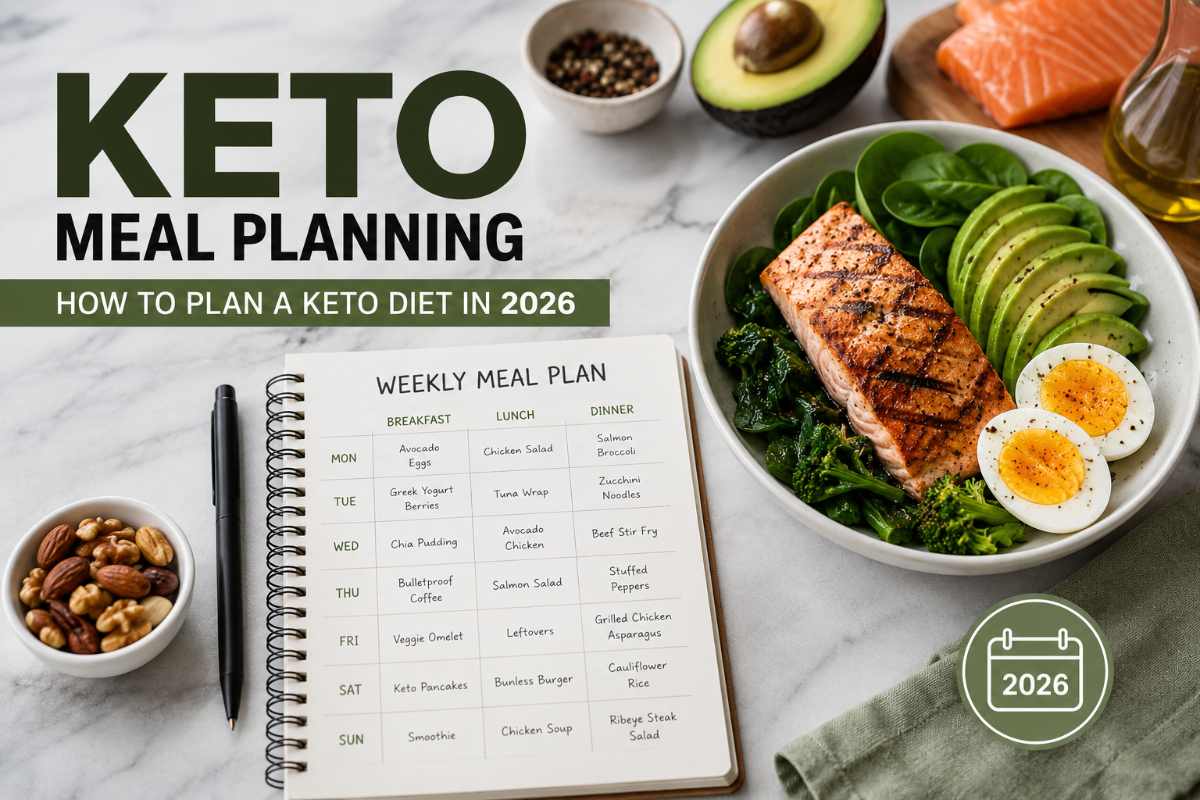
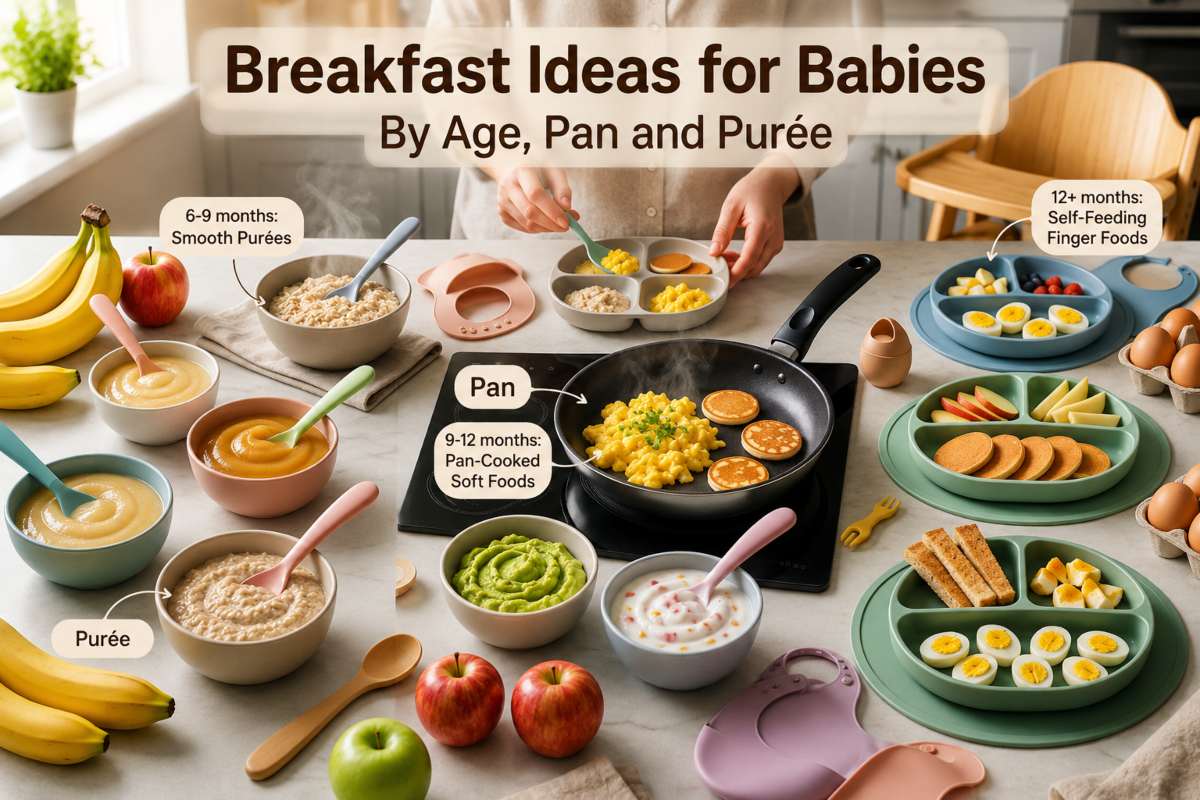
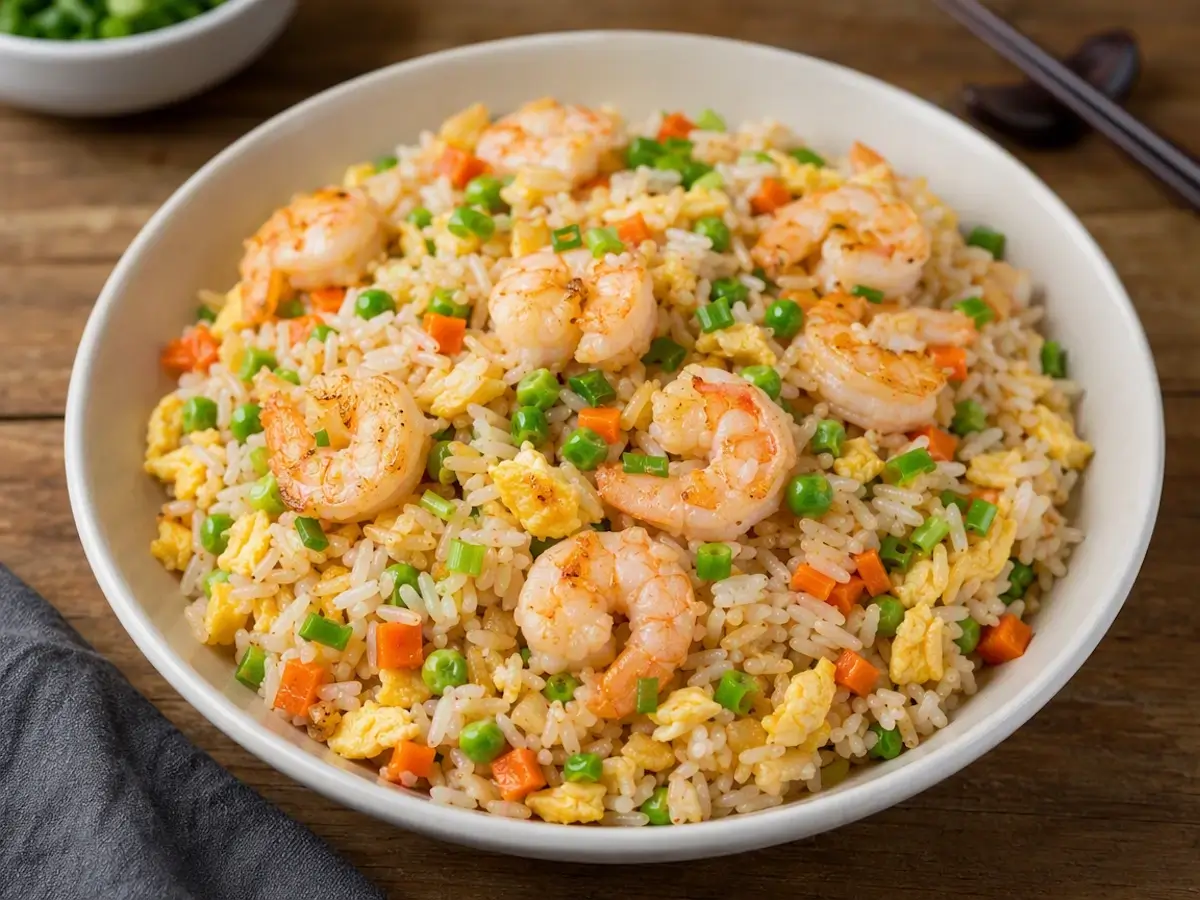
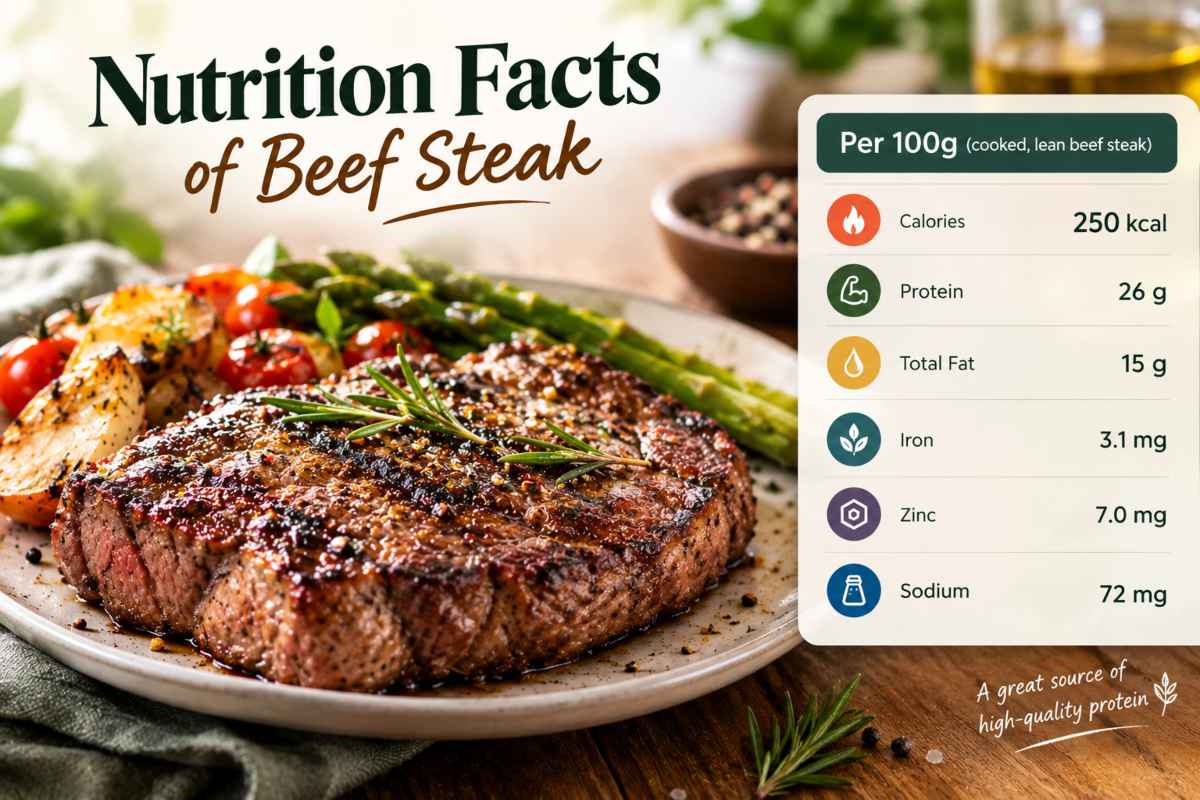
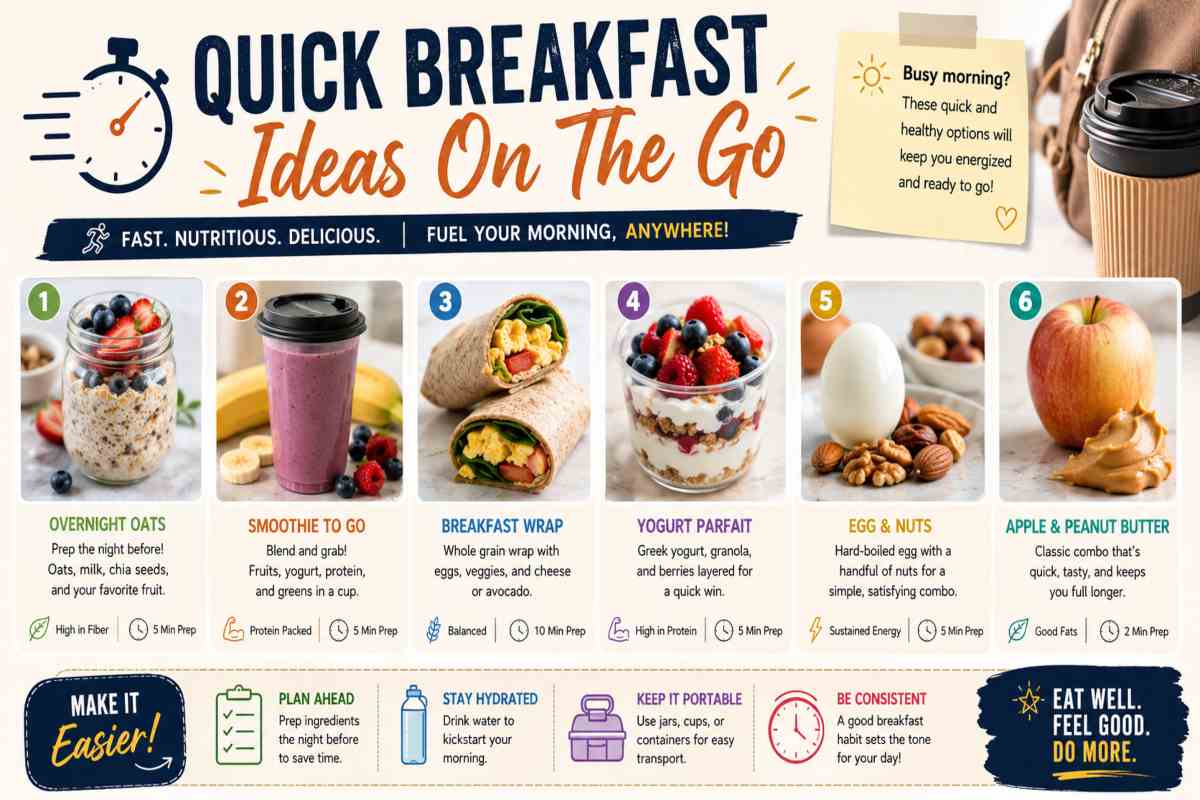


1 Comment. Leave new
Such a helpful list of healthy breakfast ideas! 🥑🍳✨