
Sunday mornings have a different pace. The kind where you don’t mind standing at the stove, swirling a pan, watching something thin and golden take shape. That exactly the feeling this pancake breakfast recipe was built for, and yet it’s quick enough to pull off on a Tuesday when you want something better than toast.
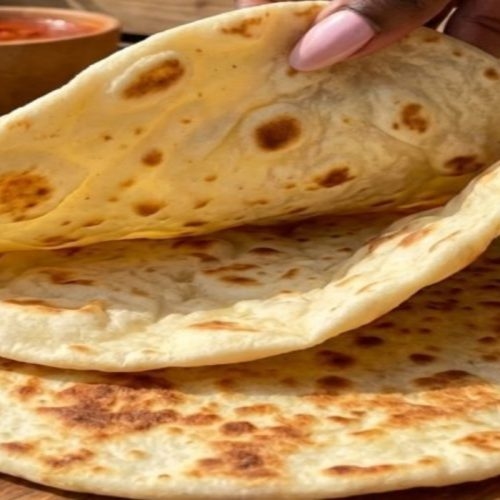
These aren’t the thick, pillowy American style stacks. These are thin, silky, slightly crisp at the edges, and tender enough in the center that they practically melt. Call them crepes, call them flat pancakes, call them what your grandmother called them, whatever the name, they’re the kind of how to make breakfast pancakes recipe that gets requested again and again once people taste them.
The batter comes together in five minutes. The cooking goes fast. And unlike many breakfast options, they work beautifully for both sweet and savory dishes, making this one of the most versatile recipes in our whole Breakfast Recipes collection.
Why This Thin Breakfast Pancake Recipe Works
Most thin breakfast pancake failures come down to one of three things, batter that’s too thick, a pan that’s not hot enough, or skipping the rest time. This recipe addresses all three. The batter is deliberately thin, close to the consistency of heavy cream, so it spreads across the pan on its own when you swirl. The paste method of mixing (bringing the flour and eggs together before adding the rest of the milk) eliminates lumps without over-whisking. And even a short five-minute rest before you start cooking makes a real difference to the final texture.
These healthy pancake breakfast are also naturally lighter than their thick counterparts. Each serving comes in at around 125 calories, with a decent protein contribution from the eggs and milk. They’re not diet food, but they’re far from heavy, and because they’re so thin, you can fill them with fresh fruit, natural yogurt, or a spoonful of nut butter and feel genuinely satisfied without that post-breakfast brick in the stomach feeling.
What You Need to Know Before You Start
Room temperature ingredients make a difference. Cold milk and eggs straight from the fridge can cause the flour to clump rather than blend smoothly. If you’re in a rush, just let the milk sit on the counter for ten minutes or warm it briefly in the microwave. This one step takes the batter from “good enough” to noticeably smoother.
Your first pancake is a sacrifice. This is not a flaw in this breakfast pancake recipe, it’s a feature. Every experienced cook knows the first pancake is really just a test run for the pan. It gauges the heat, absorbs excess butter, and lets you check the batter consistency. If it’s too thick, add a tablespoon of milk and stir. If it tears, the pan might not be hot enough yet. By the second pancake, you’ll be in your rhythm.
The swirl matters. The moment batter hits the pan, it starts to set. You have about two seconds to tilt and swirl the pan so the batter reaches the edges in an even, thin layer. Hesitate, and you’ll end up with a thick patch in the middle. Practice the motion with the pan off the heat a couple of times before you pour.
Making Delicious Pancake Breakfast
Yields: 8–10 crepes Prep time: 5 minutes Cook time: 15 minutes
Ingredients
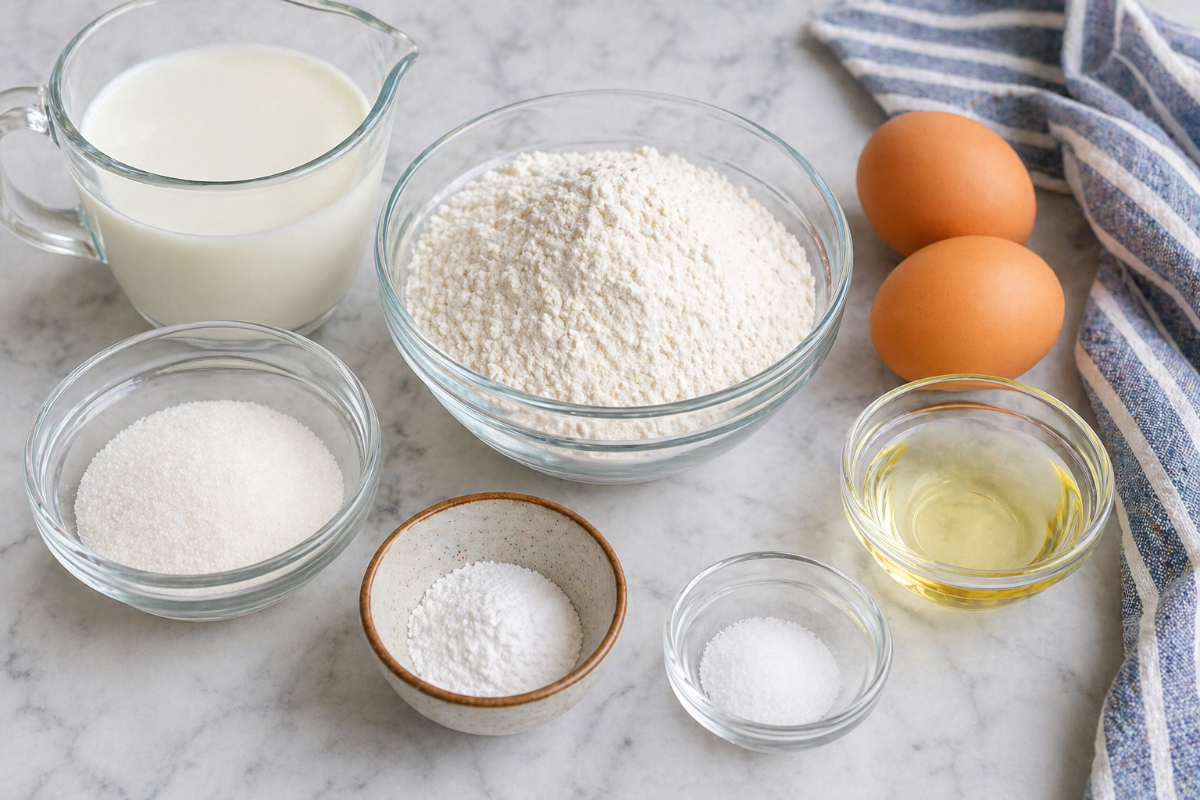
-
1 cup all-purpose flour
-
2 large eggs
-
1 ½ cups milk (plus a little extra to adjust consistency)
-
2 tbsp oil or melted butter
-
3 tbsp sugar (optional, for sweet pancakes)
-
¼ tsp salt
-
1/4 tsp baking powder
Step-by-Step Instructions For Pancake Breakfast
-
Whisk the Base In a large mixing bowl, combine the all-purpose flour, salt, baking powder, and sugar. Create a well in the center and add the eggs and half of the milk. Whisk from the center outward until a thick, smooth paste forms. This “paste method” is the best way to ensure there are no flour lumps.
-
Thin it Out Gradually pour in the remaining milk while whisking continuously. Continue until the batter is smooth and has the consistency of heavy cream. Stir in your melted butter or oil.
-
The Pan Prep Heat a high-quality non-stick pan over medium heat. Lightly grease the surface with a tiny bit of butter or oil on a paper towel, you want a sheen, not a pool of grease.
-
The Swirl Technique Pour about ¼ cup of batter into the center of the pan. Immediately lift the pan and swirl it in a circular motion so the batter spreads thinly to the edges.
-
The Golden Flip Cook for 1–2 minutes. You’ll know it’s ready to flip when the edges begin to lift and turn slightly golden. Use a thin spatula to flip and cook the other side for an additional 30–60 seconds.
-
Keep Them Soft As you finish each pancake, stack them on a plate and keep them covered with a clean kitchen towel. The steam trapped under the cloth is what keeps the crepes soft and pliable for rolling.
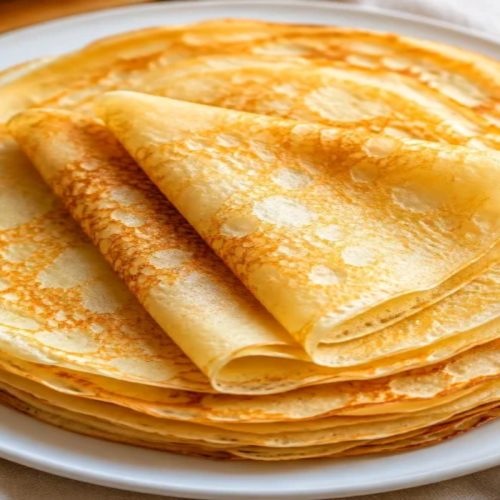
How to Make Thin Breakfast Pancakes
Ingredients
- 1 cup all-purpose flour
- 2 large eggs
- 1 ½ cups milk adjust for consistency
- 2 tbsp oil or butter melted
- 3 tbsp sugar optional
- 1/4 tsp salt
- 1/4 tsp baking powder
Instructions
- In a large mixing bowl, combine the all-purpose flour, salt, baking powder, and sugar. Create a well in the center and add the eggs and half of the milk. Whisk from the center outward until a thick, smooth paste forms. This "paste method" is the best way to ensure there are no flour lumps.
- Gradually pour in the remaining milk while whisking continuously. Continue until the batter is smooth and has the consistency of heavy cream. Stir in your melted butter or oil.
- Heat a high-quality non-stick pan over medium heat. Lightly grease the surface with a tiny bit of butter or oil on a paper towel—you want a sheen, not a pool of grease.
- Pour about ¼ cup of batter into the center of the pan. Immediately lift the pan and swirl it in a circular motion so the batter spreads thinly to the edges.
- Cook for 1–2 minutes. You’ll know it’s ready to flip when the edges begin to lift and turn slightly golden. Use a thin spatula to flip and cook the other side for an additional 30–60 seconds.
- As you finish each pancake, stack them on a plate and keep them covered with a clean kitchen towel. The steam trapped under the cloth is what keeps the crepes soft and pliable for rolling.
Video
Notes
Nutrition
Pancake Breakfast Toppings Sweet and Savory Serving Ideas
One of the best things about this pancake breakfast style is that it genuinely works both ways. The batter is subtle enough to let any topping shine, and because the pancake is thin, the filling-to-pancake ratio is higher than with thick stacks, meaning you get more flavor in every bite.
Sweet Pancake Breakfast Toppings
Fresh strawberries with a spoonful of Greek yogurt are one of the cleanest, most satisfying combinations you can put together. Roll the pancake around the filling and eat it like a wrap, it holds together beautifully. A drizzle of honey over the top is optional but lovely.
For something a little more indulgent on weekends, try spreading a thin layer of hazelnut spread inside, then folding it into quarters and topping with sliced banana. The warm pancake softens the banana slightly, and the whole thing is genuinely dessert-level good. Serve with a cup of coffee from our Easy Avocado Blueberry Smoothie on the side for a full breakfast spread.
Classic lemon and powdered sugar is the French standard for a reason. A dash of freshly squeezed lemon brightens the flavor. butteriness of the pancake, and the sugar dissolves slightly from the residual warmth. Simple, elegant, and done in seconds.
Sliced mango, a little lime zest, and a drizzle of condensed milk work especially well in summer. The fruit is bright and fresh, and the condensed milk adds just enough sweetness without overwhelming. This pairing is one our readers keep coming back to.
For a lighter morning, pair these with our Strawberry Banana Smoothie , the natural sweetness of the smoothie and the neutral pancake base complement each other perfectly.
Savory Pancake Breakfast Toppings
Skip the sugar in the batter entirely, and the door opens to a whole different direction. Thinly sliced smoked salmon with a spoonful of cream cheese and capers makes a brunch plate that looks like it came from a café. Add a few thin cucumber slices, and you’re done.
Ham and melted cheddar are the reliable savory classics. Fold the pancake around the filling like a parcel, press it back into the warm pan for thirty seconds, and the cheese melts into everything. Kids love this version.
Sautéed mushrooms and a soft-poached egg inside a thin pancake make for a complete breakfast. Serve alongside a portion of our Peanut Butter Banana Overnight Oats for a full, high-protein start to the day.
Are Pancakes a Healthy Breakfast?
This question comes up constantly, and the answer is more nuanced than most people expect. Are pancakes a healthy breakfast food? Not always, but these thin ones are a much better choice than the thick stack versions for several reasons.
Each thin pancake in this recipe comes in at roughly 125 calories with 5g of protein, 20g of carbohydrates, and 3g of fat. That’s a reasonable nutritional profile for a breakfast item, especially because the eggs provide a quality protein source and the milk contributes calcium. Compare that to a traditional thick pancake loaded with sugar and topped with half a cup of maple syrup, and these are in a completely different nutritional category.
Are pancakes good for breakfast? Yes, when made this way. The thinner style means a smaller portion of refined flour per serving. Because the eggs and milk are doing so much structural work in the batter, the protein content is higher relative to carbohydrates than a mix-based alternative. To make them even more nutritious, you can swap up to half the flour for whole wheat flour, the texture changes slightly (a little less silky, a little more substantial), but the flavor is still excellent.
Food scientists at Washington State University have been actively researching ways to improve the nutritional profile of pancakes by adding whole grains, noting that the challenge is maintaining texture while boosting fiber and protein. The approach in this recipe, eggs and milk as the primary structure rather than leavening agents, is already a step in a healthier direction than baking-powder-heavy, thick pancake recipes.
The real nutritional variable is toppings. Fresh fruit, yogurt, and a small drizzle of honey keep things balanced. A full pour of maple syrup and a side of whipped cream is a treat, not a health food. Both are valid choices depending on the day, just know the difference going in.
Dietary Variations Worth Knowing For Pancake Breakfast
Dairy Free Pancake Breakfast
Replace the milk with oat milk, almond milk, or full fat coconut milk. Oat milk produces the closest result to regular milk in terms of texture, it’s creamy enough that the batter behaves almost identically. Coconut milk gives a subtly sweeter, slightly richer result that works especially well with tropical fruit toppings. Use a neutral oil, such as coconut or vegetable oil, instead of butter.
Gluten Free Pancake Breakfast Option
A 1:1 gluten-free plain flour blend (the kind that contains xanthan gum) works reasonably well here. The pancakes will be slightly more delicate when flipping, so handle them gently. Let the batter rest for at least 10 minutes, gluten-free flours need a little longer to hydrate fully.
Higher Protein Version
Add 1 extra egg to the batter and reduce the milk by ¼ cup to compensate for the extra liquid. The result is a more egg-forward pancake, similar to a thin French crêpe, with noticeably better satiety. These pair well with savory fillings.
Lower Sugar Option
The 3 tablespoons of sugar in the batter of pancake breakfast are optional and mainly affect browning and flavor when eaten plain. If you’re serving these with a sweet topping, skip the sugar in the batter entirely. The pancakes will be slightly paler in color but will taste just as good with any filling.
How to Make Pancake Breakfast Ahead of Time
This is where these thin pancakes genuinely shine, they are one of the best batch-cook breakfast options because they store and reheat beautifully.
Making the Batter Ahead
The batter can be made the night before and stored covered in the refrigerator overnight. In fact, overnight resting produces a batter that is even smoother and more relaxed than a short rest. Give it a good stir before you start cooking, it will have thickened slightly, so you might need an extra splash of milk to bring it back to the right consistency.
Storing Cooked Pancakes
Let the pancakes cool completely, then stack them with a small piece of parchment or baking paper between each one to prevent sticking. Store in an airtight container in the fridge for up to 3 days.
Freezing
These freeze exceptionally well. Stack with parchment between each pancake, place in a zip-lock freezer bag, and freeze for up to 2 months. To reheat from frozen, either warm in a dry non-stick pan for 30 seconds each side, or microwave (covered with a damp paper towel) for about 45 seconds.
Reheating Without Drying Out
The biggest mistake people make when reheating is using too high a heat. Low and slow is better, a dry pan on low heat for about a minute brings the pancake back to soft and pliable without making it rubbery. A small knob of butter in the pan adds a freshness that makes reheated pancakes taste newly made.
Common Problems With Your Pancake Breakfast
Batter has lumps
Go back to the paste method. Whisk the eggs and flour together without any milk first until you have a smooth, thick paste, then add the milk gradually. If lumps remain, press the batter through a fine sieve or blitz briefly with a hand blender.
Pancakes are tearing when flipped
Two possible causes, either the pan isn’t hot enough (the pancake needs to be set enough to hold together when flipped), or the batter is too thick. Add a splash of milk, stir, and try again. The pancake should release cleanly from the pan with just a gentle shake before flipping.
Pancakes are sticking
You need more fat in the pan. Use a paper towel or silicone brush to apply a thin, even layer of butter or oil before each pancake, especially the first few. After that, the pan becomes naturally more non-stick as it builds up a seasoned surface.
Pancakes are rubbery
Over-whisking is the most common cause. Once the batter is smooth, stop. Excessive whisking develops gluten and creates elasticity, which fights against the delicate texture you’re after. Resting the batter for five to ten minutes also helps the gluten relax.
Color is uneven or too pale
Pan temperature is either too low (pale, soft pancakes) or too high (browned patches with raw centers). Medium heat is the target. If your stove runs hot, set it to medium-low. The first pancake will tell you everything you need to know.
Final Thoughts
There’s something quietly satisfying about getting a thin pancake right. That moment when the edges lift cleanly, the center is just set, and the whole thing slides off the spatula onto the plate in one perfect piece, that’s the payoff for understanding a few simple techniques rather than just following steps unquestioningly. This Pancake Breakfast recipe isn’t complicated. It doesn’t need special equipment or rare ingredients. It just needs a little attention to the batter consistency, a properly heated pan, and the confidence to let the first one be imperfect. Once you’ve made it two or three times, it becomes automatic.
If you like this recipe of pancake breakfast, try our other delicious recipes:
Frequently Asked Questions (FAQs)
Why do thin Pancake Breakfast taste different from thick ones?
The ratio of egg to flour is much higher in thin pancakes, which gives them a more delicate, slightly richer flavor and a silkier texture. Thick pancakes rely more on baking powder for volume, resulting in a spongier, breadier texture. It’s a genuinely different eating experience, not just a matter of size.
Are pancakes good for breakfast every day?
Occasional pancakes are perfectly fine as part of a balanced diet. Made from scratch with eggs and milk, like this recipe, they provide protein, carbohydrates, calcium, and B vitamins. The concern with daily pancakes is usually the topping situation, a modest amount of fresh fruit and a drizzle of honey is very different from a daily maple syrup pour. Use these as a once or twice-weekly treat, and they slot easily into a healthy diet.
Are pancakes a healthy breakfast food compared to eggs or oatmeal?
Eggs and oatmeal tend to provide more sustained energy because of their higher protein and fiber content. But pancake breakfast made from scratch, as opposed to box mixes loaded with additives, is a reasonable choice, especially when topped with fruit or protein-rich fillings. The thin style here is already a lighter option than diner-style thick pancakes.
Can I make the batter of pancake breakfast without a mixer?
Yes, and honestly, a whisk by hand gives you better control. The key is the paste method, whisking flour and eggs together before the milk goes in. That technique requires no equipment, just a bowl and a whisk, and produces a smoother batter than throwing everything in at once.
Can I use plant milk for healthy pancakes for breakfast?
Oat milk is the top recommendation. It has a creamy consistency that behaves most like dairy milk in hot cooking situations. Almond milk works but is thinner, so you may need a touch less of it to keep the batter at the right consistency.
How long does the batter last in the fridge?
Up to 48 hours. Stir it well before using, since the flour may have settled. The batter actually improves slightly after a long rest as the flour fully hydrates and the gluten relaxes, meaning your second-day pancakes might actually be better than the fresh batch.
What is the best pan for thin breakfast pancakes?
A good non-stick pan of 10–12 inches is ideal. If you cook pancakes or crepes regularly, a dedicated crepe pan with shallow sides makes flipping significantly easier. Cast iron works but requires more careful heat management. Whatever you use, make sure it’s fully preheated before the first pour.
Can I add vanilla to the batter of a pancake breakfast?
Absolutely, half a teaspoon of vanilla extract is a great addition if you are making sweet pancakes. It rounds out the flavor without changing the texture. Add it at the same stage as the butter or oil.









1 Comment. Leave new
These pancakes look so light and delicious! 🥞✨ Perfect for a cozy breakfast!