
This is the best homemade chicken burger recipe you will make, golden crusted ground chicken patties seasoned with sautéed aromatics, a touch of brown sugar and Worcestershire sauce, then pan fried to juicy perfection in under 30 minutes. Most people avoid making chicken burgers at home because ground chicken has a reputation for turning out dry, bland or crumbly. That reputation is entirely deserved, when the recipe is wrong. The problem is not the ingredient.
It is the approach. Ground chicken is leaner than beef, which means it needs moisture building ingredients, pre cooked aromatics and the right amount of heat to develop that crispy, caramelized exterior without sacrificing the tender, juicy interior underneath. This chicken burger recipe fixes every one of those problems. The patties hold together cleanly, sear beautifully in a skillet and deliver a depth of flavor that most takeout versions can not match. You do not need a deep fryer, a grill or any special equipment just one pan, a bowl and about 25 minutes.
Whether you are making a quick weeknight dinner for the family, meal prepping patties for the week ahead or looking for a crowd pleasing weekend cook, this recipe works every single time without adjustments. What you will also find in this guide goes beyond the base recipe. You will learn how to cook chicken burgers in the oven, on the grill, and in the air fryer, how to make the best chicken burger sauces from scratch and how to adapt the seasoning for everything from a spicy Nashville style crispy chicken burger to a Mediterranean inspired patty with Greek herbs. One recipe, endless directions and all of it starts right here.
Why This Is the Best Chicken Burger Recipe
This chicken burger recipe stands out because it solves the three problems that ruin most homemade versions dryness, blandness and patties that fall apart using simple techniques and everyday ingredients that work together from the very first bite. The difference is not one magic ingredient. It is a system. Sautéed onions and garlic are folded into the ground chicken rather than added raw, which builds a deeper savory base without releasing excess moisture mid cook.
Brown sugar creates caramelization on the exterior so the patty develops a golden, slightly crisp crust in a regular skillet. Worcestershire sauce adds umami depth that plain salt and pepper simply can not replicate. And coconut flour or breadcrumbs bind everything together so the patty holds its shape through cooking, flipping and stacking without crumbling. Every component has a job and together they produce a chicken burger that is genuinely better than most restaurant versions not just pretty good for homemade.
The Secret to Keeping Ground Chicken Juicy
Ground chicken stays juicy when you add moisture retaining ingredients to the mix before cooking, because the meat itself contains very little fat to protect it from drying out under heat. The key is what goes into the patty before it ever hits the pan. Worcestershire sauce adds liquid flavor that penetrates the meat rather than sitting on the surface.
The egg contributes richness and helps lock in moisture as the patty cooks. Sautéing the onion first is critical raw onion releases water as it heats, which creates steam inside the patty and prevents the sear you are working toward. Cooking the aromatics beforehand means all that flavor stays in the meat without the unwanted moisture.
Brown sugar plays a quieter but important role. It encourages the Maillard reaction the caramelization that forms a lightly crusted exterior which acts as a seal that keeps internal juices from escaping too quickly. The result is a patty that is firm and golden on the outside and tender all the way through, which is exactly what a great chicken burger should be.
What Makes a Crispy Chicken Burger Without Deep Frying
A crispy chicken burger does not require a deep fryer it requires dry heat, the right fat and a pan you do not overcrowd. The crispiness on this patty comes from pan frying in enough olive oil to coat the base of the skillet, over medium high heat, without moving the patty once it is placed down. Resistance to flipping is what builds the crust. The moment you press down or shift the patty too soon, you release the steam that is forming underneath and break the developing crust before it sets.
Coconut flour or fine breadcrumbs in the mix also contribute to the exterior texture. As the patty cooks, the outer layer dries slightly and firms up, giving you that satisfying surface bite before you hit the juicy interior. If you want an even crispier finish, a light press of panko breadcrumbs on the outer surface of the shaped patty before it goes in the pan adds an extra crunch layer without requiring any batter or deep frying at all.
Pan Fried vs Grilled vs Oven Baked vs Air Fryer Which Method Wins?
Pan frying produces the best overall chicken burger for most home cooks. The direct contact with a hot, oiled skillet creates the crispiest crust and the most controlled cook but each method has a place depending on what you are after.
Pan frying is the method used in this recipe and the one that delivers the most consistent results. Medium high heat, two tablespoons of olive oil and five to six minutes per side gives you a golden, caramelized crust and a fully cooked interior without drying out the meat. It is fast, requires no special equipment and works on any stovetop.
Grilling works well if you are cooking outdoors or want a smoky, slightly charred flavor. The challenge with ground chicken on a grill is that the patties need to be firmer, so refrigerate them for at least 20 minutes before grilling to reduce the risk of sticking or breaking apart. Use a well oiled grate and cook over medium heat rather than high to avoid scorching the exterior before the center reaches 165°F.
Oven baking is the right choice when you are cooking a large batch or want a hands off method. Bake at 400°F (200°C) on a lightly oiled baking sheet for 20 to 22 minutes, flipping once at the halfway mark. You would not get the same crust as pan frying, but the patties come out evenly cooked and work well for meal prep. If you want a little color on top, finish them under the broiler for two minutes at the end.
Air frying is the best option if you want crispy results with minimal oil. Preheat the air fryer to 375°F (190°C), lightly spray the basket and cook the patties for 12 to 14 minutes, flipping once. The circulating heat firms up the exterior nicely and the cleanup is minimal. It is a strong middle ground between the crust of pan frying and the convenience of baking.
Making the Best Chicken Burger With Patty
This recipe transforms ground chicken into something extraordinary. Nevertheless, instead of drying out, the burgers remain tender and juicy, thanks to aromatic seasonings, sautéed onions, and a balance of savoury and sweet flavours. No complicated techniques or hard to find ingredients, just real flavour in every bite. To make this recipe, you will need the following:
Ingredients

- 1 lb ground chicken
- 3/4 cup coconut flour or 1/2 cup breadcrumbs
- 1 tbsp chopped parsley
- Salt and pepper to taste
- 1 tsp minced garlic
- 3 tbsp olive oil, divided
- 1 small onion, finely chopped
- 1 tsp onion powder
- 2 tbsp Worcestershire sauce
- 1 large egg
- 1 tbsp brown sugar
Best Type of Chicken to Use Ground, Breast, Fillet and Mince
Ground chicken is the best choice for homemade chicken burger patties because it gives you full control over texture, seasoning distribution and binding producing a cohesive patty that holds together far better than hand cut or shredded alternatives.
If you are buying from a store, look for ground chicken that includes a mix of white and dark meat. Pure breast only ground chicken is leaner, which makes the patty more prone to drying out. A blend that includes thigh meat adds just enough natural fat to keep the interior tender without making the patty greasy. If you can only find breast only ground chicken, the Worcestershire sauce and egg in this recipe compensate well just do not skip them.
Chicken breast works if you process it yourself. Cube the breast, pulse it in a food processor until it resembles coarse mince and stop before it becomes a paste. Over processing turns it rubbery once cooked. Chicken fillet follows the same approach and produces a slightly finer texture, which some people prefer for a more uniform patty.
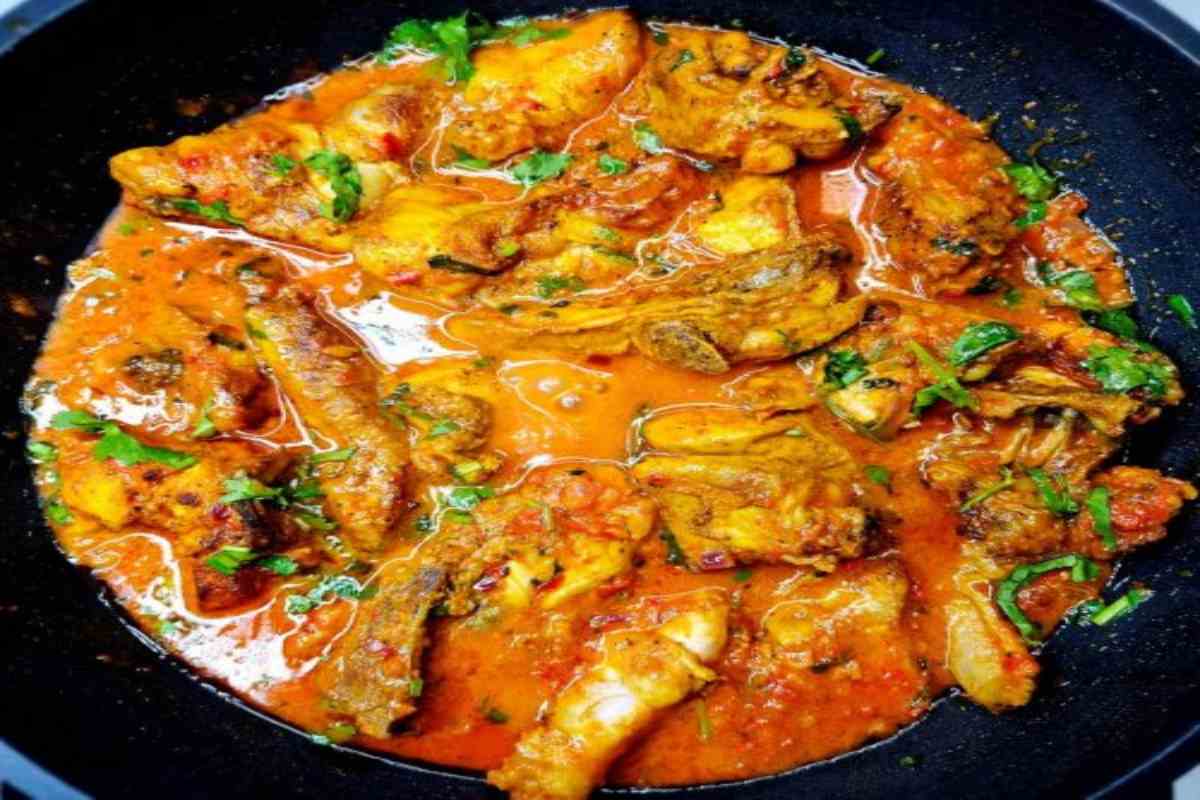
Chicken mince sold in many Asian and South Asian grocery stores is essentially the same as ground chicken and works identically in this recipe. It is often a finer grind, which produces a slightly denser patty. If you are after a more textured bite, a coarser grind or hand minced chicken gives you better results. For a deeper, spiced flavor profile using chicken mince, our Masala Chicken Roast Recipe is a great reference for the seasoning combinations that work particularly well with that cut.
Binding Agents That Keep Patties Together Egg, Breadcrumbs and Coconut Flour
Chicken burger patties need binding agents because ground chicken has very little connective tissue and fat to hold the mixture together naturally without them, the patty cracks, crumbles or falls apart the moment it hits the pan.
This recipe uses two binding agents working in combination. The egg acts as the primary structural binder. As it heats, the proteins in the egg set and essentially glue the ground chicken and aromatics into a single cohesive mass. One large egg is enough for one pound of ground chicken any more and the patty starts to taste eggy rather than meaty.
The second binder is either coconut flour or breadcrumbs and the choice between them changes the final result in a subtle but noticeable way. Coconut flour is more absorbent, which means it soaks up the moisture from the Worcestershire sauce and the egg and holds it inside the patty during cooking. This is particularly useful if your mixture feels wet or sticky after mixing. It also keeps the recipe gluten free. Breadcrumbs standard or panko add a slightly lighter texture and produce a marginally crispier exterior. Panko in particular gives you a bit more surface crunch when the patty hits the hot oil.
If you are making a keto or low carb version, coconut flour is the right call. If you want the crispiest possible finish, panko breadcrumbs are worth the swap. Either way, the ratio stays the same and the patty holds together reliably through cooking and handling.
The Seasoning Blend That Makes All the Difference
The seasoning in this chicken burger recipe is built around layered savory depth rather than heat or complexity. It enhances the chicken without masking it, which is what separates a genuinely good patty from one that tastes like seasoned filler. Worcestershire sauce is the anchor. It brings umami, a slight tang and a savory richness that plain salt cannot replicate.
Two tablespoons might seem like a lot for one pound of meat, but ground chicken absorbs flavor less aggressively than beef, so you need a bolder hand with liquid seasonings. It also contributes to the caramelization on the exterior as the patty cooks, deepening the color and adding to the overall crust.
Brown sugar is the balance point. A tablespoon cuts the sharpness of the Worcestershire sauce and creates a subtle sweet savory contrast that makes the patty taste more complete and rounded. It is not enough to taste sweet it is enough to taste intentional. Onion powder works alongside the sautéed fresh onion to add a second layer of allium flavor that stays more evenly distributed throughout the patty.
Fresh garlic adds sharpness and fragrance. Parsley keeps things fresh and prevents the finished burger from tasting too heavy. Salt and pepper are added to taste, but err slightly generous ground chicken is mild by nature and needs seasoning throughout the mix, not just on the surface. Together this blend produces a patty that tastes balanced, savory and deeply seasoned from the first bite to the last which is exactly what makes people go back for a second one.
How to Make a Chicken Burger Step by Step

- Sauté aromatics In a medium skillet, heat 1 tbsp of olive oil. Add the chopped onion and cook until translucent, about 3 minutes. Add the minced garlic and cook until fragrant, about 1 minute. Remove from heat.
- Prepare the mixture In a medium bowl, mix the ground chicken, sautéed onions and garlic, parsley, onion powder, brown sugar, Worcestershire sauce, egg, coconut flour or breadcrumbs, salt, and pepper. Stir until fully combined.
- Chill if needed If the mixture feels too wet to handle, refrigerate it for 20 minutes to firm up.
- Form the patties With lightly moistened hands, shape the chicken mixture into round, flat patties using about 3 tablespoons per patty.
- Cook the burgers Heat the remaining 2 tbsp olive oil in a large skillet over medium-high heat and cook the patties for 5–6 minutes on each side, or until golden brown and the internal temperature reaches 165°F (74°C).
- Serve and enjoy Serve your juicy chicken patties on burger buns with toppings like lettuce, tomatoes, pickles, or your favourite sauce. For a low-carb option, enjoy them bun-less or wrapped in lettuce.
How to Shape Perfect Chicken Burger Patties
Shaping chicken burger patties correctly is what determines whether they cook evenly, hold together under heat and fit the bun the way they should and it takes less than two minutes once your mix is ready.
Start with lightly moistened hands. Ground chicken is stickier than beef and dry hands cause the mixture to cling and tear rather than shape cleanly. Scoop about three tablespoons of mixture per patty. This produces a generous burger without being unwieldy. Roll it loosely into a ball first, then press it flat between your palms to about half an inch thick. Thinner than that and the patty dries out too quickly. Thicker and the center struggles to reach 165°F before the exterior overcooks.
Make the patty slightly wider than your burger bun because it will shrink by about 15 to 20 percent during cooking as moisture is released from the meat. A patty that looks a little oversized before it cooks will fit the bun almost perfectly once it comes out of the pan. If you want a cleaner, more uniform shape, press the formed patty into a lightly oiled round cookie cutter or the lid of a large jar.
If the mixture feels too soft to shape cleanly, refrigerate it for 20 minutes. Cold mixture firms up enough to handle without losing any of the moisture or flavor you have built into it. Do not skip this step if your kitchen is warm, a patty that is too soft will spread unevenly in the pan rather than hold its form.
How to Pan Fry Chicken Burgers American Style
Pan frying is the classic American method for cooking chicken burgers at home it produces a deeply golden, caramelized crust with a juicy interior in under 15 minutes on a standard stovetop.
Heat two tablespoons of olive oil in a large skillet over medium high heat. The oil should shimmer before the patties go in if it is not hot enough, the patty will absorb the oil and steam rather than sear. Place the patties in the pan without crowding them leave at least an inch between each one so the heat circulates properly and the crust forms rather than the moisture getting trapped.
Cook for five to six minutes on the first side without touching or pressing the patty. Pressing down squeezes out the juices you have worked to retain and breaks the developing crust. The patty is ready to flip when it releases naturally from the pan if it sticks, it needs another minute. Flip once, cook for another five to six minutes and check that the internal temperature has reached 165°F (74°C) using a meat thermometer at the thickest point.
Rest the patties for two minutes before assembling the burger. This short rest allows the juices to redistribute rather than run out the moment you cut in. The result is an American style chicken burger that is crispy on the outside, moist all the way through and ready to stack.
How to Grill Chicken Burgers Without Them Falling Apart
Grilled chicken burgers are achievable without losing patties through the grate. The key is a firmer mixture, a cold rest before cooking and medium rather than high heat on the grill.
Before the patties go anywhere near a grill, refrigerate the shaped patties for at least 30 minutes. Cold patties are significantly more structurally stable than room temperature ones and this single step prevents the majority of grilling failures with ground chicken. While the patties chill, preheat the grill to medium heat around 375°F to 400°F and clean and oil the grates thoroughly. A well oiled grate is what separates a clean flip from a patty stuck in two pieces.
Place the patties on the grill and close the lid. Cook for five to six minutes on the first side without moving them. Ground chicken needs time to set on the surface before it can be moved without tearing. Flip once, cook for another five minutes and verify the internal temperature reaches 165°F. Avoid pressing the patty with a spatula on a grill this is even more damaging than in a pan because the juices drop directly into the flame and are lost entirely.
The finished grilled chicken burger has a light char and a slightly smoky flavor that pan frying does not replicate. It pairs particularly well with a fresh slaw or a herb based sauce and makes an easy addition to a broader outdoor spread if you are building a full lunch menu around it, our Quick Easy Lunch Recipes has plenty of simple sides that work alongside grilled burgers without adding cooking time.
How to Bake Chicken Burgers in the Oven
Baking chicken burgers in the oven is the best method when you are cooking a large batch or want a completely hands off approach the patties come out evenly cooked, hold their shape well and require almost no attention once they are in.
Preheat the oven to 400°F (200°C) and line a baking sheet with parchment paper or lightly grease it with oil. Place the shaped patties on the tray with a small gap between each one. Bake for 20 to 22 minutes, flipping once at the halfway point around the 10 to 11 minute mark so both sides get even exposure to the oven heat.
The oven would not produce the same caramelized crust as pan frying, but the patties will be fully cooked, juicy and structurally firm. If you want to add some color to the exterior, switch the oven to broil for the final two minutes and keep the tray on the middle rack so the surface firms up and browns without burning. Watch it closely broiler heat intensifies fast and two minutes is usually enough.
Oven baked chicken burger patties are ideal for meal prep because you can cook six to eight at once, cool them completely and store them in the refrigerator for up to four days. Reheat individually in a skillet over medium heat for two to three minutes per side to bring back some of the exterior texture that baking does not build initially.
How to Make Crispy Chicken Burgers in the Air Fryer
The air fryer produces the crispiest chicken burger outside of deep frying, circulating hot air firms the exterior on all sides simultaneously while keeping the interior moist, with minimal oil and easy cleanup.
Preheat the air fryer to 375°F (190°C) for three minutes before cooking. Lightly spray the basket with cooking oil. This prevents sticking and helps the exterior of the patty crisp rather than steam. Place the shaped patties in a single layer in the basket, leaving space between them so the air circulates freely. Crowding the basket blocks airflow and produces uneven results.
Cook for 12 to 14 minutes, flipping once at the halfway mark. The patties should be golden and firm to the touch when done, with an internal temperature of 165°F confirmed by a thermometer. If your air fryer runs hot, check at the 11 minute mark to avoid over crisping the exterior before the center is fully cooked.
For extra crunch, press a thin layer of panko breadcrumbs onto the outer surface of the shaped patty before it goes in the basket. The air fryer sets the breadcrumbs into a satisfying crunch that comes close to the texture of a deep fried crispy chicken burger without the oil, the mess or the extra calories. It is the most efficient method for a single serving and one of the best ways to reheat leftover patties while restoring the texture they lose in the fridge.
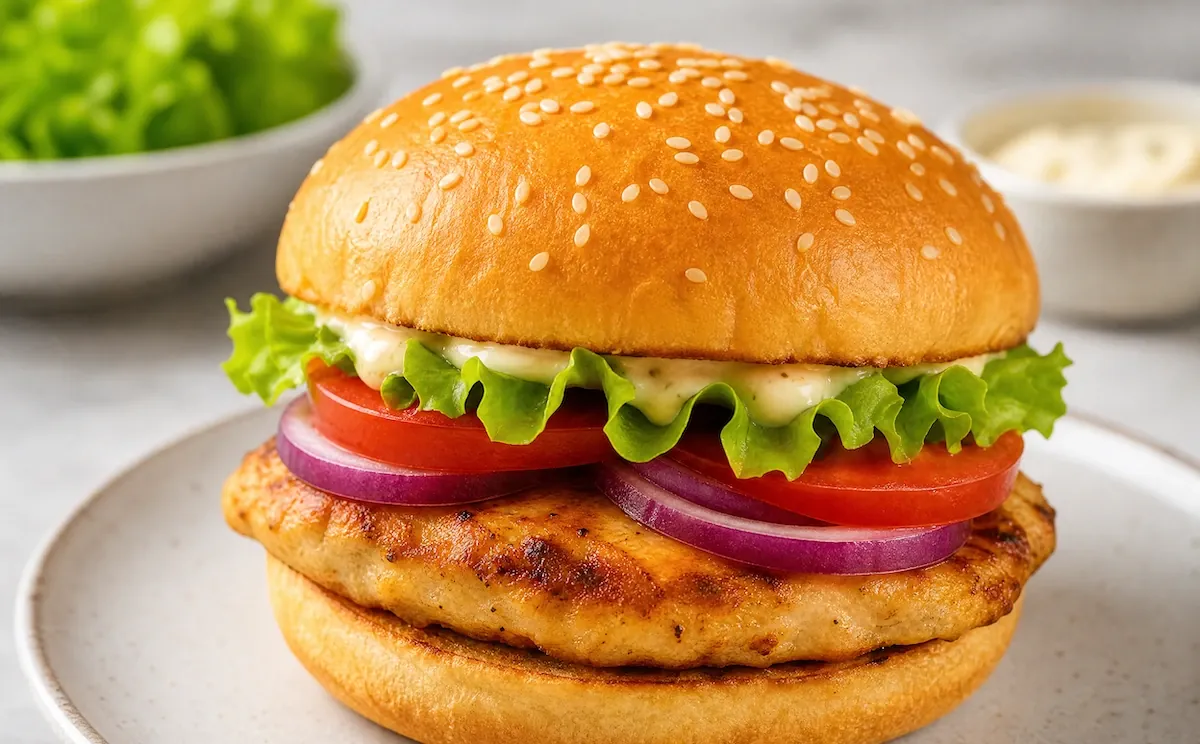
Best Homemade Chicken Burger
Ingredients
- 1 lb ground chicken
- 3/4 cup coconut flour or 1/2 cup breadcrumbs
- 1 tbsp parsley
- salt and pepper to taste
- 1 tsp garlic minced
- 1 tsp onion powder
- 1 tbsp brown sugar
- 1 small onion Finely chopped
- 3 tbsp olive oil
- 2 tbsp Worcestershire sauce
- 1 large egg
Instructions
- In a medium skillet, heat 1 tbsp of olive oil. Add the chopped onion and cook until translucent, about 3 minutes. Add the minced garlic and cook until fragrant, about 1 minute. Remove from heat.
- In a medium bowl, mix the ground chicken, sautéed onions and garlic, parsley, onion powder, brown sugar, Worcestershire sauce, egg, coconut flour or breadcrumbs, salt, and pepper. Stir until fully combined.
- If the mixture feels too wet to handle, refrigerate it for 20 minutes to firm up.
- With lightly moistened hands, shape the chicken mixture into round, flat patties using about 3 tablespoons per patty.
- Heat the remaining 2 tbsp olive oil in a large skillet over medium-high heat. Cook the patties for 5–6 minutes on each side, or until golden brown and the internal temperature reaches 165°F (74°C).
- Serve your juicy chicken patties on burger buns with toppings like lettuce, tomatoes, pickles, or your favorite sauce. For a low-carb option, enjoy them bunless or wrapped in lettuce.
Video
Notes
Please note that the nutritional information is a rough estimate and can vary significantly based on the products used in the recipe
Nutrition
Chicken Burger Sauce Recipes
The right chicken burger sauce takes a good patty and makes it unforgettable and the four options below cover everything from a creamy classic to a smoky BBQ glaze, each one made from pantry ingredients in under five minutes. A chicken burger is more forgiving with sauce than a beef burger because the milder flavor of the meat lets the sauce speak without competing. That works in your favor.
You can go rich and creamy, tangy and spicy, smoky or garlicky and the patty carries all of it well. The key is to have enough sauce to coat every bite, not so much that it overwhelms the crust you worked to build. If you want to explore beyond these four, our full collection of Homemade Sauces has quick, reliable options that pair well with burgers, wraps and everything in between.
Classic Burger Sauce Creamy Mayo Based
A classic burger sauce is the most versatile chicken burger sauce you can make it is creamy, tangy and slightly sweet and it works with every topping combination from lettuce and tomato to pickles and caramelized onions.
To make it, whisk together three tablespoons of mayonnaise, one tablespoon of ketchup, one teaspoon of yellow mustard, one teaspoon of sweet pickle relish, a pinch of garlic powder and a pinch of smoked paprika. Taste and adjust more relish for sweetness, more mustard for tang, more paprika for depth. That is all it takes.
The mayo base is what makes this sauce cling to the bun rather than slide off, which means every bite gets an even hit of flavor rather than a mouthful of plain bread. Spread it generously on both the top and bottom bun before assembling. It keeps refrigerated for up to a week, so making a double batch while you are at it is always worth it.
Spicy Sriracha Chicken Burger Sauce
A spicy sriracha sauce gives a chicken burger the kind of heat that builds gradually rather than hitting all at once it is the right call when you want something with more edge than a classic burger sauce but more nuance than straight hot sauce.
Combine two tablespoons of mayonnaise, one tablespoon of sriracha, one teaspoon of lime juice, half a teaspoon of honey and a pinch of garlic powder. Whisk until smooth. The honey softens the sharpness of the sriracha without canceling the heat and the lime juice cuts through the richness of the mayo to keep the sauce feeling bright rather than heavy.
Adjust the sriracha to your heat preference one tablespoon produces a medium spicy sauce that most people find balanced without being challenging. Two tablespoons push it firmly into the spicy category. This sauce works especially well on a crispy chicken burger because the contrast between the cool, creamy heat of the sauce and the hot, crunchy patty is exactly the kind of textural and flavor tension that makes a burger memorable.
BBQ Sauce for Chicken Burgers
A homemade BBQ sauce for chicken burgers should be smoky, slightly sweet and just thick enough to coat the patty without dripping and it comes together in about three minutes with ingredients already in your pantry.
Stir together three tablespoons of ketchup, one tablespoon of apple cider vinegar, one tablespoon of brown sugar, one teaspoon of Worcestershire sauce, half a teaspoon of smoked paprika and a pinch of garlic powder. If you want more smoke, add a drop of liquid smoke. If you want more heat, a pinch of cayenne brings it without changing the character of the sauce.
This BBQ sauce works particularly well on a grilled chicken burger because the smokiness of both the grill and the sauce reinforce each other in a way that feels cohesive rather than layered. It also doubles well as a glaze brush it onto the patty during the last two minutes of cooking to let it caramelize slightly on the surface, which adds an extra layer of depth to the finished burger. For a creamy contrast alongside it, our Homemade Ranch Dressing is the kind of cool, herby dip that balances a smoky BBQ chicken burger perfectly.
Garlic Aioli for Crispy Chicken Burgers
Garlic aioli is the best sauce for a crispy chicken burger because the richness of the emulsified garlic and oil complements the crunch of the patty without softening it the way a heavier cream based sauce can.
To make a quick aioli, mix three tablespoons of good quality mayonnaise with one small clove of finely grated or pressed garlic, one teaspoon of lemon juice, half a teaspoon of Dijon mustard and a pinch of salt. Whisk until completely smooth. Let it sit for five minutes before using this short rest allows the raw garlic to mellow slightly and the flavors to settle into each other.
The lemon juice is not optional. It is what lifts the sauce and stops it from tasting flat, which is the most common problem with quick aioli made from mayo rather than from scratch. If you want a more pronounced garlic flavor, use two cloves and allow a longer rest up to 20 minutes in the refrigerator intensifies the garlic without making it sharp. Spread it directly on the bottom bun so the patty sits on a layer of aioli, then add your toppings above. The sauce stays where it should and every bite from edge to center gets the full garlic flavor.
Chicken Burger Toppings and Assembly Guide
The toppings and assembly order on a chicken burger matter more than most people realize the right combination adds contrasting texture, temperature and flavor, while the right stacking sequence keeps everything in place from the first bite to the last.
Unlike a beef burger where the patty dominates everything around it, a chicken burger is mild enough that toppings genuinely shape the eating experience. A well built chicken burger with the right toppings tastes like a complete dish. A poorly assembled one tastes like a patty that got buried. The sections below cover the classic approach, the best bun options for different cooking styles and the slaw combinations that elevate a chicken burger from good to genuinely great.
Classic American Chicken Burger Toppings
A classic American chicken burger uses a short list of toppings chosen for contrast something creamy, something crisp, something acidic and something fresh and keeps the assembly clean enough that the patty remains the centerpiece.The standard build that works every time spread the burger sauce or garlic aioli on both the top and bottom bun before anything else goes on. This creates a moisture barrier that stops the bread from going soggy and ensures every bite gets an even hit of sauce rather than a concentrated mouthful at one edge.
On the bottom bun, layer one large leaf of crisp iceberg or butter lettuce, then two slices of ripe tomato seasoned with a pinch of salt, then the hot patty directly on top. If you are adding cheese and sharp cheddar or American cheese both work well here melt it onto the patty in the final minute of cooking rather than placing it cold on a hot patty, where it sits rather than integrates. Above the patty three to four dill pickle slices for acidity and crunch, a few rings of thinly sliced white or red onion for sharpness and the top bun pressed down gently.
The pickle and onion go above the patty rather than below because their job is to cut through the richness of the cheese and sauce on the first bite, not to sit between the bread and the meat where they get compressed and lose their texture. This sequence sauce, lettuce, tomato, patty, cheese, pickle, onion, bun produces a burger that holds together structurally and delivers every element in the right proportion from the first bite to the last.
Best Buns for Chicken Burgers
The best bun for a chicken burger is one that is sturdy enough to hold the patty and toppings without disintegrating, soft enough to compress slightly under pressure without cracking and flavorful enough to complement the patty without competing with it.
Brioche is the most versatile choice and the one that works across the widest range of chicken burger variations. It is slightly sweet, tender and rich enough to stand up to saucy toppings without falling apart. Toast it cut side down in the same skillet you used for the patties the residual oil and fond left in the pan adds flavor to the bread that a dry toaster simply can not replicate. Thirty to forty seconds over medium heat is enough to get a golden surface with a slight crispness that holds against moisture.
Potato rolls are the right call for a juicier, saucier build their slightly denser crumb absorbs sauce without becoming a sodden mess, which makes them ideal for the BBQ or buffalo chicken burger variations. Sesame seed buns are the most classic option and work well for the straightforward American style build where the focus is on the patty and toppings rather than the bread itself. Ciabatta rolls suit the chicken parmesan variation particularly well because the open crumb structure and firmer crust hold up against the marinara without collapsing.
Whatever bun you choose, toasting is non negotiable. An untoasted bun compresses, goes soggy from the sauce and patty moisture and loses structural integrity within minutes of assembly. A toasted bun holds its form through the entire meal and adds a textural contrast to the soft interior of the patty that makes each bite more satisfying.
Slaw Recipes That Pair Perfectly with Chicken Burgers
A well made slaw is the single topping that does the most work on a chicken burger it adds crunch, acidity, creaminess and freshness simultaneously and it bridges the gap between the rich, savory patty and the soft bun in a way that no single topping can match on its own.
Classic creamy coleslaw is the most versatile option and pairs with every variation on this page. Thinly shred half a small green cabbage and one medium carrot, then toss with three tablespoons of mayonnaise, one tablespoon of apple cider vinegar, one teaspoon of sugar, a pinch of celery salt and black pepper to taste. Let it sit for at least ten minutes before using the rest allows the cabbage to soften slightly and the dressing to penetrate rather than sitting on the surface. It keeps refrigerated for two days and actually improves after the first few hours.
Vinegar slaw is the better choice for richer, heavier variations like the Nashville style or Korean gochujang burger, where a creamy slaw would compound the richness rather than cut through it. Shred the same cabbage and carrot, then dress with two tablespoons of rice vinegar or apple cider vinegar, one teaspoon of sugar, a pinch of salt and a drizzle of sesame oil if you are pairing it with the Korean variation. No mayo, no cream just acid, a touch of sweetness and crunch. It is lighter, brighter and does a better job of refreshing the palate between bites of a heavily seasoned patty.
Herb slaw works specifically well with the Mediterranean and Indian style variations. Shred cabbage finely and toss with a handful of fresh mint, flat leaf parsley and coriander, dressed with lemon juice, olive oil, a pinch of sumac or cumin and salt. The fresh herbs mirror the herb profile in the patty seasoning and make the whole burger taste like a single cohesive dish rather than components placed next to each other.
All three slaws can be made ahead, stored separately and added to the burger at assembly keeping them cold until the last moment preserves the crunch that makes slaw worth adding in the first place.
Chicken Burger Storage, Reheating and Meal Prep Tips
Chicken burger patties store and reheat well when handled correctly cooked patties last up to four days in the refrigerator and up to three months in the freezer, making this recipe as practical for meal prep as it is for a single weeknight dinner.
The most common mistake people make with leftover chicken burgers is reheating them too fast at too high a temperature, which drives out the moisture the original recipe worked to retain and turns a juicy patty into something dry and tight. The methods below prevent that entirely.
How to Store Leftover Chicken Burger Patties
Cooked chicken burger patties should be stored in an airtight container in the refrigerator within two hours of cooking this is the window that keeps them safe and preserves the texture for reheating.
Let the patties cool to room temperature before sealing them in a container. Storing them hot traps steam inside the container, which softens the exterior crust and makes the patties slightly wet by the time you open them again. A flat, shallow airtight container works better than a deep one because the patties do not stack and compress against each other, which helps the exterior hold its shape.
If you are storing multiple patties, place a small square of parchment paper between each one. This prevents them from sticking together and means you can pull out a single patty without disturbing the rest. Stored this way, cooked chicken burger patties keep well in the refrigerator for up to four days. Keep them separate from the buns, toppings and sauces assembling everything fresh at reheating time gives you a far better result than storing a fully built burger and trying to revive it later.
For uncooked patties, the same airtight container method applies. Raw shaped patties keep in the refrigerator for up to 24 hours before cooking, which makes them ideal for prepping the night before. The cold rest also firms up the mixture and often produces a slightly better sear than cooking immediately after shaping.
Can You Freeze Chicken Burger Patties?
Chicken burger patties freeze well in both cooked and uncooked form, keeping their flavor and texture for up to three months when properly wrapped making a double batch specifically for the freezer is one of the most efficient ways to use this recipe.
To freeze uncooked patties, shape them as directed, then place them on a parchment lined baking sheet in a single layer and freeze for one to two hours until firm. This flash freeze step prevents them from sticking together permanently once transferred to a bag. Once firm, stack them with a square of parchment paper between each patty, place them in a zip lock freezer bag, press out as much air as possible and seal. Label with the date they keep at their best quality for up to three months.
To freeze cooked patties, cool them completely first, then use the same parchment and bag method. Cooked patties actually reheat slightly more evenly from frozen than raw patties cook from frozen, because the proteins are already set and the moisture has already been sealed in by the initial cooking process.
To use frozen uncooked patties, transfer them to the refrigerator the night before and allow them to thaw completely before cooking cooking from frozen produces uneven results, with the exterior overcooking before the center reaches the required 165°F. Frozen cooked patties can go straight into a skillet from the freezer over medium low heat with a lid on or into the oven at 350°F for 15 minutes, which brings them back to temperature gently without drying them out.
How to Reheat a Chicken Burger Without Drying It Out
The best way to reheat a chicken burger patty is in a skillet over medium low heat with a splash of water and a lid the gentle heat warms the interior without driving out moisture and the steam created by the water softens the patty back to something close to its original texture.
Place the patty in a lightly oiled or non stick skillet over medium low heat. Add one tablespoon of water to the pan beside the patty not on top of it and immediately cover with a lid. The water creates a small steam environment inside the covered pan that heats the patty from the outside and inside simultaneously without the direct, drying heat of a hot pan alone. Heat for three to four minutes, flip once, replace the lid and heat for another two to three minutes until warmed through.
The oven is the second best method, particularly for reheating multiple patties at once. Place them on a baking sheet, cover loosely with foil to trap moisture and heat at 325°F (160°C) for 12 to 15 minutes. The low temperature and foil cover replicate the steam effect of the skillet method at a larger scale.
Avoid the microwave if you can. It reheats unevenly, creates hot spots that tighten the proteins in one area while leaving another section cold and consistently produces a rubbery texture in ground chicken patties. If the microwave is your only option, cover the patty with a damp paper towel and heat in 30 second intervals at 50 percent power rather than full this slows the process enough to reduce the worst of the textural damage. Whatever method you use, check the internal temperature reaches 165°F before eating, the same standard that applies to the initial cook.
What to Serve With a Chicken Burger

The burger is the star, but the sides make the meal. Here are my go to pairings:
Crispy oven fries or sweet potato wedges cut thick, tossed with olive oil and smoked paprika, and roasted at 425°F until golden. Non negotiable in my house.
Coleslaw the creamy tang cuts right through the richness of a chicken cheese burger or a heavily sauced build. Makes everything taste brighter.
Fresh corn on the cob is summer food, and it belongs on the same plate as a crispy chicken burger.
A simple green salad when you want something lighter alongside, a handful of arugula dressed with lemon and olive oil takes about 3 minutes and elevates the whole plate.
Nutrition Per Serving
Based on 8 servings per recipe. Values are estimates and may vary based on specific ingredient brands and quantities used.
| Nutrient | Per Serving 1 Patty |
| Calories | 202 kcal |
| Carbohydrates | 10g |
| Protein | 13g |
| Total Fat | 12g |
| Saturated Fat | 4g |
| Polyunsaturated Fat | 2g |
| Monounsaturated Fat | 6g |
| Trans Fat | 0.04g |
| Cholesterol | 72mg |
| Sodium | 125mg |
| Potassium | 361mg |
| Fiber | 4g |
| Sugar | 3g |
| Vitamin A | 80 IU |
| Vitamin C | 2mg |
| Calcium | 17mg |
| Iron | 1mg |
Health Benefits of a Homemade Chicken Burger
Making a chicken burger at home puts you in full control of what goes into it and that matters more than most people realize. Here is what you’re actually getting with this recipe:
High quality protein. Each patty delivers 13g of protein, which supports muscle repair, keeps you full longer, and sustains energy through the afternoon better than most snack options. Ground chicken is one of the more accessible lean proteins you can build a meal around.
Lower saturated fat than beef. Chicken naturally carries less saturated fat than ground beef, which makes this a sensible choice for anyone managing their intake without wanting to give up burgers entirely.
Coconut flour adds fiber. If you opt for coconut flour over breadcrumbs, you’re also adding fiber that supports digestion and helps you feel satisfied longer after eating. Four grams of fiber per serving is genuinely meaningful in the context of a burger recipe.
No preservatives or additives. Unlike fast food or frozen patties, you know exactly what goes into every ingredient. No stabilizers, no flavor enhancers, no mystery meat, just real food cooked simply.
Customizable for different dietary needs. The bun less lettuce wrap option keeps this low carb. The coconut flour swap makes it grain free. You can serve this at a table with multiple people who have different dietary preferences, and everyone gets something they can eat.
Chicken Burger Compared to Beef Burger Which Should You Make?
Both have their place, and frankly, both are on the Devine Dishes menu. A Beef Burger delivers a deeper, richer flavor from the fat content of the beef. It is the one you want when you’re craving something genuinely indulgent. The chicken burger, on the other hand, is lighter, more neutral in flavor which means it takes on the flavors of your seasoning beautifully, and lands at a lower calorie count per serving. If you are cooking for a mixed crowd or someone is watching their saturated fat intake, the chicken version is the move. If it is a Saturday and you are at a barbecue, maybe you can make both.
We also love serving these alongside our Crispy Tortilla Beef Wraps when we want a spread that gives people options, chicken patties, beef wraps and a pile of toppings in the middle of the table. Casual, crowd pleasing and nothing goes to waste.
Conclusion
There is something genuinely satisfying about pulling off a chicken burger at home that tastes better than what most places charge $15–18 for. This recipe is not complicated, it does not require special equipment and it works on a Tuesday night just as well as it works on a Saturday afternoon. Once you nail the technique, the sautéed aromatics, the proper patty thickness, and the resting time, it becomes something you make from memory. Save this recipe, rate it after you try it, and if you put your own spin on it, a spicy chicken burger, a chicken cheese burger, a crispy chicken burger version in the air fryer, drop a comment and tell me how it went. I read every single one.
Also try our other delicious recipes:
Creamy Honey Chicken
Fluffy Keto Bagels
Baked Turkey Wings
Soft Shawarma Wrap Bread
Frequently Asked Questions (FAQs)
What is the best meat for chicken burgers?
Ground chicken that includes a mix of white and dark meat produces the juiciest, most flavorful chicken burger patty. Pure breast only ground chicken works but is leaner and more prone to drying out. A white and dark meat blend gives you the right balance of flavor and moisture without needing extra fat added to the mix.
How do you keep ground chicken burgers from falling apart?
Ground chicken burgers stay together when you use both an egg and a dry binder like breadcrumbs or coconut flour in the mixture. Chilling the shaped patties for 20 minutes before cooking firms them up enough to handle the heat without cracking or crumbling. Avoid overworking the mixture, stir until just combined, not smooth.
Can I make chicken burgers without an egg?
Yes, replace the egg with one tablespoon of mayonnaise or a flax egg made from one tablespoon of ground flaxseed mixed with three tablespoons of water and rested for five minutes. Both options bind the mixture effectively and add a small amount of moisture that keeps the patty tender. The texture is marginally softer than the egg version but holds together well through cooking.
What temperature should chicken burgers be cooked to?
Chicken burgers must reach an internal temperature of 165°F (74°C) at the thickest point before they are safe to eat. Use a meat thermometer inserted into the side of the patty rather than the top for the most accurate reading. Never judge doneness by color alone, ground chicken can look cooked on the exterior while the center is still undercooked.
Are chicken burgers healthier than beef burgers?
Ground chicken is generally lower in saturated fat and total calories than ground beef, which makes a chicken burger a leaner option when the cooking method and toppings are kept relatively simple. Pan frying in olive oil and skipping a heavy bun keeps the overall calorie count lower than most beef burger builds. That said, heavily sauced or deep fried chicken burger variations can match or exceed a standard beef burger in fat and calorie content.
Can I make chicken burgers in the oven instead of a pan?
Yes, bake chicken burger patties at 400°F (200°C) on a lightly greased baking sheet for 20 to 22 minutes, flipping once at the halfway point. The oven produces a less caramelized crust than pan frying but cooks the patties evenly and works well for larger batches. Finish under the broiler for two minutes if you want more color on the exterior.
How long do chicken burger patties last in the fridge?
Cooked chicken burger patties keep in an airtight container in the refrigerator for up to four days. Store them cooled, separated by parchment paper, and away from raw ingredients. Reheat to 165°F before eating regardless of how recently they were cooked.













2 Comments. Leave new
This homemade chicken burger looks absolutely delicious! 🍔😍 The patties look so juicy and flavorful, and the recipe seems super easy to follow. Can not wait to make these at home, thanks for sharing! 👏🔥😋
They are indeed delicious and juicy! Let me know how they turn out for you 🙂