

You can have the best grilled chicken on the block. Perfectly roasted vegetables, beautifully seasoned. But if the sauce on the side came out of a plastic bottle, something important is missing. Sauces are the difference between a meal that’s fine and one that people actually talk about. They’re also the most underestimated part of home cooking, because most people don’t realize that the gap between a store-bought condiment and a homemade one is about five minutes of actual work.
That’s not an exaggeration. Every homemade sauce on this list is quick and easy to make, with all the homemade sauces and dips taking between five and ten minutes to put together. No cooking, no fancy equipment, no ingredients you haven’t heard of. Just real flavor, made from scratch, from things that are already in your fridge. Once you start making your own sauces, you stop buying most of the bottles. Not because it’s some kind of culinary principle, but simply because homemade tastes noticeably better and you know exactly what went into it. No gums, no stabilizers, no sugar syrup hiding behind a long list of ingredients.
This is the complete Devine Dishes guide to easy homemade sauce recipes, like our creative breakfast ideas, seven sauces that belong in your regular rotation, each one with a full breakdown of why it works, what to put it on, and why making it yourself is worth it every single time.
Why Homemade Sauces Are Worth the Five Minutes
Before getting into the recipes, it’s worth talking about why the homemade version consistently beats anything you’ll find in the condiment aisle, because this isn’t just about taste.
Control over ingredients
Most commercial sauces use stabilizers, artificial flavors, high-fructose corn syrup, and preservatives to extend shelf life and keep costs low. When you make your own, you choose every ingredient. Real lemon juice instead of citric acid. Fresh garlic instead of garlic extract. Actual herbs instead of dried powder blends from an industrial supplier.
Adjustable flavor
Store-bought sauces are made for the middle of the taste spectrum, not too spicy, not too tangy, not too garlicky, designed to offend the fewest people possible. That’s not how good food works. When you make your own, you dial it up or down to exactly where you like it.
Freshness
There’s a quality to a sauce made that day versus one that’s been sitting in a bottle for six months that you can taste immediately. The herbs are brighter, the acid is sharper, the creaminess is richer.
Cost
Making your own sauces is almost always cheaper per serving than buying the branded version, particularly for dressings and creamy condiments.
The sauces below are organized by what they do best, some are dipping sauces, some are dressings, some are dry seasonings, but all of them are the kind of homemade sauces you make once and then reach for constantly.
The Complete Homemade Sauces Collection from Devine Dishes
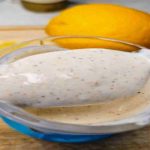
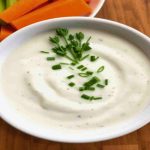
1. Homemade Ranch Dressing

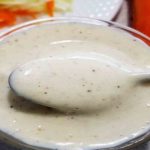
There’s a reason every good wing place, burger joint, and taco spot has its own version of ranch. It’s the sauce that somehow works on everything, wings, fries, wraps, raw vegetables you’d normally skip, grain bowls, and anything coming off a grill. The problem with the bottled version isn’t that it tastes bad. It’s that it tastes flat. The herbs are muted, the tang is artificial, and it doesn’t have any of that fresh, clean quality you get from something made the same day.
This homemade ranch dressing recipe uses real chives, fresh parsley, and dill, not dried herb powder from a packet. The base is a combination of full-fat mayonnaise and sour cream (or Greek yogurt if you prefer something lighter), with buttermilk to thin it to a pourable consistency and fresh lemon juice to add brightness. It comes together in ten minutes and needs thirty minutes in the fridge to properly develop, that chilling time is not optional. The flavors genuinely need that rest period to meld.
What makes this version stand apart from most recipes you’ll find online is the fresh herb approach. Dried dill and dried parsley produce a completely different flavor than their fresh counterparts. The fresh version has a grassy, vivid quality that makes this taste like something from a restaurant kitchen rather than a packet mix. Once you’ve made it this way, the dried-herb shortcut just doesn’t do it for you anymore. It yields approximately 1.5 cups and keeps in the fridge for up to a week, which means one batch covers you for the whole week.
Why It is Good for You
- Made with real sour cream and mayonnaise rather than industrial emulsifiers, this dressing doesn’t contain the gums and stabilizers found in most commercial bottles
- Using Greek yogurt as a base swap significantly increases protein content and introduces live probiotic cultures that support gut health.
- Fresh herbs (chives, parsley, dill) contribute antioxidants, vitamin K, and folate, nutrients you simply don’t get from dried herb powders.
- Buttermilk is naturally lower in fat than cream while adding a genuine tang from lactic acid, and it supports digestive health.
- Lemon juice adds vitamin C and acts as a natural preservative, helping the dressing stay fresh longer without artificial additives.
- Making it yourself eliminates the EDTA, potassium sorbate, and artificial flavors that appear in most store-bought ranch labels.
How to Use It
- The obvious: wings, fries, and raw vegetable sticks, it’s the gold standard dipping sauce for a reason.
- Drizzle over a grain bowl with roasted chickpeas, cucumber, and cherry tomatoes for an easy weekday lunch.
- Use as the dressing for a loaded baked potato bar, far better than sour cream alone.
- Thin with a touch more buttermilk and toss with romaine, shaved parmesan, and croutons as a casual Caesar alternative
- Spread on a wrap or sandwich in place of mayo, it adds creaminess plus herb flavor in one move
- Use as the dip alongside crispy chicken strips, or pour directly over our Crispy Buffalo Chicken Wings for the full experience
2. Spicy Homemade Ranch Dressing

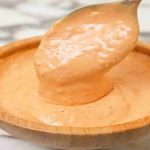
The original ranch is comfortable and crowd-pleasing. The spicy homemade ranch dressing version is the one that gets people asking what’s in it. It uses the same creamy sour cream and mayo base, but cayenne pepper is built directly into the dressing rather than added as an afterthought, which means the heat integrates into the creaminess rather than sitting on top of it.
The key difference that makes this version work is the ratio. This recipe is heavier on sour cream than mayonnaise, which gives it a tangier, slightly lighter feel that handles heat better than a pure mayo base. The lemon juice adds brightness that keeps the spice from feeling heavy, and the minced garlic adds a savory depth that plain ranch doesn’t have.
What you end up with is something that tastes like it was made in a Tex-Mex kitchen, creamy, tangy, garlicky, and building with warmth rather than punching you immediately. It’s the kind of sauce that makes everything around it taste like it was planned. You can dial the cayenne up significantly if you want genuine heat, or keep it at the recipe amount for something that most people will call “nicely spicy” rather than “too much.”
This is the sauce that made Taco Bell’s version famous, bold, cool, and hot at the same time. The homemade version achieves that same effect with eight simple ingredients and five minutes of your time.
Why It is Good for You
- Cayenne pepper contains capsaicin, a compound with well-documented anti-inflammatory properties and the ability to temporarily boost metabolism, making this the most functional sauce on the list from a health standpoint
- At 117 kcal per serving with only 2g of carbohydrates, this is one of the most keto-friendly condiments available, naturally low-carb and genuinely satisfying
- Garlic in the recipe provides allicin, a sulfur compound linked to immune support and cardiovascular benefits
- Lemon juice delivers vitamin C and helps balance the richness of the mayo and sour cream, reducing the overall heaviness of the dressing
- Sour cream contributes calcium and phosphorus, supporting bone density
- The small amount of honey or sugar (½ tsp) provides just enough sweetness to balance the heat without any meaningful impact on the glycemic load per serving
How to Use It
- The default: as a dipping sauce alongside Honey Baked Soy Sauce Tilapia, the creamy heat combination here is exactly what wings need
- Drizzle into tacos instead of sour cream for an immediate upgrade with no extra effort
- Use as the spread on a spicy chicken sandwich or burger in place of plain mayo
- Toss with shredded cabbage, carrot, and lime juice for a spicy slaw that’s far more interesting than standard coleslaw
- Serve alongside our Crispy Tortilla Beef Wraps, the spicy ranch cuts through the richness of the beef and cheese beautifully
- Drizzle over a grain bowl or rice bowl with roasted sweet potato, avocado, and black beans for a Southwest-style lunch that comes together in minutes
3. Sweet Chilli Mayonnaise Sauce

If there’s one easy homemade sauce recipe on this list that will genuinely change your relationship with condiments, it’s this one. Sweet Chilli Mayonnaise Sauce is creamy, glossy, lightly sweet, subtly spicy, and has an umami depth that most dipping sauces don’t reach. It takes five minutes. It uses things you almost certainly already own. And it’s the kind of sauce that gets scraped from the bowl.
What separates this from the versions you’ll find on other sites, which are mostly just mayo stirred with sweet chilli sauce, is the supporting cast. Sour cream adds tang that cuts through the richness. Honey smooths out any sharp or bitter notes from the chilli. Dijon mustard adds body and a quiet warmth without tasting like mustard. Lemon juice brightens everything. And the dark soy sauce is the ingredient most people don’t expect: just one tablespoon of it adds a rounded, savory depth that makes the whole sauce taste rounder and more complex than anything two-ingredient versions produce.
The cayenne is optional but recommended. It provides a background heat that builds slowly rather than hitting upfront, which is what keeps this sauce interesting across multiple dips rather than just the first one. This is the sauce that pairs with the Seafood Sandwich on Devine Dishes, and the combination is genuinely one of the better flavor pairings on this site. It also appears in the Honey Garlic Chicken Thighs recipe as a dipping option, and it works.
Why It is Good for You
- The soy sauce addition provides glutamate (natural umami), which means you need less salt overall to achieve full flavor, a genuine advantage for anyone watching sodium intake
- Honey, as a sweetener, provides trace minerals, enzymes, and antioxidants not found in refined sugar or corn syrup, while delivering sweetness with a lower glycemic index
- Lemon juice supplies vitamin C and brightens flavors in a way that also makes the sauce feel lighter despite its creamy base
- Dijon mustard contains glucosinolates, compounds with antioxidant properties, and helps emulsify the sauce without adding significant calories
- Using real mayonnaise (full-fat) provides fat-soluble vitamins E and K, and healthy fats that actually aid in the absorption of certain nutrients from whatever you dip into the sauce
- The small amount of sour cream reduces the overall fat content per serving compared to a pure mayo base, while maintaining the creamy texture
How to Use It
- As a dipping sauce for the Avocado Toast, the primary pairing this sauce was built for
- Drizzle over rice bowls, grain bowls, or poke-style bowls for an easy flavor upgrade
- Use as the spread on an Asian-inspired sandwich or wrap with cucumber, avocado, and shredded chicken
- Serve alongside air fryer chicken nuggets, fries, or spring rolls as a dipping station centerpiece
- Stir a spoonful into a pasta salad dressing base for a sweet-heat creamy pasta that works hot or cold
- Use as a finishing drizzle over grilled salmon, shrimp, or white fish, the sweet-spicy combination is particularly well-suited to seafood
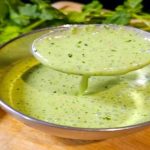
4. Creamy Cilantro Sauce

Cilantro is divisive, but the people who love it know that a great cilantro sauce can transform a completely ordinary dish into something you want to eat twice a week. This one is creamy, garlicky, tangy from lime, and vivid green, the kind of sauce that makes your plate look like it came from a proper kitchen just by virtue of being there.
It comes together in under ten minutes with a blender or food processor: fresh cilantro, garlic, lime juice, yogurt or sour cream, and a handful of other pantry ingredients that add body and depth. The texture is thick enough to work as a dip but loose enough to drizzle, which means it genuinely functions in multiple ways without needing adjusting.
What makes this sauce particularly useful is how broadly it applies. It pairs with grilled meats in the same way a South American chimichurri does, but it’s creamier and less sharp, which means it works with more delicate proteins like fish and chicken without overwhelming them.
It’s also brilliant over roasted vegetables, on tacos, in wraps, and as a salad dressing thinned with a touch of extra lime juice. The Devine Dishes version recommends using it alongside Roasted Chicken, Air Roasted Vegetables, and Easy Creamy Baked Chicken, all pairings that work particularly well with the fresh herby quality of this sauce.
Why It is Good for You
- Fresh cilantro is one of the most nutrient-dense herbs commonly used in cooking, it contains vitamins A, C, and K, folate, and potassium in meaningful amounts per serving.
- Cilantro has been studied for its ability to bind to heavy metals in the body, a property sometimes called chelation. However, this is typically attributed to excessive consumption.
- Lime juice provides a significant dose of vitamin C, which supports immune function and enhances iron absorption from any proteins served alongside this sauce.
- Garlic in the recipe contributes allicin, which has well-documented antimicrobial and anti-inflammatory properties.
- Using Greek yogurt or sour cream as the creamy base adds calcium and protein while keeping the sauce lighter than one built entirely on mayonnaise
- This sauce contains no added sugar and no artificial ingredients. It is naturally gluten-free and, from a nutritional standpoint, one of the cleanest condiments in this collection.
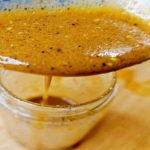
How to Use It
- As a drizzle over tacos with grilled chicken, avocado, and pickled onion, this is one of the best taco sauce combinations available in this flavor profile.
- Serve as a dipping sauce alongside falafel, grilled halloumi, or any Middle Eastern-style platter.
- Use as the dressing for a Mexican-style salad with black beans, corn, cherry tomatoes, and romaine.
- Spoon generously over Basa Fillet, straight from the oven, for an instant flavor boost.
- Thin with extra lime juice and drizzle over a grain bowl or quinoa salad as the primary dressing
- Use as a marinade base for chicken or shrimp before grilling, the lime juice acts as a tenderizer, and the herbs add flavor that penetrates the protein during marinating.
5. Honey Mustard Dressing

There’s a category of sauce that sounds like a salad dressing but turns out to be useful in so many more places than a salad. Honey mustard dressing is the definitive example of this. It’s sweet, tangy, creamy, with a gentle sharpness from the Dijon that doesn’t taste aggressive; it tastes balanced. And it genuinely works on salads, roasted vegetables, grilled chicken, sandwiches, grain bowls, and as a dipping sauce for pretty much anything fried.
This easy homemade sauce recipe uses Dijon mustard as its backbone, not yellow mustard, which is sharper and less complex. Dijon has a deeper, more rounded flavor that works in dressings without dominating. The honey provides natural sweetness and a slightly floral quality, olive oil adds body and healthy fats, and apple cider vinegar (or white wine vinegar) gives the acid that every good dressing needs to prevent it from tasting flat.
The result is fully emulsified when whisked properly, it doesn’t separate immediately, as oil-and-vinegar dressings often do. It coats salad leaves beautifully, clings to chicken without sliding off, and keeps in the fridge in a jar for up to a week. Five minutes of prep time, seven days of use.
This is also genuinely one of the better marinades for chicken. Coat chicken thighs in this dressing, let them sit for an hour, and roast or grill. The honey caramelizes, the mustard creates a crust, and the vinegar tenderizes the meat. It produces a result that tastes considered and deliberate rather than quickly assembled.
Why It is Good for You
- Olive oil is the primary fat in this dressing, providing monounsaturated fatty acids with a strong association with cardiovascular health and reduced inflammation, the same fats that make the Mediterranean diet so consistently well-studied
- Dijon mustard contains glucosinolates, compounds with antioxidant and anti-cancer properties, as well as selenium, a mineral important for thyroid function and immune health.
- Raw honey provides trace enzymes, antioxidants, and a lower glycemic impact than refined sugar, meaning the sweetness in this dressing doesn’t produce the blood sugar spike that sugar-sweetened dressings do
- Apple cider vinegar contains acetic acid, which has been linked to improved insulin sensitivity and post-meal blood sugar regulation.
- This dressing contains no emulsifiers, gums, or artificial preservatives, making it one of the most ingredient-clean dressings you can put on a salad.
- Homemade versions of honey mustard dressing typically contain 60–70% less sodium than commercial bottled equivalents while delivering significantly better flavor.
How to Use It
- The starting point: as a salad dressing over mixed greens, grilled chicken, walnuts, and apple slices, a classic combination that this dressing was made for
- Pour over roasted vegetables (carrots, broccoli, brussels sprouts) as a finishing dressing fresh from the oven, the heat slightly melts the dressing into the vegetables and deepens the flavor.
- Use as a marinade for chicken thighs before roasting, coat, refrigerate for an hour, then roast at 200°C/400°F until the honey has caramelized on the skin.
- Serve as a dipping sauce alongside pretzel bites, soft pretzels, or chicken tenders for a casual snack spread.
- Drizzle into a wrap with shredded rotisserie chicken, spinach, and shaved parmesan for an effortless weekday lunch.
- Stir into cooked grain bowls (farro, quinoa, or brown rice) with roasted vegetables as an all-in-one dressing that coats every ingredient evenly.
6. Coleslaw Dressing

There’s a version of coleslaw that exists at every barbecue and picnic that nobody really wants, watery, slightly sour, vaguely sweet, more interesting in theory than in execution. And then there’s coleslaw made with a dressing that’s properly balanced, creamy without being heavy, tangy without being sharp, and sweet without being cloying.
The difference is entirely in the dressing. This homemade coleslaw dressing recipe starts with a mayonnaise base, not reduced fat, not light, actual mayonnaise, which provides the richness and clinginess that makes the slaw stay coated rather than pooling at the bottom of the bowl. Fresh lemon juice and white wine vinegar provide a two-layer acid that’s more nuanced than either one alone. Honey balances the acid without making the dressing taste sweet. Salt and pepper season it properly.
The result is a dressing that clings to the cabbage, carrot, and whatever else you toss it with, rather than sinking to the bottom and turning the whole thing watery. That’s the real challenge with coleslaw dressing, and the reason most homemade attempts fall short. The balance of acid to fat to sweetener to seasoning has to be exact, and this recipe hits it correctly.
What this dressing also does well is function beyond coleslaw. It works brilliantly as a creamy dressing for chicken salad, as a spread on a pulled pork sandwich, and as the base for a potato salad. It’s one of those homemade sauces that you’ll find yourself making for one thing and then reaching for constantly in other contexts.
Why It us Good for You
- Cabbage, the primary vehicle for this dressing, is one of the most nutrient-dense vegetables available, high in vitamin C, vitamin K, and glucosinolates with protective properties; a great dressing encourages you actually to eat more of it.
- White wine vinegar provides acetic acid, which supports gut health and may improve post-meal blood sugar response.
- Honey, as the sweetener, contributes antioxidants and enzymes absent in sugar-sweetened versions, with a lower glycemic impact than refined white sugar.
- Lemon juice adds vitamin C and acts as a natural preservative, extending the useful fridge life of the dressing without chemical additives.
- Full-fat mayo provides fat-soluble vitamins (A, D, E, K) and helps the body absorb the carotenoids found in cabbage and carrots. The fat is genuinely functional here, not just caloric.
- Making coleslaw dressing from scratch eliminates the high-fructose corn syrup, xanthan gum, and calcium disodium EDTA present in most commercial coleslaw dressings.
How to Use It
- The essential: traditional creamy coleslaw with shredded green cabbage, purple cabbage, and grated carrot, toss, refrigerate for 30 minutes before serving, and it’s genuinely better than anything from a deli counter.
- Use as the dressing for a chicken salad with poached or rotisserie chicken, celery, apple slices, and walnuts.
- Spread on a pulled pork sandwich or Chicken Sandwich alongside the meat, the creaminess balances the richness of the protein perfectly.
- Use as the base for a potato salad with boiled potatoes, hard-boiled eggs, celery, and dill, toss while the potatoes are still warm so they absorb the dressing.
- Stir into a broccoli salad with raisins and sunflower seeds for a side dish that works equally well at potlucks, barbecues, and weeknight dinners.
- Use as a spread on Easy Breakfast Burritos wraps in place of plain mayo for an extra layer of flavor.
7. Cajun Seasoning

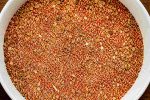
This one is technically a dry seasoning blend rather than a wet sauce. Still, it belongs on this list because it functions in the same way, it’s the thing you reach for when you want to immediately add depth, complexity, and character to a dish without any planning ahead. Homemade Cajun seasoning is a blend of paprika, garlic powder, onion powder, cayenne, black pepper, dried thyme, dried oregano, and a touch of sweetness from erythritol or sugar to balance the heat. Mixed in five minutes, stored in an airtight jar, it lasts up to six months on your shelf and replaces a whole cabinet of individual spices for most savory cooking.
What makes homemade sauces significantly better than anything from the store is freshness and control. Commercial Cajun blends are often overly salty, making it impossible to season food properly without over-salting. This recipe keeps the salt minimal, so you can add it to taste separately, which gives you far more control over the final result.
The ratio of paprika to cayenne to garlic is also calibrated for maximum impact, bold and aromatic without being blisteringly hot unless you choose to push the cayenne higher. This is the seasoning that goes into Creamy Shrimp & Steak, Cajun chicken pasta, blackened fish, roasted potatoes, and anything else that needs Southern Louisiana-style flavor. It’s the foundation of some of the most popular dishes on Devine Dishes.
Why It’s Good for You
- Paprika, the primary spice in this blend, is one of the richest dietary sources of vitamin A, containing beta-carotene, capsanthin, and zeaxanthin, all powerful antioxidants linked to eye health and reduced oxidative stress
- Cayenne pepper’s capsaicin has been well-studied for its metabolism-boosting, anti-inflammatory, and pain-relieving properties, making this one of the most functionally beneficial spice blends you can keep in your kitchen.
- Garlic powder provides concentrated allicin-related compounds with antimicrobial, antiviral, and cardiovascular protective properties.
- Dried oregano and thyme are among the highest-antioxidant herbs available, gram for gram outperforming most fresh vegetables in ORAC (oxygen radical absorbance capacity) measurements.
- Using erythritol or monk fruit as the sweetener, rather than refined sugar, makes this blend fully keto- and diabetic-friendly without sacrificing flavor balance.
- Making your own blend avoids the excessive sodium in commercial Cajun seasonings, many branded blends contain over 300mg of sodium per teaspoon. This homemade version lets you control salt intake entirely separately.
How to Use It
- Rub generously over chicken thighs, drumsticks, or a whole spatchcocked chicken before roasting, the paprika creates a beautiful crust and deep color while the herbs and garlic perfume the meat.
- Season shrimp before pan-frying or grilling for a quick weeknight protein that pairs with rice, pasta, or salad. Check out how it works in Creamy Shrimp & Steak
- Toss with cubed potatoes and olive oil before roasting for the best Cajun roasted potatoes you’ll make. Finish with the Spicy Ranch Dressing on the side.
- Stir into a creamy pasta sauce with butter, cream, garlic, and Parmesan for a Cajun chicken pasta that consistently outperforms the restaurant version.
- Mix into ground beef before forming burger patties for a Southern-style burger with built-in seasoning, serve with the Sweet Chilli Mayo for the full combination.
- Sprinkle popcorn with a touch of melted butter for a savory snack that tastes far more complex than the effort put in.
How to Build a Sauce Pairing Strategy What Goes With What

One of the most useful things you can do with this collection is understand which sauce works where, so you’re never standing in front of a finished dish wondering what to reach for.
For grilled or roasted meats
The Cajun Seasoning goes on during cooking. After cooking, the Cilantro Sauce was drizzled over the top, or the Spicy Ranch was on the side for dipping.
For chicken specifically
Honey Mustard Dressing works as both a marinade before cooking and a finishing drizzle after. The Sweet Chilli Mayo is the go-to for crispy chicken, wings, strips, nuggets, all of it.
For wraps and sandwiches
Homemade Ranch or Spicy Ranch spread on the tortilla or bread replaces mayo entirely, adding more flavor. The Coleslaw Dressing tucked inside with shredded cabbage adds crunch and creaminess simultaneously.
For salads
Honey Mustard Dressing is the workhorse. The Cilantro Sauce thinned with extra lime makes an excellent Mexican or Southwest salad dressing. The Homemade Ranch works for any Caesar-style or vegetable-forward salad.
For bowls and grain dishes
The Sweet Chilli Mayo drizzled over a rice or grain bowl is one of the most impactful simple moves in this list. The Cilantro Sauce over a quinoa bowl with roasted vegetables is similarly excellent.
For dipping and snack boards
Spicy Ranch and Sweet Chilli Mayo are your two go-to dipping sauces. Honey Mustard for the milder option. Put all three out, and you’ve covered every taste preference in the room.
How to Store Homemade Sauces Properly
The most common reason homemade sauces go to waste is improper storage. A few principles that apply across everything in this collection:
Use airtight glass jars. Glass doesn’t absorb odors the way plastic containers do, and you can see how much is left at a glance. Mason jars or recycled jam jars with tight lids work perfectly.
Label with the date. It takes two seconds and means you never have to guess whether something is still good.
General fridge life by sauce
- Homemade Ranch Dressing: up to 1 week
- Spicy Ranch Dressing: 5–7 days
- Sweet Chilli Mayo: up to 1 week
- Cilantro Sauce: 4–5 days (the fresh herbs fade faster than the others)
- Honey Mustard Dressing: up to 2 weeks (the vinegar helps preserve it)
- Coleslaw Dressing: up to 1 week
- Cajun Seasoning: up to 6 months at room temperature in a sealed jar
Don’t freeze creamy sauces. The mayo and sour cream bases will separate on thawing, and the texture won’t recover. The Cajun Seasoning is the only one in this collection that can be stored at room temperature. Everything else belongs in the fridge.
Make them in batches. Most of these recipes double easily. If you’re making the Honey Mustard Dressing, make a double batch. It keeps for two weeks, and you’ll use it. The same logic applies to the Ranch and the Cajun Seasoning.
Final Thought
A sauce isn’t a garnish. It’s not the finishing touch. It’s the thing that decides whether a meal is good or genuinely great, whether people reach back for more or just finish what’s in front of them. Every sauce on this list was built with that idea in mind. All seven are homemade sauces that take ten minutes or less, use real ingredients, and deliver restaurant-quality flavor without pretending it requires culinary training. Start with the one that matches what you’re cooking this week, get comfortable with it, and work through the collection from there.
Frequently Asked Questions (FAQs)
Is it actually worth making sauces from scratch instead of buying them?
For most sauces, yes, significantly. The flavor is noticeably fresher, you control exactly what goes in, and the cost per serving is usually lower than the commercial equivalent. The five recipes in this collection that require zero cooking (Ranch, Spicy Ranch, Sweet Chilli Mayo, Honey Mustard, Coleslaw Dressing) take less time to make than a trip to the supermarket aisle.
How long do homemade sauces last in the fridge?
Most of the creamy sauces here last five to seven days. The Honey Mustard Dressing, due to its vinegar content, lasts 2 weeks. The Cajun Seasoning lasts six months in a sealed jar at room temperature. The Cilantro Sauce is the most perishable, with a shelf life of 4 to 5 days due to the fresh herbs.
Can I make these dairy-free?
Yes, for most. The Ranch, Spicy Ranch, Sweet Chilli Mayo, and Coleslaw Dressing all use either mayonnaise or sour cream. Swap the sour cream for a plant-based sour cream or thick coconut yogurt, and use vegan mayo. The flavor will be slightly different but still excellent. The Honey Mustard Dressing and Cajun Seasoning are naturally dairy-free already.
Which sauce is best for someone following a keto or low-carb diet?
The Spicy Ranch Dressing (2g carbs per serving) is the standout keto option. The Cajun Seasoning made with erythritol instead of sugar is also fully keto-compatible. The Cilantro Sauce and plain Ranch are naturally low in carbs. Avoid the Honey Mustard if strictly keto, as honey is a moderate carb.
Can I use these sauces as marinades?
The Honey Mustard Dressing is the best marinade in this collection. The acid tenderizes meat, the honey caramelizes during cooking, and the Dijon adds flavor that penetrates. The Cajun Seasoning rubbed with olive oil makes an excellent dry marinade for chicken, shrimp, or fish. The Cilantro Sauce also works as a marinade base, particularly for chicken and shrimp.
Which sauce is easiest for a complete beginner?
The Spicy Ranch is four ingredients, one bowl, and five minutes. There’s no technique involved, just whisk and refrigerate. The Cajun Seasoning is even simpler: mix the spices, and it’s done. If you’ve never made a sauce from scratch, start with either of these.
What’s the most versatile sauce in the collection?
The Honey Mustard Dressing covers the widest range, from salad dressing to marinade, dipping sauce, sandwich spread, and grain bowl topper. It’s the one that consistently earns its place in the fridge regardless of what you’re cooking that week.



2 Comments. Leave new
The homemade sauce collection is excellent – making sauces from scratch gives you complete control over ingredients which matters more than most people realise. For pet-owning households the ingredient control is doubly important because many common sauce ingredients like onion, garlic, and xylitol-containing sweeteners are genuinely toxic to dogs. Kitchen spills and dropped food happen constantly and dogs are lightning fast at grabbing anything that hits the floor.
A fantastic collection of easy homemade sauces! So many flavorful options to elevate everyday meals. 🌶️🥄