
Cilantro sauce is a bright, herb packed condiment made by blending fresh cilantro with garlic, lime and a creamy or oil base to create a versatile topping for chicken, fish, tacos and pasta. It takes less than 10 minutes to make at home and depending on how you build it, it can taste anything like a tangy Mexican crema, a spicy Peruvian aji verde or a rich, garlicky yogurt dip.
What makes cilantro sauce so popular is its flexibility. A handful of simple swaps, sour cream instead of oil, jalapeño instead of black pepper, tahini instead of dairy, transform the same base recipe into a completely different flavor experience. Whether you are drizzling it over grilled salmon, spooning it onto a burrito bowl or using it as a dip for crispy potatoes, cilantro sauce adds a fresh, garlicky punch that store bought bottles rarely match.
Below, we will walk through exactly how to make cilantro sauce from scratch, explore the most popular variations by cuisine and texture and cover the best ways to serve it. If you love homemade sauces you can whip up in minutes, this one earns a permanent spot.
What Is Cilantro Sauce?
Cilantro sauce is a blended condiment made from fresh cilantro leaves, garlic, lime juice and a liquid base such as oil, sour cream or yogurt, used to add a fresh, tangy, herbaceous flavor to savory dishes. Unlike a dressing, it is thick enough to spoon over food rather than toss with it, sitting somewhere between a salsa verde and a creamy dip.
The flavor profile is what sets cilantro sauce apart from other green sauces. Fresh cilantro brings a citrusy, slightly peppery brightness, while garlic adds depth and lime juice sharpens the whole mixture with acidity. Depending on the base, the sauce can lean rich and mellow sour cream or yogurt or light and punchy olive oil or vinegar, with heat from jalapeño or serrano peppers often layered in for extra kick.
Cilantro sauce does not trace back to one single origin, it is a shared thread across several Latin American and Middle Eastern culinary traditions, each with its own spin. Mexican kitchens use it as a crema style drizzle for tacos and grilled meats, Peruvian cooking transforms it into the spicier aji verde served alongside roasted chicken and Middle Eastern versions often swap in tahini for a nuttier, earthier finish. This shared popularity across cuisines is exactly why cilantro sauce recipe has become a pantry staple far beyond its regional roots.
How to Make This Easy Creamy Cilantro Sauce
To create this flavorful sauce, you’ll need the following:
Equipments
- Blender
Ingredients

- 1/2 cup fresh cilantro packed
- 1/3 cup sour cream or Greek yoghurt
- 1/4 cup mayonnaise
- 1.5 tablespoons lime juice
- 1 tsp minced garlic
- 1 tsp sugar
- Salt and pepper to taste
- Water optional, for desired consistency
Instructions
Blender/No Cook Method

- Begin by washing and roughly chopping the fresh cilantro. Removing thick stems will give the sauce a smoother texture.
- Combine cilantro, sour cream, mayonnaise, lime juice, and garlic in a blender.
- Blend the mixture until smooth and creamy. If the sauce is too thick, add a tablespoon of water until you get your desired thickness.
- Adjust the flavour by measuring salt and pepper to taste as necessary.
- Transfer the sauce into a jar or an airtight container, then refrigerate for at least 30 minutes to allow the flavours to develop.
Stovetop Method for Warm Dishes and Pasta
For sauces meant to coat warm food, like pasta or grain bowls, a quick stovetop step helps the flavors integrate and softens cilantro’s raw bite. Start by sautéing minced garlic in olive oil over medium heat for about 30 seconds, just until fragrant, then remove the pan from heat before stirring in blended cilantro sauce or freshly chopped cilantro. Warming the sauce gently, without letting it boil, preserves its bright color and prevents the herb from turning bitter. This method works especially well when cilantro sauce is used as a light pasta sauce or spooned over freshly cooked rice, since the residual heat helps it cling to the food rather than pooling at the bottom of the bowl.
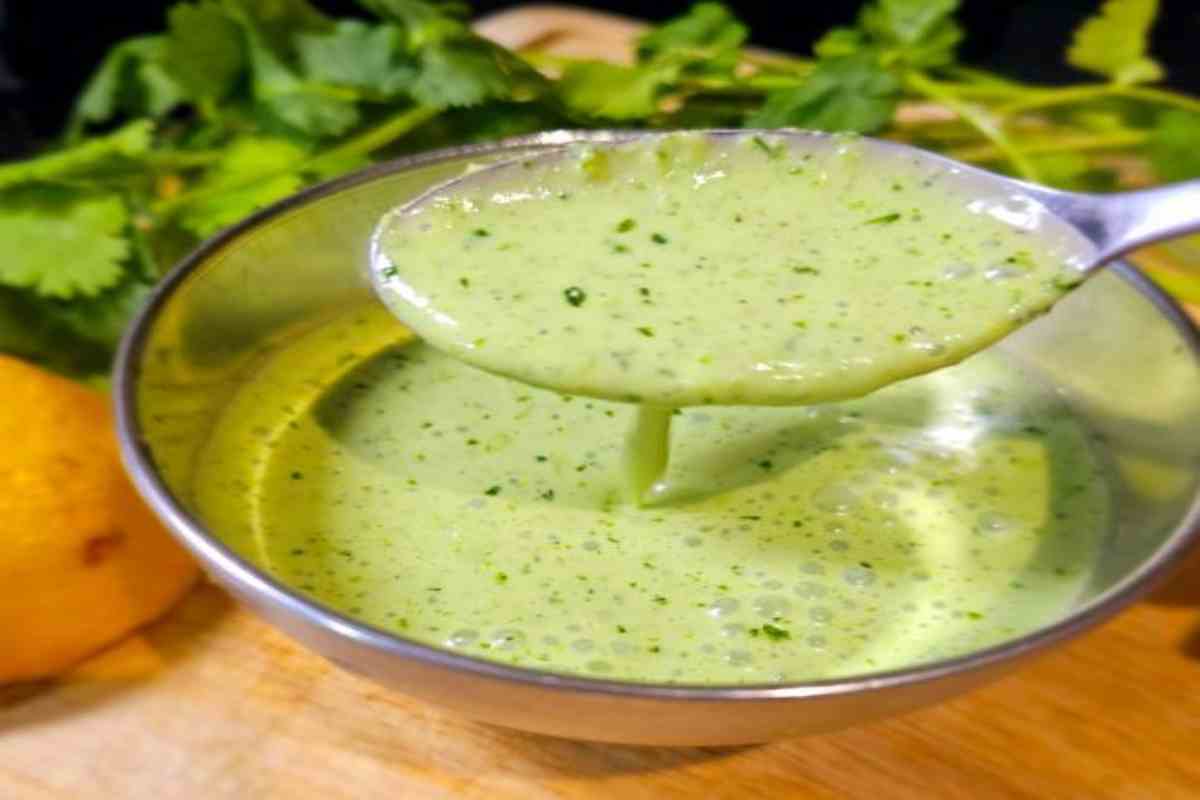
How to Make Creamy Cilantro Sauce
Equipment
- 1 Blender
Ingredients
- 1/2 cup cilantro fresh, lightly packed
- 1/3 cup sour cream or greek yogurt
- 1/4 cup mayonnaise
- 1.5 tbsp lime juice
- 1 tsp garlic minced
- 1 tsp sugar
- salt and pepper to taste
- water optional, for desired consistency
Instructions
- Begin by washing and roughly chopping the fresh cilantro. Removing thick stems will give the sauce a smoother texture.
- In a blender, combine cilantro, sour cream, mayonnaise, lime juice, and garlic.
- Blend the mixture until smooth and creamy. If the sauce is too thick, add a tablespoon of water at a time until you reach your desired consistency.
- Taste and season with salt and pepper as needed.
- Transfer the sauce to a jar or airtight container and refrigerate for at least 30 minutes to allow the flavours to develop.
Notes
Nutrition
Popular Cilantro Sauce Variations
Cilantro sauce is not a single fixed recipe, it is a flexible base that changes character depending on which ingredients you emphasize. The four variations below are the most searched and most made, each suited to different dishes and flavor preferences.
Creamy Cilantro Sauce Yogurt or Sour Cream Base
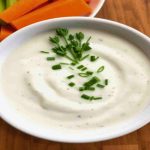
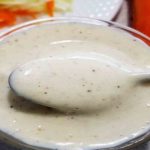
Creamy cilantro sauce swaps oil for sour cream or Greek yogurt, creating a thicker, richer texture that works well as a dip or a topping for tacos and grilled meats. The dairy base mellows cilantro sharpness and adds a slight tang, similar in texture to a loaded ranch dressing but with a distinctly herbaceous, garlicky profile instead of the usual buttermilk and dill flavor. If you are a fan of creamy, tangy dips, our homemade ranch dressing recipe is another great one to keep in rotation alongside this.
Cilantro Lime Sauce
Cilantro lime sauce is the most popular variation by search volume, built around a higher ratio of fresh lime juice for a brighter, more acidic finish. It is the version most commonly drizzled over burrito bowls, tacos and grilled chicken, since the citrus cuts through rich or fried foods particularly well. A good cilantro lime sauce should taste balanced rather than sour, start with the juice of one lime and add more only after tasting.
Cilantro Garlic Sauce
Cilantro garlic sauce leans into a stronger, more savory profile by increasing the garlic ratio and easing back on lime. This version works especially well as a marinade base or a sauce for roasted vegetables and potatoes, where the deeper garlic flavor holds up against heartier ingredients. Roasting or lightly sautéing the garlic first, rather than using it raw, gives the sauce a smoother, less sharp finish.
Spicy Cilantro Sauce Jalapeño Kick
Spicy cilantro sauce adds one or two jalapeños (or a serrano for more heat) directly into the blender with the rest of the ingredients, creating a sauce closer to a Peruvian style aji verde. Removing the seeds and membranes keeps the heat moderate, while leaving them in produces a noticeably spicier result. This variation pairs particularly well with grilled or roasted chicken, where the heat balances the smokiness of the char.
Cilantro Sauce by Cuisine
While cilantro sauce follows the same basic method everywhere, different culinary traditions shape it into distinct regional styles. Mexican, Peruvian and Caribbean kitchens each add their own signature twist, resulting in sauces that taste noticeably different despite sharing cilantro as the star ingredient.
American Style Cilantro Sauce
American style cilantro sauce takes a milder, creamier approach compared to its Mexican or Peruvian counterparts, typically built on a mayonnaise or sour cream base with just a touch of garlic and lime. It leans closer to a ranch style dip than a bold, spice forward sauce, making it an easy crowd pleaser for people who want the freshness of cilantro without any heat. This version works especially well as a dipping sauce for fries, chicken tenders or vegetable trays and it’s a good starting point for anyone new to cooking with cilantro who wants a gentler introduction to the flavor.
Mexican Style Cilantro Sauce
Mexican style cilantro sauce is typically built on a sour cream or crema base, blended with lime juice, garlic and sometimes a small amount of jalapeño for mild heat. It’s the version most commonly served alongside tacos, quesadillas and grilled fajitas, prized for its cooling, tangy contrast to spiced or charred meats. This style tends to be smoother and slightly thicker than other regional versions, closer to a drizzle than a chunky salsa.
Italian Style Cilantro Sauce
Italian style cilantro sauce takes cues from classic Italian green sauces like salsa verde, swapping in a base of olive oil, capers, and a touch of white wine vinegar instead of the lime and dairy common in Mexican or American versions. The result is a lighter, more herbaceous sauce with a subtle briny, tangy edge, closer in spirit to a chimichurri than a creamy dip.
This version pairs especially well with grilled fish, roasted vegetables, or drizzled over a simple pasta, since the olive oil base lets it double as a light dressing rather than a heavy sauce. A small amount of grated Parmesan can also be stirred in for extra depth, tying it closer to traditional Italian flavor profiles.
Peruvian Style Cilantro Sauce Aji Verde Inspired
Peruvian style cilantro sauce, often called aji verde, swaps the dairy heavy approach for a spicier, more herbaceous blend built around aji amarillo peppers, cilantro, garlic and a touch of cheese or mayonnaise for body. It’s traditionally served with pollo a la brasa Peruvian roast chicken, where its sharp heat and bright acidity cut through the smoky, well seasoned skin. If aji amarillo isn’t available, jalapeño or serrano peppers make a reasonable substitute, though the flavor will be slightly less fruity.
Cuban and Venezuelan Garlic Cilantro Sauce
Cuban and Venezuelan versions of cilantro sauce lean heavily on raw or lightly cooked garlic, often blended with olive oil, vinegar and lime for a punchier, more savory sauce similar in spirit to a mojo. This style is typically used as a marinade or finishing sauce for roasted meats and plantains rather than a dip, since its bold garlic flavor is meant to be cooked into the dish. For those who enjoy building their own bold, garlicky condiments at home, our spicy ranch dressing recipe follows a similar heat forward, made from scratch approach.
What to Serve Cilantro Sauce With
Cilantro sauce works as both a finishing drizzle and a dipping sauce, making it one of the most versatile condiments to keep on hand for weeknight cooking. Its bright, herby flavor pairs especially well with grilled proteins, seafood and carb based dishes where it can cut through richness or add moisture.
Chicken and Grilled Meats
Cilantro sauce is a natural match for grilled or roasted chicken, where its acidity and freshness balance the char and smokiness of the meat. It works equally well spooned over steak, pork chops or grilled shrimp skewers and doubles as a quick marinade when brushed on before cooking. For a sweeter contrast alongside grilled meats, our sweet chilli mayo recipe is another easy sauce worth having in rotation.
Fish and Salmon
Cilantro sauce pairs particularly well with salmon and other fatty fish, since its acidity cuts through the richness while the herbaceous flavor complements the fish without overpowering it. A simple drizzle over pan seared or salmon bites, paired with a squeeze of extra lime, turns a basic fillet into a restaurant style dish in minutes. It also works well with white fish like tilapia or cod, especially when served alongside rice or roasted vegetables.
Pasta, Tacos and Bowls
Beyond proteins, cilantro sauce makes an excellent finishing touch for tacos, burrito bowls and even pasta. Stirred into warm pasta, it acts as a light, herby alternative to heavier cream sauces, while a spoonful over a burrito bowl ties together rice, beans and grilled protein with minimal effort. It is equally useful as a dip for tortilla wraps or roasted potatoes when you want something fresher than a standard mayo based sauce.
Storage and Make Ahead Tips
Cilantro sauce keeps well in the refrigerator for up to 5 days when stored in an airtight container, making it an easy make ahead component for meal prep. Because it contains fresh herbs and often a dairy base, keeping air exposure to a minimum is key to preserving both its color and flavor.
For best results, press a piece of plastic wrap directly onto the surface of the sauce before sealing the container, which helps slow oxidation and prevents the vibrant green color from turning dull. If the sauce separates slightly after a day or two in the fridge, a quick stir usually brings it back together oil based versions tend to separate more than dairy based ones. Cilantro sauce generally isn’t recommended for freezing, since both dairy and fresh herbs can change texture once thawed, becoming watery or grainy.
Dietary Variations Vegan and Dairy Free
Cilantro sauce is easy to adapt for vegan and dairy free diets by simply swapping the dairy base for a plant based alternative, without sacrificing the sauce’s signature creamy texture. The core ingredients, cilantro, garlic and lime, stay exactly the same, which means the flavor barely changes even with the substitution.
For a vegan version, replace sour cream or Greek yogurt with unsweetened cashew cream, coconut yogurt or a plant based mayonnaise, blending it in the same ratio as the original recipe. Cashew cream tends to produce the closest texture to a dairy based sauce, since it’s naturally thick and mild enough to let the cilantro and lime flavors come through. For a lighter, oil based dairy free option, olive oil or avocado oil works well too, resulting in a thinner, more vinaigrette like consistency rather than a thick dip.
These swaps make cilantro sauce one of the easier condiments to keep fully plant based, since it doesn’t rely on eggs, gelatin or animal based thickeners the way some creamy sauces do. Whether it’s used as a dip, drizzle or marinade, the dairy free version holds up well across the same dishes as the original, tacos, grilled vegetables, rice bowls and more.
Conclusion
Cilantro sauce is one of those recipes worth keeping on hand year round, it is quick to make, endlessly adaptable, and turns even the simplest chicken, fish, or bowl of rice into something worth savoring. Whether you stick with a classic Mexican style crema, spice things up with a Peruvian inspired aji verde, or try the milder American and Italian variations, the base recipe is forgiving enough to make your own. Once you’ve got a batch in the fridge, you’ll likely find new ways to use it all week long.
Also try our other recipes:
Creamed Spinach Recipe
Liver Stew Recipe
Basa Fillet Recipe
Creamy Baked Chicken
Frequently Asked Questions (FAQs)
What is cilantro sauce made of?
Cilantro sauce is made from fresh cilantro, garlic, lime juice and a base such as sour cream, yogurt, mayonnaise or oil, blended together until smooth. Optional additions like jalapeño, cumin or cheese are common depending on the regional style.
Is cilantro sauce spicy?
Cilantro sauce isn’t inherently spicy, but heat can easily be added with jalapeño, serrano or aji amarillo peppers depending on the variation. Traditional Mexican style versions are typically mild, while Peruvian inspired aji verde is noticeably spicier.
How long does it last in the fridge?
Cilantro sauce stays fresh in an airtight container in the refrigerator for up to 5 days. Pressing plastic wrap directly onto its surface before sealing helps it keep its color and flavor longer.
Can I freeze it?
Freezing cilantro sauce isn’t recommended, since both the fresh herbs and dairy base tend to separate and turn watery or grainy once thawed. It’s best made fresh or stored short term in the fridge instead.
What is the difference between cilantro sauce and cilantro lime sauce?
Cilantro sauce is the broader category, while cilantro lime sauce is a specific variation with a higher ratio of lime juice for a brighter, more acidic flavor. Both share the same base ingredients, but cilantro lime sauce is tangier and slightly thinner in texture.






2 Comments. Leave new
This cilantro sauce looks incredibly creamy and fresh! I love how simple the recipe is, and the step-by-step instructions make it so easy to follow. Can’t wait to try it with tacos and grilled chicken! 🌿💚
Made this last night and the lime-garlic balance is spot on. Adding jalapeño next time for extra kick!