
A Kenyan chai recipe boils black tea leaves, whole spices, milk and sugar together in one pot, rather than steeping tea and adding milk separately, to produce a rich, sweet, spice forward brew that Kenyans drink multiple times a day. This “boil it all together” method is what separates authentic Kenyan chai from the West chai latte, where a concentrate is simply poured over steamed milk.
Kenya is one of the world top tea producing countries and its high altitude black tea is the backbone of this drink, which is why chai here tastes noticeably stronger and maltier than the chai tea most people know from cafés abroad. Whether you are after the classic version, the ginger heavy chai ya tangawizi or just want to understand what Kenyans mean when they joke about “nylon chai,” this guide walks through the real stovetop method, start to finish.
Quick answer: Simmer 2 cups of water with 6 crushed cardamom pods and sliced ginger for 3 to 5 minutes, add 1 tsp of loose black tea and boil 1 to 2 minutes, then pour in 2 cups of whole milk and boil together for about 2 minutes. Strain and sweeten to taste. Kenyan chai is boiled in one pot, not steeped. It takes 15 minutes and serves 3 to 4.
What Is Kenyan Chai?
Kenyan chai is a milky, spiced black tea that is boiled, not steeped, with milk, sugar and warming spices like ginger, cardamom and cinnamon, making it richer and stronger than most Western tea drinks. It is less a recipe than a daily ritual, Kenyan households typically brew it at least twice a day, once as part of breakfast and again in the late afternoon, often serving it alongside mandazi, chapati or bread. This makes it, functionally, Kenya version of a kenyan breakfast tea, the drink that opens the day rather than something reserved for special occasions.
What sets a genuine kenyan tea recipe apart from generic “chai tea” is the tea itself. Kenya is the world third largest tea producer and its largest exporter of black tea, thanks to the high altitude growing conditions in regions like Kericho and Nandi, the same tea that ends up in many global blends actually originates here. That bold, high grown black tea is what gives Kenyan chai its deep color and malty backbone, even before any spice or sugar goes in.
Culturally, chai is also social currency in Kenya. It is the drink offered to any guest who walks through the door and how a household makes it, strong or weak, spiced or plain, milky or not, can say as much about their taste as it does their background.
Kenyan Chai vs Indian Masala Chai vs Chai Latte
Kenyan chai and Indian masala chai share the same boiling method but differ in spice intensity, while a chai latte is a different drink entirely, made by pouring a premixed concentrate over steamed milk instead of simmering tea and spices together.
In the kenyan chai vs indian chai comparison, the biggest difference is restraint, Indian masala chai typically leans heavily into a fixed blend of cardamom, cloves, cinnamon and black pepper, whereas Kenyan chai is milder and more flexible, often built around just ginger and cardamom, with the tea natural strength doing most of the work rather than the spice mix.
Why “Chai Tea” Is Technically Redundant
The word “chai” already means “tea” in Swahili, Hindi and several other languages, so saying “chai tea” is, literally, saying “tea tea.” The phrase stuck in English speaking countries because chai arrived as a foreign sounding drink name before it was understood as a direct translation and it is now so common in search and menus that it functions as its own category rather than a redundancy worth correcting.
How a Chai Latte Differs From Real Kenyan Chai
A chai latte is built backwards compared to Kenyan chai, instead of boiling tea leaves, milk and spices together in one pot, cafés dissolve a spiced syrup or powder into steamed milk, which is faster but flattens the flavor into something sweeter and less complex.
This is the core of the chai tea vs chai latte distinction, a real Kenyan chai extracts flavor by simmering everything together for several minutes, pulling out both the water soluble and fat soluble compounds in the spices, while a chai latte skips that extraction step almost entirely. The result is that authentic Kenyan chai has a deeper, more layered taste that a latte version, however convenient, can not fully replicate.
Making Delicious Kenyan Chai Recipe
Recipe Yield
Serves: 3–4 cups | Prep Time: 5 min | Cook Time: 10 min | Total Time: 15 min
Ingredients
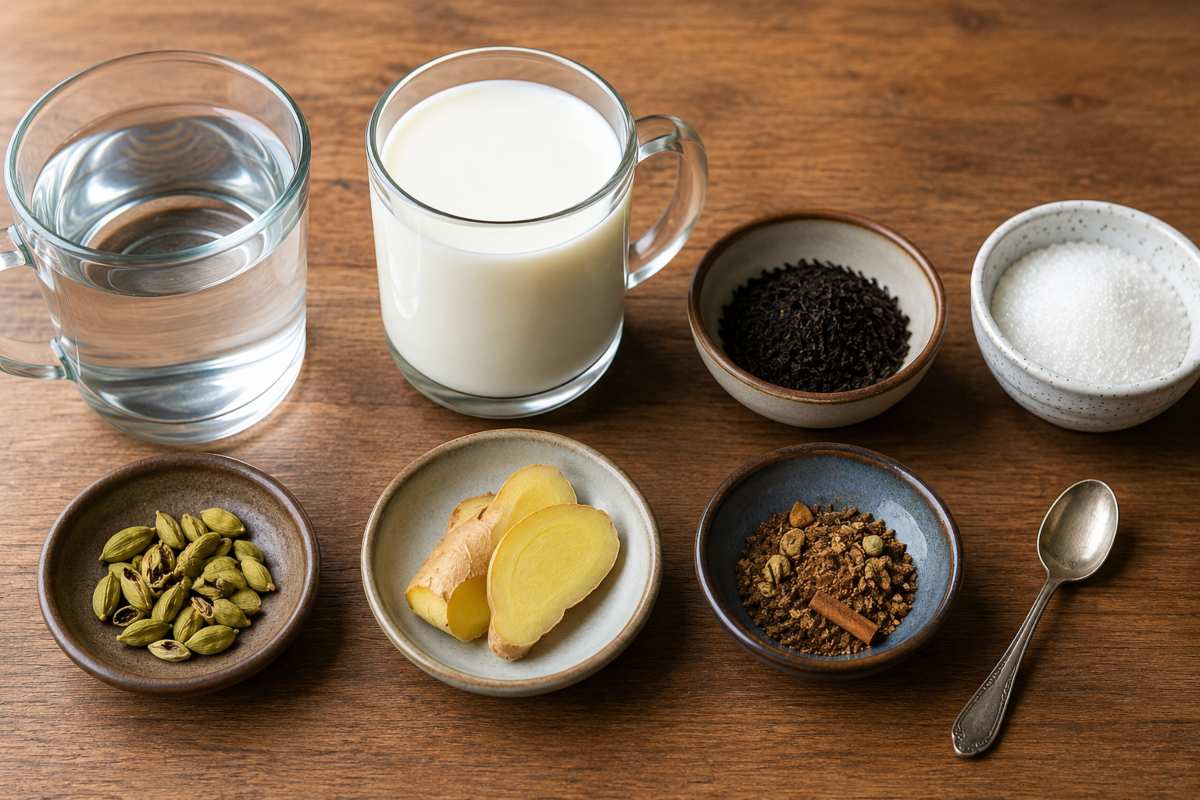
- 2 cups water
- 2 cups whole milk
- 1 tsp loose black tea leaves
- 6 cardamom pods, lightly crushed
- 1 small piece fresh ginger, sliced or crushed
- 1 tsp tea masala
- Sugar or to taste (optional)
Instructions
- Add water to a pot followed by the crushed cardamom then ginger. Heat until it boils, then lower the heat and let it simmer for 3 to 5 minutes.
- Add the loose tea leaves and continue to boil for 1 2 minutes.
- Pour in the milk and bring everything back to a gentle boil.
- Let the milk and tea boil together for about 2 minutes.
- Strain into jug or kettle and serve hot.
- Sweeten with sugar if desired.
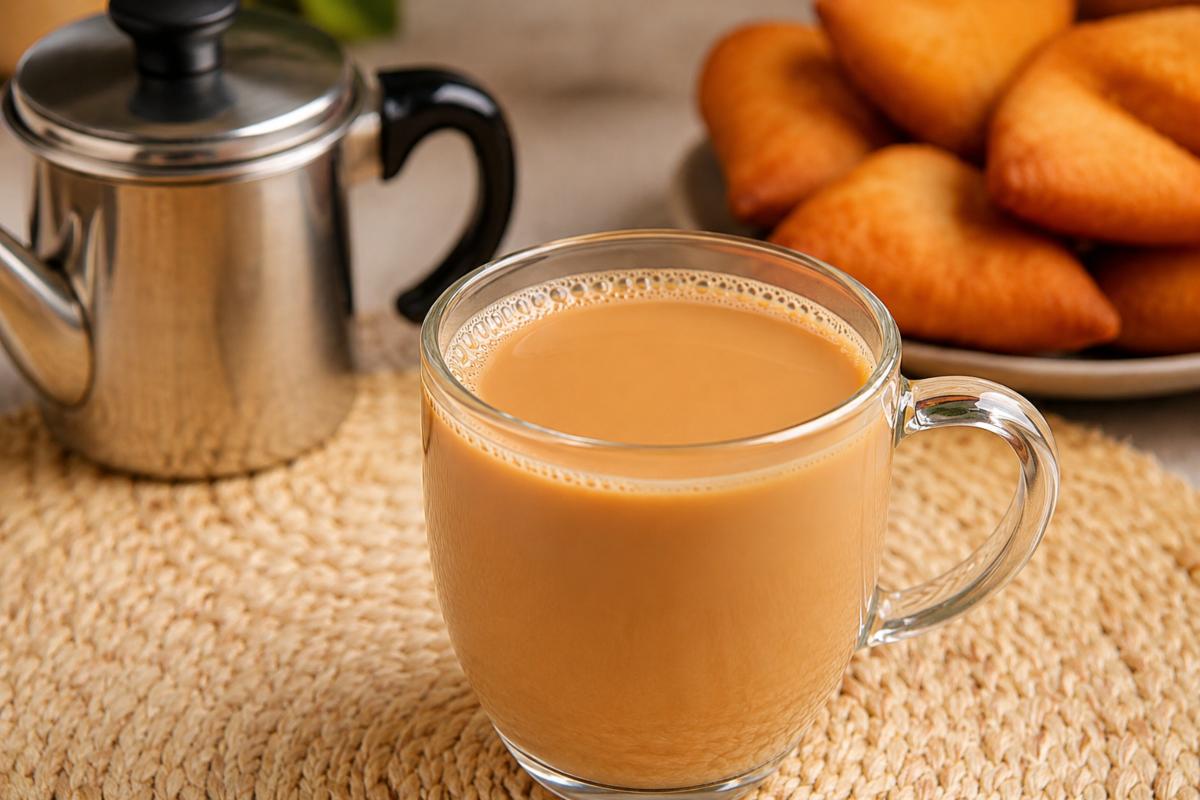
Kenyan Chai Authentic Masala Chai Recipe
Ingredients
- 2 cups water
- 2 cups whole milk
- 1 tsp loose black tea leaves
- 6 cardamom pods lightly crushed
- 1 small piece fresh ginger sliced or crushed
- 1 tsp tea masala
- Sugar or to taste (optional)
Instructions
- Add water to a pot followed by the crushed cardamom then ginger. Heat until it boils, then lower the heat and let it simmer for 3 to 5 minutes.
- Add the loose tea leaves and continue to boil for 1 to 2 minutes.
- Pour in the milk and bring everything back to a gentle boil.
- Let the milk and tea boil together for about 2 minutes.
- Strain into jug or kettle and serve hot.
- Sweeten with sugar if desired.
Video
Notes
Nutrition
How Kenyans Actually Make Chai at Home
How Kenyans make chai at home comes down to one habit, everything goes into the same pot at once, water, tea, milk and spices and simmers together rather than being steeped separately and combined later. There is no single fixed recipe, most households adjust the process by feel, based on how strong or milky they like their tea, but the boiling method itself stays constant from kitchen to kitchen. This is also why kenyan chai without tea bags is the norm rather than the exception, loose tea gives more control over strength than a bag ever can.
Using Loose Tea Leaves vs Tea Bags
Kenyan chai with loose tea leaves is the traditional approach and it produces a noticeably fuller cup than tea bags, since loose leaf tea has more surface area exposed during the extended boiling time Kenyan chai requires. Tea bags are not forbidden, many households use them out of convenience, but because chai is boiled for several minutes rather than briefly steeped, loose leaves hold up better and release flavor more evenly over that longer cook time. If using bags, it typically takes two to three per cup to match the strength of a tablespoon of loose leaves.
Getting the Milk to Water Ratio Right
The defining variable in any Kenyan chai is the milk to water ratio and most home cooks land somewhere between equal parts milk and water for a balanced cup, up to nearly all milk for a richer, more “milky” version. Using too little milk is exactly what produces the thin, watery result Kenyans jokingly call “nylon chai”, a cup that looks like tea but lacks the body and richness people expect. Starting with a one to one ratio and adjusting from there is the most reliable way to get a cup with real depth without tipping into overly heavy or cloying territory.
Make Your Own Kenyan Chai Masala Mix
A Kenyan chai masala mix is simply a blend of whole spices, usually ginger, cardamom and cinnamon, sometimes with a small amount of cloves or black pepper, ground together and added to the pot while the chai boils. Unlike the fixed, heavier blends used in Indian masala chai, a Kenyan chai masala recipe tends to stay simple, letting two or three spices carry the flavor instead of a long list.
The most common starting ratio is roughly equal parts crushed cardamom pods and ground ginger, with a smaller amount of cinnamon rounding it out, enough to season about four to six cups of chai. Toasting the whole spices lightly in a dry pan for a minute before grinding brings out more aroma than using pre ground spice straight from the jar, since whole spices hold their essential oils far longer than powdered versions do.
Making a batch ahead of time is worth doing if chai is a daily habit, a jar of ground chai masala kept in an airtight container away from light and heat stays potent for about a month, which covers roughly two to three weeks of daily brewing before the flavor starts to fade. From there, a teaspoon of the mix per pot is enough to season a full batch of Kenyan chai without needing to measure out individual spices each time.
Chai Ya Tangawizi The Ginger Variation
Chai ya tangawizi is Kenyan chai made with a generous amount of fresh ginger as the dominant spice, giving it a sharper, warming heat that plain masala chai does not have. “Tangawizi” is the Swahili word for ginger, so the name is literally descriptive, this is not a separate category of tea so much as a variation on the same boiling method, with ginger taking the lead instead of sharing space with cardamom or cinnamon.
The ginger is usually added in slices or crushed pieces at the very start, simmered in the water before the tea leaves go in, which gives it time to fully infuse rather than just flavor the surface. Using more ginger than a standard masala chai recipe calls for, often double, is what gives chai ya tangawizi its signature bite and some households skip the other spices entirely to let the ginger stand on its own.
Beyond taste, chai ya tangawizi is the version many Kenyans reach for when they’re feeling under the weather, since ginger is widely regarded as a natural remedy for nausea and sore throats. That dual role, comfort drink and mild home remedy, is part of why it’s requested by name rather than just described as “chai with extra ginger.”
Kenyan Tea Culture and Slang
Kenyan tea culture has its own vocabulary for describing how chai is made and terms like nylon chai, dubia and chai ya rangi are used casually in everyday conversation to describe strength, sweetness or whether milk is included at all. These are not formal recipe names, they’re the kind of shorthand that comes up when someone pouring a cup and commenting on how it turned out.
What Kenyans Mean by “Nylon Chai”
Nylon chai is the joking term for tea that is too watery or weak, usually because too little milk or too few tea leaves went into the pot. The name plays on the idea of something thin and see through, like the material itself and it is typically used as a light complaint rather than an actual style anyone sets out to make. Hearing someone describe a cup as “nylon” is a clear signal the milk to water balance was off.
Dubia and Other Ways Kenyans Take Their Tea
Dubia refers to chai made without sugar, for anyone who prefers their tea unsweetened or is cutting back on sugar intake. It sits alongside chai ya rangi, tea made with water only, no milk at all, as one of two common departures from the standard milky, sweetened version. Both terms show up regularly in Kenyan households as quick ways to specify a preference without explaining the whole recipe each time and they reflect how much variation exists within what looks, from the outside, like a single drink.
Popular Chai Variations Beyond Kenya
Beyond Kenyan chai, the same base drink has taken on different forms around the world, from a traditional masala chai recipe rooted in India to café style additions like dirty chai and iced chai lattes that did not exist in the original stovetop version. Kenyan masala chai sits closer to the Indian original than to Western coffeehouse versions, since both rely on boiling tea and spices together rather than adding a syrup to milk, but the wider chai world has branched out well beyond that shared method.
Dirty Chai (Chai Plus Espresso)
A dirty chai consists of a chai latte that includes a shot of espresso, combining the spice and creaminess of chai with the caffeine kick of coffee. It is a Western café invention rather than a traditional preparation, neither Kenyan chai nor Indian masala chai includes coffee, but it’s become popular enough in specialty coffee shops that it is now one of the more frequently ordered chai drinks outside East Africa and South Asia.
Making a Chai Concentrate for Iced Chai Latte
A chai concentrate is a strongly brewed, unsweetened batch of spiced tea made ahead of time and diluted later, usually with milk, to make an iced chai latte. It’s built by simmering tea leaves and spices in a smaller amount of water than usual, so the flavor is concentrated enough to hold up once ice and milk are added. This is closer in spirit to how Kenyan chai is made, spices and tea cooked together rather than mixed in afterward, even though the finished iced version is served cold and diluted, which is where it departs from the traditional hot, all in one method.
What to Serve with Kenyan Chai
Kenyan chai is almost always served alongside something to eat, since chai time in Kenya functions more like a light meal than a standalone drink. The most traditional pairing is African mandazi, a lightly sweetened fried dough that is soft enough to dip straight into a hot cup and it is the pairing most Kenyan households default to for breakfast or an afternoon break.
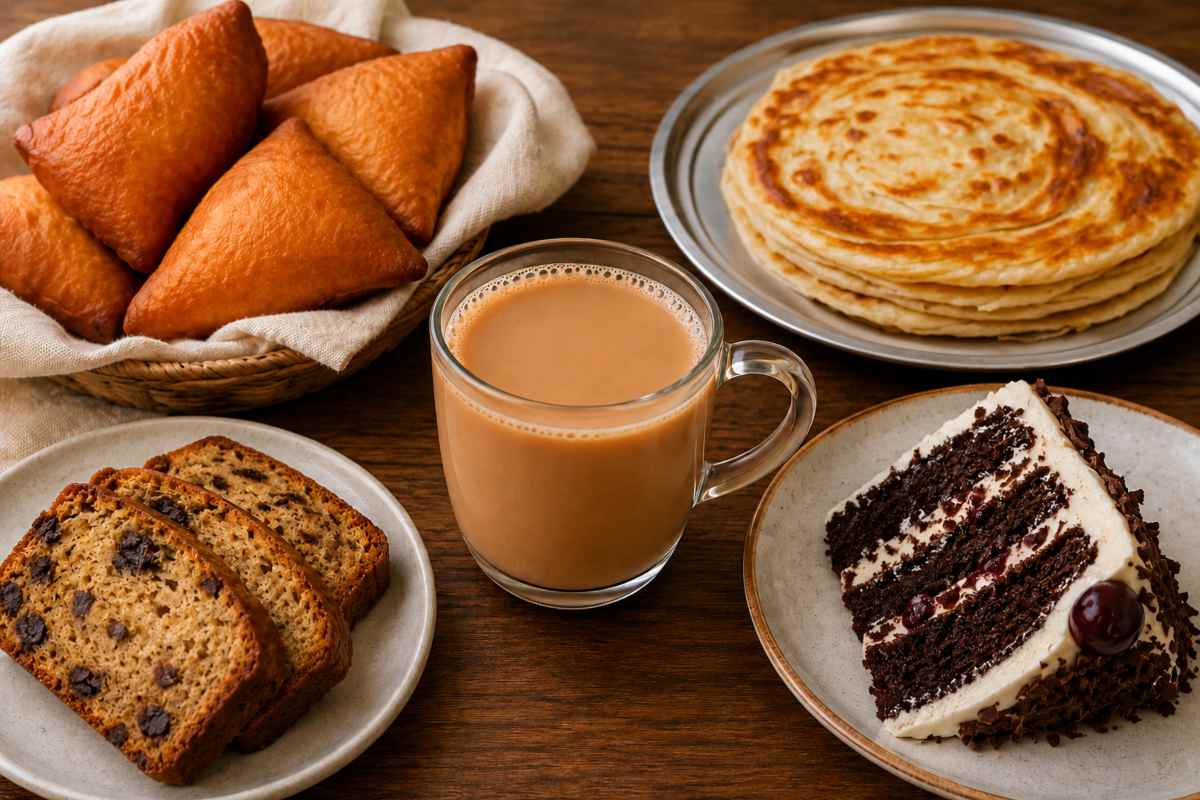
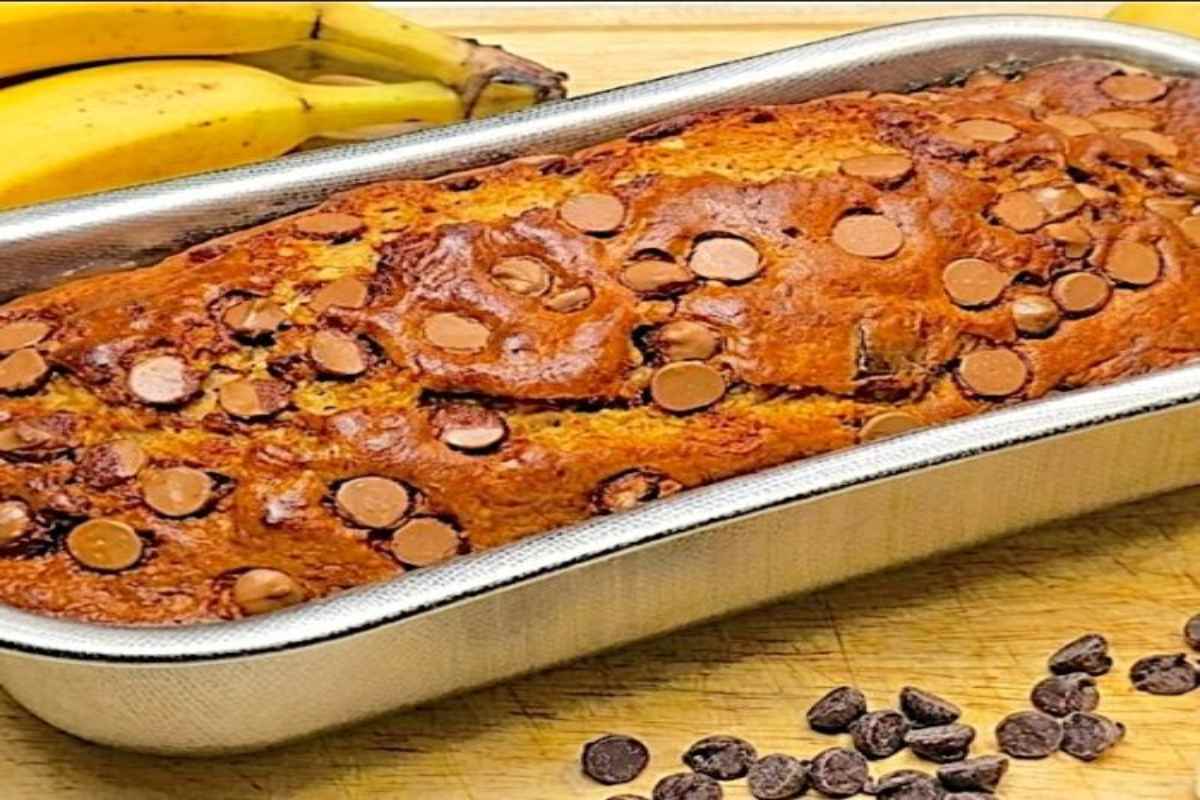
Fluffy Kenyan chapatis are another common match, especially at dinner or when chai is served as part of a fuller meal rather than a quick snack, the soft, layered texture holds up well against a strong, milky cup. For something sweeter, a slice of chocolate chip banana cake works well with the spice notes in the tea and on more special occasions, a rich black forest cake makes chai time feel closer to a proper dessert course than a routine tea break.
What ties these pairings together is contrast, Kenyan chai is spiced, milky and often quite sweet on its own, so the best accompaniments either lean plain and doughy, like mandazi or chapati, to balance that richness or lean fully into dessert territory when the occasion calls for it.
Conclusion
Kenyan chai comes down to one core technique, boiling tea, milk, spices and sugar together in a single pot and everything else, from chai ya tangawizi’s extra ginger to a homemade masala mix, is just a variation on that same method; once the stovetop process feels familiar, adjusting the milk to water ratio, spice blend or sweetness to match your own taste becomes second nature and paired with mandazi or chapati, it is less a recipe to follow once than a habit worth building. For more East African recipes, cakes and everyday cooking guides like this one, Devine Dishes has the full collection to explore.
Also try our other delicious recipes:
Frequently Asked Questions (FAQs)
Is Kenyan chai the same as masala chai?
Not exactly, both are boiled together with milk and spices, but Kenyan chai typically uses fewer spices, often just ginger and cardamom, while Indian masala chai leans on a fuller, fixed spice blend. The tea itself also differs, since Kenyan chai is built on the country’s own high grown black tea.
Can I make Kenyan chai without tea bags?
Yes and it is actually the traditional approach, loose black tea leaves are simmered directly in the water, giving more surface area and a fuller extraction than tea bags allow. If using bags, two to three per cup is usually needed to match that strength.
What does dubia mean in Kenyan tea culture?
Dubia refers to chai made without sugar, for anyone who prefers it unsweetened. It is one of a few common variations Kenyans specify by name rather than describing the recipe change each time.
What is chai ya tangawizi?
Chai ya tangawizi is Kenyan chai made with extra fresh ginger as the dominant spice, giving it a sharper, warming heat. It is often the version reached for when someone has a cold or sore throat.
What is the difference between a chai latte and real Kenyan chai?
A chai latte is made by pouring a premixed syrup or powder over steamed milk, while Kenyan chai simmers tea, milk and spices together from the start. That extra boiling time gives Kenyan chai a deeper, more layered flavor than a latte version typically has.















4 Comments. Leave new
This Kenyan chai looks so comforting and delicious! ☕❤️ I love how simple and flavorful the recipe is. Definitely adding this to my musttry list 😍
Thank you so much, Hafsa! ❤️☕ It really is one of those simple recipes that feels like a warm hug in a cup! I hope you give it a try and enjoy every sip. 😍
This is exactly how chai should be made boiling everything together really brings out that rich, malty depth you just can’t get from a chai latte. Love the tip about tea masala vs plain spices. Definitely trying the chai ya tangawizi version next time I’m feeling under the weather! 🍵
Thank you! ❤️ Boiling everything together really does make such a difference. Chai ya tangawizi is one of my favorites, especially on a chilly day. I hope you enjoy it when you try it!