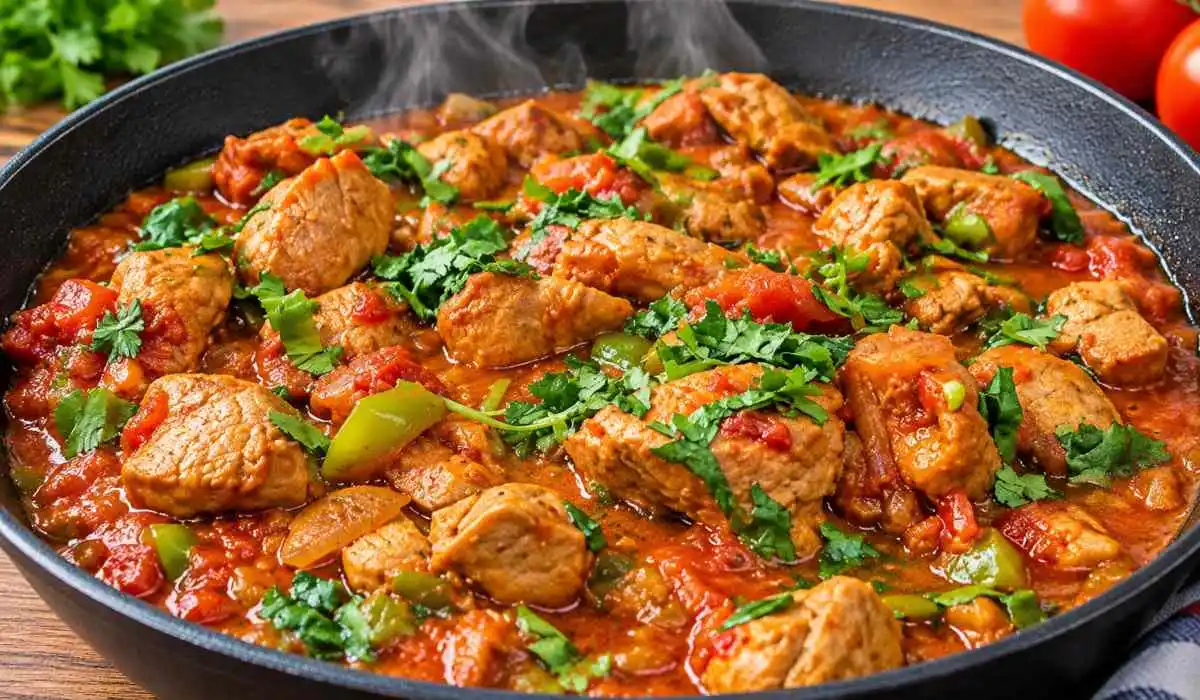
How do you make Kenyan pork wet fry? Brown bite sized pork shoulder in a pot, then simmer it in a thick tomato, onion, garlic, ginger and paprika sauce until fork-tender. It takes about 1 hour (15 minutes prep, 45–55 minutes cooking) and serves 4–5 with ugali.
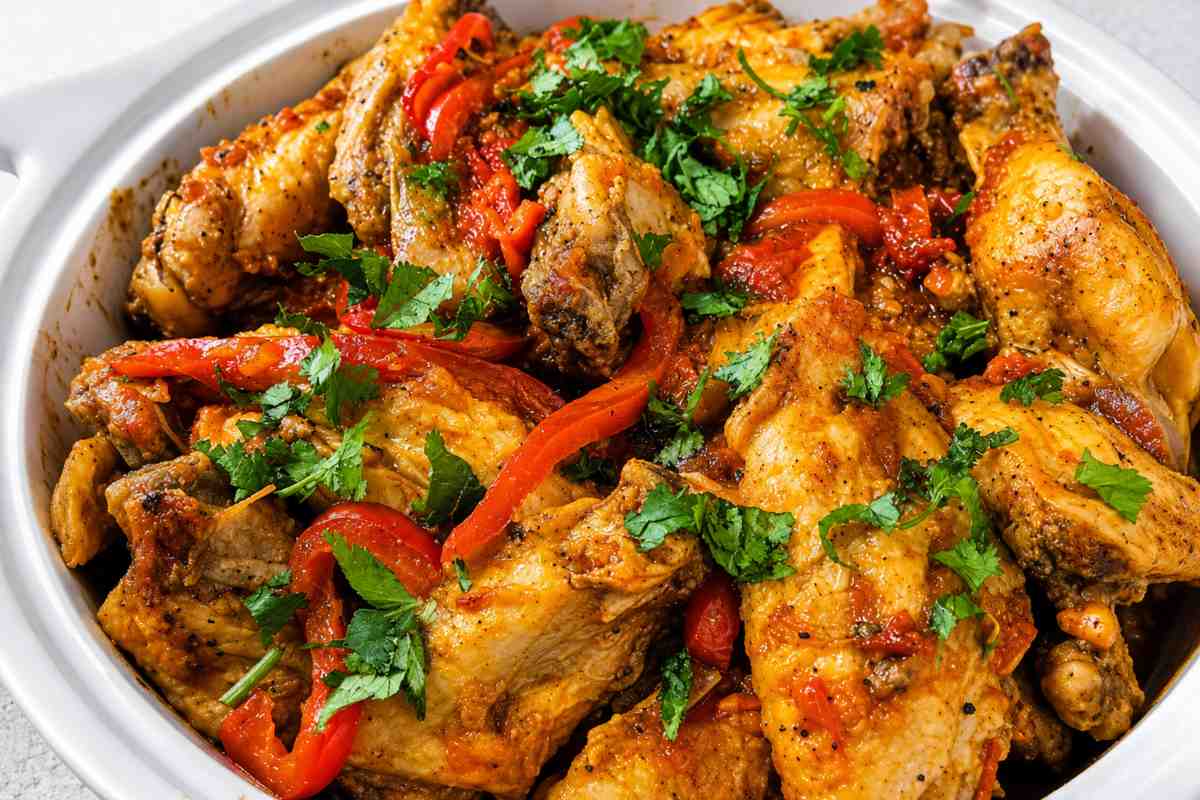
Kenyan pork wet fry is bite sized pork shoulder browned in a pot, then simmered in a thick sauce of tomatoes, onion, garlic, ginger and paprika until it turns saucy and spoonable. The “wet” in the name refers to that sauce, which separates it from a dry fry, where the meat is cooked down without one.
Some dishes earn a regular place on the table because they make the whole plate better and this Kenyan pork wet fry is one of them. The rich, saucy pork is made for scooping up with ugali and a handful of fresh dhania at the end keeps every bite bright. It’s an easy recipe to add to your collection of African Cuisine and it’s simple enough for everyday cooking. Below you’ll find the full recipe, tips for tender pork and what to serve alongside it.
What Is Kenyan Pork Wet Fry?
Kenyan pork wet fry is a stovetop dish of bite sized pork shoulder browned in a pot and then cooked in a thick tomato based sauce with onion, garlic, ginger, paprika and fresh dhania (coriander). It is usually served hot with ugali and a side of sukumawiki. The pork is first cooked until golden, then simmered with the vegetables and a little water, so every piece ends up coated in sauce.
Why It is Called “Wet” Fry (Pork Cooked in a Thick Tomato Sauce)
It’s called “wet” fry because the pork finishes in a sauce rather than being fried dry. In this recipe the tomatoes are cooked until they soften and break down into a thick sauce and a splash of water is simmered in for 5 to 10 minutes so the flavours come together. The result is saucy enough to spoon over ugali but still thick, not a thin soup.
Wet Fry vs Dry Fry Pork What is the Difference?
The difference is the sauce. A wet fry is cooked in a stew like sauce, while a dry fry has little to no sauce and is simply sautéed with its aromatics. Kenyan restaurant menus often offer both, which is why many people search for the distinction. Capital FM’s description of the Kenyan beef version notes that wet fries are made with a light or thick stew, while dry fry is sautéed with onions, garlic, green pepper and cilantro. The same logic applies to pork. If you want something that soaks into ugali, choose wet fry. If you prefer drier, more browned pieces, choose dry fry.
Other Names Wet Fried Pork and Wetfry Pork
You’ll also see this dish called wet fried pork, wet fry pork or wetfry pork, sometimes written as one word. These are all spelling and word order variations of the same dish. In Kenyan home kitchens and recipe communities, they all describe pork cooked down in a saucy tomato base, so the recipe below covers all of them.
1–2 green chilies (optional), whole or chopped if you like more heat
2 tbsp fresh coriander (dhania), chopped
Instructions
Heat oil in a pot on medium heat. Add the pork. If it is a tough cut, add 1/2 cup water, cover and cook on the medium heat until tender, stirring occasionally. Uncover and cook until golden brown and the pork has released most of the fat.
Add the onion, garlic, ginger, salt and chilies (if using) all together. Cook until fragrant and the onions soften.
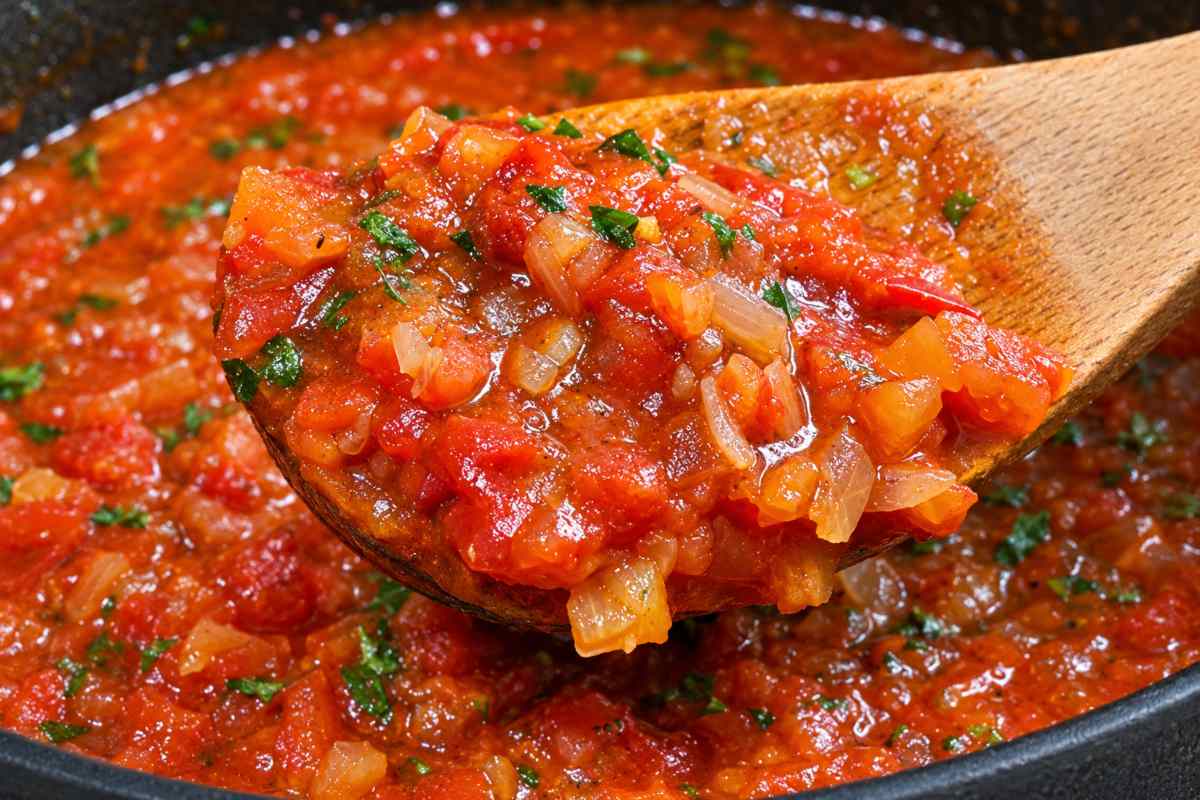
Add the paprika, then the chopped tomatoes. Stir, cover and cook until the tomatoes soften and break down into a thick sauce.
Add the curry powder (if using), then add 1/2 cup water. Cover and simmer for 5–10 minutes, to let the flavours come together.
Add the green bell pepper and cook for a few minutes, until just tender crisp. I keep it a bit crisp, not soft.
Stir in the chopped coriander. Taste and adjust the salt. Your pork wet fry is ready
Serve hot with ugali and a side of sukumawiki.
Kenyan Pork Wet Fry
Tender bite-sized pork shoulder simmered in a thick sauce of tomatoes, ginger, garlic and paprika, finished with fresh dhania and a slightly crisp green bell pepper. Serve it hot with ugali and sukumawiki.
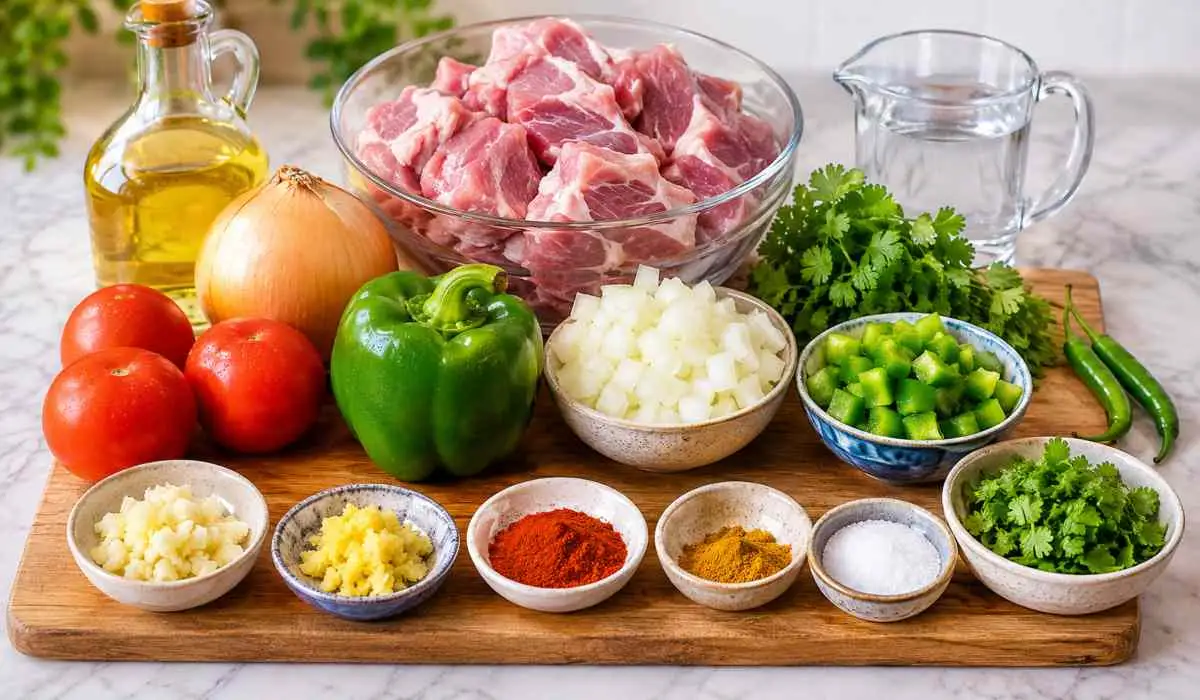
1.5lbs700 g pork shoulder, cut into bite sized pieces
2tbspvegetable oil
1large onionchopped
3medium tomatoesfinely chopped
1/2medium green bell pepperdiced
1tbspminced garlic
1tspminced fresh ginger
1tspregular paprika
1tspcurry powderoptional
1tspsalt or to taste
½–1 cup waterdivided
1–2 green chiliesoptional, whole or chopped if you like more heat
2tbspfresh corianderdhania, chopped
Instructions
Heat oil in a pot on medium heat. Add the pork. If it is a tough cut, add 1/2 cup water, cover and cook on the medium heat until tender, stirring occasionally. Uncover and cook until golden brown and the pork has released most of the fat.
Add the onion, garlic, ginger, salt and chilies (if using) all together. Cook until fragrant and the onions soften.
Add the paprika, then the chopped tomatoes. Stir, cover and cook until the tomatoes soften and break down into a thick sauce.
Add the curry powder (if using), then add 1/2 cup water. Cover and simmer for 5–10 minutes, to let the flavours come together.
Add the green bell pepper and cook for a few minutes, until just tender crisp. I keep it a bit crisp, not soft.
Stir in the chopped coriander. Taste and adjust the salt. Your pork wet fry is ready.
Serve hot with ugali and a side of sukumawiki.
Notes
Please note that the nutritional information is a rough estimate and can vary significantly based on the products used in the recipe.
Pork wet fry turns out tender when you give the pork shoulder enough time over medium heat, covering the pot with a little water if the cut is tough and then browning it until it releases its fat. Tenderness here comes from patience, not extra ingredients. Pulse Kenya notes that a common mistake with pork is overcooking it until it turns tough, dry and flavourless, so the aim is to cook it until just tender and then stop.
Adding 1/2 Cup Water and Covering the Pot if Your Cut Is Tough
If your pork shoulder feels tough, add 1/2 cup of water to the pot right after the pork goes into the hot oil, then cover it and cook it on medium heat, stirring occasionally, until the pieces are tender. The water and the lid create steam that softens the meat gently, so the pork is already soft before the sauce is built. If your pork is already tender, you can skip this step and move straight to browning.
Cooking Until Golden Brown and the Fat Is Released
Once the pork is tender, take the lid off and keep cooking until the pieces turn golden brown and most of the fat has come out. Uncovering the pot lets the moisture cook off, so the pork browns instead of steaming. This gives the finished dish its savoury depth and it’s the stage where the onion, garlic, ginger and salt go in next.
Letting the Tomatoes Break Down into a Thick Sauce
After the paprika goes in, add the chopped tomatoes, stir, cover the pot and cook until they soften and split down into a thick sauce. Don’t rush this part. Tomatoes that have fully collapsed coat the pork evenly and give you the saucy “wet” finish. A short simmer with 1/2 cup of water, 5 to 10 minutes, then lets the flavours come together before the bell pepper goes in.
What to Serve with Pork Wet Fry
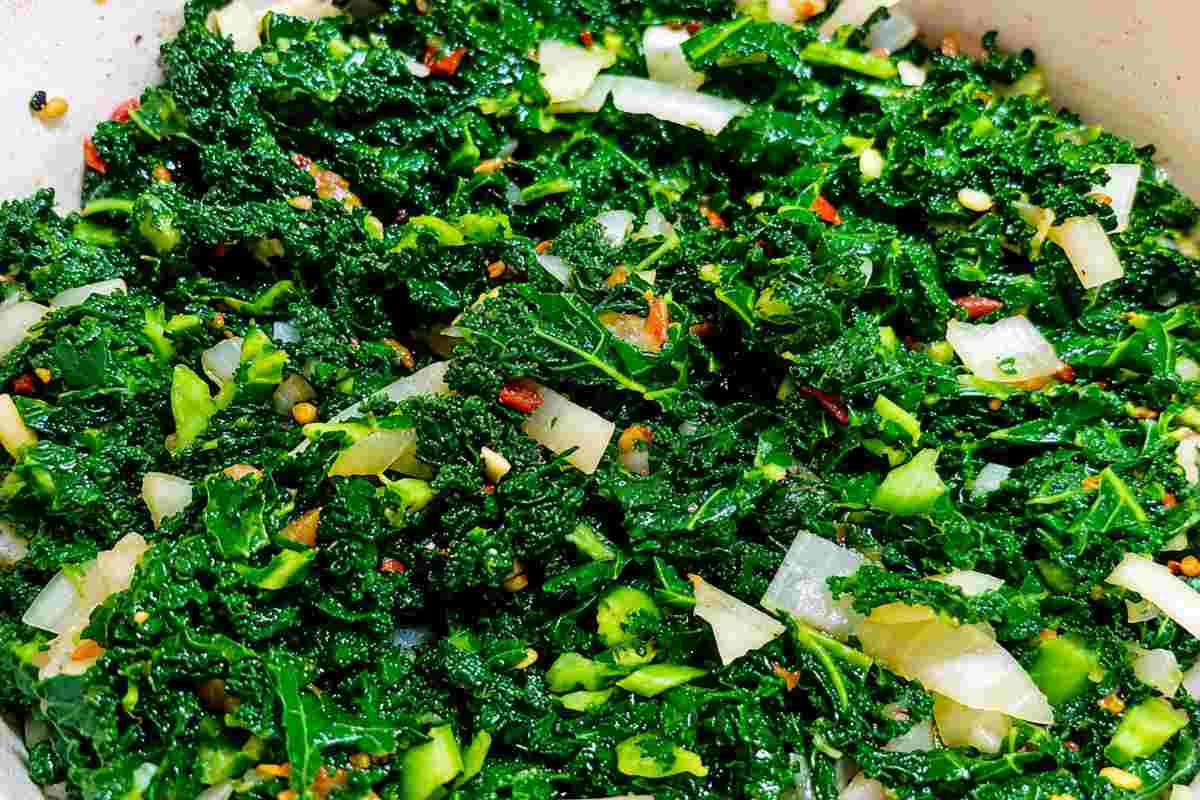
Serve Kenyan pork wet fry hot with ugali and a side of sukumawiki, which is the pairing this recipe is built around. Ugali soaks up the thick tomato sauce and the greens add a fresh, slightly bitter contrast to the rich pork. Pulse Kenya also lists ugali and kachumbari as a standard match for Kenyan pork, so the combination is a familiar one.
Pork Wet Fry with Ugali
Ugali is the classic partner because the saucy “wet” finish is made for scooping. Pinch off a small ball of ugali, press a dent into it with your thumb and use it to pick up a piece of pork along with some of the tomato sauce. The mild, firm ugali balances the paprika, ginger and optional green chilies, so each bite tastes rich without being heavy. Serve the pork while it is still hot so the sauce stays loose and spoonable.
A Side of Sukumawiki
Sukumawiki, Kenyan collard greens, is the side this recipe calls for and it keeps the plate balanced. Its light bitterness cuts through the pork and the thick tomato sauce and the greens add colour next to the golden pork. If you’d like a heartier take on the greens, try this Goat Sukuma Wiki Vegetable Stew . For a fresh, crunchy extra on the side, a bowl of Kachumbari works well alongside the ugali, though it is an optional addition to the main pairing.
Tips for the Best Kenyan Pork Wet Fry
The best Kenyan pork wet fry comes down to three small decisions: how much heat you add with the green chilies, how long the bell pepper cooks and how carefully you season at the end. This recipe uses only 1 tsp of salt “to taste” and 1 to 2 optional chilies, so each of these choices is easy to adjust without changing the dish.
Adjusting the Heat with Green Chilies
The green chilies are optional, so the heat level is entirely up to you. Use one chili for a gentle warmth or two for a stronger kick and leave them whole if you want a milder result. Chopping them releases more heat into the sauce. They go into the pot with the onion, garlic, ginger and salt, so the heat builds into the dish from the start. If you’re cooking for a mixed group, keep the chilies whole and easy to pick out.
Keeping the Bell Pepper Slightly Crisp
Add the diced green bell pepper near the end and cook it for just a few minutes, until it is tender crisp. It goes in after the sauce has simmered, which keeps it from turning soft and dull. A little crunch gives the finished dish a fresher bite against the rich pork and thick tomato sauce. If you like a softer texture, cook it a minute or two longer, but watch it closely so it stays bright.
Tasting and Adjusting the Salt at the End
Taste the pork wet fry after the dhania goes in, then adjust the salt. The recipe starts with 1 tsp of salt, which is meant as a base to season to your liking. Checking at the end gives you the most accurate read, because by then the sauce has reduced and the flavours have come together. Add a small pinch at a time, stir and taste again until the sauce and pork taste balanced.
“Wet fry” is a Kenyan cooking style where meat is browned and then finished in a thick sauce instead of being fried dry. In this recipe, tomatoes break down into a saucy base that coats the pork.
What is the difference between wet fry and dry fry pork?
Wet fry pork is cooked in a thick tomato based sauce, while dry fry pork has little or no sauce and is sautéed with its aromatics. Capital FM describes the same split for beef, where wet fries use a light or thick stew and dry fry is sautéed with onions, garlic and green pepper.
Which cut of pork works for pork wet fry?
Pork shoulder, cut into bite sized pieces, works well for this recipe. You will need 1.5 lbs (700 g) for 4 to 5 servings.
Why add water to the pork?
If your pork is a tough cut, 1/2 cup of water added to the pot, covered and cooked over medium heat, softens it until tender. Once the pork is tender, uncover it and cook until golden brown.
Are the curry powder and green chilies required?
No, both are optional. Add the curry powder for extra depth and the green chilies, whole or chopped, if you want more heat.
How long does Kenyan pork wet fry take?
It takes about 15 minutes of prep and 45 to 55 minutes of cooking. The cook time varies mainly with how tough your pork shoulder is.
How many people does this recipe serve?
This recipe serves 4 to 5 people. Serve it hot with ugali and a side of sukumawiki.
About Devine Dishes
A lifelong love of cooking, one delicious recipe at a time.
Welcome to Devine Dishes! I'm so glad you're here.
I'm the cook, recipe creator, and food lover behind this little corner of the internet. Born and raised in Kenya, my love for cooking started when I was very young. Even as a child, I would happily volunteer to cook for the family, leaving the dishes and laundry for my siblings. Looking back, I think I had already discovered my passion and a clever way to avoid some chores! 😜
Where My Love for Cooking Began
In high school, I chose Home Science and quickly discovered that baking was something I truly enjoyed. I went on to win awards in provincial school baking competitions for three consecutive years. Those were incredibly proud moments for me, and I loved the feeling of creating something delicious with my own hands.
But not everyone saw cooking the way I did.
I still remember the day my chemistry teacher laughed out loud in class after I received one of my baking medals. He told me I was wasting my time with cooking and that I should focus on the sciences, which would give me a better future than cookies and cakes.
It was an embarrassing moment, especially as a student who was proud of something she had worked hard to achieve. But I didn't stop cooking.
That experience stayed with me, not because it changed my passion, but because it reminded me that sometimes you have to believe in yourself even when others don't understand your dreams.
From Cooking for Family to Building a Food Business
Over the years, my love for cooking has taken me on quite a journey.
I've explored different food business ideas, from cooking and selling chapatis and mandazis to catering, meal preparation, and delivery. Each experience taught me something new about food, business, and the joy of sharing a good meal with others.
Today, I'm excited to bring that passion to food blogging.
Devine Dishes is a place where I share the recipes I love, the ones I'm learning, and the ones I can't wait for you to try. You'll find African and Kenyan favorites, comforting family meals, delicious baking recipes, and practical dishes that make cooking at home enjoyable.
My goal is simple: to help you discover recipes that are delicious, approachable, and worth making again.
More Than Just Recipes
For me, food has always been about more than feeding people. It's about family, memories, creativity, and bringing people together.
When I'm not working, you'll often find me trying out new recipes, creating and editing content, or spending time with family. Sometimes we're swimming, watching TV, or simply chatting over a good meal. Those ordinary moments are some of my favorite moments.
I also love traveling and discovering new places, cultures, and foods. I'm hoping to do much more of it in the near future, and I'm excited about the inspiration those experiences will bring to my cooking and future recipes.
Thank You for Being Here
Whether you're visiting Devine Dishes for a Kenyan recipe, looking for something delicious to bake, or simply exploring new meals to try, thank you for being part of this journey.
Every recipe shared here is a little piece of my love for cooking, my experiences, and the belief that it's never too late to pursue something you're passionate about.
I hope you find something delicious, make wonderful memories around your table, and come back often.
Happy cooking!
With love,
Milli
The heart behind Devine Dishes
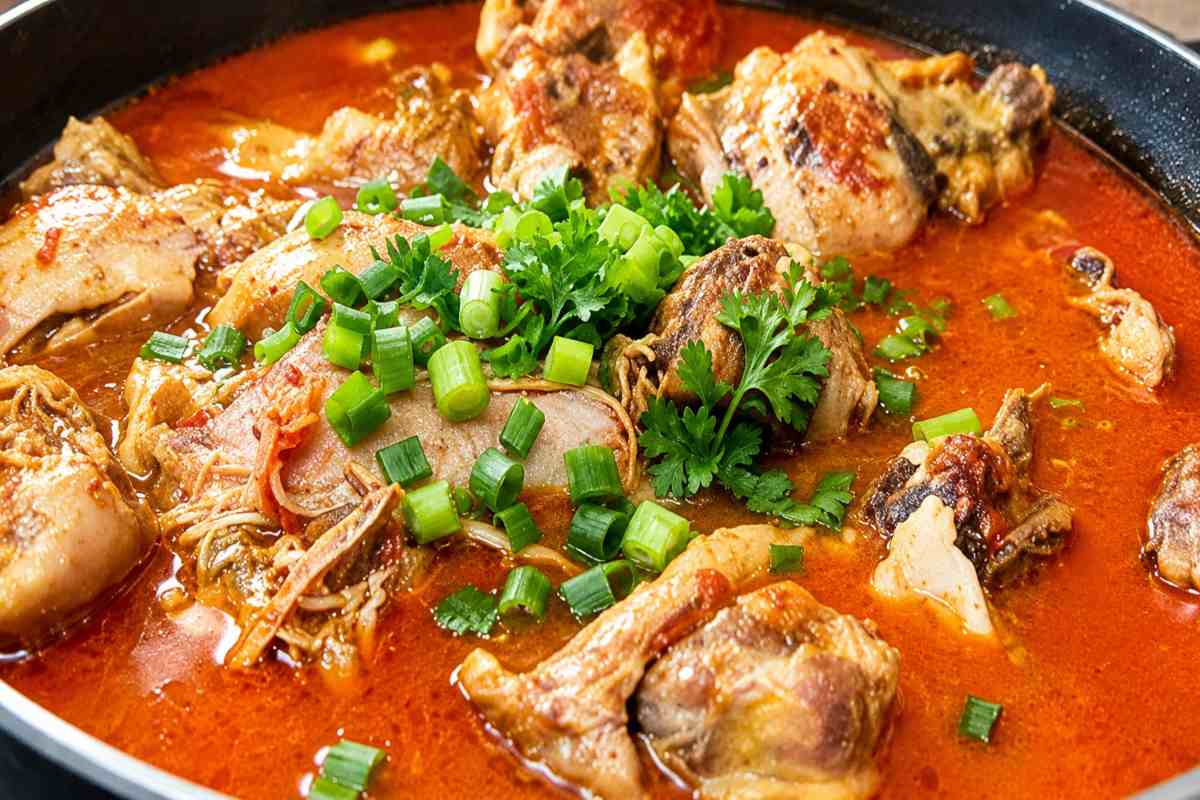
Tender pork shoulder in a thick, saucy tomato base with ginger, garlic and paprika. The fresh dhania and slightly crisp green pepper at the end keep it bright. Scoop it up with ugali and sukumawiki for a satisfying meal.












1 Comment. Leave new
Tender pork shoulder in a thick, saucy tomato base with ginger, garlic and paprika. The fresh dhania and slightly crisp green pepper at the end keep it bright. Scoop it up with ugali and sukumawiki for a satisfying meal.