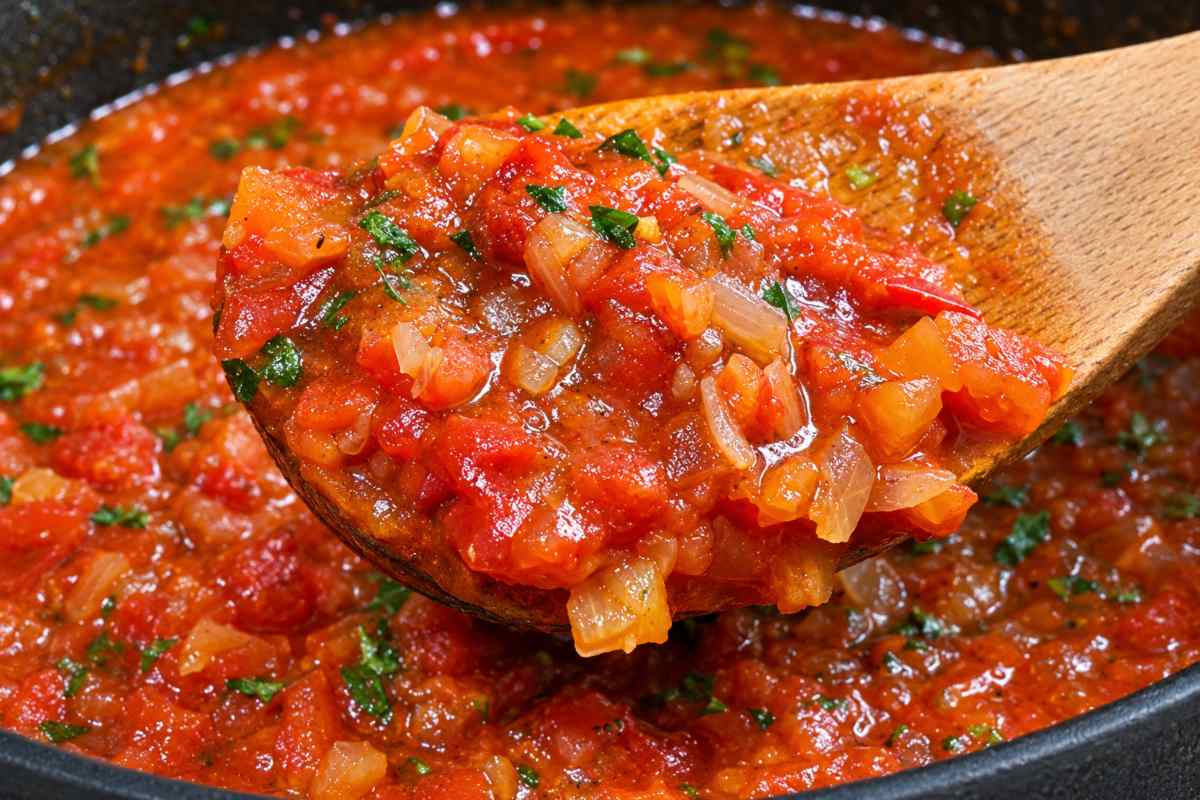
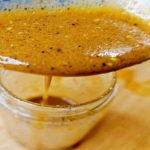
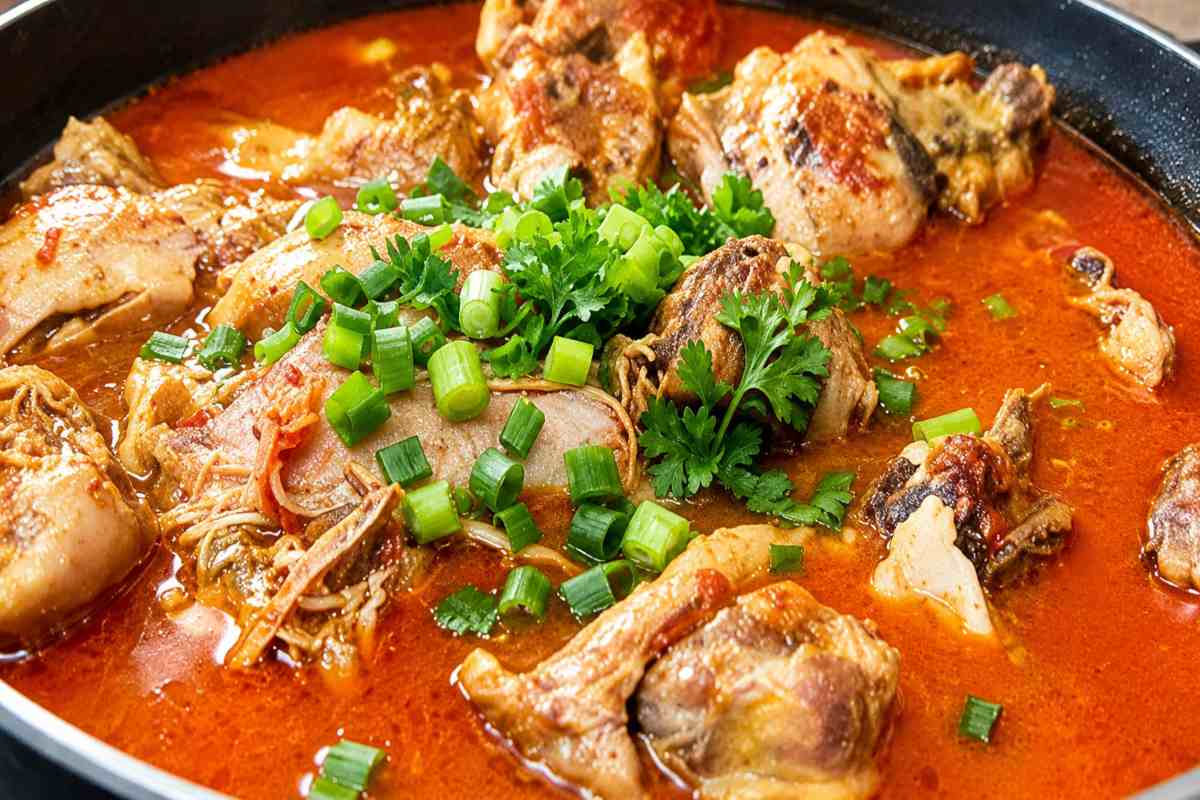
Pilipili ya Kukaanga is a Swahili fried chilli sauce made by cooking fresh red chillies, tomatoes, onions and garlic ginger paste in hot oil until they reduce into a thick, glossy paste. Also spelled pilipili ya kukaangwa or pilipili ya kukaang’wa depending on the region, it is one of the most common condiments in Swahili kitchens along the East African coast, served alongside almost every rice dish, grilled meat or stew.
What sets it apart from other chilli condiments is the frying step itself, the sauce is cooked down until the oil visibly separates from the paste, which concentrates the flavor and gives it a richer, deeper heat than a raw or quick blended salsa. It is a close cousin to other East and Southern African pili pili sauces, but the Swahili version is distinct for this slow fried method and it is rarely served on its own, it is built to sit next to a full plate, cutting through rich dishes like pilau, biryani and nyama choma with sharp acidity and heat.
If you are building out a home condiment shelf, this one belongs next to the rest of our sauces and dips, it keeps well, scales easily and takes under 30 minutes from chopping board to jar.
What Is Pilipili ya Kukaanga?
Pilipili ya Kukaanga is a Swahili condiment made from red chillies, tomatoes, onions and garlic ginger paste that are fried together in oil until they cook down into a thick, deep red chutney. The name translates roughly to “fried pepper”, pilipili means pepper or chilli in Swahili and kukaanga means to fry, which describes exactly how the sauce is made and why it tastes different from a raw chilli salsa.
You will see it written a few different ways depending on where you are reading it. Pilipili ya Kukaangwa is the most common alternate spelling and Pilipili ya Kukaang’wa, with the apostrophe marking a glottal stop, shows up frequently in Kenyan press and older recipe collections. All three refer to the exact same sauce, the variation comes from how the Swahili verb is conjugated and transliterated into English, not from any difference in the recipe itself.
Every household along the Swahili coast makes some version of it and it is rarely written down with exact measurements, most cooks learn the ratio of chilli to tomato to oil by eye, passed down the way a family recipe usually is. What stays consistent is the method: the ingredients are sautéed and reduced until the oil separates from the paste, which is the visual cue that tells a Swahili cook the sauce is actually done, not just simmered.
Pilipili ya Kukaanga vs Piri Piri Sauce
Pilipili ya Kukaanga and piri piri sauce are not the same condiment, even though the names sound alike and both come from chilli peppers. Piri piri sauce originated with Portuguese settlers in Mozambique and Angola, built around the African bird eye chilli marinated with garlic, lemon and oil, it is typically used as a marinade or basting sauce for grilled chicken and it is usually left raw or only lightly cooked. Pilipili ya Kukaanga, by contrast, is a Swahili coastal condiment that is fully fried down with tomatoes and onions into a thick paste and it is served as a side sauce rather than a marinade.
The confusion mostly comes from translation, “pili pili” and “piri piri” both derive from the same root word for pepper in Bantu languages, so English speakers often use them interchangeably online even though the dishes themselves diverged as they traveled through different colonial food histories. If a recipe calls for lemon, is uncooked and is meant for basting meat before grilling, that is piri piri. If it is fried in oil with tomato until it thickens and separates, that is pilipili ya kukaanga, the one this page is about.
Making Deluicious Pilipili ya Kukaanga Recipe
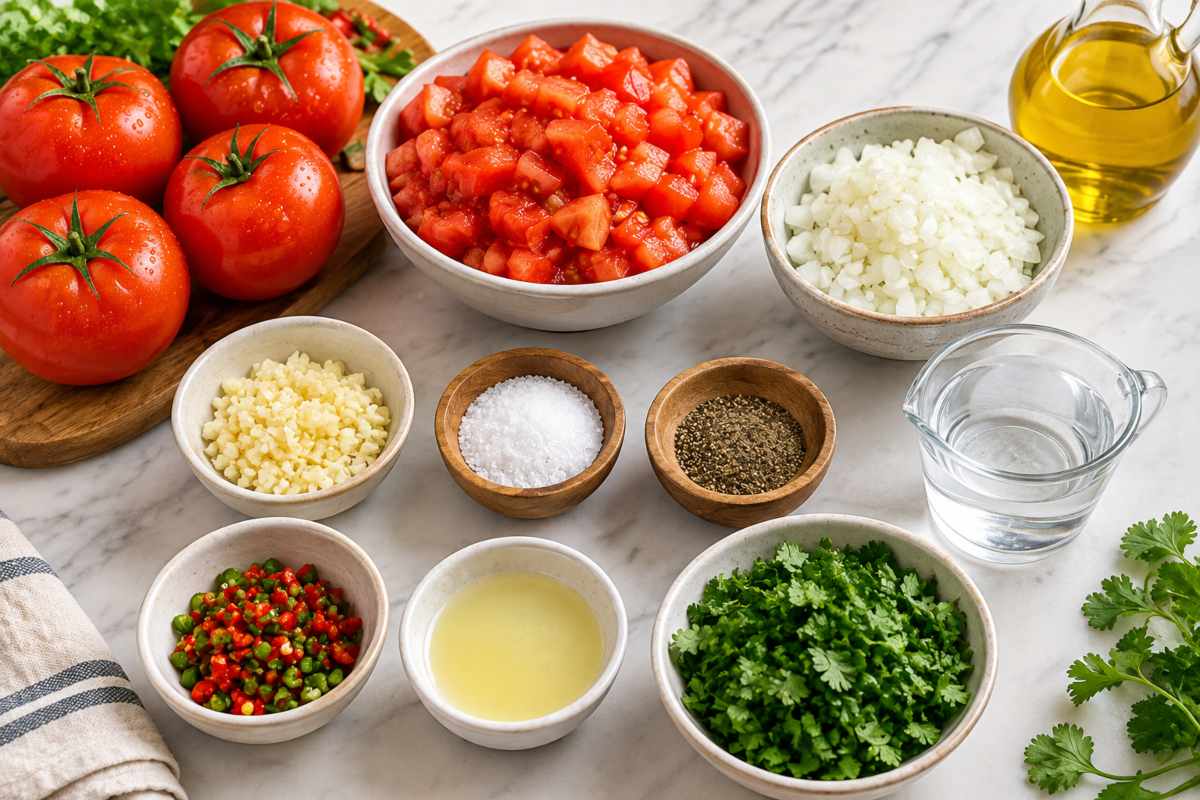
Ingredients
4 ripe tomatoes, chopped
1 small onion, finely chopped
2 cloves garlic, minced
1 tablespoon cooking oil
½ teaspoon salt, or to taste
¼ teaspoon black pepper
¼ cup water
Fresh chili, finely chopped, to taste
1 teaspoon fresh lemon juice
Fresh cilantro, chopped
Instructions
Heat the oil in a saucepan on the medium flame. Add some onion and cook untill soft and lightly golden.
Add the garlic and sauté for about 30 seconds.
Add the chopped tomatoes and fresh chili, if using, salt and black pepper. Cook for 5 to 8 minutes, stir occasionally, unless tomatoes soften and release their juices.
Add the water, cover, and simmer for another 5–10 minutes until the sauce thickens but remains spoonable.
Stir in fresh lemon juice and cilantro. Taste and adjust the seasoning.
Serve warm alongside pilau or fried tilapia and enjoy!
Pilipili ya Kukaanga Swahili Fried Chilli Sauce
A fiery Swahili condiment made by frying red chillies, tomatoes, and onions in oil until they reduce into a thick, glossy paste. Also known as pilipili ya kukaangwa, it is the classic side sauce for pilau, biryani and nyama choma ready in under 30 minutes and keeps for weeks in the fridge.
Heat the oil in a saucepan on the medium flame. Add some onion and cook untill soft and lightly golden.
Add the garlic and sauté for about 30 seconds.
Add the chopped tomatoes and fresh chili, if using, salt, and black pepper. Cook for 5–8 minutes, stirring occasionally, until the tomatoes soften and release their juices.
Add the water, cover, and simmer for another 5–10 minutes until the sauce thickens but remains spoonable.
Stir in the fresh lemon juice and cilantro. Taste and adjust the seasoning.
Serve warm alongside pilau or fried tilapia and enjoy!
Video
Notes
Please note that the nutritional information is a rough estimate and can vary significantly based in the products used in the recipe.
Pilipili ya Kukaanga is built to be eaten alongside a full plate, not on its own, its job is to cut through rich, starchy or fatty dishes with sharp heat and acidity. On the Swahili coast, it shows up most often next to three categories of food: spiced rice dishes, biryani and grilled meat.
Pilipili ya Kukaanga for Pilau
Pilau is the most traditional pairing for pilipili ya kukaanga and for good reason, the rice is cooked in meat stock and whole spices like cardamom and cloves, which makes it fragrant but mellow and the fried chilli sauce adds the sharp contrast the dish is missing on its own. It works particularly well spooned over a beef coconut pilau, where the coconut milk adds richness that the chilli sauce is built to cut through.
Pilipili ya Kukaanga for Biryani
Biryani and pilipili ya kukaanga are served together at nearly every Swahili wedding and celebration meal, since biryani layered rice and meat can be dense and heavy without something acidic on the side. Try it with a chicken biryani, a spoonful stirred through the rice or served on the side to dip each bite into, adds the same brightness a raita would in an Indian biryani, but with considerably more heat.
Pilipili ya Kukaanga for Nyama Choma
Nyama choma, Swahili style grilled meat, usually goat or beef, is traditionally served with almost nothing but salt, which is exactly why pilipili ya kukaanga exists as its counterpart. The sauce brings the acidity and spice the meat does not have on its own, functioning the same way a chimichurri does for grilled steak in Argentina. It is also a natural match for milder coconut based sides on the same plate, like creamy coconut nduma, where the sauce adds a contrast of heat that the dish sweetness is built to balance.
Regional Names for Pili Pili Sauce
Pili pili sauce goes by several names across East and Southern Africa and most of the variation comes down to regional pronunciation rather than any real difference in the sauce itself. In Kenya, it is most often called Kenyan pili pili sauce or simply pilipili, the version this page covers, fried down with tomato and onion into a thick paste. Further south, in countries like South Africa and Mozambique, you will see it spelled peli peli, a phonetic shift of the same root word for pepper.
Broadly, all of these fall under the umbrella term East African chilli sauce, which is often used online to describe the category rather than one specific recipe, since chilli based condiments across the region share a base of chilli, tomato and aromatics but vary in heat level, texture and whether they are fried or left raw. If you are searching for “pili pili sauce” without a specific country attached, there is a good chance the fried, Swahili style version, pilipili ya kukaanga, is the one you are picturing, since it is the most widely documented and cooked variation across Kenyan and Tanzanian coastal kitchens.
Storage and Shelf Life
Pilipili ya Kukaanga keeps well because it is cooked, not raw, once the oil separates from the paste during frying, that oil acts as a natural seal that extends the sauce’s shelf life well beyond a fresh salsa. Stored in an airtight jar in refrigerator, it stays good for up to three weeks, as long as you always use a clean, dry spoon to serve it rather than dipping directly with something that is touched other food.
For longer storage, pilipili ya kukaanga freezes well for up to three months, portion it into small containers or an ice cube tray first, so you can thaw only what you need for a single meal instead of defrosting the whole batch. It does not need to come fully back to room temperature before serving, most Swahili cooks pull it straight from the fridge, since the sauce is meant to be sharp and cold against a hot plate of pilau or grilled meat, not warmed through.
Variations to Try
Pilipili ya Kukaanga has a few well known regional spin offs that swap in fruit or tamarind for extra sweetness and tang, without changing the core fried chilli method. Mango Pilipili, sometimes called pilipili masala, adds diced green mango and carrot to the base sauce, giving it a fruitier, slightly sweet edge that pairs especially well with grilled fish (full recipe coming soon).
Another common variation is Tamarind Pilipili, made by stirring tamarind extract, known locally as ukwaju, into the sauce toward the end of cooking. The tamarind adds a sour depth that works well against richer meat dishes and it is especially popular as a pilau accompaniment in Tanzanian households (full recipe coming soon). Both variations start from the same base as the classic recipe above, the difference is only in what gets added once the tomatoes and chillies have cooked down.
Conclusion
Pilipili ya Kukaanga is a simple but essential part of Swahili cooking, a fried chilli, tomato and onion sauce that turns a plain plate of pilau, biryani or nyama choma into something with real depth and heat. Whether you have seen it spelled kukaangwa, kukaang’wa or written up as Kenyan pili pili sauce, it is the same fried, slow reduced condiment that is been passed down in Swahili kitchens for generations, made without an exact recipe and finished the moment the oil visibly separates from the paste.
Once you have made a batch, it keeps for weeks in the fridge and months in the freezer, so there is rarely a reason not to have some on hand. For more East African recipes built around this same coastal, home cooked tradition, browse the rest of what we have put together at Devine Dishes.
Is pilipili ya kukaanga the same as pilipili ya kukaangwa?
Yes, they are the same sauce. The difference is just spelling and conjugation as the Swahili word is transliterated into English, not a different recipe.
What is the difference between pili pili and piri piri sauce?
Pilipili ya kukaanga is Swahili and fried with tomato into a thick paste, while piri piri sauce is Portuguese African, made with lemon and oil and typically used raw as a marinade.
Can I make pilipili ya kukaanga without a blender?
Yes, dice the onions, tomatoes and chillies by hand instead of blending them. It takes a bit longer and gives a chunkier texture, but the frying method stays the same.
How long does pilipili ya kukaanga last in the fridge?
Stored in an airtight jar, it keeps for up to three weeks in the refrigerator or up to three months in the freezer.
About Devine Dishes
A lifelong love of cooking, one delicious recipe at a time.
Welcome to Devine Dishes! I'm so glad you're here.
I'm the cook, recipe creator, and food lover behind this little corner of the internet. Born and raised in Kenya, my love for cooking started when I was very young. Even as a child, I would happily volunteer to cook for the family, leaving the dishes and laundry for my siblings. Looking back, I think I had already discovered my passion and a clever way to avoid some chores! 😜
Where My Love for Cooking Began
In high school, I chose Home Science and quickly discovered that baking was something I truly enjoyed. I went on to win awards in provincial school baking competitions for three consecutive years. Those were incredibly proud moments for me, and I loved the feeling of creating something delicious with my own hands.
But not everyone saw cooking the way I did.
I still remember the day my chemistry teacher laughed out loud in class after I received one of my baking medals. He told me I was wasting my time with cooking and that I should focus on the sciences, which would give me a better future than cookies and cakes.
It was an embarrassing moment, especially as a student who was proud of something she had worked hard to achieve. But I didn't stop cooking.
That experience stayed with me, not because it changed my passion, but because it reminded me that sometimes you have to believe in yourself even when others don't understand your dreams.
From Cooking for Family to Building a Food Business
Over the years, my love for cooking has taken me on quite a journey.
I've explored different food business ideas, from cooking and selling chapatis and mandazis to catering, meal preparation, and delivery. Each experience taught me something new about food, business, and the joy of sharing a good meal with others.
Today, I'm excited to bring that passion to food blogging.
Devine Dishes is a place where I share the recipes I love, the ones I'm learning, and the ones I can't wait for you to try. You'll find African and Kenyan favorites, comforting family meals, delicious baking recipes, and practical dishes that make cooking at home enjoyable.
My goal is simple: to help you discover recipes that are delicious, approachable, and worth making again.
More Than Just Recipes
For me, food has always been about more than feeding people. It's about family, memories, creativity, and bringing people together.
When I'm not working, you'll often find me trying out new recipes, creating and editing content, or spending time with family. Sometimes we're swimming, watching TV, or simply chatting over a good meal. Those ordinary moments are some of my favorite moments.
I also love traveling and discovering new places, cultures, and foods. I'm hoping to do much more of it in the near future, and I'm excited about the inspiration those experiences will bring to my cooking and future recipes.
Thank You for Being Here
Whether you're visiting Devine Dishes for a Kenyan recipe, looking for something delicious to bake, or simply exploring new meals to try, thank you for being part of this journey.
Every recipe shared here is a little piece of my love for cooking, my experiences, and the belief that it's never too late to pursue something you're passionate about.
I hope you find something delicious, make wonderful memories around your table, and come back often.
Happy cooking!
With love,
Milli
The heart behind Devine Dishes
This pilipili ya kukaanga is a fantastic way to add bold flavor and heat to a meal! 🍅🌶️ The cooked tomatoes and chilies create a rich, punchy sauce that goes beautifully with rice, meat, chapati or other favorite dishes. 🍚🥘 If you enjoy a little extra heat, this one is definitely worth trying! 😋










1 Comment. Leave new
This pilipili ya kukaanga is a fantastic way to add bold flavor and heat to a meal! 🍅🌶️ The cooked tomatoes and chilies create a rich, punchy sauce that goes beautifully with rice, meat, chapati or other favorite dishes. 🍚🥘 If you enjoy a little extra heat, this one is definitely worth trying! 😋