
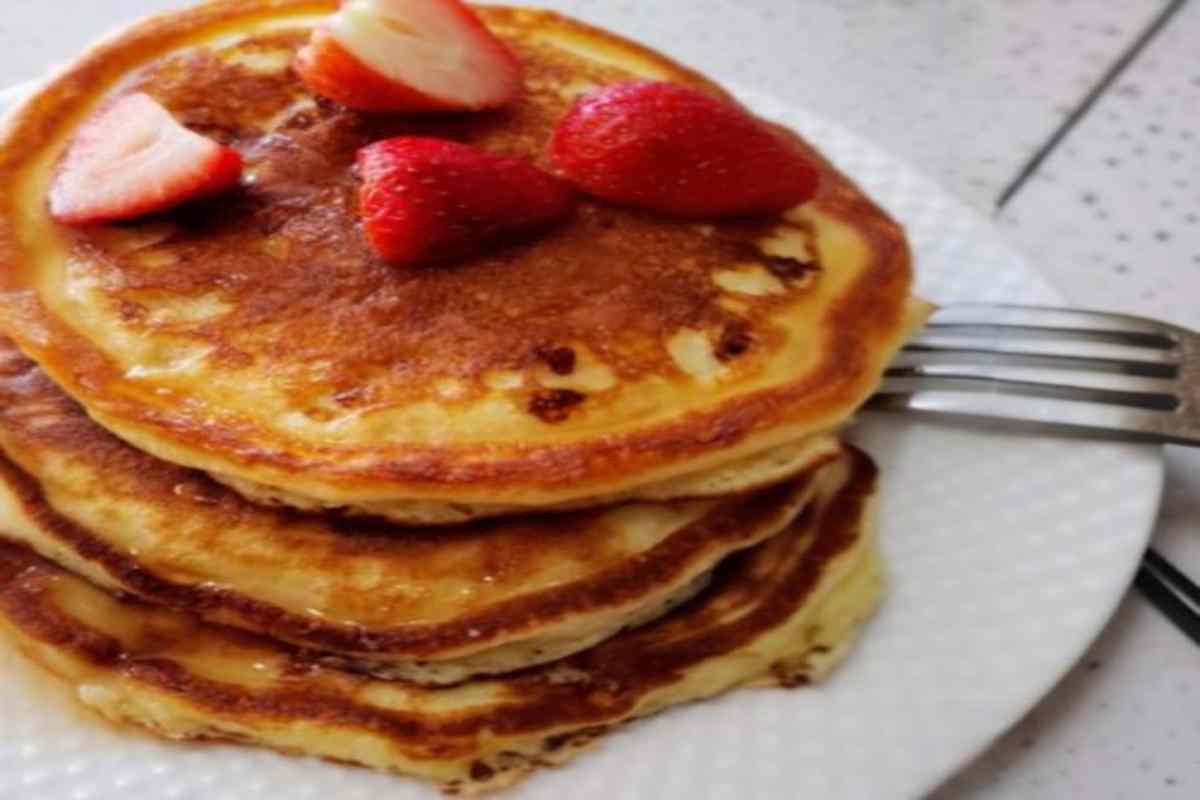
Have you ever made a stack of pancakes, taken one bite, and thought, yeah, these are fine, but they’re nothing special? That’s the thing about regular pancakes. They are reliable. They are comforting. But they rarely make you stop mid bite and actually say something out loud. Fluffy ricotta pancakes do that.
Every single time. The texture is what gets people. Light on the outside, creamy in the center, closer to a baked custard than a flat diner pancake. When you bite through one and hit that soft, almost pillowy middle, it makes total sense why Italian home cooks have been adding ricotta to their pancake batter for generations. The cheese is not the point. You do not taste it. What ricotta does is transform the batter structure from ordinary to one that holds air beautifully and stays moist for far longer than a standard recipe.
This fluffy ricotta pancakes recipe includes everything we have learned from making these dozens of times, the exact technique that gets them to rise properly, the common mistakes that make them fall flat, a lemon variation that is honestly dangerous to have on a slow weekend, and answers to every question we get asked in the comments. Whether this is your first time making ricotta pancakes or you have been making them for years and want to understand them better, you are in the right place.
Why Ricotta Makes Pancakes Better
A lot of people see ricotta on a pancake ingredient list and assume the pancakes will taste cheesy. It does not. What ricotta actually does in pancake batter is provide moisture, fat, and structure in a way that flour and eggs alone cannot match. When you fold ricotta into a batter, the cheese whey introduces steam during cooking. That steam is what lifts the pancake from the inside. The fat in whole milk ricotta keeps the crumb tender long after the pancake comes off the griddle. And the slight acidity in ricotta reacts gently with the baking powder, giving a little additional rise.
The result is a pancake that is thicker than a standard American style pancake, softer than a crepe, and more custardy than anything in between. Some people compare the interior texture to a Dutch baby. That is probably the closest analogy, except these cook faster and do not require an oven. One other practical point, ricotta pancakes are excellent for using up leftover ricotta from the fridge. If you made lasagna last week and have half a container sitting in there, this is the best possible thing you can do with it. Fluffy Ricotta Pancakes that are tender, moist, and melt in your mouth delicious, and you can try the best Spiced Cream Cheese Pancakes.
Making Fluffy Ricotta Pancakes Recipe
Tools You Will Need
- Mixing bowls
- Spatula
- Whisk or hand mixer
- Nonstick skillet or griddle
- Measuring cups and spoons
Ingredients For Fluffy Ricotta Pancakes

To make these Fluffy Ricotta Pancakes, you will need
- 1 cup all purpose flour
- 1 tbsp baking powder
- ¼ tsp salt
- 2 tbsp sugar (or 4 tbsp monk fruit sweetener for a low carb option)
- 1 cup ricotta cheese (whole milk or part skim)
- 4 large eggs (separated)
- ½ tsp vanilla extract (optional)
- ½ cup milk (any variety)
- 2 tbsp olive oil or butter, divided
Instructions For Fluffy Ricotta Pancakes
Combine Dry Ingredients In a large bowl, combine the flour, baking powder, salt, and sugar until well mixed.
Prepare Wet Mixture In a separate bowl, stir together the ricotta cheese, egg yolks, vanilla extract, and milk until the mixture is smooth and homogeneous.
Whip Egg Whites In a clean bowl, beat the egg whites with a hand mixer until stiff peaks form. This adds essential lift and fluffiness to the Batter.
Mix Batter Gently pour the ricotta mixture into the dry ingredients and mix until just combined. Then, carefully fold in the whipped egg whites in two parts, ensuring that the batter does not deflate.
Cook Pancakes Heat a nonstick skillet over medium heat and add a small amount of oil or butter. Scoop ¼-cupfuls of the Batter onto the skillet and cook for 2–3 minutes until bubbles form on the surface. Flip and cook for an additional 1–2 minutes, until light brown and cooked through.
Serve Warm Transfer the cooked pancakes to a warm plate and cover loosely with foil while you finish the rest. Serve warm with maple syrup, berries, or whipped cream.
Fluffy Ricotta Pancakes: Light & Creamy Breakfast Treat
Equipment
Ingredients
- 1 cup all-purpose flour
- 1 tbsp baking powder
- 1/4 tsp salt
- 4 tbsp monk fruit sweetener or sugar
- 1 cup ricotta cheese
- 4 large eggs
- 1/2 cup milk
- 1/2 tsp vanilla extract optional
- 2 tbsp olive oil or oil of choice divided
Instructions
- In a large bowl, blend the flour, baking powder, salt, and sugar together.
- In another bowl, whisk the ricotta cheese, eggs, 1 tbsp oil, vanilla extract, and milk until the mixture is well combined.

- Add the wet ingredients to the dry ingredients and stir until just combined. Be careful not to overmix the batter, as this can make the pancakes tough.

- Heat a nonstick skillet or griddle over medium heat. Add a small amount of butter or oil to the pan. Using a 1/4 cup measure, scoop the batter into the pan.

- Cook the pancakes for 2-3 minutes on each side, or until golden brown and cooked through.
- Repeat with the remaining batter, adding more butter or oil to the pan as needed.
- Serve the pancakes warm with your favourite toppings, such as fresh fruit, maple syrup, or whipped cream.
Notes
Please note that the nutritional information is a rough estimate and can vary significantly based on the products used in the recipe
Nutrition
The Technique That Makes Them Extra Fluffy
Some traditional Italian ricotta pancake recipes take one extra step that most home cooks skip. First, separate the eggs, and at the very end, gently fold in the fluffy whipped egg whites for a light and airy texture! Here is why it works. When you beat egg whites to soft or stiff peaks, you incorporate significant air into the protein structure of the whites. When you fold that aerated foam into the batter and then cook it, that air expands with the heat, creating a noticeably lighter, more cloud like interior than you get with whole eggs alone.
To do this: Separate the eggs before you start. Add the yolks to the wet ingredient bowl and proceed with the recipe as normal. Beat the whites separately with a hand mixer until they reach soft peaks, they should look billowy and white but still have some movement when you tilt the bowl. Gently fold them into the completed batter, then rest. The result is genuinely worth the extra bowl and three extra minutes of work. The pancakes come out visibly taller, and the interior texture is closer to a light soufflé than a standard pancake. If you want the maximum fluffiness from these delicious fluffy ricotta pancakes, this is the single technique change that makes the biggest visible difference.
Variations Worth Trying
Lemon Ricotta Pancakes
This is the most popular variation and, honestly, one of the best things you can make for brunch. Add the zest of 1 lemon and 1 tablespoon of fresh lemon juice to the wet ingredients before combining with the dry ingredients. The lemon brightens every element of the batter, the richness of the ricotta, the vanilla, the slight savory edge from the salt, without making the pancakes taste like lemon dessert. Serve with fresh blueberries, a dusting of powdered sugar, or a spoonful of lemon curd. All three together are not too much.
Chocolate Chip Ricotta Pancakes
Fold a third to a half cup of mini chocolate chips into the batter after combining the wet and dry ingredients. Mini chips work better than regular size chips because they distribute more evenly through the thicker batter and melt into the interior rather than pooling at the edges. This version works extremely well for kids. The ricotta keeps the pancakes from feeling heavy, even with the chocolate chips, and you end up with something that tastes like dessert but does not feel like a mistake for breakfast.
Blueberry Ricotta Pancakes
Add three quarters of a cup of fresh blueberries to the batter just before portioning onto the pan, or place a few berries directly on top of each pancake after you pour the batter. Fresh blueberries work better than frozen here, frozen ones release too much liquid into the batter and can make the texture uneven.
Gluten Free Version
Substitute all purpose flour with a 1:1 gluten free baking flour blend containing xanthan gum. The recipe works reliably with King Arthur Measure for Measure and Bob Red Mill 1:1 Baking Flour. Let the batter rest for ten minutes (rather than five) before cooking. Gluten free flours need a bit more time to hydrate fully, and this rest period makes a noticeable difference in the rise.
Dairy Free Version
Replace the ricotta with a thick, plain dairy free cashew cream or almond based ricotta substitute. Replace the dairy milk with oat milk or almond milk. The texture will be slightly different, a bit less creamy in the center, but the pancakes will still be considerably lighter than a standard dairy free pancake recipe.
The Best Toppings for Ricotta Pancakes

The creamy, slightly rich interior of these pancakes means they pair exceptionally well with fresh, bright toppings. Here are the best breakfast combinations that work well :
Classic
Softened butter, real maple syrup. The butter melts into the warm pancake, and the syrup pools in every crevice. This is all you need.
Summary
Fresh mixed berries, strawberries, blueberries, raspberries, with a light dusting of powdered sugar. The tartness of the berries offsets the richness of the batter perfectly.
Italian style
A spoonful of lemon curd and a dollop of whipped cream. Serve alongside a strong espresso or Americano and feel considerably more European than a Tuesday warrants.
Indulgent
Blueberry compote and whipped cream together. For a compote, simmer one cup of fresh blueberries with two tablespoons of sugar and a splash of lemon juice for five minutes, the berries will burst, and the mixture will thicken a little.
Unexpected
A smear of peanut butter or almond butter on each pancake, then maple syrup over the top. The fat in the nut butter plays off the creaminess of the ricotta interior in a way that sounds odd but is genuinely excellent.
How to Store and Reheat Ricotta Pancakes
Refrigerator
Let the pancakes cool completely before stacking. Place a small square of parchment paper between each one to prevent sticking. Store in an airtight container in the fridge for up to three to four days.
Reheating from the fridge
The toaster is the best method, one to two cycles at medium heat crisps the edges back up and warms the interior without making them soggy. Set toaster oven to 350°F for 5 minutes, also works well. The microwave is convenient, but it makes the edges soft rather than slightly crisp.
Freezer
Ricotta pancakes freeze exceptionally well, making them a good weekend meal-prep option. Cool it completely, stack with parchment paper between each pancake, and freeze in an airtight container or a zip close freezer bag for up to 3 months. Reheat now from frozen in the toaster or toaster oven, no need to thaw first.
Make ahead batter
The batter can be made the night before and refrigerated overnight. Give it a gentle stir before cooking, it may have thickened slightly, and you can add a tablespoon of milk if needed to loosen it. The baking powder will have less lift after sitting overnight, but the pancakes will still rise well enough to be enjoyable.
When Something Goes Wrong
The pancakes are dense and heavy, not light. Almost always overmixing. As soon as the flour is incorporated, stop stirring. The batter should look slightly lumpy. If you stirred until smooth, you developed gluten that traps the steam and prevents the dough from rising. Start fresh with a lighter hand.
The outside is golden, but the inside is raw. The heat was too high. Lower the heat to medium low and cook each pancake for 3 full minutes on the first side. Ricotta holds a lot of moisture and needs gentle, sustained heat to cook through, more time at lower heat, not less time at higher heat.
The pancakes fall apart when I try to flip them. They were not ready. Ricotta pancakes are more delicate than standard ones and need the first side to be fully set before they can support a flip. Wait until the edges look dry rather than wet, and when you gently slide a thin spatula underneath, the pancake holds its shape without buckling. If it buckles, wait another thirty seconds.
The pancakes are sticking to the pan. The pan was not hot enough before the batter went in, or not enough butter was used. Add a small knob of butter to each batch, let it foam and settle, then add the batter. A properly preheated nonstick pan with a thin coat of butter should release the pancake cleanly.
The batter is too thin and spreads out flat. The ricotta was too watery and was not drained. Next time, drain the ricotta for at least ten minutes before using. For the current batch, stir in an extra two to three tablespoons of flour to tighten the batter.
A Must Try Breakfast Classic
These fluffy ricotta pancakes are perfect for a family breakfast, special occasions, or just when you want to treat yourself easily, satisfyingly, and deliciously every time. Don’t forget to snap a photo with your favorite toppings!
If you love this recipe, try our other recipes
Frequently Asked Questions (FAQs)
What makes ricotta pancakes so fluffy?
Fluffy ricotta pancakes get their texture from three things working together: the moisture in the ricotta creates steam during cooking that lifts the batter from inside, and the fat in whole-milk ricotta keeps the crumb tender. It prevents it from drying out, and the baking powder provides the upward rise. When the eggs are whisked until foamy before mixing, that trapped air contributes additional lift. Keeping the batter slightly lumpy, not overmixed, preserves that texture throughout cooking.
Do ricotta pancakes taste cheesy?
No. This is the most common concern people have before making them for the first time, and it is the most consistently wrong assumption about the recipe. Ricotta has an extremely mild, milky flavor with almost no sharpness or tang. In a sweet pancake batter with vanilla, sugar, and eggs, you do not detect any cheese flavor. What you notice instead is a creamier, richer, more custardy texture, which is what everyone actually loves about the pancake.
Can I use part skim or fat free ricotta?
You can, but the results will be noticeably different. Part skim ricotta results in a slightly less creamy interior, and the pancakes are a bit less tender. Fat free ricotta makes a pancake that is closer in texture to a standard recipe, which defeats the purpose of using ricotta in the first place. Whole milk ricotta is worth buying specifically for this recipe.
Can I make the batter the night before?
Yes. Make the batter through the combining step, cover tightly, and refrigerate overnight. In the morning, give it a gentle stir and add a tablespoon or two of milk if it has thickened too much. The pancakes will be slightly less tall than if made with fresh batter because the baking powder loses some of its reactivity overnight, but they will still be very good.
Can ricotta pancakes be made gluten-free?
Yes, and reliably well. Substitute all purpose flour with a 1:1 gluten free baking flour containing xanthan gum (King Arthur and Bob’s Red Mill both work well in this recipe). Let the batter rest for ten minutes before cooking. The pancakes will be very slightly denser than the standard version, but still noticeably lighter and creamier than most gluten-free pancake recipes.
How do I know when to flip a ricotta pancake?
Watch the surface. You should see a scattering of bubbles forming across the top. More importantly, look at the edges. When they change from looking wet and raw to looking dry and set, the pancake is ready to flip. If you try to flip before the edges set, the pancake will tear. Gently slide a thin spatula under the edge before committing to the flip, the pancake should release easily. If it clings, give it another thirty seconds.





1 Comment. Leave new
Soft, airy, and slightly creamy from the ricotta. These pancakes feel extra special and are perfect for a cozy breakfast or brunch.🥞✨