
There are exactly three moments in life when a slice of pound cake fixes everything: a slow Sunday morning with coffee, the moment after a long workweek, and the second you realize you want dessert, but you don’t want to overthink it. This recipe delivers on all three. No fancy equipment, no obscure ingredients, no baking degree required, just real butter, real eggs, and a technique that actually works in a home kitchen.
We’ve baked this particular pound cake recipe dozens of times, tweaked it, stress-tested it across different ovens, and eaten more slices than we’re willing to admit. What you’re getting here isn’t adapted from somewhere else, it’s ours, and it works. If you’ve been searching for how to make pound cake that comes out genuinely moist with a golden, crackled top and a dense crumb that isn’t dry, you’ve landed in the right place. Want something fruity and tropical to pair with it?
Why Is It Called Pound Cake?
This question comes up constantly, and the answer is actually pretty satisfying. Why is it called pound cake? The original recipe, dating all the way back to early 18th-century Britain, was built on a brilliantly simple ratio: one pound of butter, one pound of sugar, one pound of eggs, and one pound of flour. That’s it.
Four ingredients, each weighing exactly a pound. In an era when most people couldn’t read or write, the recipe was almost impossible to forget. You didn’t need a cookbook, you just remembered the number one. The first published version appeared in Hannah Glasse’s The Art of Cookery Made Plain and Easy in 1747. When Amelia Simmons put a version in American Cookery in 1796, the first cookbook ever published in the United States, she added rose water, brandy, and a pinch of spice.
The soul of the cake was preserved, but it was already evolving. By the 1800s, bakers started scaling things down and adjusting ratios to produce a lighter loaf. Baking powder eventually entered the picture in the 20th century, making the process easier and the texture more forgiving. But the name? The name stuck. It’s called pound cake to this day, even though no version on earth uses a full pound of each ingredient anymore. The French call their version quatre-quarts “four quarters”, which captures the same logic. Equal parts, every time. So when someone asks you why is it called pound cake, now you actually know.
What Makes This Pound Cake Different From Others
You’ll find a hundred of pound cake recipes online that produce something edible. What you won’t always find is one that explains why each step matters, and that’s the gap we’re filling.
This version uses a small amount of baking powder and baking soda alongside the creaming method, which gives you a cake that’s structured and dense without being heavy or brick-like. The whole milk keeps the crumb tender. The vanilla pulls everything together without masking the butter flavor, which should always be the star.
Compared to a standard loaf cake, pound cake has a much finer crumb, a slightly firmer texture, and a shelf life that actually works in your favor, it genuinely tastes better on day two. It also freezes beautifully, which makes it one of the smartest things you can bake in advance.
Making the Best Classic Pound Cake
Creating the Best Classic Pound Cake is less about complex steps and more about proper technique and timing. The secret to the moist and fluffy texture in this recipe is primarily found in the initial step of creaming the butter and sugar. This crucial process of incorporating air is what gives the cake its signature lift and tender crumb. By following these straightforward instructions, you will achieve a perfect, golden-brown pound cake every single time.
- Yields: 10-12 slices
- Prep time: 15 minutes
- Cook time: 50–65 minutes
Ingredients for Pound Cake Recipe:

- 1 cup (227g) unsalted butter, softened
- 1 cup (227g) granulated sugar
- 4 large eggs, room temperature
- 2 cups all-purpose flour
- 1 1/2 tsp baking powder
- 1/4 tsp baking soda
- 1/2 cup whole milk
- 2 tsp vanilla extract
Step-by-Step Instructions
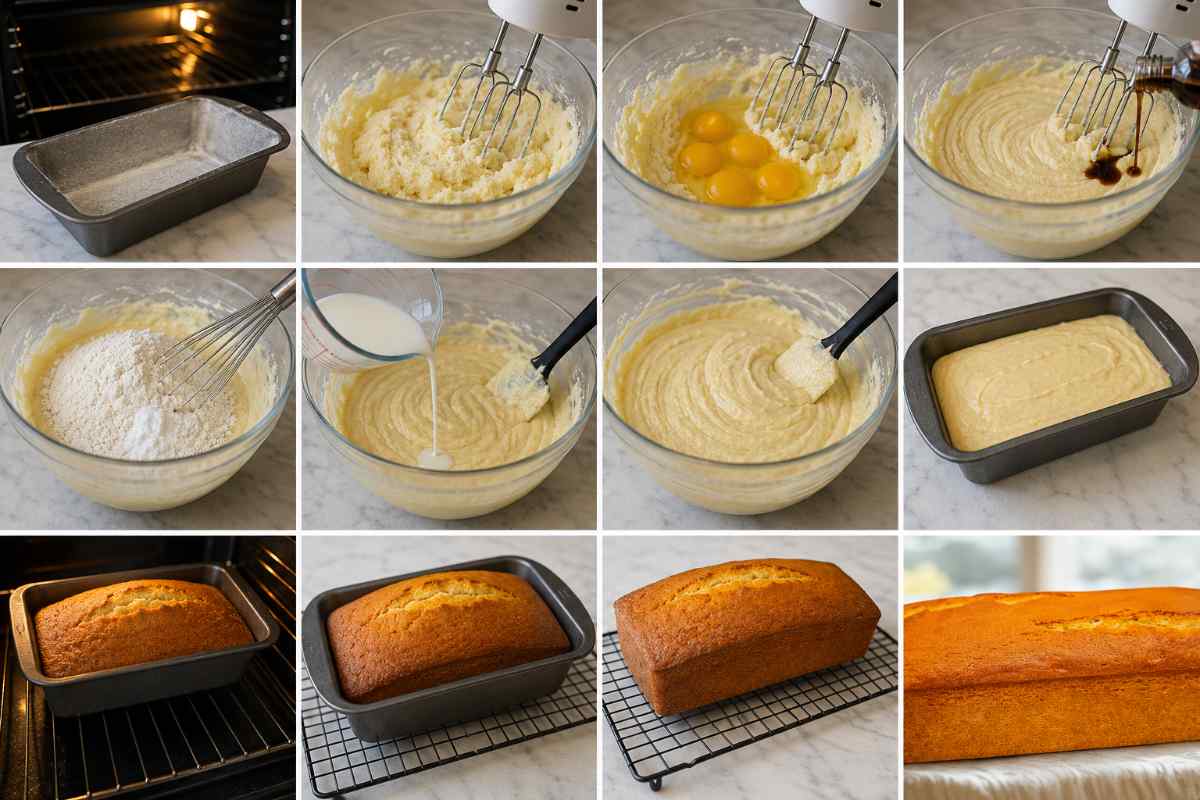
- Preheat Oven Heat your oven to 350°F (175°C). Prepare your pan by greasing and flouring a loaf pan (9×5 inches) or a bundt pan.
- Cream Butter and Sugar In a large bowl, beat the softened butter and granulated sugar with a mixer until the mixture is pale and fluffy. This important step should take about 3–5 minutes as it traps air for lift.
- Add Eggs and Vanilla Beat in the four large eggs one at a time, making sure to mix well after each addition. Scrape down the sides of the bowl to ensure everything is incorporated. Stir in the vanilla extract.
- Combine Dry Ingredients Whisk in the all-purpose flour, baking powder, and baking soda directly into the wet mixture.
- Finish Batter Add the whole milk to the bowl. Mix the entire batter until just combined; it is critical not to overmix to keep the cake fluffy and tender.
- Bake Pour the batter evenly into your prepared pan. Bake for 55–65 minutes if using a loaf pan, or 50–60 minutes if using a bundt pan, until a toothpick inserted into the center comes out clean.
- Cool Let the pound cake cool in the pan for 10 minutes before carefully transferring it to a wire rack to cool completely.
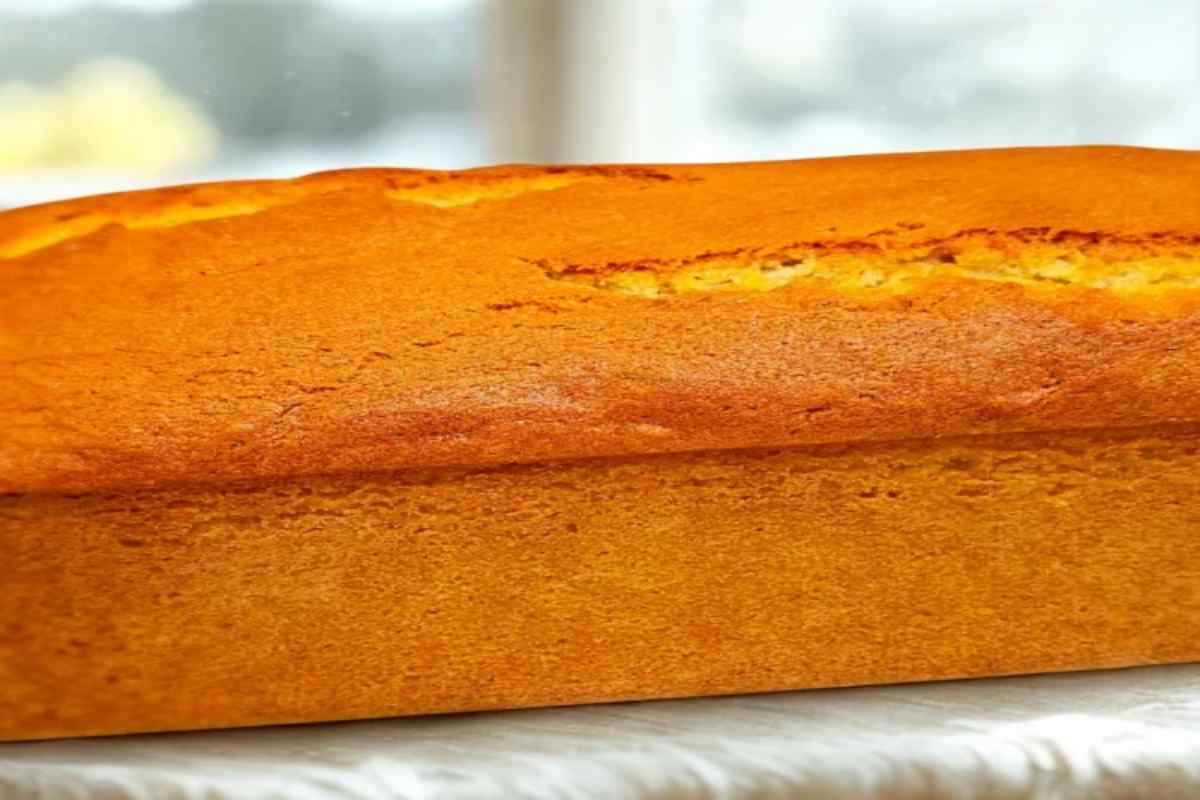
Classic Homemade Pound Cake: Rich, Moist, and Perfectly Simple
Ingredients
- 1 cup 227g unsalted butter softened
- 1 cup 227g granulated sugar
- 4 large eggs room temperature
- 2 cups all-purpose flour
- 1.5 tsp baking powder
- 1/4 tsp baking soda
- 1/2 cup whole milk
- 2 tsp vanilla extract
Instructions
- Heat oven to 350°F (175°C). Grease and flour a loaf pan (9x5) or Bundt pan.
- In a large bowl, beat butter and sugar with a mixer until pale and fluffy (about 3–5 minutes). This step traps air for lift.
- Beat in eggs one at a time, mixing well after each. Scrape down the bowl. Stir in vanilla extract.
- Whisk in flour, baking powder, and baking soda. Add the whole milk. Mix until just combined (don’t overmix).
- Pour batter into the prepared pan. Bake for 55–65 minutes (loaf) or 50–60 minutes (Bundt), until a toothpick inserted comes out clean.
- Let cool in the pan for 10 minutes, then transfer to a wire rack.
Notes
Nutrition
The Real Secrets Behind a Moist Pound Cake
1. Creaming Time Is Not a Suggestion
Three to five minutes of creaming isn’t arbitrary. Under-creamed butter and sugar produce a flat, dense loaf. You want the mixture to look almost white and feel light when you run a spatula through it. The air you’re working into it right now is the lift your cake will rely on.
2. Room Temperature Matters More Than You Think
Cold eggs shock warm butter and cause the emulsion to break, which leads to a greasy, uneven batter. Pull your eggs, milk, and butter out at least 45 minutes before you start. This one change is responsible for more baking improvements than any ingredient swap.
3. Stop Mixing at “Just Combined”
Once flour hits wet ingredients, gluten starts forming with every turn of the mixer. Overmixing after this point is the number one reason home bakers end up with a tough, dense pound cake. Mix until the last streaks of flour vanish, then stop completely.
4. Oven Thermometers Save Cakes
Most home ovens run 15–25 degrees hotter or cooler than the dial says. A $10 oven thermometer is one of the most useful things in your kitchen. If your cakes consistently over-brown or stay underdone, the oven is the problem, not you.
5. The Crackdown the Middle Is a Good Sign
That signature split along the top of your pound cake isn’t a flaw. It happens because the crust sets before the interior finishes rising. It’s the mark of a properly baked loaf and looks beautiful dusted with powdered sugar.
Easy Pound Cake Recipe Variations Worth Trying
One of the best things about an easy pound cake recipe is how adaptable it is. Once you’ve nailed the base, you can take it in a dozen different directions without changing the core method.
Lemon Pound Cake
Add the zest of two lemons to the butter during creaming and replace the vanilla extract with fresh lemon juice. Finish with a simple glaze of powdered sugar and lemon juice drizzled over the cooled loaf. Bright, sharp, and entirely different from the vanilla version, in the best way.
Almond Cream Pound Cake
Swap half the vanilla for pure almond extract and fold in ¼ cup of finely ground almond flour alongside the all-purpose flour. Top the baked loaf with slivered almonds before it goes into the oven. The result is fragrant and slightly nutty with a more complex depth of flavor.
Brown Butter Pound Cake
Brown your butter on the stovetop before creaming. Let it cool to a solid again overnight in the fridge, then follow the recipe as written. The nutty, caramel-like aroma this adds is extraordinary and completely transforms the finished cake.
Cream Cheese Pound Cake
Replace ¼ cup of the butter with full-fat cream cheese, both softened to room temperature. This addition makes the crumb noticeably more moist and gives the cake a slightly tangy richness. It’s a Southern staple for good reason.
Marble Pound Cake
Split your batter in half. Stir 3 tablespoons of cocoa powder into one portion. Layer them alternately in the pan and swirl gently with a knife before baking. If you enjoy that chocolate-vanilla combination, you’ll also love our Marble Cake Recipe.
How to Make Pound Cake Work for Every Occasion

How to make pound cake feel special doesn’t require changing the recipe, it’s all in how you serve it.
For breakfast
Toast thick slices in a dry pan until golden on both sides and serve with fresh berries and a sprinkle of honey. If you enjoy building a proper morning spread, our Breakfast Ideas section has everything you need to put together a table worth sitting down at.
For dessert
Serve warm slices with vanilla ice cream and a drizzle of salted caramel, or fresh whipped cream and sliced strawberries. The neutral flavor of pound cake makes it the perfect base for whatever fruit is in season.
For brunch
Cube the cake and layer it in a trifle dish with lemon curd, whipped cream, and blueberries. It looks spectacular with almost no effort.
For gifting
Wrap a cooled loaf tightly in parchment and tie it with twine. Pound cake is one of the best baked goods for gifting because it travels well, lasts several days, and feels genuinely homemade in a way that store-bought never does.
For dinner parties
Pair slices alongside our Crispy Tortilla Wrap for a complete spread, sweet finish, savory side, and easy cleanup.
Pound Cake vs Other Classic Cakes What is the Difference?
People often ask how pound cake compares to other popular bakes. Here’s a quick breakdown:
Pound Cake vs Sponge Cake
Sponge cake is lighter and airier because it relies on whipped egg whites or whole eggs for lift. Pound cake is denser and richer because the structure comes from creamed butter and sugar. Sponge absorbs moisture, pound cake holds its own.
Pound Cake vs Butter Cake
They’re close cousins, but butter cake typically uses more leavening and a bit more liquid, giving it a softer, more open crumb. Pound cake is firmer, more compact, and slices more cleanly.
Pound Cake vs Coffee Cake
Coffee cake is typically layered with streusel or filling and designed to be eaten in the morning. Pound cake works any time of day and doesn’t need a topping to be complete.
Pound Cake vs Bundt Cake
Bundt is a pan shape, not a recipe. You can also bake a pound cake in a Bundt pan, many people do, and the fluted shape looks beautiful when unmolded. The cake itself is the same.
Common Pound Cake Problems
- Dense, heavy texture. This almost always comes down to one of three things: cold ingredients, under-creaming butter and sugar, or overmixing after the flour goes in. Make sure everything is at room temperature, cream for the full 3–5 minutes, and stop mixing as soon as the batter looks uniform.
- Dry crumb. Dry pound cake is an overbaked pound cake. Start checking at the 50-minute mark regardless of what your recipe says. Every oven is different, and yours may run hotter than the dial indicates. When a toothpick comes out with just a few moist crumbs (not wet batter), the cake is done.
- Sunken center. Usually caused by opening the oven door in the first 30 minutes or underbaking. Don’t check on it before the 45-minute mark. A sunken center that tests clean can still taste great, just slice toward the center when serving.
- Gummy bottom layer. This happens when the cake cools in the pan for too long, and steam gets trapped beneath it. Always transfer to a wire rack after the initial 10-minute rest in the pan.
- Pale, soft top. Your oven runs cool. Move the rack up one position or add 5 minutes to the bake time and check again. A properly baked pound cake should have a deep golden top and a visible crack down the center.
Make-Ahead, Storage and Freezing Guide
At room temperature
Store in an airtight container or tightly wrapped in plastic wrap for up to 3 days. The flavor genuinely improves on day two as the butter redistributes through the crumb.
Refrigerator
Keeps for up to 5 days refrigerated. Bring slices to room temperature before eating, cold pound cake loses some of its moisture on the palate.
Freezer
Pound cake is one of the best baked goods for freezing. Wrap the entire loaf (or individual slices) in two layers: first plastic wrap, then foil. Freeze for up to 3 months. Thaw at room temperature overnight.
Make-ahead for events
Bake up to 48 hours in advance, wrap tightly, and store at room temperature. It will actually taste better than same-day because the crumb has time to settle. This is also one of the few cakes that works beautifully in a Keto Meal Planning context when you swap in almond flour and a sugar substitute. Our Mini Keto Blueberry Pound Cake covers exactly that adaptation.
Nutrition Per Serving
Based on 10 servings from the recipe above. Values are estimates and may vary based on specific brands and exact measurements.
| Nutrient | Per Serving |
| Calories | 136 kcal |
| Total Carbohydrates | 21 g |
| Sugars | 1 g |
| Dietary Fiber | 1 g |
| Total Fat | 3 g |
| Saturated Fat | 1 g |
| Monounsaturated Fat | 1 g |
| Polyunsaturated Fat | 1 g |
| Trans Fat | 0.01 g |
| Protein | 6 g |
| Cholesterol | 76 mg |
| Sodium | 126 mg |
| Potassium | 77 mg |
| Calcium | 67 mg |
| Iron | 2 mg |
| Vitamin A | 131 IU |
Key nutritional notes:
- The butter in this recipe provides fat-soluble vitamins A, D, E, and K.
- Eggs contribute complete protein and choline, which support brain health.
- This is an indulgent treat best enjoyed as part of a balanced diet, one slice genuinely satisfies, which is the whole point of baking something rich and real.
Benefits of Baking Pound Cake at Home
Beyond the obvious reward of eating it, there are real advantages to making pound cake from scratch rather than buying it.
- You control every ingredient. Store-bought pound cake often contains preservatives, artificial flavors, and stabilizers that extend shelf life but compromise taste. When you make your own, you know exactly what went into it.
- It builds foundational baking skills. The creaming method used in this recipe is the same technique behind nearly every butter-based cake, cookie, and quick bread. Master it here, and it transfers everywhere, including Easy Cake Recipes you’ll want to tackle next.
- It’s genuinely economical, with eight ingredients, most of which you likely already have. One loaf yields 10–12 servings. The cost per slice is a fraction of what a bakery charges.
- It’s a reliable gift. There’s a reason pound cake has been passed down through families for three centuries. A homemade loaf, wrapped and delivered, carries a warmth that no store purchase replicates.
Final Tips Before You Bake
The pound cake recipe you’re about to make has been around in one form or another since the 1700s. It survived because it works, because it’s honest, and because butter, sugar, flour, and eggs together produce something that no shortcut or substitution ever quite replicates. Follow the technique more than the clock. Cream until the butter and sugar look pale and almost mousse-like.
Add your eggs slowly. Stop mixing the moment the batter comes together. And trust the toothpick over the timer. An easy pound cake recipe done right will give you a golden loaf with a crackled top, a dense and moist crumb, and that clean, rich vanilla-butter flavor that every other version is trying to replicate. This is the real thing. Bake it, slice it thick, and enjoy every bite, no apology required.
Also try our other delicious recipes:
Pancake Breakfast
Soft Shawarma Wrap Bread
Moist Chocolate Cake Recipe
Creamy Honey Chicken
Chocolate Peanut Butter Squares
Mushroom Florentine
Frequently Asked Questions (FAQs)
1. Why did my pound cake turn out dense?
Almost always comes down to cold ingredients, under-creaming the butter and sugar, or overmixing after the flour goes in. Use room-temperature butter, eggs, and milk, cream for the full 3–5 minutes until pale and fluffy, then stop mixing the moment the batter comes together.
2. Why is my pound cake dry?
It overbaked. Start checking 5 minutes before the suggested time, pull it when a toothpick comes out with just a few moist crumbs, not bone dry. If this happens repeatedly, your oven likely runs hot. A cheap oven thermometer solves it permanently.
3. Why does my pound cake sink in the middle?
Usually caused by opening the oven door too early or underbaking. Don’t check before the 45-minute mark, and make sure the toothpick test is genuinely clean before pulling the cake out.
4. Can I make pound cake ahead of time and freeze it?
Yes, and it actually tastes better on day two. Bake up to 48 hours ahead and store wrapped at room temperature. To freeze, double-wrap in plastic, then foil and freeze for up to 3 months. Thaw overnight at room temperature before slicing.
5. Can I use salted butter or swap the flour?
Salted butter works fine, just don’t add extra salt anywhere else. Cake flour is a good all-purpose swap and gives a slightly more delicate crumb. Use the same weight measurement, not volume, for the most accurate result.
6. Can I add lemon or almond flavor to this recipe?
Absolutely. Add the zest of two lemons for a citrus version, or replace half the vanilla with almond extract for a nutty twist. Both fit within the existing measurements, no other adjustments are needed.









1 Comment. Leave new
So moist, buttery and delicious! The texture was absolutely perfect. 😍🍰