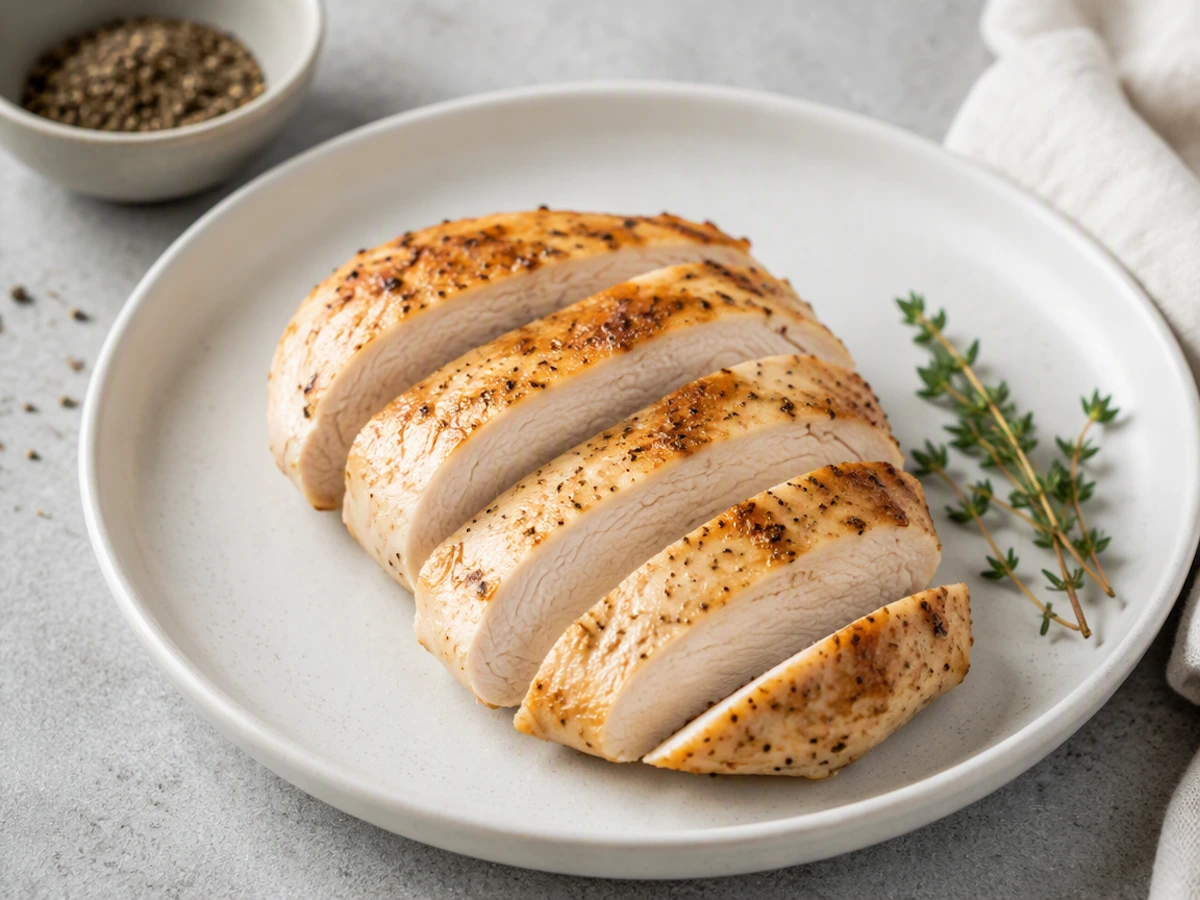
Quick answer: A 100 g serving of cooked, skinless chicken breast has about 31 g of protein, 165 calories and 3.6 g of fat. That is about 8.8 g per ounce, or roughly 53 g in an average 6 oz breast. Chicken thigh has less, around 26 g per 100 g.
How Much Protein Is in Chicken Breast? The number shifts slightly depending on whether you are measuring raw or cooked, by the ounce, gram or per breast, which is exactly why so many people search for a straight answer instead of a nutrition label buried in fine print.
Chicken breast earns its reputation as a diet staple for a reason, a single 3.5 ounce portion delivers more protein per calorie than almost any other widely available meat, while staying under 165 calories. Whether you are tracking macros for muscle gain, weight loss or just want to know what is actually on your plate, the numbers below break it down by every measurement people ask about, grams, ounces, cups, whole breasts and even how it stacks up against chicken thigh.
If you are looking for a reliable way to cook it, this chicken breast recipe locks in moisture without drying out the meat, so you get the full protein benefit without sacrificing flavor.
How Much Protein Is in Chicken Breast?
A cooked, skinless chicken breast contains about 31 grams of protein per 100 grams or roughly 53 grams of protein for an average 6 ounce breast. That makes it one of the leanest, highest yield protein sources in any kitchen, a single breast can cover nearly half the daily protein target for most adults. If you want a flavorful way to put that protein to use, this teriyaki chicken recipe keeps the breast juicy while adding almost no extra fat.

Protein in Raw vs Cooked Chicken Breast
Raw chicken breast contains slightly less protein by weight than cooked chicken breast, not because cooking adds protein, but because cooking removes water and shrinks the meat, concentrating the protein per gram.
A 100g raw chicken breast has about 23 grams of protein, while that same piece, once cooked, weighs closer to 75g but now measures around 23 24 grams of protein for that smaller cooked portion, which is why cooked chicken is often listed at a higher gram for gram protein number (around 31g per 100g cooked) than raw. In practical terms, always check whether a nutrition label is measuring raw or cooked weight, since the difference can shift the number by 20 30% and throw off macro tracking.
Why Protein Content Varies by Chicken Breast
Protein content isn’t identical across every chicken breast and the variation comes down to a few concrete factors, the size and weight of the individual breast, whether the skin is left on or removed and the cooking method used.
A smaller breast naturally delivers less total protein than a larger one even though the protein per gram ratio stays roughly the same, while skin on chicken adds fat and calories without meaningfully changing the protein count. Cooking method matters too, grilling or baking preserves protein content well, while methods that involve heavy breading or frying dilute the protein to calorie ratio by adding non protein bulk.
Chicken Breast Protein Per 100g, Ounce and Gram
Cooked chicken breast delivers about 31 grams of protein per 100g, 8.8 grams per ounce and roughly 0.31 grams per single gram of meat. These three measurements cover almost every way people track protein, metric, imperial or precise gram by gram, so whichever unit your food scale or app uses, the numbers below convert cleanly.

Protein in 100g of Chicken Breast
A cooked, skinless chicken breast weighing 100 grams provides about 31 grams of protein, alongside about 165 calories and just 3.6 grams of fat. This 100g benchmark is the standard reference point used on most nutrition labels and diet tracking apps, which makes it the easiest number to memorize, for each 100 grams of chicken breast you eat, you are getting close to a third of that weight back in pure protein.
Protein Per Ounce of Chicken Breast
One ounce (28g) of cooked chicken breast provides roughly 8.8 grams of protein. Since a typical chicken breast weighs between 6 and 8 ounces once cooked, that single piece alone can supply 53 70 grams of protein, more than enough to cover a full meal protein needs in one serving.
Protein Per Gram of Chicken Breast
Per single gram, cooked chicken breast contains about 0.31 grams of protein, meaning nearly a third of its weight is protein once water loss from cooking is accounted for. This gram level ratio stays consistent whether you are portioning out 50g for a small meal or 300g for meal prep, which makes chicken breast one of the most predictable proteins to build a macro plan around.
Protein in One Whole Chicken Breast
One whole cooked chicken breast contains between 35 and 70 grams of protein, depending on its size. Since chicken breasts vary widely in weight, the total protein per piece shifts more than most people expect, which is why portion size matters as much as the cooking method itself. This creamy baked chicken recipe uses a standard 6 ounce breast, landing right in the middle of that protein range while keeping the dish rich without excess fat.

Average Chicken Breast (Small, Medium, Large)
A small chicken breast (around 4 ounces cooked) delivers about 35 grams of protein, a medium breast (6 ounces) provides roughly 53 grams and a large breast (8 ounces or more) can supply 70 grams or higher. Grocery store chicken breasts often run larger than the “standard” 4 ounce serving size listed on nutrition labels, so a single breast from a typical package frequently covers 1.5 to 2 servings worth of protein.
Half a Chicken Breast Protein Count
Half of an average chicken breast (about 3 ounces cooked) contains close to 26 to 27 grams of protein. Splitting a breast in half is a common portioning strategy for lighter meals or for pairing chicken with another protein source and it still delivers more than half the daily protein most adults need from a single food.
Skinless vs Skin On Chicken Breast Protein
Skinless and skin on chicken breast contain nearly identical amounts of protein, since the skin itself contributes very little protein but adds significant fat and calories. A 100g skinless breast has about 31 grams of protein and 165 calories, while the same cut with skin on carries a similar protein count but climbs to around 195-200 calories due to the added fat, meaning removing the skin cuts calories without meaningfully reducing the protein you’re getting.
Chicken Breast Protein Per Serving, Cup and Piece
A standard serving of chicken breast, whether measured by cup, ounce or piece, delivers between 26 and 38 grams of protein depending on the exact portion size. Since recipes rarely specify weight the way nutrition labels do, knowing how protein translates across cups, standard servings and single pieces makes it much easier to estimate intake without pulling out a food scale, this creamy honey chicken recipe, for example, uses a standard piece per serving that lines up neatly with these numbers.

Protein in One Cup of Chicken
One cup of diced, cooked chicken breast (about 140g) contains roughly 43 grams of protein. This measurement is especially useful for recipes that call for chicken by volume rather than weight, such as soups, salads or casseroles, where a single cup typically represents close to a full day’s worth of protein variety in one dish component.
Protein Per Serving Size (3–4 oz)
The standard nutritional serving size of 3 to 4 ounces of cooked chicken breast provides 26 to 35 grams of protein. This range is the benchmark most dietitians and nutrition labels use and it roughly matches the size of an average deck of cards, a useful visual reference when eyeballing portions without a scale.
Protein in a Single Piece of Chicken
A single piece of cooked chicken breast, sized anywhere from a small tender to a full sized fillet, typically contains 20 to 55 grams of protein depending on its weight. Because “one piece” isn’t a fixed measurement, checking the actual weight or ounce equivalent gives a far more accurate protein count than relying on piece count alone.
How Much Protein Is in Multiple Chicken Breasts?
Multiple chicken breasts scale protein almost exactly in line with their count and weight, two average breasts provide around 106 grams of protein, four provide around 212 grams and a full pound of chicken breast delivers roughly 120-125 grams. These numbers matter most for meal preppers and anyone batch cooking chicken for the week, since knowing the total protein per batch makes portioning out daily meals far more precise.

Protein in 2 Chicken Breasts
Two average sized cooked chicken breasts (about 6 ounces each) contain roughly 106 grams of protein combined. That is already more than the daily protein recommendation for most sedentary adults from just two pieces of chicken, which is why splitting two breasts across 2-3 meals is a common strategy for distributing protein consumption over the course of the day instead of front loading it in one sitting.
Protein in 4 Chicken Breasts
Four cooked chicken breasts of average size provide approximately 212 grams of protein total. This quantity is typical for a week’s worth of meal prepped lunches and dividing it into four separate containers means each meal carries around 53 grams of protein, a solid anchor for anyone building meals around a consistent protein target.
Protein Per Pound of Chicken Breast
One pound (16 ounces) of cooked chicken breast contains approximately 120-141 grams of protein, since 100g of cooked breast holds about 31g of protein and a pound scales that up proportionally. Buying and cooking chicken by the pound is one of the most cost effective ways to hit high protein targets, especially for anyone tracking macros for strength training or weight management.
Chicken Thigh vs Chicken Breast, Which Has More Protein?
Chicken breast contains more protein per gram than chicken thigh, but the difference is smaller than most people assume, cooked chicken breast has about 31g of protein per 100g, while chicken thigh has around 26g per 100g. The bigger distinction is not protein volume but efficiency, breast delivers more protein per calorie, while thigh trades a slightly lower protein count for more fat and flavor.

Protein in One Chicken Thigh
A single cooked, boneless chicken thigh (about 3.5 ounces) contains roughly 21-24 grams of protein. Thighs run smaller than most chicken breasts by default, so while the protein per gram ratio is only modestly lower than breast, the total protein per piece often ends up noticeably less simply due to size.
Chicken Thigh Protein Per 100g
100 grams of cooked, skinless chicken thigh provides approximately 26 grams of protein, compared to 31 grams in the same weight of chicken breast. That is roughly a 15 20% gap, which is meaningful for strict macro tracking but rarely significant enough to matter for general healthy eating.
Breast vs Thigh, Protein to Calorie Ratio
Chicken breast has a notably better protein to calorie ratio than thigh, delivering about 31g of protein for 165 calories versus thigh’s 26g of protein for around 209 calories per 100g. In practical terms, breast gives roughly 0.19g of protein per calorie compared to thigh 0.12g, which is why breast remains the default choice for calorie conscious, high protein diets, even though thigh holds its own as a still solid protein source with more natural fat and flavor.
Protein in a Whole Chicken
A whole cooked chicken contains roughly 27-29 grams of protein found in every 100 grams of meat and a typical 4-5 pound whole chicken yields around 300-400 grams of protein once cooked and off the bone. That range accounts for the mix of breast, thigh, wing and leg meat, each with slightly different protein density, plus the weight lost during cooking. This juicy roasted chicken recipe is a straightforward way to cook a whole bird evenly, so every cut retains as much of that protein as possible.

Protein Per Pound of Whole Chicken
One pound of cooked whole chicken meat, mixing white and dark meat, provides approximately 90 95 grams of protein. This figure sits between the higher protein density of breast meat alone and the slightly lower density of thigh and leg meat, making it a reliable average for anyone cooking and portioning a whole chicken rather than a single cut.
Total Protein in an Average Whole Chicken
An average whole chicken weighing 4-5 pounds raw yields close to 300-400 grams of total protein once cooked, accounting for bone weight and cooking loss. That is enough protein to cover 6-8 servings at roughly 45-55 grams each, which is why roasting a whole bird remains one of the most efficient ways to prep protein for multiple meals from a single cooking session.
Does Cooking Method Affect Chicken Protein Content?
Cooking method has almost no effect on chicken actual protein content, baking, grilling, boiling and roasting all preserve protein at nearly the same rate, since protein is far more heat stable than vitamins or moisture. What changes between methods is calorie count, fat content and final weight, not the grams of protein themselves.

Baked vs Grilled vs Boiled Chicken Protein
Baked, grilled and boiled chicken breast all land within a narrow range of 29-31 grams of protein per 100g cooked, since none of these methods strip out meaningful protein, they mainly differ in fat retention and flavor.
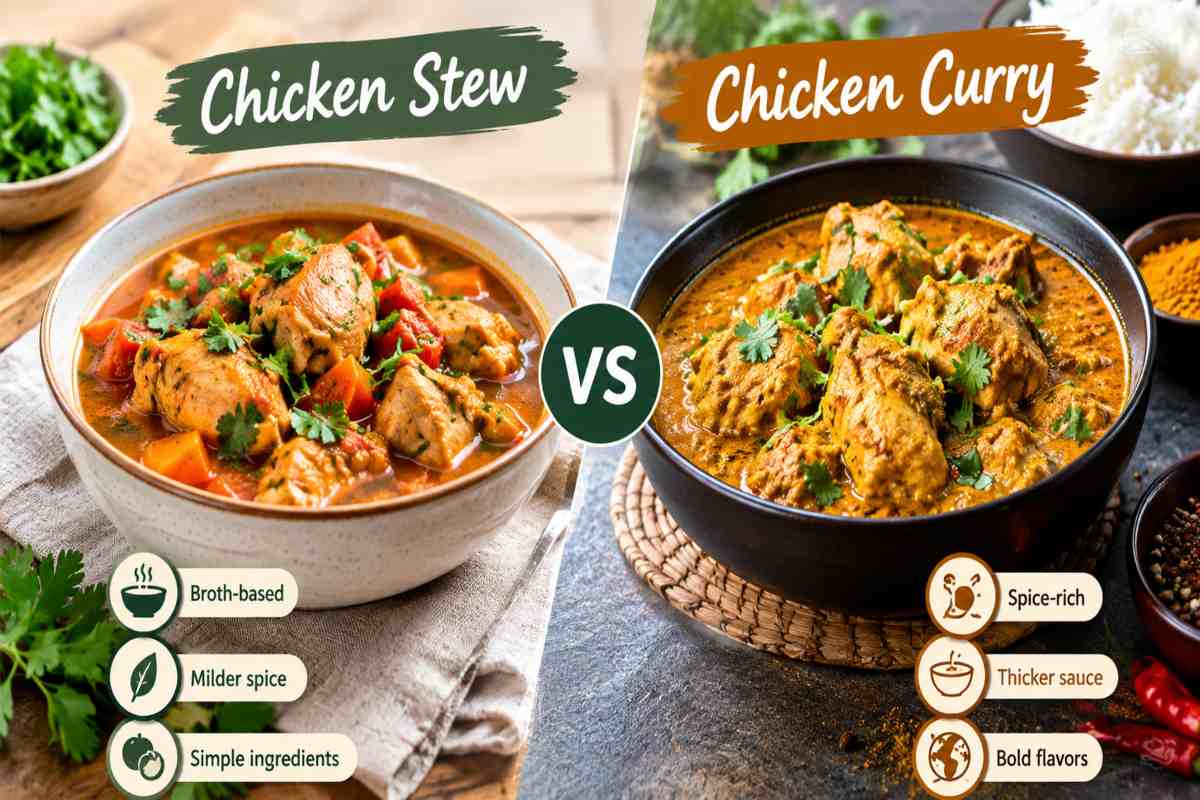
A dry heat method like baking, used in this masala chicken roast, tends to concentrate flavor without diluting protein, while boiling can leach small amounts of protein into the cooking liquid, which is part of why dishes like chicken stew still deliver solid protein per serving, the broth itself carries some of what the meat releases. Grilling, as used in bang bang chicken skewers, sits closest to baking in terms of protein retention while adding a char that baking doesn’t.
Does Cooking Reduce Protein?
Cooking does not meaningfully reduce chicken protein content, in fact, cooked chicken often shows a higher protein per 100g number than raw chicken simply because water loss during cooking concentrates the remaining nutrients, protein included. The only real exception is boiling or stewing for extended periods, where trace amounts of protein can transfer into the surrounding liquid rather than being lost entirely, meaning a dish that includes the broth or sauce still retains nearly all of the original protein.
How Chicken Protein Fits Your Daily Needs
Most adults need 50-90 grams of protein daily depending on body weight and activity level and chicken breast alone can cover that entire target in just 1 to 2 servings. That makes it one of the most efficient foods for meeting daily protein goals without needing to combine multiple protein sources and pairing a serving with a few sides makes it easy to build out full lunch recipes that hit your numbers without extra planning.

How Many Chicken Breasts to Hit Your Daily Protein Goal
An average adult targeting 60-70 grams of protein per day can hit that goal with roughly 1.5 medium chicken breasts (about 9 ounces cooked), since each 6 ounce breast delivers close to 53 grams of protein. For higher targets around 100-120 grams, common among people doing strength training, two medium breasts plus a smaller protein source like eggs or dairy typically closes the gap.
Chicken Protein vs Other Lean Meats
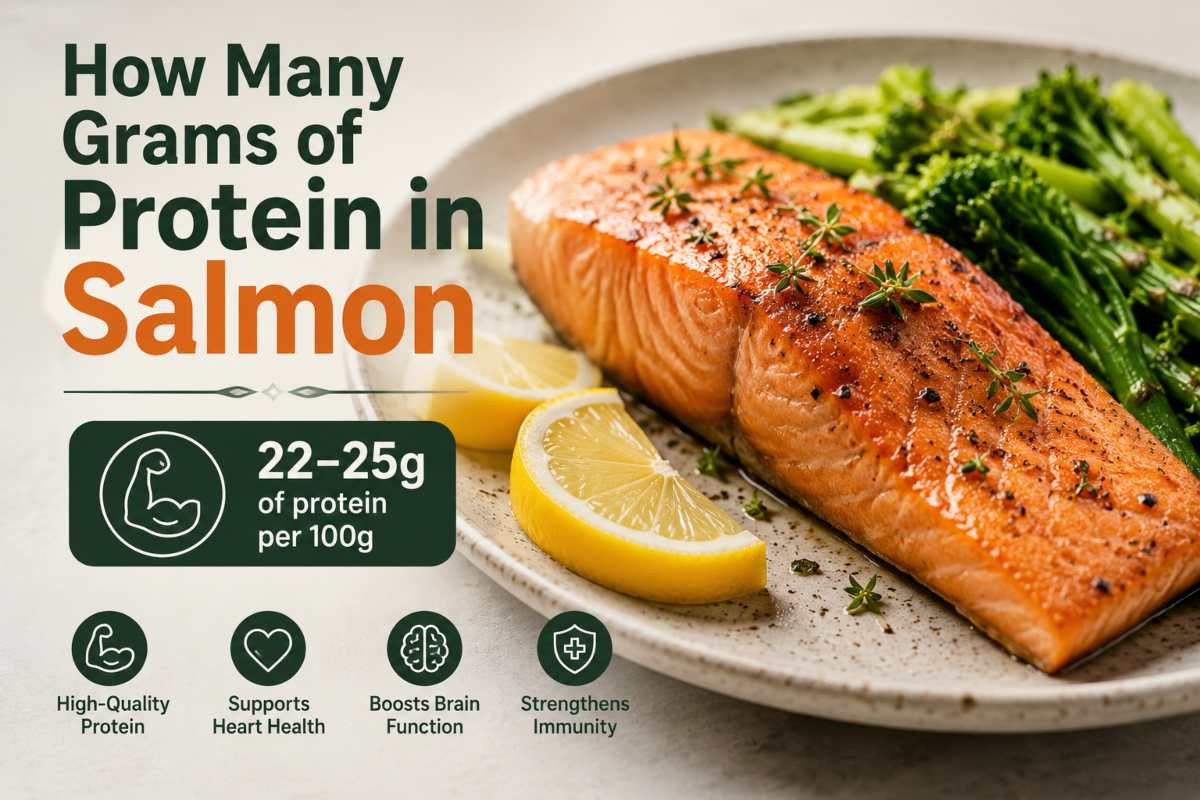
Chicken breast holds its own against other popular lean proteins, delivering about 31g of protein per 100g compared to roughly 22g in salmon, 26g in lean ground beef and 31g in turkey breast, putting it on par with turkey and ahead of most cuts of red meat and fish on a per gram basis.
Its main advantage over alternatives like salmon or beef is cost and calorie efficiency, chicken breast delivers a comparable or higher protein count at a lower calorie and fat cost per serving, which is part of why it remains the default protein choice in high protein meal planning.
Conclusion
Chicken breast delivers roughly 31 grams of protein per 100g cooked, making it one of the most reliable, calorie efficient protein sources available, whether you are measuring by the gram, ounce, cup or whole piece. From single servings to a full roasted bird, the numbers stay consistent enough to build meals around with confidence, no matter which cut or cooking method you choose. With that protein math in hand, turning it into an actual meal is the easy part, these quick dinner ideas for family make it simple to put chicken breast protein numbers to work on a weeknight without extra planning.
Frequently Asked Questions (FAQs)
How much protein is in an average chicken breast?
An average 6 ounce cooked chicken breast contains about 53 grams of protein. Larger breasts (8oz+) can provide up to 70 grams.
Does chicken breast have more protein than thigh?
Yes, chicken breast has slightly more protein per 100g, about 31g compared to thigh 26g. The gap is roughly 15 20%, more relevant for strict tracking than everyday eating.
How much protein is in 100g of cooked chicken?
100g of cooked, skinless chicken breast contains approximately 31 grams of protein. Chicken thigh at the same weight provides closer to 26 grams.
Is chicken breast a complete protein source?
Yes, chicken breast is a complete protein, meaning it carries all nine necessary amino acids the body can not produce on its own. This makes it a strong standalone protein source for any diet.
How much protein is in a whole roasted chicken?
A whole 4 5 pound roasted chicken yields approximately 300 400 grams of total protein once cooked. That covers roughly 6 8 servings at 45-55 grams each.
Disclaimer: This article is for general information only and is not medical or nutrition advice. Nutrient values are estimates and vary by ingredients, oil, coating and portion size. Talk to your doctor or dietitian about your individual needs.