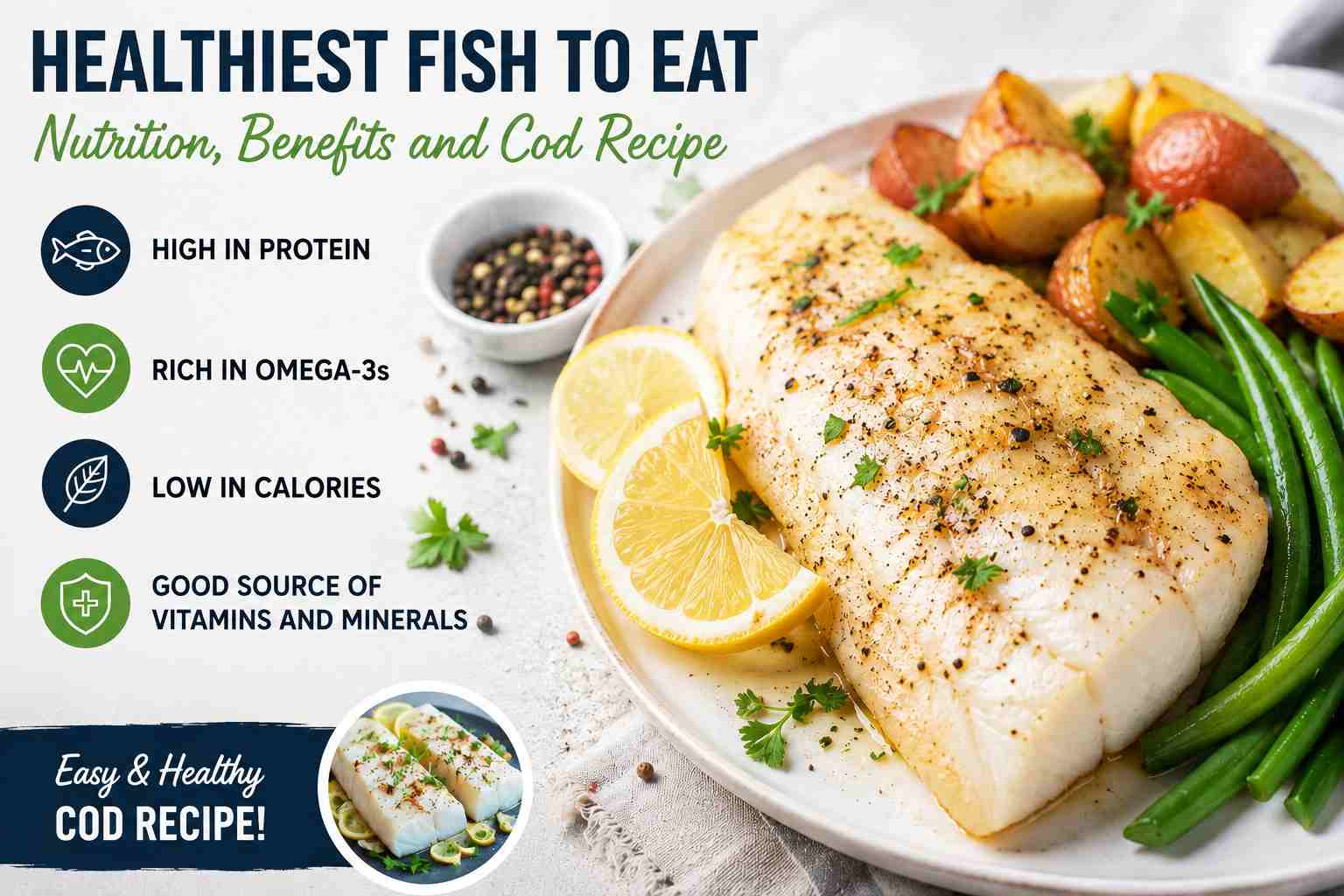
The healthiest fish to eat are cold water, fatty varieties like salmon, sardines and trout, along with lean white fish like cod all prized for their high protein, low saturated fat and rich omega 3 content. A 3 ounce cooked serving of salmon delivers roughly 22 grams of protein and over 1,000 milligrams of omega 3 fatty acids, more than most other animal proteins provide in a single sitting.
What separates a healthy fish from an average one comes down to three things, protein density, fat quality and calorie load. Fatty fish like salmon and sardines are higher in calories but pack in omega 3s that support heart and brain health, while lean white fish like cod, halibut and tilapia offer high protein with very little fat making them a go to for anyone managing weight or cholesterol.
Below, we break down how the most popular fish stack up, answer the most common comparison and nutrition questions and finish with an easy baked cod recipe you can make tonight. If you are planning meals around it, this pairs well with our lunch recipes for quick, protein forward midday options.
What Makes a Fish Healthy?
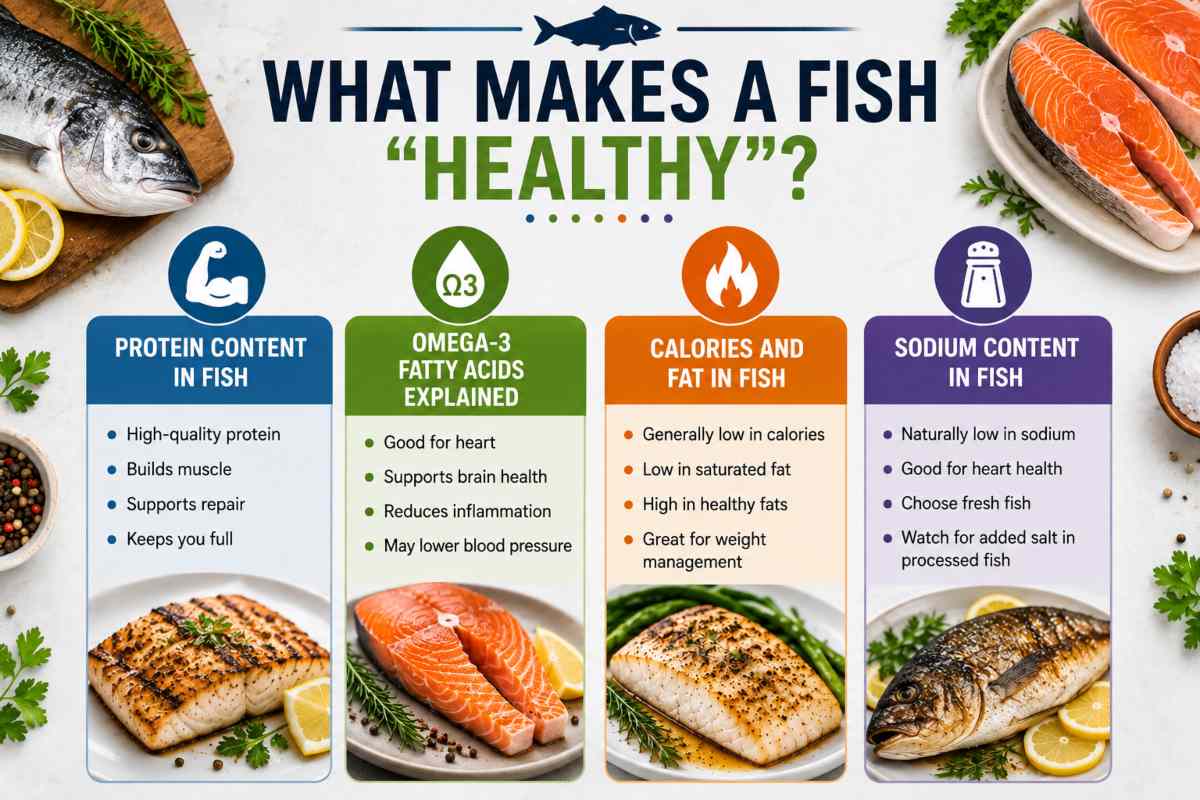
A fish earns a healthy label based on four factors, how much protein it delivers, the quality of its fat, its calorie load and its sodium content. Fish that score well across all four like cod, salmon and tilapia tend to top nutrition rankings, while heavily processed or fried preparations can undo those benefits regardless of the fish itself.
Protein Content in Fish
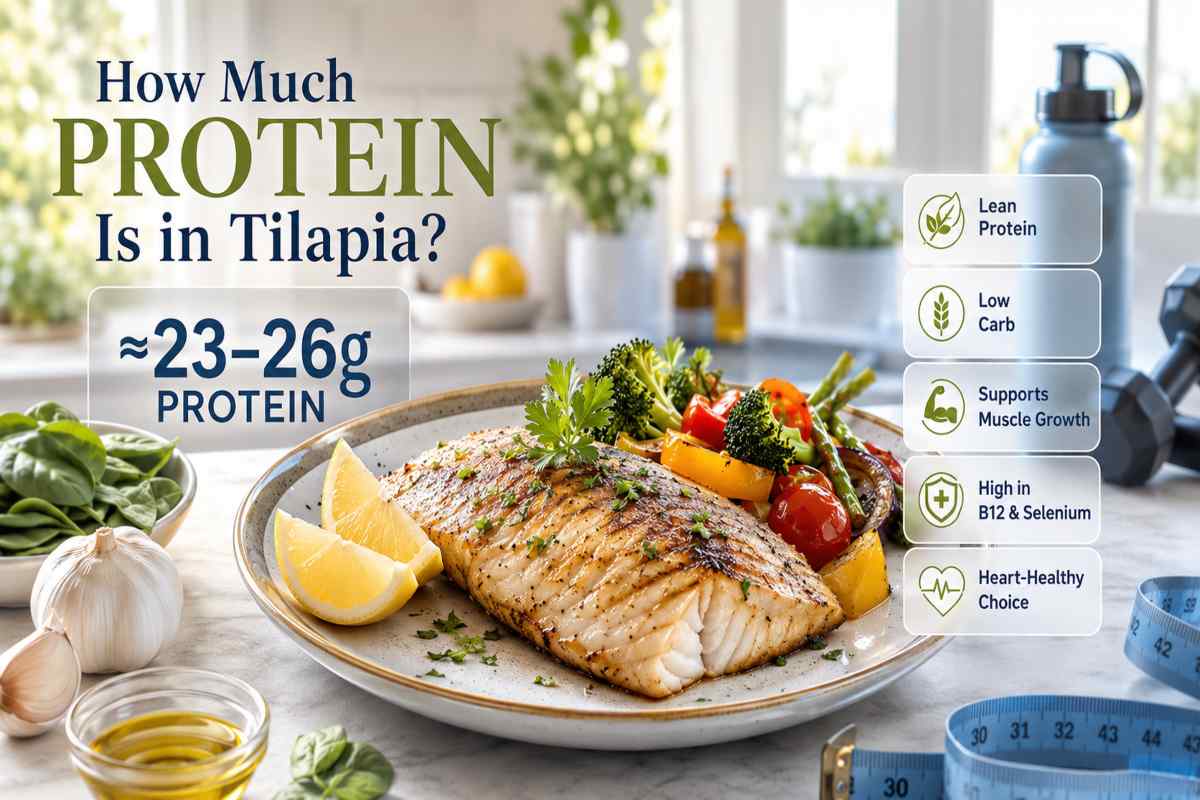
Fish is one of the most protein dense foods available, with most varieties providing 20 to 25 grams of protein per 3 ounce cooked serving while staying relatively low in calories. Lean white fish like tilapia, cod and haddock are especially efficient sources, since nearly all of their calories come from protein rather than fat tilapia alone provides about 23 grams of protein per serving for roughly 110 calories. If you want a full breakdown of exactly how much protein tilapia delivers and how it compares to other fish, see our dedicated guide on protein in tilapia.
Omega 3 Fatty Acids Explained
Omega 3 fatty acids are a type of polyunsaturated fat that the body can’t produce on its own and fish is one of the few food sources that supplies them in meaningful amounts. Fatty fish like sardines, salmon and mackerel are the richest sources, containing over 1,000 milligrams of omega 3s per serving, compared to under 300 milligrams in most lean white fish. These fats are linked to heart and brain health, which is why nutrition guidelines generally favor fatty fish when omega 3 intake is the primary goal.
Calories and Fat in Fish
Calorie and fat content varies widely depending on whether a fish is lean or fatty. Lean fish such as cod, tilapia and halibut typically run 90 to 120 calories per 3 ounce serving with under 2 grams of fat, while fattier fish like salmon or mackerel can range from 150 to 200 calories with 7 to 12 grams of fat most of it the heart healthy unsaturated kind. Neither category is inherently “better”, the right choice depends on whether the goal is minimizing calories or maximizing omega 3 intake.
Sodium Content in Fish
Fresh, unprocessed healthiest fish is naturally low in sodium, usually containing under 100 milligrams per serving, a small fraction of the recommended daily limit of 2,300 milligrams. Sodium levels climb significantly in canned, smoked or pre seasoned fish products, so anyone watching sodium intake should check labels on processed seafood rather than assuming all fish is low sodium by default.
The Healthiest Fish to Eat
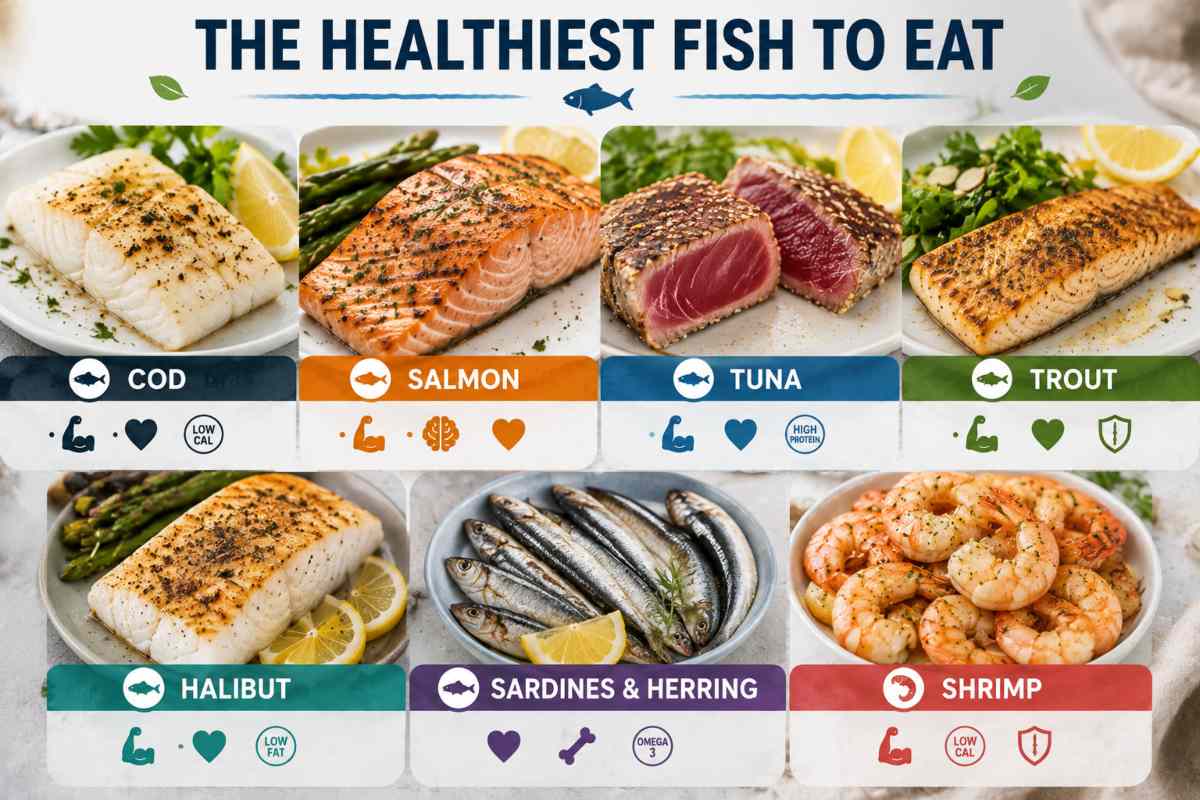
The healthiest fish to eat include cod, salmon, tuna, trout, halibut, sardines and shrimp each excelling in a different category, whether that is lean protein, omega 3 content or low calories. There is no single best fish, the right pick depends on whether the priority is heart health, weight management or simply protein per calorie.
Cod
Cod is one of the leanest, highest protein fish available, delivering about 20 grams of protein per 3 ounce serving for under 90 calories and less than 1 gram of fat. Its mild flavor and low fat content make it a popular choice for anyone prioritizing protein without added calories and it holds up well to quick cooking methods. For an easy way to prepare it, our air fried cod fillet recipe keeps the fish lean while adding crisp texture.
Salmon
Salmon is the standout choice for omega 3 fatty acids, providing over 1,000 milligrams per 3 ounce serving more than most other commonly eaten fish combined. It’s higher in calories and fat than lean white fish, but the majority of that fat is unsaturated, which is why nutrition guidelines consistently rank it among the top choices for heart health. If you’re looking for a flavorful way to enjoy it, this honey glazed salmon recipe is a simple weeknight option.
Tuna
Tuna is prized for combining high protein with a meaningful dose of omega 3s, typically offering around 25 grams of protein and 200 to 300 milligrams of omega 3s per 3 ounce serving. Canned light tuna is lower in mercury than larger species like albacore, making it a practical everyday option, though portion size matters since mercury can accumulate with frequent, large servings.
Trout
Trout, particularly rainbow trout, is a freshwater fish that rivals salmon in omega 3 content while running slightly lower in calories. It provides roughly 20 grams of protein and 800 to 1,000 milligrams of omega 3s per serving, making it one of the more nutritionally balanced options between lean white fish and heavier fatty fish.
Halibut
Halibut is a lean, firm white fish that delivers high protein with moderate fat, offering about 23 grams of protein and under 3 grams of fat per 3 ounce serving. It contains more omega 3s than cod or tilapia but far less than salmon, positioning it as a middle ground choice for people who want some fatty acid benefit without the higher calorie count of fattier fish.
Sardines and Herring
Sardines and herring are small, oily fish that punch above their size nutritionally, packing high omega 3 levels along with calcium from their edible bones. A single serving of sardines can contain over 1,300 milligrams of omega 3s, often surpassing salmon gram for gram, while also being one of the most sustainable and affordable options on this list.
Shrimp
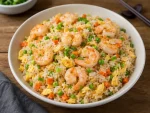
Shrimp is a low calorie, high protein shellfish option, providing about 20 grams of protein for roughly 85 calories per 3 ounce serving with minimal fat. It contains far less omega 3 than fatty fish like salmon or sardines, but its low calorie count and versatility make it a strong pick for anyone focused on lean protein over fatty acid intake.
Fish Comparisons Which Is Healthiest?
There’s no single winner when comparing fish for health cod is leaner, salmon has more omega 3s, tilapia is lower in calories and shrimp is nearly fat free, so the “healthiest” choice depends on which nutrient matters most to you. Below is how the most commonly compared fish stack up side by side.
Cod vs Salmon
Cod and salmon serve different nutritional goals: cod is the leaner choice, with under 90 calories and less than 1 gram of fat per 3 ounce serving, while salmon delivers over 1,000 milligrams of omega 3 fatty acids in that same portion. Choose cod for maximum protein at minimum calories and salmon when heart healthy fats are the priority.
Salmon vs Tilapia
Salmon and tilapia both provide solid protein, but they diverge sharply on fat and omega 3 content tilapia runs about 110 calories with under 3 grams of fat per serving, compared to salmon’s 150 to 200 calories and 7 to 12 grams of fat. Tilapia is the better pick for a low calorie, low fat protein source, while salmon wins decisively on omega 3s. For a simple way to prepare tilapia, see our guide on how to make whole tilapia.
Shrimp vs Salmon
Shrimp and salmon sit at opposite ends of the fat spectrum, shrimp offers about 20 grams of protein for roughly 85 calories and minimal fat, while salmon carries more calories and fat but far more omega 3s. Shrimp is the leaner option for calorie conscious eating, but it does not match salmon fatty acid profile. Try it in these salmon bites or shrimp pineapple skewers to compare both in an actual meal or go the low fat route with this air fried shrimp recipe.
Cod vs Halibut vs Trout
Among these three, cod is the leanest with under 1 gram of fat per serving, halibut sits in the middle with roughly 3 grams of fat and modest omega 3 content and trout offers the most balanced profile nearly matching salmon’s omega 3 levels while staying lower in overall calories. For anyone wanting fatty acid benefits without committing to a higher calorie fish like salmon, trout is typically the strongest middle ground choice.
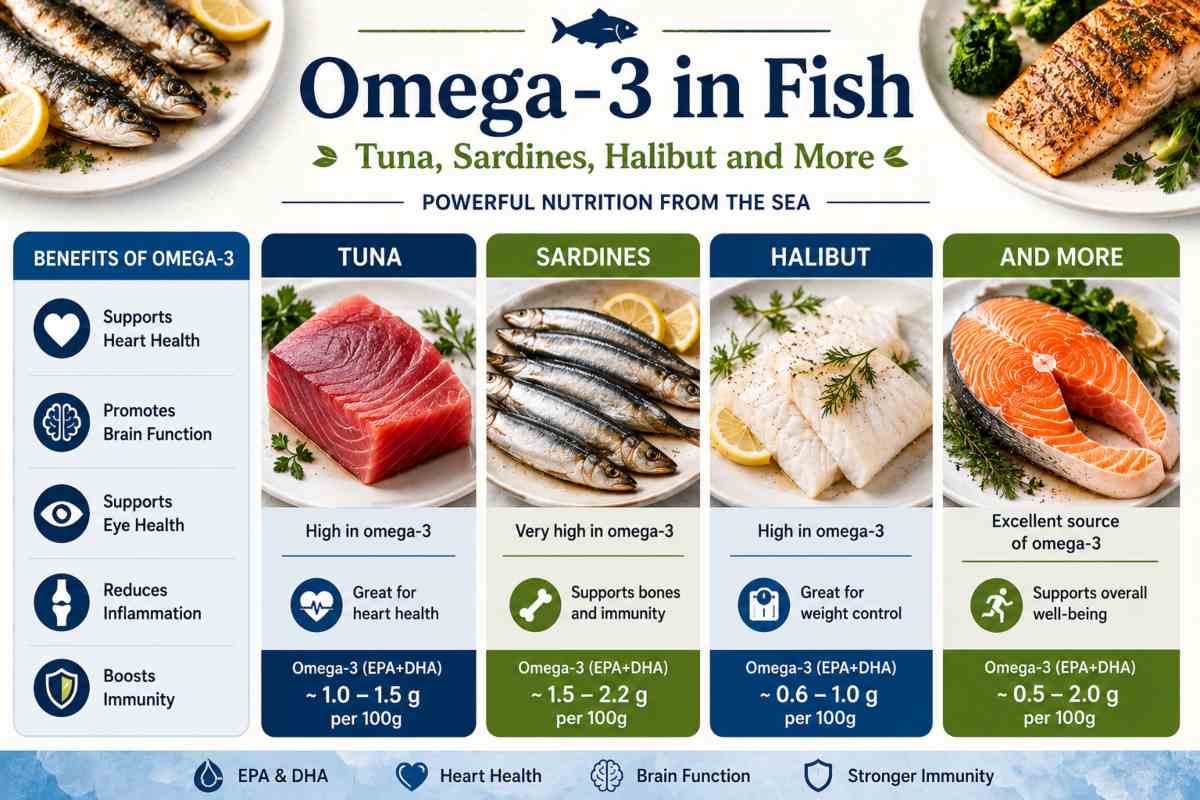
Omega 3 in Fish Tuna, Sardines, Halibut and More
Omega 3 content varies dramatically across fish, ranging from over 1,300 milligrams per serving in sardines to under 100 milligrams in lean white fish like haddock. Fatty, cold water fish consistently deliver the most omega 3s, while lean varieties provide only trace amounts.
How Much Omega 3 Is in Tuna?
Tuna provides a moderate amount of omega 3 fatty acids, with canned light tuna offering around 200 to 300 milligrams per 3 ounce serving. Fresh tuna steaks, particularly bluefin or albacore, contain notably more, sometimes exceeding 500 milligrams per serving though albacore also carries higher mercury levels, so portion frequency matters more than with light tuna.
Omega 3 in Sardines vs Salmon
Sardines often edge out salmon on omega 3 content per serving, with sardines providing over 1,300 milligrams compared to salmon’s roughly 1,000 to 1,800 milligrams, depending on the cut and preparation. Sardines also come at a fraction of the cost and calorie count, making them one of the most efficient omega 3 sources available, even though salmon remains more popular.
Does Trout, Haddock or Halibut Have Omega 3?
Trout is the strongest omega 3 source of the three, delivering 800 to 1,000 milligrams per serving close to salmon’s range. Halibut provides a moderate amount, typically 400 to 600 milligrams, while haddock, a lean white fish, contains under 200 milligrams, making it a poor choice if omega 3 intake is the primary goal despite its solid protein content.
Best Fatty Fish for Omega 3
The best fatty fish for omega 3 intake are salmon, sardines, mackerel and trout, all of which exceed 800 milligrams per 3 ounce serving. Sardines and mackerel offer the most cost effective option gram for gram, while salmon and trout provide a milder flavor for those less accustomed to strong tasting oily fish.
Fish and Weight Loss
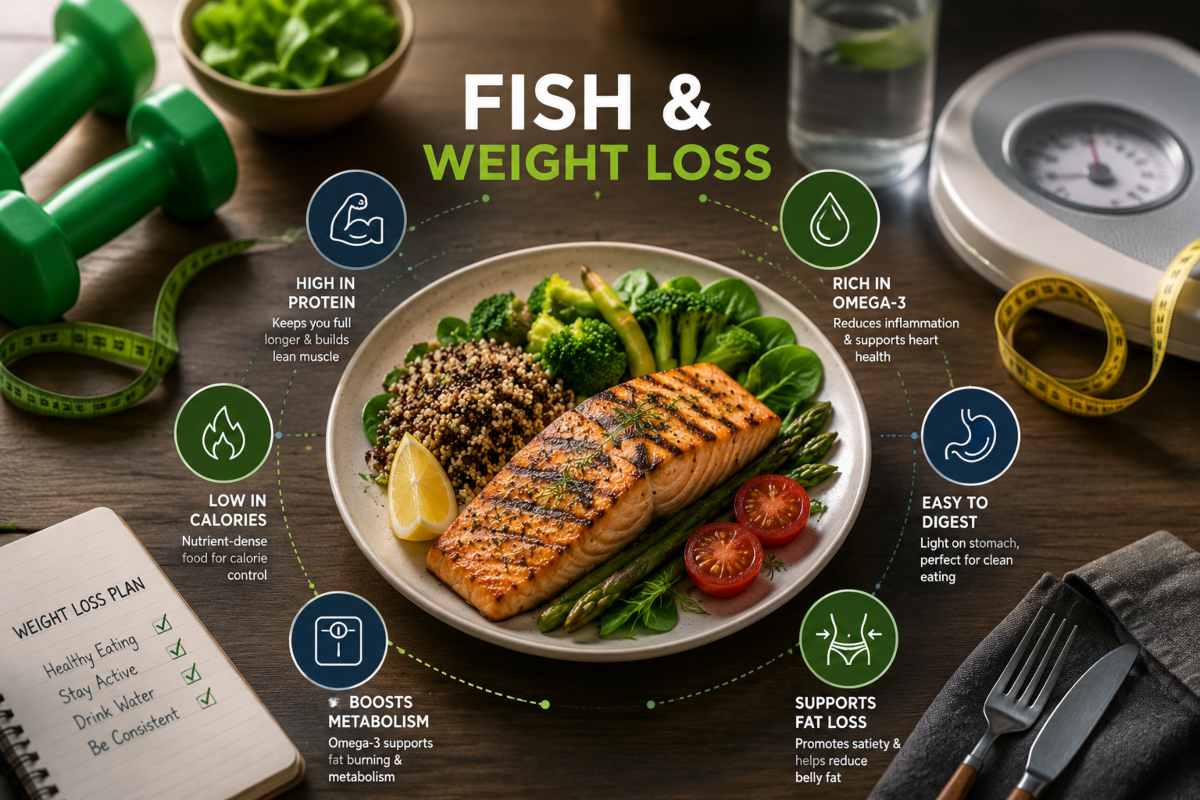
Fish is one of the most effective proteins for weight loss because it delivers high protein and, in leaner varieties, very few calories. A 3 ounce serving of cod or shrimp runs under 90 calories while still providing around 20 grams of protein. That protein to calorie ratio helps with satiety, making fish a practical anchor for calorie controlled meals.
Best Low Calorie Fish to Eat
Cod, tilapia, haddock and shrimp are the best low calorie fish for weight loss, each providing 85 to 110 calories per 3 ounce serving alongside 20 or more grams of protein. These lean options let you hit protein targets without a large calorie trade off, which is why they show up so often in weight loss meal plans compared to fattier fish like salmon or mackerel.
Lean Fish vs Fatty Fish for Weight Loss
Lean fish like cod and tilapia are generally better suited to strict calorie deficits since they offer more protein per calorie, while fatty fish like salmon still support weight loss goals but at a higher calorie cost often 150 to 200 calories per serving. Fatty fish is not a poor weight loss choice, it simply requires more attention to portion size, since its added omega 3 fats also mean more calories per bite.
How Much Fish Should You Eat to Lose Weight?
Most nutrition guidelines recommend two to three servings of fish per week, at roughly 3 to 4 ounces per serving, as part of a calorie controlled diet. Eating fish more frequently than that isn’t necessary for weight loss and can raise mercury exposure with certain species, so variety across lean and fatty fish tends to work better than relying on one type daily. For easy ways to fit fish into regular meals, our quick dinner ideas for family roundup includes several fish based options that fit into a weekly rotation.
Is It Safe to Eat Fish Every Day?
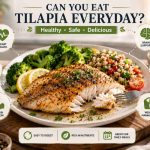
Eating fish every day is generally safe for most people, as long as the choices lean toward low mercury varieties like cod, tilapia, salmon and shrimp rather than high mercury species eaten in large amounts. The bigger consideration isn’t frequency but which fish you are eating daily and in what portion size.
Fish and Brain Health
Fish supports brain health primarily through omega 3 fatty acids, particularly DHA, which makes up a significant portion of the brain structural fat. Regular fish consumption has been linked in research to slower age related cognitive decline, with fatty fish like salmon and sardines providing the most DHA per serving compared to lean white fish.
Mercury and Safety Considerations
Mercury exposure is the main safety concern with daily fish consumption and it varies widely by species large, long lived fish like swordfish and king mackerel accumulate far more mercury than smaller fish like sardines, tilapia or shrimp. The FDA generally classifies salmon, cod, tilapia and light canned tuna as lower mercury best choices that are safe to eat several times a week, while advising more caution with albacore tuna and larger predatory species.
How Often to Eat Fish for Best Results
For most healthy adults, eating fish two to three times per week strikes the right balance between reaping omega 3 and protein benefits and limiting mercury exposure. Daily consumption can still be safe if it is built around low mercury options like cod, tilapia and shrimp, but relying on higher mercury fish like tuna steaks every day is not advisable long term.
Easy Baked Cod Recipe
This baked cod recipe delivers a lean, high-protein dinner in under 25 minutes, using simple pantry ingredients to let the fish mild flavor shine. It’s a straightforward way to put the nutrition benefits covered above into an actual meal.
Ingredients
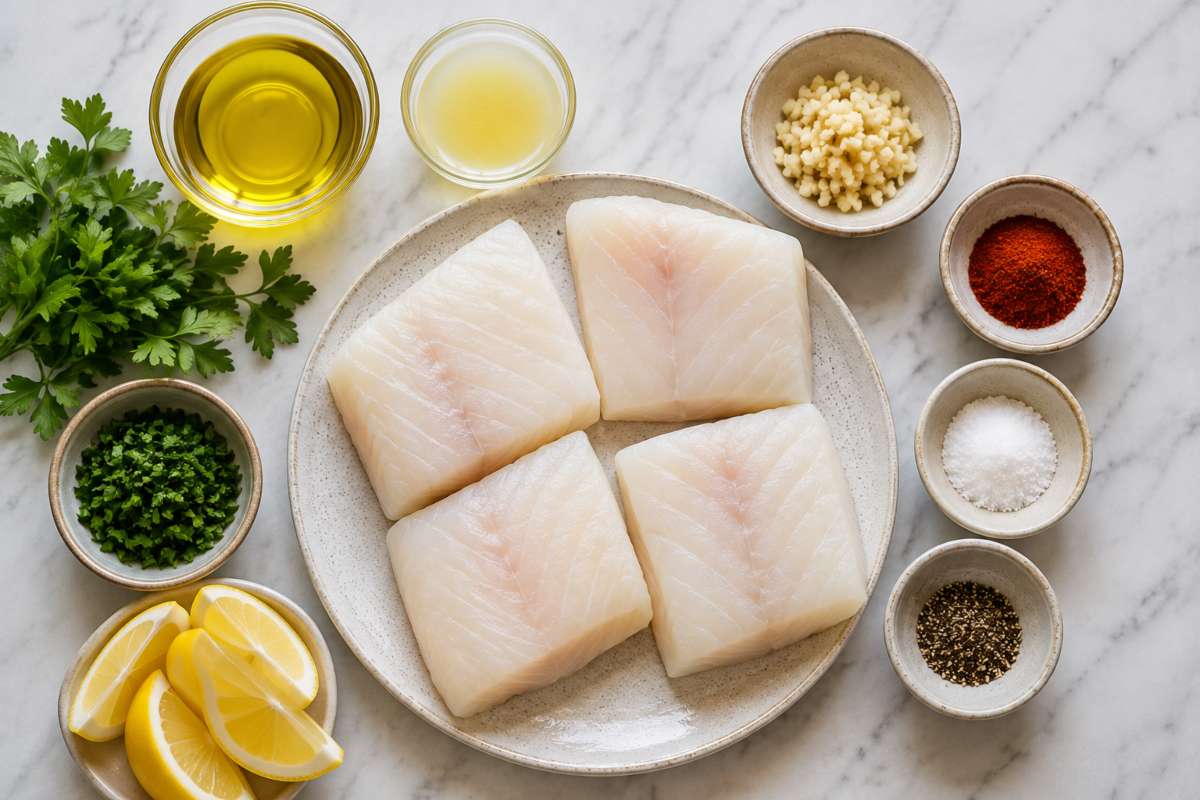
- 4 cod fillets (about 6 oz each)
- 2 tablespoons olive oil
- 1 tablespoon lemon juice
- 2 cloves garlic, minced
- 1 teaspoon paprika
- 1/2 teaspoon salt
- 1/4 teaspoon black pepper
- 1 tablespoon fresh parsley, chopped
- Lemon wedges, for serving
Instructions
Preheat the oven to 400°F and line a baking sheet with parchment paper. Pat the cod fillets dry and set them on the prepared sheet. In a small bowl, whisk the olive oil, lemon juice and minced garlic, then brush the mixture evenly over each fillet. Sprinkle with paprika, salt, and pepper. Bake for 12 to 15 minutes, or until the fish flakes easily with a fork and reaches an internal temperature of 145°F. Garnish with parsley and serve with lemon wedges.
Stovetop and Air Fryer Variations
For a stovetop version, pan sear the seasoned cod in a lightly oiled skillet on medium heat for 4 to 5 minutes per side, unless golden and cooked through. To make it in an air fryer, place the seasoned fillets in the basket at 380°F and cook them for 8-10 minutes, flipping halfway, for a slightly crisper exterior with the same tender interior as the baked version.
Conclusion
The healthiest fish to eat ultimately comes down to your goals, cod and shrimp for lean, low calorie protein, salmon, sardines and trout for maximum omega 3 benefit, and tilapia or haddock when you want a budget friendly middle ground. Rather than chasing one “best” fish, rotating a few of these options through your week two to three servings total gives you the fullest range of protein, healthy fats and nutrients without overloading on any single nutrient or mercury source. For more ideas on working fish and other proteins into your meals, browse the full recipe collection at Devine Dishes.
Frequently Asked Questions (FAQs)
What is the healthiest fish to eat?
There’s no single healthiest fish, cod and shrimp offer the leanest protein, while salmon and sardines provide the most omega 3s. The right choice depends on whether your priority is low calories or heart healthy fat.
Is cod healthier than salmon?
Cod is leaner, with under 90 calories and less than 1 g of fat per serving, while salmon has more calories but over 1,000 milligrams of omega 3s. Neither is “healthier” overall cod wins on lean protein, salmon wins on fatty acids.
Does tuna have omega 3?
Yes, tuna contains a moderate amount of omega 3s, with canned light tuna providing around 200 to 300 milligrams per 3 ounce serving. Fresh tuna steaks typically offer more, though with higher mercury content.
What is the most nutritious fish to eat?
Salmon and sardines are often considered the most nutritionally complete, combining high protein with over 1,000 milligrams of omega 3s per serving. They also provide vitamin D and B12 that leaner fish offer in smaller amounts.
Is halibut a healthy fish?
Yes, halibut is a lean, high protein fish with about 23 grams of protein and under 3 grams of fat per serving. It offers a moderate amount of omega 3s, making it a solid middle ground choice between lean white fish and fattier options like salmon.
Disclaimer: This article is for general information only and is not medical or nutrition advice. Nutrient values are estimates and vary by ingredients, oil, coating and portion size. Talk to your doctor or dietitian about your individual needs.