
The moment you fold fresh orange zest into cream cheese batter, the whole kitchen changes. That citrus smell, sharp, clean, a little floral, mixes with the warmth coming off the oven, making whatever room you are standing in feel like somewhere good things are happening. This fluffy orange cheesecake is not heavy. That is the first thing people notice. Unlike a dense New York style cheesecake that sits in your stomach like a brick, this one has a lightness, a soft, cloud like texture that comes from temperature control and a batter carefully built rather than beaten into submission.
The orange juice cuts through the richness of the cream cheese. The sour cream keeps the crumb tender. The slow bake and slower cool give you that perfect jiggle in the centre that sets firm by the time you slice it. Unlike our other recipes, it is the kind of dessert that makes people ask which bakery you bought it from. The answer is that you made it yourself in about an hour of active time, using ingredients that are already in most kitchens.
Why Temperature Is Everything in This Orange Cheesecake Recipe
Most cheesecakes that crack, sink, or turn rubbery share one problem, the temperature was wrong at some point. Either the cream cheese was still cold when it went into the bowl, the eggs came straight from the fridge, or the finished cake was pulled from the oven and left in cold air before it had a chance to cool down gradually. This fluffy orange cheesecake recipe solves all three.
The cream cheese must be genuinely room temperature, not “I left it out for ten minutes” room temperature, but properly soft, at around 20°C, easy to dent with a finger. This takes at least an hour out of the fridge on a normal day. When cold cream cheese meets the mixer, it breaks into small lumps that never fully smooth out, and those lumps bake into a grainy, dense texture.
The eggs should be at room temperature, too. Cold eggs shock the batter and can cause the emulsion to break, leading to that heavy, wet texture nobody is going for. And the finish, the slow cool in a cracked oven, is not optional. It is the step that separates a cheesecake with a smooth, flat top from one that collapses in the centre as the heat leaves too quickly.
Making the Ultra Moist Orange Cheesecake Recipe
Yields 8–10 servings Prep time 20 minutes Bake time 55 minutes Chill time 4 hours or overnight
Ingredients

For the Crust
-
1 ½ cups crushed vanilla wafers or graham crackers
-
3 tbsp melted butter
-
1 tbsp sugar only if using graham crackers
For the Filling
-
500g cream cheese, softened
-
1/2 cup plus 2 tbsp sugar
-
2 eggs, room temperature
-
½ cup sour cream or plain yogurt
-
¼ cup heavy cream or half-and-half
-
Zest of 2 oranges
-
⅓ cup fresh orange juice
-
1 tbsp cornstarch
Optional Orange Glaze
-
½ cup orange juice
-
2 tbsp sugar
-
1 tsp cornstarch
Step by Step Instructions
-
Prep the Base Preheat your oven to 180°C. Stir together the crushed wafers and melted butter. Press the mixture firmly into a lined springform pan and bake for 8–10 minutes. Let it cool completely while you prep the filling.
-
Create the Batter In a large bowl, beat the softened cream cheese and sugar until the mixture is glossy and smooth. Add the eggs one at a time, mixing just enough to incorporate them, over beating at this stage can cause the cake to puff up and then sink.
-
The Citrus Infusion Fold in the sour cream, heavy cream, orange zest, and fresh orange juice. Finally, sift in the cornstarch and fold gently until no white streaks remain.
-
The Bake Pour the batter over your cooled crust and tap the pan on the counter to release trapped air. Bake at 160°C for 45–55 minutes. You are looking for set edges and a center that still has a slight, gelatin-like jiggle.
-
The Slow Cool Turn off the oven, crack the door open, and leave the cheesecake inside for one hour. This is the crucial step for a perfect texture!
-
Glaze and Chill If using the glaze, whisk the juice, sugar, and cornstarch over medium heat until thickened. Let it cool slightly before pouring it over the cake. Transfer the cheesecake to the fridge for at least 4 hours before slicing.
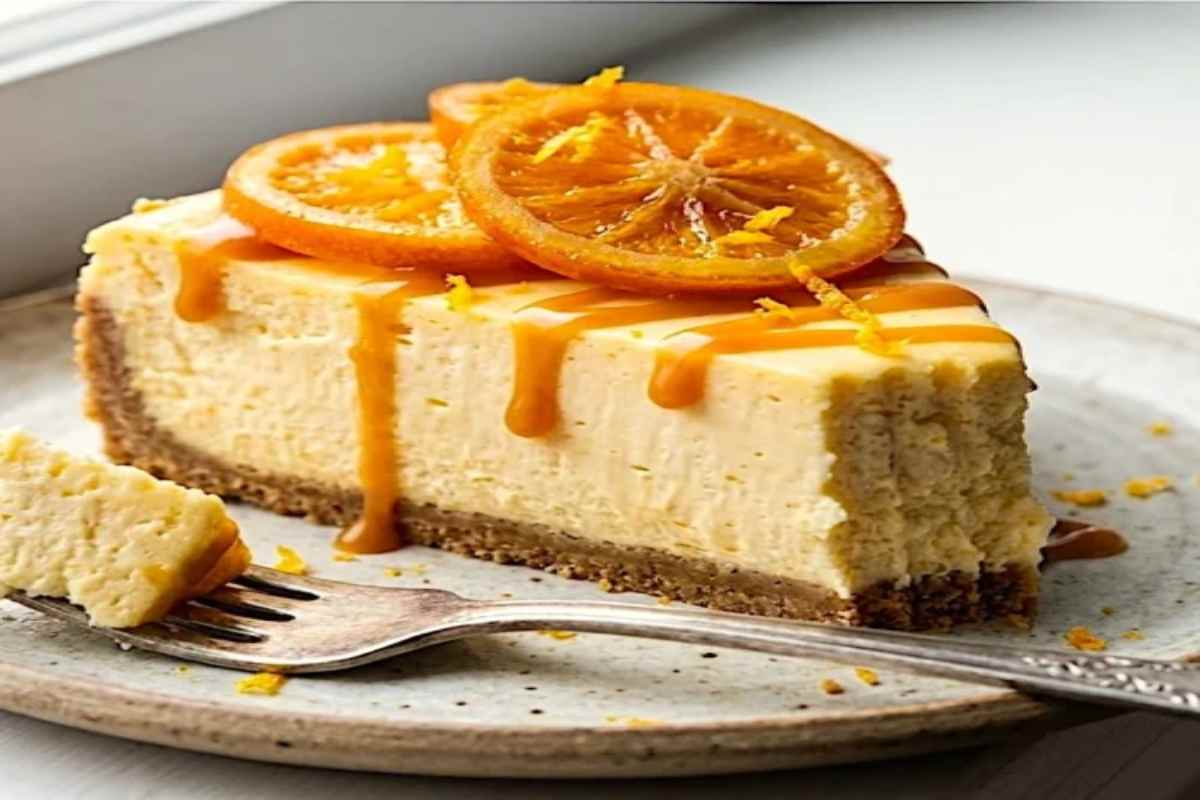
The Best Fluffy Orange Cheesecake: Easy Creamy Citrus Dessert Recipe
Ingredients
For the Crust
- 1/1/2 cups vanilla wafers crushed
- 3 tbsp butter melted
- 1 tbsp sugar (only if using graham crackers)
For the Filling
- 500 g cream cheese softened
- 1/2 cup sugar
- 2 eggs room temperature
- 1/2 cup sour cream or plain yoghurt
- 1/4 cup heavy cream
- 2 oranges zested
- 1/3 cup orange juice for glaze
- 1 tbsp cornstarch
Optional Orange Glaze
- 1/2 cup orange juice
- 2 tbsp sugar
- 1 tsp cornstarch
Instructions
- Prep the Base: Preheat your oven to 180°C. Stir together the crushed wafers and melted butter. Press the mixture firmly into a lined springform pan and bake for 8–10 minutes. Let it cool completely while you prep the filling.
- Create the Batter: In a large bowl, beat the softened cream cheese and sugar until the mixture is glossy and smooth. Add the eggs one at a time, mixing just enough to incorporate them; over-beating at this stage can cause the cake to puff up and then sink.
- The Citrus Infusion: Fold in the sour cream, heavy cream, orange zest, and fresh orange juice. Finally, sift in the cornstarch and fold gently until no white streaks remain.
- The Bake: Pour the batter over your cooled crust and tap the pan on the counter to release trapped air. Bake at 160°C for 45–55 minutes. You are looking for set edges and a center that still has a slight, gelatin-like jiggle.
- The Slow Cool: Turn off the oven, crack the door open, and leave the cheesecake inside for one hour. This is the crucial step for a perfect texture!
- Glaze and Chill: If using the glaze, whisk the juice, sugar, and cornstarch over medium heat until thickened. Let it cool slightly before pouring it over the cake. Transfer the cheesecake to the fridge for at least 4 hours before slicing.
Notes
Nutrition
The No Water Bath Method And Why It Works Here
Water baths are the traditional method for baking cheesecakes without cracks, and for very dense, high cream cheese recipes, they are genuinely useful. The steam prevents the surface from drying and cracking before the centre has set. But this orange cheesecake does not need one, and here is why.
The addition of cornstarch creates a more stable batter structure, less likely to crack as it cools. The sour cream adds moisture, helping prevent the surface from drying out during the bake. And the slow, cool oven off, door cracked, cheesecake left inside for an hour, achieves the same result as steam by preventing a sudden temperature drop.
Water baths also carry real risk for home bakers, as foil wrapped around the springform pan can leak, soaking the crust and ruining the base. Skipping the water bath eliminates that risk while still producing the smooth, crack free surface that makes a cheesecake look worth the effort. If your oven runs hot, placing a small dish of water on the bottom rack during the bake is a simple insurance measure. This adds ambient moisture without the risk of leaks from a full water bath.
How to Get the Most Orange Flavour Into Every Bite
This is where most citrus cheesecakes fall short. They add orange juice but not much else, and the result is a mild, slightly citrusy cake that tastes vaguely of orange rather than unmistakably of it.
Three things make the difference in this recipe:
Fresh zest, not just juice. The zest contains the essential oils from the orange peel, the aromatics that give citrus its distinctive, nose-filling quality. Juice provides acid and sweetness. Zest provides the actual orange character. Use both, always.
Zest the orange before juicing it. Once you squeeze the juice, the peel becomes wet, slippery, and harder to zest cleanly. Do it in the right order, and you get a clean, dry zest with intact oils.
Let the zest sit with the sugar for five minutes before mixing. This is a technique borrowed from baking lemon cake. Rubbing zest into sugar breaks down the peel cells and releases the essential oils directly into the sugar, which then distributes that citrus flavour throughout the entire batter. It sounds like a small thing. The flavour difference is not small.
Vanilla Wafer Crust, Why It Works Better Than Graham Cracker Here
Most cheesecake recipes default to a graham cracker crust, and graham crackers are excellent for classic or chocolate cheesecakes. But for a fluffy orange cheesecake, vanilla wafer crust is the better choice for one specific reason, it does not compete.
Graham crackers have a distinctly honey malt flavour that pairs beautifully with rich, plain filling. Against fresh orange, that same flavour can muddy the citrus character rather than frame it. Vanilla wafers are lighter, more neutral, and slightly sweeter, which lets the orange filling do exactly what it is supposed to do, be the main event.
The ratio that works: crushed vanilla wafers combined with melted butter, pressed firmly into the base of a lined springform pan, baked for 8 to 10 minutes, and cooled completely before the filling goes in. The bake firms the crust so it does not crumble when sliced and does not absorb moisture from the filling as it sets.
If vanilla wafers are unavailable, digestive biscuits (UK) or Maria cookies make excellent alternatives with a similar mild sweetness.
Flavor Variations Other Ways to Make This Recipe Your Own
The base recipe of fluffy orange cheesecake is complete on its own. But once you are comfortable with it, here are variations worth exploring:
Blood fluffy orange cheesecake
Use blood orange juice and zest instead of standard navel orange juice. Blood oranges have a deeper, slightly berry like flavour and a dramatic, deep pink colour that turns the filling and glaze a beautiful natural rose. If you are making this for a dinner party or celebration, the blood orange is the variation that draws the most attention on a table.
Orange and cardamom
Add 1/2 teaspoon ground cardamom and the orange zest to the batter. Cardamom and orange are a combination used throughout Middle Eastern and Scandinavian baking, and they give the cheesecake a warmth and spice that make it feel more complex without changing the recipe structure.
Chocolate fluffy orange cheesecake
Press an Oreo crust instead of a vanilla wafer, and fold 50g of melted dark chocolate into half the batter before layering it into the pan. The result is a marbled chocolate orange filling that looks impressive and tastes like a Terry Chocolate Orange in cheesecake form.
No bake fluffy orange cheesecake
Use the same flavour profile but switch to a no bake method, whip the cream to stiff peaks, fold into softened cream cheese beaten with sugar, add the orange zest and juice, pour over an unbaked vanilla wafer crust, and refrigerate for at least 6 hours. The texture is lighter and mousse like rather than dense and sliceable. Good for very hot days when you do not want to turn on the oven.
Decoration and Presentation Ideas for 2026
A beautifully decorated cheesecake takes the same recipe and makes it feel worth twice as much. Here is what works with orange:
Glazed orange slices
The citrus glaze in the original recipe can be poured over the chilled cheesecake and allowed to set for an hour before slicing. Add thin half-moon orange slices across the top before the glaze sets, so they become embedded in the gloss. Clean, elegant, it immediately tells the person looking at it what the flavour is.
Candied orange peel
Simmer thin strips of orange peel in equal parts water and sugar for 15 minutes, remove, and let dry on a rack. These glossy, jewel like strips scattered across the top of the fluffy orange cheesecake add texture and visual contrast. They keep for a week in the fridge.
Whipped cream rosettes and zest
Simple and reliable. Whipped cream piped around the edge of the chilled cheesecake, a heavy scattering of fresh orange zest across the top, and a few mint leaves if you want the green contrast. Looks like it took much more effort than it did.
Edible flowers
Nasturtiums or marigold petals scattered across the glazed top of a fluffy orange cheesecake create a stunning visual at almost no cost. Both have a slightly peppery flavour that complements the citrus’s sweetness. This is one of the most popular cheesecake presentation trends on food platforms heading into 2026.
Make Ahead Guide How to Store and Serve This Fluffy Orange Cheesecake
A fluffy orange cheesecake is one of the best make ahead desserts, making it ideal for entertaining. Here is the full storage breakdown:
Refrigerator storage up to 5 days
Once the cheesecake has chilled and set completely, at least 4 hours, overnight is better, cover loosely with cling film or keep in the springform pan with a plate over the top. Do not wrap tightly while still warm, condensation will collect on the surface and affect the texture. Stored correctly in the fridge, it actually improves on day two as the flavours deepen.
Freezer storage up to 2 months
Freeze the fluffy orange cheesecake unglazed. Once fully chilled and set, remove from the springform pan, wrap in a layer of cling film, then a layer of foil, and freeze flat. To serve, thaw overnight in the refrigerator, never at room temperature, which can cause condensation and a watery surface. Add the glaze after thawing, not before freezing.
Slicing tip
Run a sharp knife under very hot water, dry it completely, then slice. Repeat the hot water between every cut. This is the technique that produces clean, bakery style slices without the filling dragging or smearing. A cold, dry knife produces a mess. A warm, dry knife produces a perfect slice.
How far in advance can you make it?
The cheesecake itself (without glaze) can be baked 2 days before serving, refrigerated, and glazed on the day of serving. This is the best approach for any gathering, all the work done in advance, fresh presentation on the day.
If you enjoy making impressive desserts ahead of time, the moist lemon cake recipe on Divine Dishes follows the same make ahead logic, bake it the day before, and the flavour deepens overnight.
What Went Wrong and How to Fix It
The top cracked. Almost always caused by one of three things: over-beaten batter (too much air incorporated, which causes puffing then collapse), a sudden temperature drop when the oven is opened mid bake, or baking at too high a temperature. For next time, beat just until smooth, do not open the oven during baking, and check your oven temperature with a thermometer. Home ovens frequently run 10 to 20 degrees hotter than the dial suggests. If the crack happens, cover it with the glaze or whipped cream, and nobody will know.
The centre is still liquid after the stated bake time. Check the temperature of your oven. If it is running cool, the cheesecake requires more time, add 10 minutes and check again. The centre should have a specific wobble: when you shake the pan gently, the borders should be set, and only the centre 5cm should move. If the entire surface moves like a liquid, it takes more time.
The texture is grainy or lumpy. Cold cream cheese. This is by far the most common cause of a poor-textured cheesecake. No matter how long you beat it, cold cream cheese will not become fully smooth. Always allow at least one hour out of the fridge before you start, and use full-fat block cream cheese rather than spreadable varieties.
The crust went soggy. Either the crust was not baked long enough before the filling went in, or the filling was poured over a warm crust. Bake the crust for the full 8 to 10 minutes and let it cool completely, at least 30 minutes, before adding the batter.
The glaze did not set properly. The cornstarch needs to reach a full boil while stirring to activate its thickening power. If it were only brought to a simmer, it would remain thin. Return it to the heat, stir continuously, and bring it to a full bubbling boil for 30 seconds. It will thicken further as it cools.
What to Serve With This Fluffy Orange Cheesecake
The fluffy orange cheesecake stands completely on its own, but if you are building a dessert spread or want to offer something alongside it, here is what actually works:
Fresh berries Raspberries and strawberries are the most natural companions to oranges. The berry tartness echoes the cheesecake’s citrus notes without competing with them. A simple bowl of berries on the side costs almost nothing and visually elevates the whole plate.
Whipped cream Unsweetened or lightly sweetened, never from a can. Proper whipped cream made from cold heavy cream takes three minutes and tastes completely different from anything tinned.
Mint tea or Earl Grey The bergamot in Earl Grey and the citrus in the cheesecake share the same family of aromatic compounds. This is one of those pairings that sounds fussy but tastes genuinely complementary.
Vanilla ice cream served alongside a warm slice (heated briefly in the microwave for 20 seconds), and orange cheesecake create a hot-cold contrast that works particularly well in winter, when the orange flavour feels festive rather than summery.
Try out our other cake recipes:
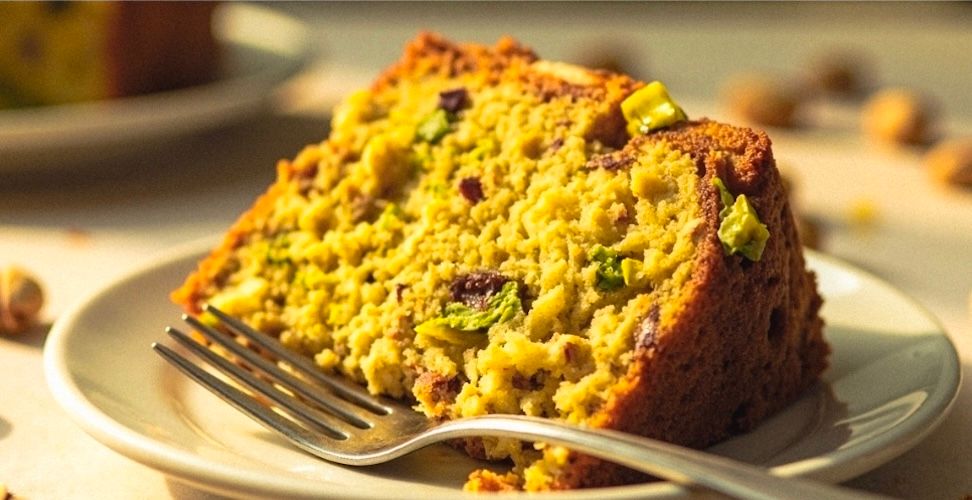
- Pistachio Cake
- The Best Fluffy Lemon Cake
- The Ultimate Pound Cake Recipe
- The Best Orange Cake
- The Best Moist Chocolate Cake Recipe










1 Comment. Leave new
Best recipe ever!