
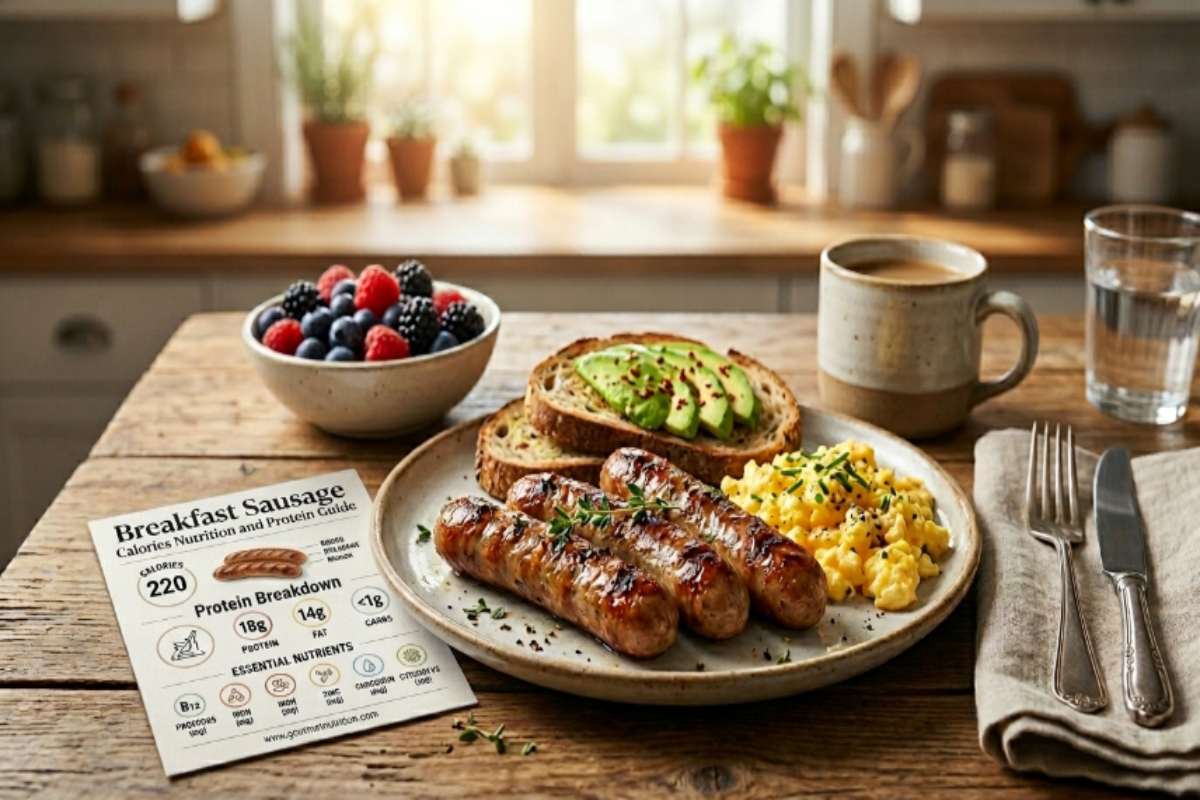
A standard breakfast sausage contains between 80 and 100 calories per piece, with most pork varieties landing around 90 calories and leaner options like turkey or chicken coming in closer to 60 to 70. If you are eating two, the more common serving size, breakfast sausage calories add up to roughly 160 to 200 before anything else hits the plate.
Knowing the number is useful, but it only tells part of the story. Breakfast sausage varies significantly depending on the type, brand and cooking method. A maple breakfast sausage link carries more sugar than a plain pork variety. A round breakfast sausage has more surface area and typically more fat than a slim link.
One cooked straight from frozen in the oven will render differently from one pan fried from fresh. This guide covers all of it, full breakfast sausage nutrition facts, protein content, how to read a nutrition label, cooking methods and the best meals to make with breakfast sausage, including a complete one pan sausage and egg hash that delivers close to 500 calories and 23 grams of protein in a single skillet.
How Many Calories Are in Breakfast Sausage?
A single breakfast sausage contains between 80 and 100 calories on average, depending on the meat type, size and brand. Most standard pork varieties sit right around 90 calories per piece, while turkey and chicken options run noticeably leaner at 60 to 70 calories each.

Calories in One Breakfast Sausage vs Two
One breakfast sausage rarely constitutes a full serving for most people. The realistic portion is two pieces, which brings the calorie count to somewhere between 160 and 200 calories for pork and 120 to 140 calories for leaner poultry varieties. That range shifts further depending on whether the sausage is a slim breakfast round, a thicker patty, or a mini cocktail style piece. Size is just as important as meat type when tracking calories. If you want to see exactly how breakfast sausage fits into a complete high protein morning meal, this one pan sausage and egg breakfast puts it all together in under thirty minutes.
Calories by Sausage Type Pork, Turkey, Chicken and Maple
Pork breakfast sausage is the most calorie dense of the common varieties, averaging 85 to 100 calories per piece due to its naturally higher fat content. Turkey breakfast sausage typically comes in at 60 to 75 calories per piece and carries significantly less saturated fat, making it a popular swap for people managing their intake without giving up the flavour. Chicken breakfast sausage falls in a similar range to turkey, usually between 65 and 80 calories, depending on how it is seasoned and whether any fillers are added. Maple breakfast sausage deserves a separate mention because the added sugar pushes the calorie count slightly higher than plain pork, typically 5 to 15 extra calories per piece and the nutrition label will show added sugars that a standard pork variety would not. It is a small difference in isolation, but worth noting if you are eating multiple pieces.
How Cooking Method Changes the Calorie Count
The sausage itself does not change, but how you cook it does affect the final calorie count in meaningful ways. Pan frying in oil adds calories that are absorbed during cooking, particularly if the sausage is a leaner variety that releases less of its own fat.
Oven cooking breakfast sausage on a rack allows the rendered fat to drip away, which can reduce the total fat content slightly compared to pan frying in its own grease. Cooking from frozen does not significantly alter the calorie count. Still, it does affect texture, frozen breakfast sausage cooked directly in the oven takes longer to render properly. It may retain more moisture, which changes the eating experience without meaningfully affecting the nutrition facts. Air frying produces results closest to oven cooking on a rack and is generally the method that results in the least added fat from the cooking process itself.
Breakfast Sausage Nutrition Facts
Breakfast sausage is a moderate calorie, high fat protein source that delivers meaningful protein per serving while contributing a notable amount of saturated fat. Understanding the full nutrition profile helps you fit it into your diet intentionally rather than guessing.

Full Macronutrient Breakdown Calories, Fat, Protein, Carbs
A standard two piece serving of pork breakfast sausage contains approximately 170 to 200 calories, 14 to 17 grams of fat, 10 to 13 grams of protein and 1 to 2 grams of carbohydrates. The fat content accounts for the majority of the calories, which is typical for any pork based product. Turkey and chicken varieties shift that balance meaningfully, fat drops to roughly 6 to 9 grams per serving while protein holds relatively steady at 9 to 12 grams, making the calorie to protein ratio considerably more efficient.
Maple breakfast sausage adds a small amount of sugar to the carbohydrate column, usually 2 to 4 grams per serving, which is worth watching if you are keeping carbs low. Sodium is the other number that warrants attention, most breakfast sausages contain between 300 and 500 milligrams of sodium per two piece serving, which is significant if you are eating it alongside other processed or salted foods in the same meal.
Breakfast Sausage Nutrition Label What to Look For
The nutrition label on breakfast sausage packaging tells you more than just calories. The serving size line is the first place to look, because manufacturers frequently list one piece as the serving when most people eat two or three. Always multiply the listed values by however many pieces you are actually eating before drawing any conclusions. After serving size, check the saturated fat figure, pork breakfast sausage can contribute 5 to 7 grams of saturated fat per two piece serving, which represents a substantial portion of the daily recommended limit.
The ingredients list reveals whether the product contains fillers like breadcrumbs or modified starch, which is particularly relevant if you are looking for a gluten free breakfast sausage. A clean label should list meat, seasoning and little else. Added sugar appears explicitly in the nutrition facts panel under total carbohydrates, so maple varieties will show this clearly. If sodium is a concern, look for options labelled reduced sodium, as standard varieties can be high even before factoring in the rest of the meal.
Nutritional Value of Breakfast Sausage Compared to Other Proteins
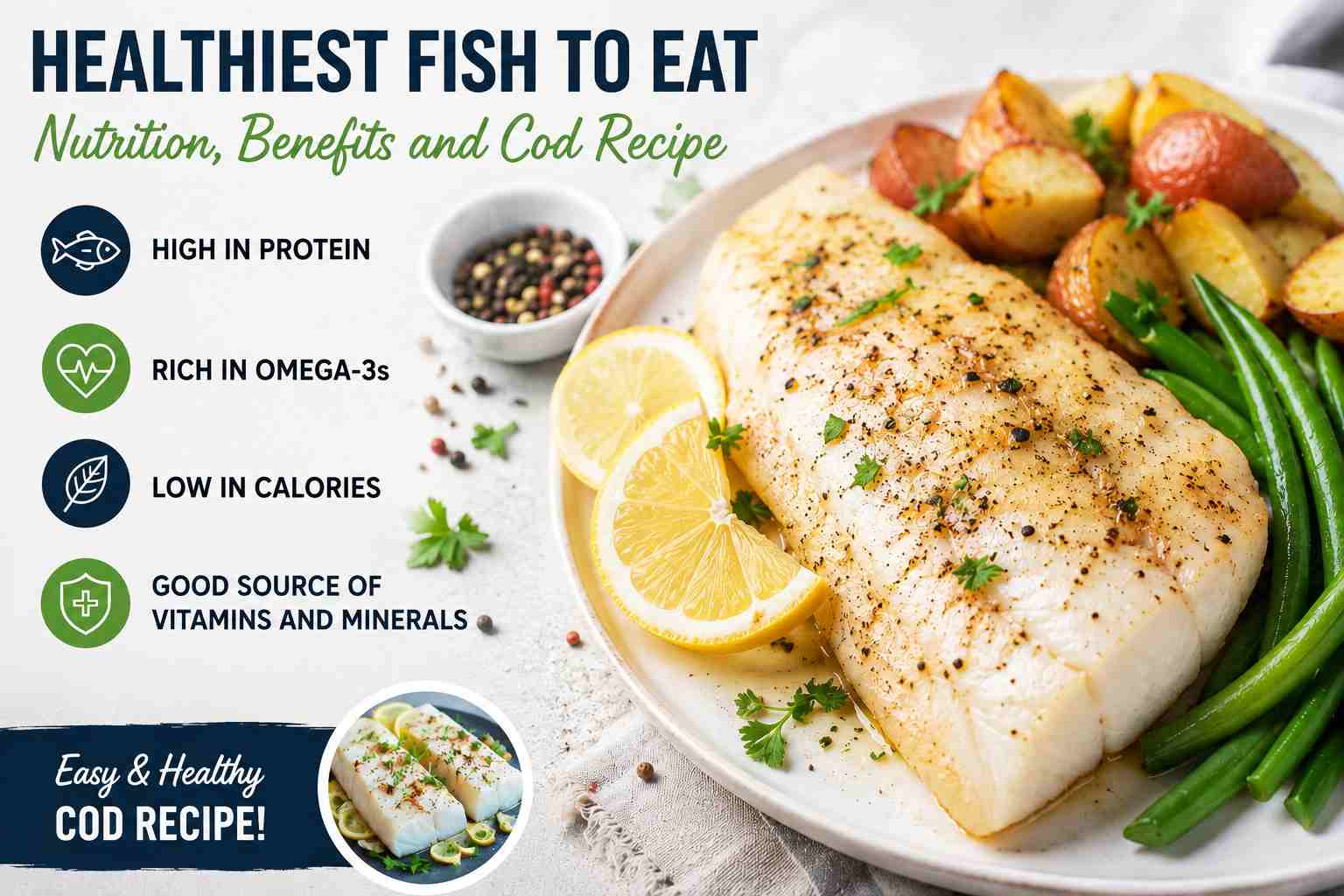
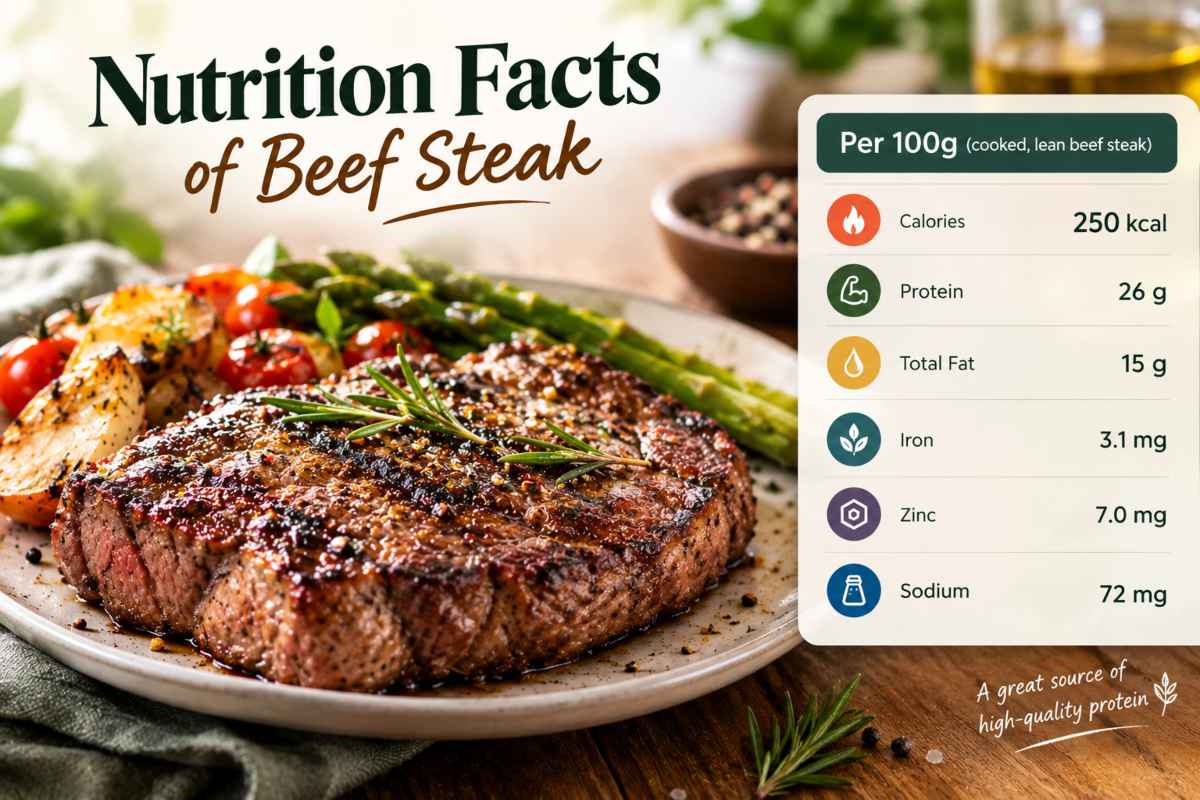
Compared to other common breakfast proteins, breakfast sausage sits in the middle of the pack in terms of nutritional density. Eggs deliver a similar protein count, roughly 6 grams per large egg, at significantly fewer calories and less saturated fat, making them the more efficient protein source by most measures. Bacon is often assumed to be the less healthy option. Still, a two slice serving of back bacon actually contains less fat and fewer calories than two pork breakfast sausages, with comparable protein. Greek yogurt and cottage cheese outperform sausage on protein per calorie by a wide margin. However, they serve a different culinary function.
Where breakfast sausage genuinely earns its place is in satiety, the combination of fat and protein together keeps hunger suppressed for longer than leaner, lower fat proteins alone. If you are building a complete breakfast around it, pairing sausage with vegetables and eggs, as in this cabbage and sausage balances the fat content with fibre and additional micronutrients, making the overall meal more nutritionally complete than sausage on its own.
How Much Protein Is in Breakfast Sausage?
Breakfast sausage contains roughly 5 to 7 grams of protein per piece, with a standard two piece serving delivering between 10 and 14 grams of protein depending on the meat type and size. Turkey and chicken varieties tend to offer a slightly better protein to calorie ratio than pork. However, the difference per serving is modest.

Protein Per Serving Links vs Rounds vs Patties
The format of the sausage affects the protein count more than most people expect, simply because of size differences between products. A slim breakfast sausage round, the small, flat, coin shaped variety, typically contains 4 to 6 grams of protein per piece, so you need three or four to reach a meaningful protein contribution.
A standard sausage in link or log form delivers 6 to 8 grams per piece, making a two piece serving a reasonable protein source on its own. A full breakfast sausage patty, which is larger and denser than either of the above, can contain anywhere from 8 to 12 grams of protein per patty, depending on the brand and meat blend.
When comparing products at the grocery store, always check the nutrition label against the actual serving weight in grams rather than the piece count, since piece size varies considerably across brands, particularly in the Canadian market, where round and link formats both appear widely under the same product category.
Is Breakfast Sausage a Good Protein Source?
Breakfast sausage is a decent protein source in practical terms, but not an exceptional one when measured purely on protein efficiency. The protein content is real and meaningful, 10 to 14 grams per serving is a solid contribution to a morning meal, but it comes packaged with a significant amount of saturated fat and sodium that a leaner protein like eggs or Greek yogurt would not carry.
For people who are already eating a balanced diet and simply want to know whether breakfast sausage pulls its weight nutritionally, the answer is yes, particularly when it anchors a larger meal. Pairing it with eggs, vegetables and complex carbohydrates amplifies the protein total of the meal considerably.
At the same time, the fat in the sausage contributes to sustained fullness. If you are building a high protein morning routine and want practical breakfast ideas that go beyond sausage alone, combining it with eggs and potatoes in a one pan format is one of the most efficient ways to hit a strong protein target without adding complexity to the morning.
Types of Breakfast Sausage Which One Should You Choose?
The right breakfast sausage depends on your dietary needs, flavour preference and how you plan to cook it. Pork remains the most widely available base, but the category has expanded significantly to include poultry blends, plant based options and varieties formulated for specific dietary requirements like halal and gluten free.

Maple Breakfast Sausage
Maple breakfast sausage is a sweetened variation of the standard pork or turkey base, flavoured with real maple syrup or maple flavouring during the seasoning process. The result is a slightly sweet, savoury sausage that pairs particularly well with eggs and potatoes because the sweetness contrasts with the salt in the rest of the dish.
Nutritionally, maple varieties carry a small additional sugar load, typically 2 to 4 grams of added sugar per two piece servingand run 5 to 15 calories higher than their unsweetened counterparts. That difference is negligible for most people, but worth noting if you are tracking added sugars carefully. In the Canadian grocery market, maple breakfast sausage is one of the most common flavour variants available, appearing across both pork and turkey formats from most major producers.
Round Breakfast Sausage and Breakfast Sausage Rounds
Breakfast sausage rounds are the small, flat, coin shaped variety most often found in frozen formats at Canadian grocery stores. They are designed for convenience, uniform size means even cooking and the flat shape makes them easy to layer into a breakfast sandwich or scatter across a skillet.
The trade off compared to a link or patty is that rounds are typically smaller per piece, so the protein and calorie count per piece is lower. A standard breakfast sausage round contains roughly 40 to 60 calories and 4 to 6 grams of protein per piece, meaning you will generally eat three to four rounds to reach a comparable serving to two standard sausages. They cook quickly from frozen in both the oven and a pan, making them a practical choice for weekday mornings when speed matters more than presentation.
Halal Breakfast Sausage
Halal breakfast sausage is made from beef or chicken rather than pork and is produced and certified under halal slaughter and processing standards. The flavour profile is distinct from pork based varieties, beef halal sausage tends to be richer and more savoury, while chicken halal sausage is milder and leaner.
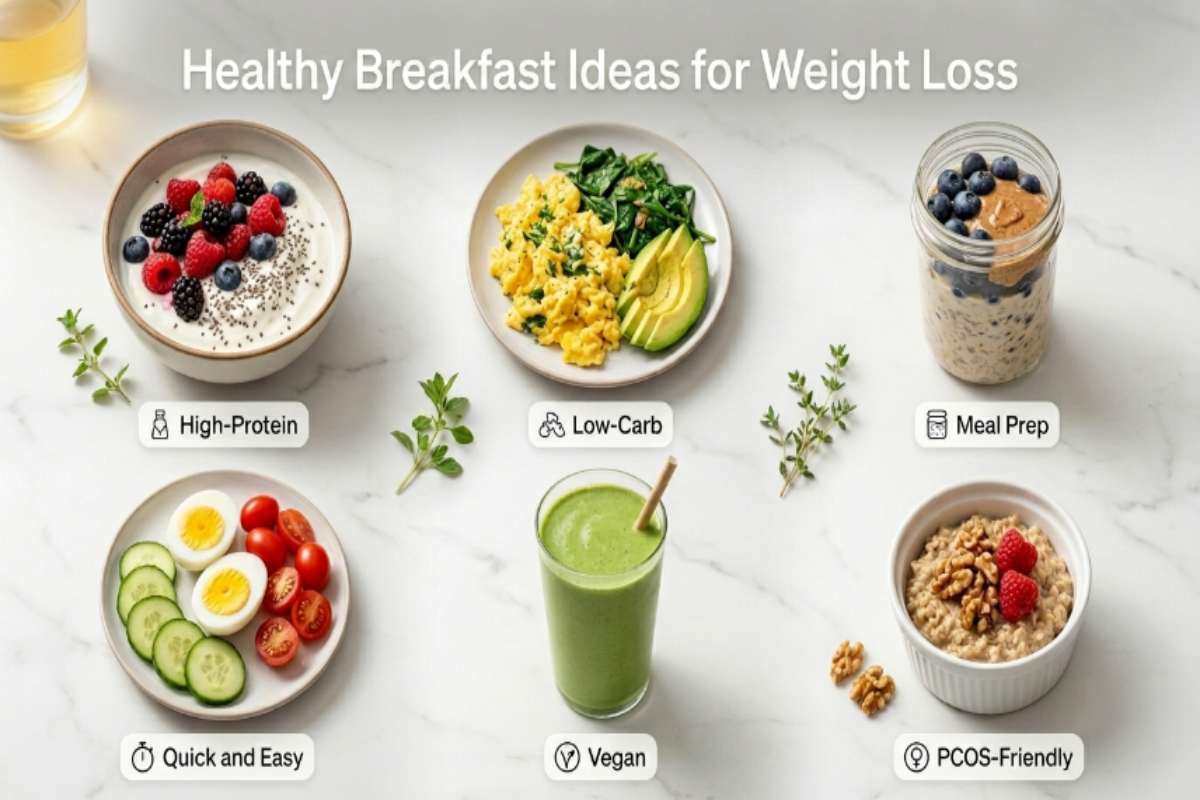
If you are exploring halal options as part of a broader shift toward cleaner, more intentional eating, the practical guidance in these healthy breakfast ideas for weight loss applies well to halal ingredients and whole food combinations. Nutritionally, halal chicken breakfast sausage is one of the lowest calorie options in the category, often coming in under 60 calories per piece with a respectable protein contribution.
Availability in Canada has improved considerably in recent years, with halal certified breakfast sausage now carried in mainstream grocery chains as well as specialty halal butchers. When buying packaged halal breakfast sausage, confirm the halal certification logo on the label rather than relying on the product name alone, as labelling practices vary between producers.
Gluten Free Breakfast Sausage What Makes It Safe
A breakfast sausage is considered gluten free when it contains no wheat, barley, rye, or derivatives of those grains in any ingredient, including fillers, binders and seasonings. Plain pork or chicken sausage made with only meat and spices is naturally gluten free. Still, many commercial varieties add breadcrumbs, wheat starch, or malt based seasonings as binders or flavour extenders, which disqualifies them.
The safest approach when shopping for gluten free breakfast sausage is to look for an explicit gluten free certification on the packaging rather than simply reading the ingredients list, since cross contamination during manufacturing is a separate risk that certification addresses and ingredient lists do not. In Canada, several mainstream brands now offer certified gluten free breakfast sausage in both fresh and frozen formats, making it significantly easier to find a safe option without resorting to specialty stores.
How to Cook Breakfast Sausage and Keep It Healthy
The cooking method you choose affects both the texture and the final fat content of breakfast sausage more than most people realise. Getting it right means understanding how each method handles the fat that renders out during cooking and whether that fat stays in the pan with the sausage or drips away from it.

Can You Cook Breakfast Sausages From Frozen?
Yes, you can cook breakfast sausages directly from frozen without thawing first and for most busy mornings it is the more practical approach. The key difference is time, frozen breakfast sausage takes roughly fifty percent longer to cook through than fresh or thawed sausage and the exterior can brown before the interior reaches a safe internal temperature of 74 degrees Celsius.
To avoid that, start frozen sausages on medium low heat rather than medium high, giving the interior time to thaw and cook through before the outside over colours. In the oven, frozen breakfast sausage cooked at 375 degrees Fahrenheit on a lined baking sheet takes approximately 25 to 30 minutes compared to 15 to 20 minutes for thawed sausage.
If you are cooking from frozen as part of a weekly meal prep routine, batch cooking a full tray in the oven is the most efficient approach and keeps the kitchen considerably cleaner than pan frying multiple rounds.
Cooking Breakfast Sausage in the Oven
Oven cooking is one of the best methods for breakfast sausage if you are prioritising both convenience and a slightly leaner result. Placing sausages on a wire rack set over a foil lined baking sheet allows the rendered fat to drip away during cooking rather than pooling around the sausage, which meaningfully reduces the amount of fat reabsorbed. A temperature of 375 to 400 degrees Fahrenheit works well for most varieties.
Rounds and links take 18 to 22 minutes, while thicker patties may need closer to 25 minutes. Flipping halfway through ensures even browning on both sides. The oven method also frees up the stovetop entirely, which matters when you are building a larger breakfast and need the burners for eggs or vegetables.
For anyone following a structured eating plan where controlling fat intake matters, including those doing keto meal planning with specific macro targets, the oven rack method gives you the most consistent, repeatable result across batches.
Pan vs Oven vs Air Fryer Which Method Is Best?
Each cooking method produces a meaningfully different result and the best one depends on what you are optimising for. Pan frying delivers the most flavour, the sausage cooks in its own rendered fat, which creates a deeply browned, savoury exterior that the other methods struggle to replicate. The trade off is that the sausage reabsorbs some of that fat during cooking, making it the highest calorie preparation method of the three.
It also requires active attention, since the sausage needs turning and the heat needs managing to prevent burning. Oven cooking, as covered above, is the most hands off method and produces the leanest result thanks to the rack and drip setup. The texture is good, but not quite as deeply caramelised as pan fried. The air fryer sits between the two, it produces a crisped exterior closer to pan frying in appearance while allowing excess fat to drip into the basket drawer, similar in principle to the oven rack method.
Cook time in an air fryer is typically 8 to 12 minutes at 375 degrees Fahrenheit, making it the fastest of the three methods for small batches. For people building high protein breakfasts into a consistent routine, particularly those tracking macros as part of a broader approach to keto meal planning, the air fryer offers the best combination of speed, texture and fat control in a single method.
Best Breakfast Sausage in Canada What to Buy
The best breakfast sausage in Canada comes down to three things, clean ingredients, honest serving sizes on the nutrition label and availability in your regular grocery store. The Canadian market has a strong selection across pork, turkey, chicken, halaland gluten free formats, but quality varies considerably between brands even within the same category.
Olymel is one of the most widely distributed breakfast sausage brands in Canada, available in most major grocery chains, including Maxi, IGA and Metro. Their pork breakfast sausage rounds are a staple in many Canadian households and cook reliably from both fresh and frozen. Maple Leaf produces a range of breakfast sausage products that includes both classic pork and turkey varieties, with their natural and reduced sodium lines worth considering if sodium intake is a concern.
Marc Angelo offers Italian seasoned options that sit outside the traditional breakfast sausage flavour profile but work well in skillet meals and egg dishes. Greenfield Natural Meat Co. positions itself as a cleaner label option, with breakfast pork sausage rounds made without artificial preservatives, MSG, or gluten containing fillers, a useful choice for households managing multiple dietary needs at once.
What to Look for on a Breakfast Sausage Nutrition Label
The nutrition label does most of the comparison work for you if you know which numbers to prioritise. Serving size is the first line to check, many brands list a single piece as the serving, which understates the calories, fat and sodium you are actually consuming at a realistic portion. Always scale the values to match how many pieces you are eating before comparing products side by side.
After serving size, look at sodium, a reasonable target is under 400 milligrams per two piece serving, since breakfast sausage is often eaten alongside other salted foods. Saturated fat is the next figure worth scrutinising, particularly for pork varieties where it can account for a large share of the daily recommended limit in a single serving.
Protein per serving relative to total calories gives you a useful efficiency ratio, a product delivering 12 grams of protein at 180 calories is a meaningfully better choice than one delivering 9 grams at the same calorie count. Finally, scan the ingredients list for fillers like modified corn starch, soy protein isolate, or wheat based binders, which add bulk without nutritional benefit and may be relevant if you are avoiding specific ingredients.
Gluten Free and Halal Options Available in Canadian Grocery Stores
Gluten free and halal breakfast sausage have both become considerably easier to find in mainstream Canadian grocery stores over the past several years and the quality gap between specialty and standard options has narrowed. For gluten free shoppers, Greenfield Natural Meat Co. breakfast sausage rounds carry explicit gluten free certification and are stocked in chains including Sobeys, Safeway and Loblaws banner stores.
Maple Leaf also produces gluten free certified options within their natural line. The key when shopping is to look for the certified gluten free logo rather than relying on the absence of obvious wheat ingredients, since shared production lines create cross contamination risks that the label alone will not flag. For halal breakfast sausage, the selection in Canada is strongest in urban centres with significant Muslim populations, Toronto, Calgary, Edmonton and Vancouver all have mainstream grocery chains stocking halal certified beef and chicken breakfast sausage alongside dedicated halal butchers carrying fresh options.
Zabiha Halal is among the most recognised halal certified brands available in Canadian grocery chains, with chicken breakfast sausage that works well in skillet meals and egg based breakfasts. When in doubt, the halal certification body logo on the packaging is the reliable indicator, product names and marketing language alone are not sufficient confirmation of certification status.
Meals to Make With Breakfast Sausage
Breakfast sausage is one of the most versatile proteins in the morning kitchen. It pairs naturally with eggs, potatoes and vegetables, holds up well in meal prep containers and adapts to low carb, gluten freeand high protein eating patterns without much modification. The meals below cover the full range, from a complete one pan skillet to batch cooked prep ideas that carry you through the week.

One Pan Sausage Egg Hash
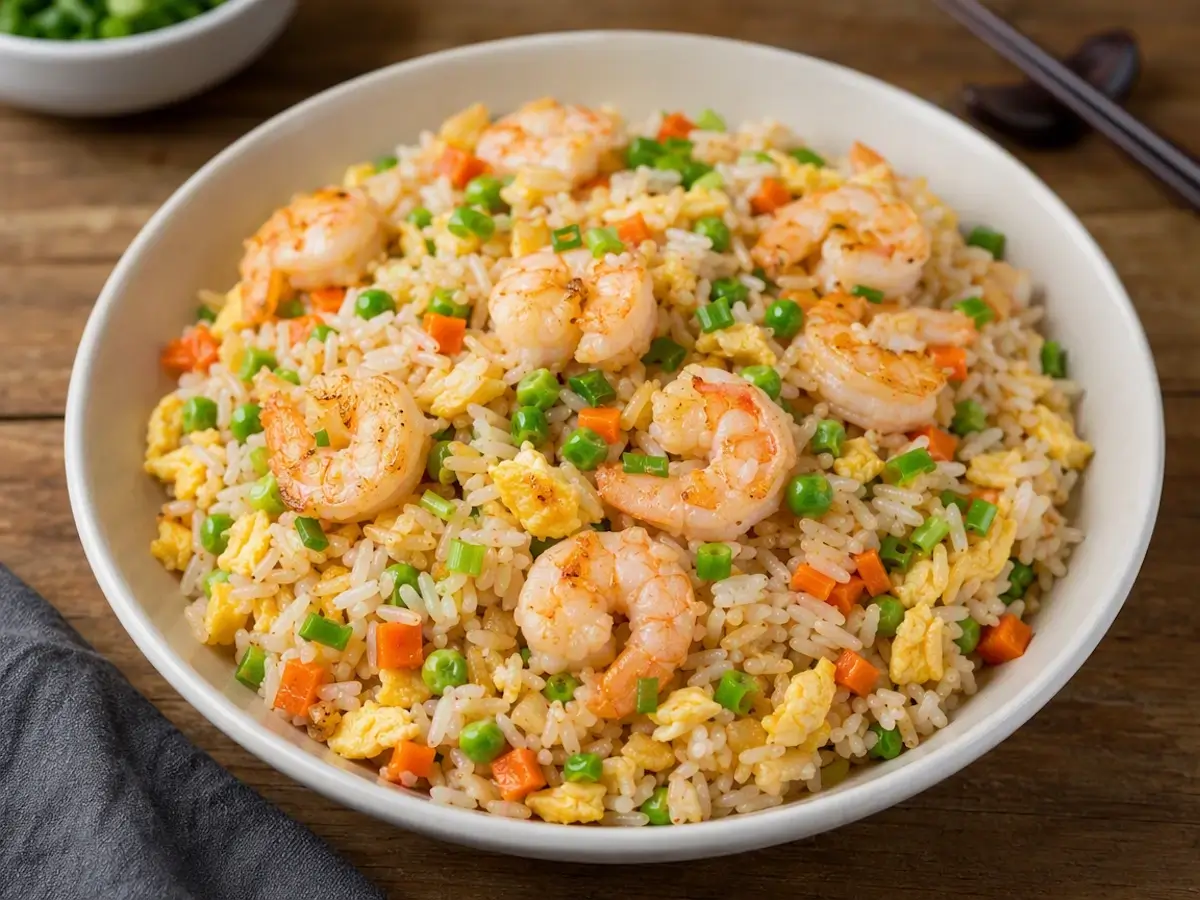
This Sweet Potato and Egg Hash recipe brings everything together. Crispy golden potatoes, savory browned breakfast sausage, bell peppers, onions and perfectly set eggs all cooked in a single skillet in twenty five minutes. It is a complete meal in one pan, protein from the eggs and sausage, complex carbohydrates from the potatoes and micronutrients from the vegetables, with no side dishes required and minimal cleanup.
These breakfast sausage calories are naturally gluten free and dairy free in its base form, with cheese as an optional addition. It works equally well as a weekend brunch centerpiece or a weekday meal prep base that reheats cleanly throughout the week.
High Protein Meal Prep Ideas Using Breakfast Sausage
Breakfast sausage is an underused meal prep protein. It reheats well, holds its texture in covered containers for up to four days in the refrigerator and pairs with enough different ingredients to prevent the repetition that kills most meal prep routines. The most practical approach is to batch cook a full tray of sausage in the oven on Sunday, roughly twenty to twenty four pieces at once and then build different meals from the same protein base across the week.
Paired with scrambled eggs and roasted potatoes on Monday, folded into a breakfast burrito with salsa and avocado on Tuesday, layered over sautéed greens with a fried egg on Wednesday and stirred into a vegetable heavy skillet on Thursday, the same batch of sausage produces four distinct meals with minimal additional cooking time on each day. Each of those combinations delivers between 25 and 35 grams of protein per serving when built around two to three sausages and two eggs, making breakfast the highest protein meal of the day without any special effort beyond the initial batch cook.
Low Carb and Gluten Free Breakfast Sausage Meals
Breakfast sausage is a natural fit for low carb eating because the protein and fat content are already well suited to that macronutrient structure, it is the sides and additions that typically introduce carbohydrates, not the sausage itself. Replacing diced white potatoes with cauliflower florets or diced zucchini in a skillet meal cuts the carbohydrate count by more than half while keeping the volume and the satisfying texture of the dish largely intact.
A sausage and egg scramble with spinach, mushrooms and cherry tomatoes requires no substitutions at all. It delivers a genuinely low carb meal without feeling like a compromise. For a more structured low carb build, slicing breakfast sausage over a bed of sautéed cabbage with paprika and garlic produces a warming, filling meal that sits well under 15 grams of net carbohydrates per serving.
All of these options work within a gluten free framework as long as the sausage itself carries gluten free certification, the meal structure requires no wheat containing ingredients in any of these combinations, making the sausage label the only variable that needs checking before cooking.
Conclusion
Understanding breakfast sausage calories puts you in a much stronger position to make it work for your diet rather than guessing at whether it fits. A standard serving lands between 160 and 200 calories for pork and closer to 120 to 150 for leaner turkey or chicken varieties, with protein content that makes it a meaningful contributor to a high protein morning rather than just a flavour add on.
Choosing the right type, whether that is a certified gluten free round, a halal certified chicken variety, or a maple flavoured pork sausage, comes down to reading the nutrition label carefully and matching the product to your actual dietary priorities. Cook it in the oven or air fryer if fat control matters, pan fry it when flavour is the priority and build it into a complete one pan meal like the sausage egg hash above to get the most nutritional value out of every serving.
Frequently Asked Questions (FAQs)
How Many Calories Are in a Breakfast Sausage?
A single breakfast sausage contains between 80 and 100 calories for standard pork varieties and 60 to 75 calories for turkey or chicken options. The exact count varies by brand, size and whether the sausage is a round, link, or patty format.
How Much Protein Is in Breakfast Sausage?
A single breakfast sausage delivers roughly 5 to 7 grams of protein, with a standard two piece serving providing between 10 and 14 grams depending on the meat type. Turkey and chicken varieties offer a slightly better protein to calorie ratio than pork.
Is Breakfast Sausage Gluten Free?
Not all breakfast sausage is gluten free, many commercial varieties contain wheat based fillers, binders, or seasonings. Look for an explicit gluten free certification logo on the packaging rather than relying on the ingredients list alone, since cross contamination during manufacturing is a separate risk.
Can You Cook Frozen Breakfast Sausages Without Thawing?
Yes, frozen breakfast sausages can be cooked directly without thawing, but they require roughly fifty percent more cooking time than fresh or thawed sausage. Start on medium low heat in the pan or add ten minutes to the oven cook time to ensure the interior cooks through before the exterior browns.
What Is the Healthiest Breakfast Sausage?
Turkey and chicken breakfast sausages are generally the healthiest options, delivering comparable protein to pork at significantly fewer calories and less saturated fat. Within those categories, look for products with minimal fillers, under 400 milligrams of sodium per serving and a certified gluten free label if that is a dietary concern.
How Many Calories Are in Two Breakfast Sausages?
Two standard pork breakfast sausages contain between 160 and 200 calories, while two turkey or chicken sausages come in closer to 120 to 150 calories. Maple varieties will sit at the higher end of those ranges due to the small amount of added sugar in the seasoning.









1 Comment. Leave new
Nice.